‘She is so loved’: When 21-year-old had brain surgery, her Hilton Head ‘family’ showed up
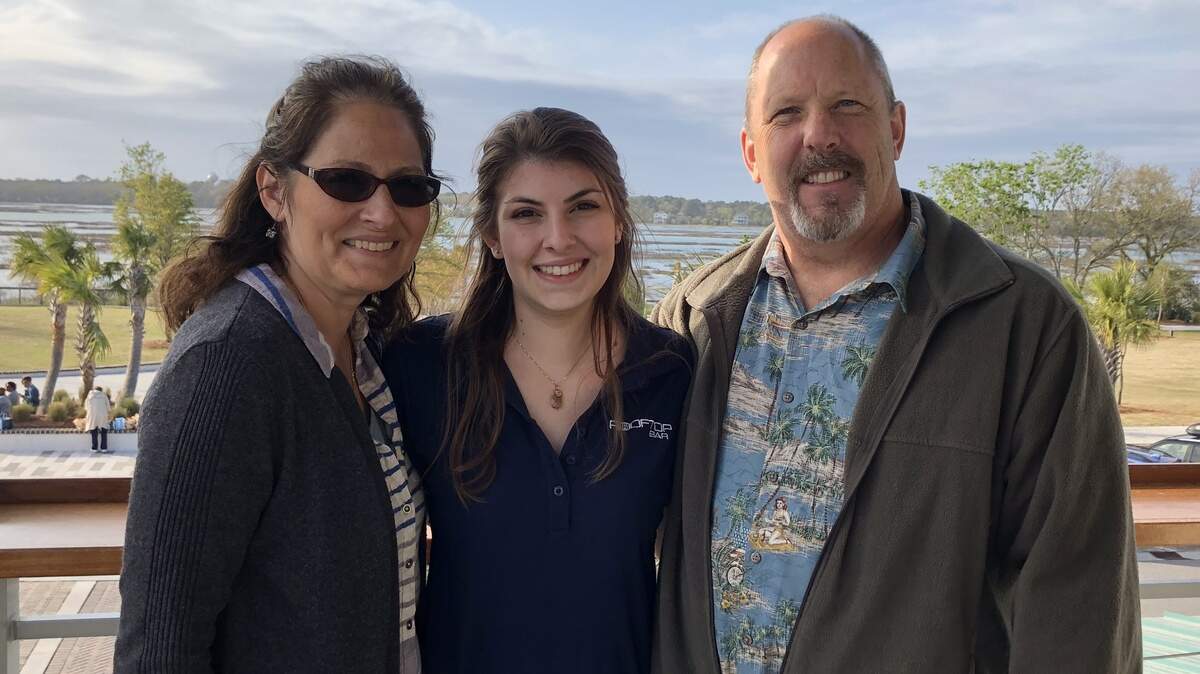
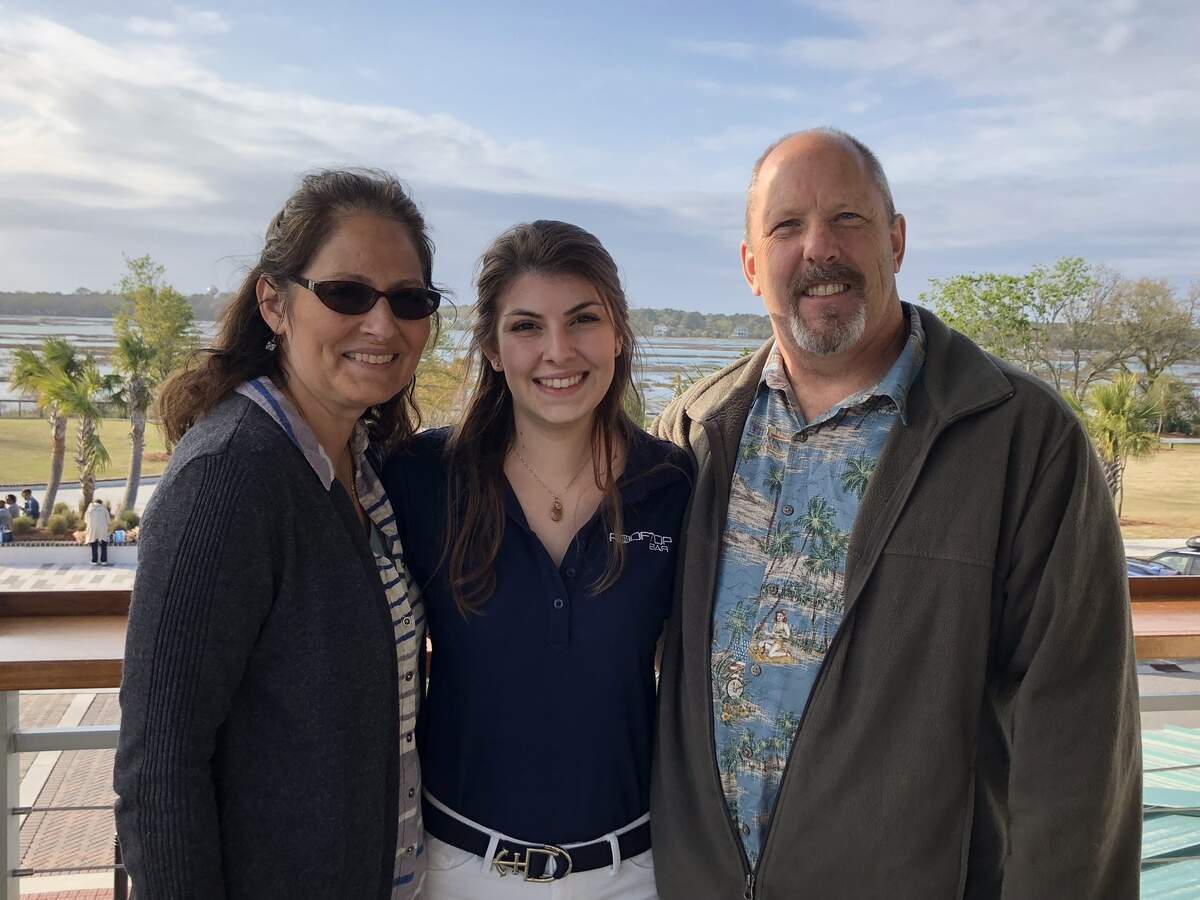
Three weeks before her 22nd birthday, Serena Grumbine called her mother from the Savannah Memorial Hospital emergency room. She had only gone to the hospital from her home on Hilton Head for a migraine, but nurses were about to insert a breathing tube, which would make her unable to speak.
“I told her I loved her,” her mother, Stephanie Grumbine, said from 2,300 miles away in southern California. “I got off the phone with her and got on the phone with the airlines.”
Stephanie hopped on an emergency flight because she knew what her daughter was facing: a brain bleed.
Serena had a cavernoma in her brain, which is a cluster of abnormal blood vessels that show up like raspberries on an MRI scan. The cavernomas caused three separate bleeds in Serena’s brain, which left her with no movement on the left side of her body.
When Stephanie landed in Savannah, she was greeted by a a melting pot of people who loved Serena taking over the hospital’s waiting room. Friends, co-workers and Serena’s boyfriend, Julien, had rallied behind her.
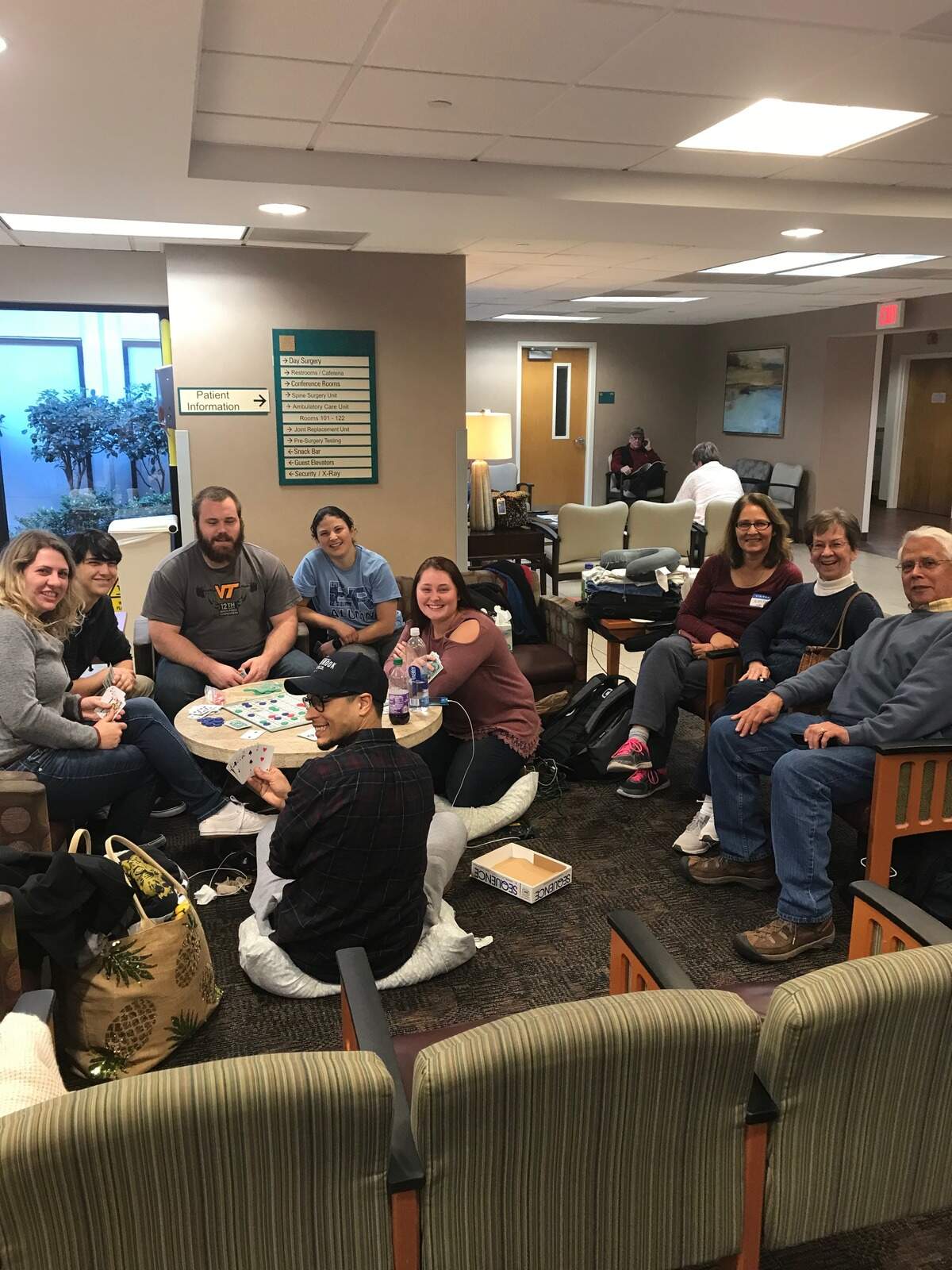
“It actually was very heartwarming to know she has a different type of family out here,” Stephanie said. “It definitely puts your heart to rest knowing she is so loved.”
Serena underwent a 12-hour surgery on her brain stem to remove her cavernomas and stop the bleeding on Dec. 11. Her family and friends played board games as they waited for updates outside the operating room.
Where it all started
Serena dealt with migraines throughout high school in Rancho Cucamonga, California. When she moved to South Carolina in 2015 for the hospitality program at USCB, she was starting over in a new corner of the country.
“She decided to stay in South Carolina because she loved it so much,” Stephanie said. “She felt like it was home for her.”
Serena continued to have migraines, but got a job as a server on Hilton Head Island and worked through her headache days. She met Savannah Wells at Poseidon Coastal Cuisine in 2017, and the two became instant friends.
“Serena was my first friend, she was the first one to make me feel welcome here,” Wells said about moving to Hilton Head from Florida.
The two coached 6-year-old girls’ soccer at the Island Recreation Center last season, and Wells said Serena loves to train animals at the Hilton Head Humane Association.
But in October, Serena was hospitalized for the first time.
Doctors didn’t diagnose a brain bleed, but prescribed pain medication. Serena told her mother she couldn’t balance well enough to walk. When they spoke on the phone, Stephanie said she heard her daughter sound slurred and distant.
“I could tell in her voice that she sounded groggy, and I said ‘I need you to call me every day,’” Stephanie said in October.
Serena was showing signs of cavernomas, and unfortunately, her mother recognized those signs.
Sixteen years ago, Serena’s brother, Simon, had an unexpected seizure at home. After a trip to the hospital, the 3-year-old was diagnosed with a brain tumor similar to a cavernoma and underwent surgery to remove it. When Stephanie started to think back on her own history, she realized she and her cousin had similar experiences to Simon as a child.
Stephanie saw a neurologist, and after an MRI, she discovered she had 10 cavernomas in her skull. The doctor confirmed her fears that the condition was genetic.
The clusters of blood vessels aren’t necessarily rare. One in 200 people in the U.S. have at least one cavernoma, according to the Mount Sinai cerebrovascular center in New York City. They can exist without symptoms or they can cause seizures, migraines and loss of neurological functions.
If someone has the inherited form of cavernomas, they have a 50 percent chance of passing them on to their children, according to the cerebrovascular center.
In the 10 years after Stephanie’s diagnosis, 15 members of Serena’s family discovered that they, too, had cavernomas.
Faith and recovery
Simon’s recovery from his cavernomas was grueling — he did intense physical therapy, and after a second bleed in 2014, he had to learn how to walk and dress himself again.
Knowing what’s coming ahead for Serena makes the process more familiar, but nonetheless heart-wrenching, Stephanie said. She gets her strength from her faith.
“We had to make these faith-based statements with both our kids,” Stephanie said. “These children are gifts to us, and their lives really aren’t ours — they’re God’s. He can have them back when he wants them back. We had to say that with both of our kids.”
Serena is making baby steps, Stephanie said. She was able to hold her head up for several seconds last week, and she will move to a long term care facility this week.
But the family has been able to speak with Serena, even while intubated. Wells communicates with Serena via sign language and interprets for Stephanie and her husband, Jim.
“You can tell when she’s really weak and tired,” Wells said, laughing. “Because her spelling is way off. Let’s just say she’s not winning any spelling bee championships soon.”
Stephanie and Jim haven’t heard their daughter’s voice since Sunday, Dec. 9.
What’s next for Serena?
The Grumbine family is staying in an Airbnb near the hospital, where they will spend Christmas and Serena’s birthday. Stephanie and Jim take turns spending the night at the hospital as she improves.
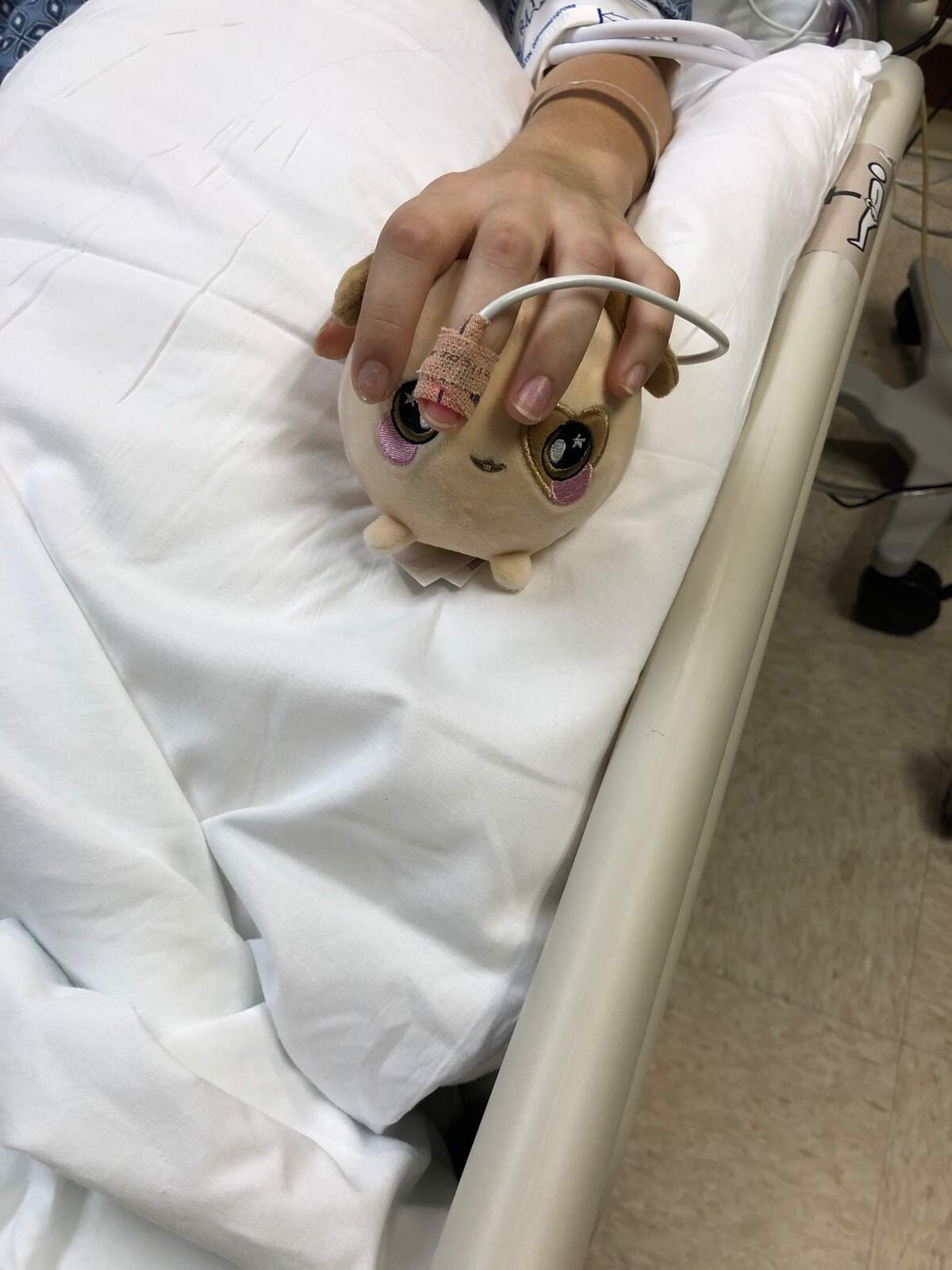
Once she is healthy enough to travel, Stephanie said Serena will transfer to a hospital back in California near more family members.
“It breaks my heart to have to take Serena away from her support and her little group she has here,” Stephanie said. “Once she is well enough to function on her own, that girl can live wherever she wants.”
Wells is helping pack up Serena’s apartment next week, and she said she’s excited to pick out outfits for her best friend to wear when she makes the cross-country trip back to California.
“She’s one of those friends that’s worth loving and doing everything you can for,” Wells said.
This story was originally published December 24, 2018 at 1:03 PM.