
Puppy died months after contact with a common Lowcountry plant. Now, man warns pet owners
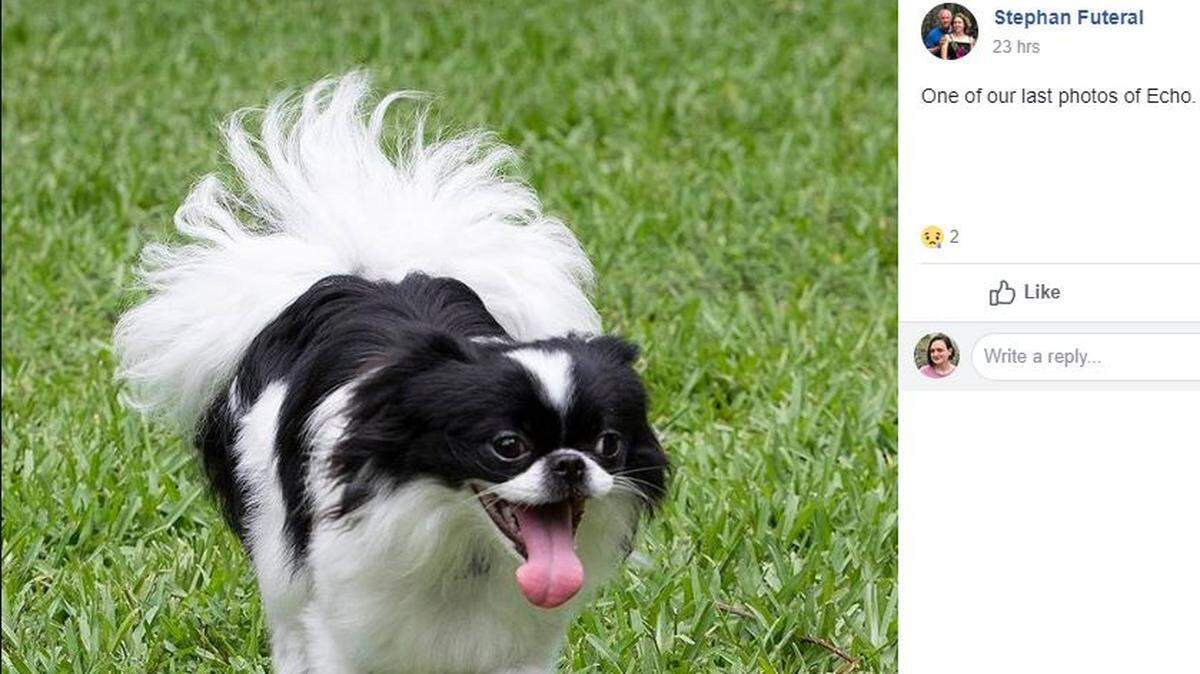
A Lowcountry man is grieving the death of one of his dogs, who was poisoned by a sago palm.
Stephan Futeral of Mount Pleasant posted on Facebook that 11-month-old Echo, one of his two Japanese Chin puppies, died Sunday after suffering from liver poisoning related to the popular plant.
“Over the past few months, the vet’s office has done everything they could including blood and plasma transfusions along with the host of medications to help Echo’s liver repair itself. Unfortunately, there was just too much damage done,” he wrote on the social media site.
WCBD television reported that Echo and Futeral’s other dog Widget came into contact with the seeds in March.
Earlier this year, veterinarian Travis Davison of Bluffton Veterinary Hospital told The Island Packet he was seeing a surge in cases — six in April alone — of dogs poisoned by sago palms. Three of those dogs died.
Sago palms, which are a common fixture in South Carolina’s Lowcountry landscape, are one of the most poisonous plants for dogs.
Not only can ingesting the plant cause a dog to experience vomiting and diarrhea, it can become lethal by creating clots in the bloodstream and liver failure.
Although the entire sago palm plant is toxic to dogs, the seeds are the most lethal part.
“One seed has enough of the toxins to kill a dog,” Tracy Duffner, veterinarian at Heritage Animal Hospital, told The Island Packet previously. “So it’s just extremely toxic.”
Duffner said she occasionally treats dogs who ingest other toxic plants, such as oleanders and azaleas.
“But sago is in its own category as far as its toxicity to dogs,” she said.
Avoiding the plant is the best preventive measure pet owners can take, experts say.
Davison said that if your pet enjoys chewing on things, you may want to reconsider having the plant in your yard at all.
This story was originally published August 2, 2018 at 5:42 PM.