
Once gone, Measles returns to South Carolina. What can you do?
International travel and lower vaccination rates caused by misinformation are causing an uptick in measles cases worldwide, and South Carolina just confirmed its first case since September 2024.
The confirmed case in the upstate last week was travel-related according to Chief Medical Officer of the SC Department of Health Dr. Brannon Traxler. Measles is highly contagious and, according to Traxler and others, The effectiveness of the vaccine is very high and the best way to prevent the infection is to get the shot.
Measles treatment
Measles isn’t treatable but doctors can manage the symptoms. Because of this, doctor’s place more emphasis on the prevention with the vaccine rather than treatment, said Dr. Taras Nebeluk, an infectious disease specialist for Novant Health.
“We’ve seen vaccination rates drop from, you know, 95% to 90% 80% in some places,” Nebeluk said. “And that’s really borders on the edge of where the herd immunity starts to crack.”
There are many reasons for vaccine hesitancy, but much of it stems from distrust and misinformation enhanced by people‘s comments on social media, Traxler said.
Much of this distrust can be attributed to the COVID-19 pandemic, Traxler said. There were many ways she believed the pandemic could have been handled differently in both public health and healthcare. This, coupled with social media facilitating the spread of inaccurate information, has contributed to decreasing vaccination rates.
What about public schools?
In the Beaufort school systems, from 2021 to 2025, students with religious exemptions have increased, and the percentage of students with required immunizations has decreased. Medical exemptions, however, have decreased.
Additionally, statewide, the kindergarten vaccination rate has dropped over 2% from 2021 to 2024.
Religious and medical exemptions are the only allowed in South Carolina and do not apply to students outside of K-12. For medical exemptions, they need to be issued by a licensed healthcare provider.
Religious exemptions must be signed and notarized by a legal guardian. However, the Department of Health website says that with a religious exemption, the child may be pulled from daycare or school if a vaccine preventable disease outbreaks and they are not vaccinated against it. They may return when it is deemed safe to do so.
“DPH will educate them about how measles is spread, and possible symptoms they should monitor over the next 21 days,” Candace Bruder spokesperson with Beaufort County School District said on how they would handle a confirmed case of measles. “DPH informs unprotected close contacts to stay home and away from others during those 21 days, advising them that they are contagious even before they become sick and can unknowingly spread measles to others.”
Early symptoms
The first symptom to show up is a high fever around 104 degrees, and then the rash comes a day or two later, Nebeluk said. This would typically show up around one-to-two weeks after exposure but become infectious around day five, contributing to how easily it can spread.
There are some complications that can arise that concern doctors, such as developing severe pneumonia with infection. According to Nebeluk, this can happen in about one in 20 cases. They are also concerned with cases that develop severe diarrhea and inflammation of the brain.
One in 1,000 measles cases could cause brain damage, one in five may need to be hospitalized and one in 1,000 measles cases could result in death, Braxler said.
“I’ve seen this even myself and some of some family members, is they say ‘we all had it as children. We’re all okay,’ but that’s something that we call survivor bias,” Braxler said. “The children who didn’t make it aren’t alive to remind us of that.”
Retraining medical staff
The disease was believed to be eradicated in the early 2000s so it was not routinely tested for, Nebeluk said. It’s still mostly only considered if other tests, such as flu or COVID-19, come back negative first.
“I think even now, it’s only starting to become something that’s on the radar in most emergency rooms or urgent cares that a patient would go to,” he said. “So even now, it’s not the first thing the clinicians back because there’s been so many years without a major outbreak.”
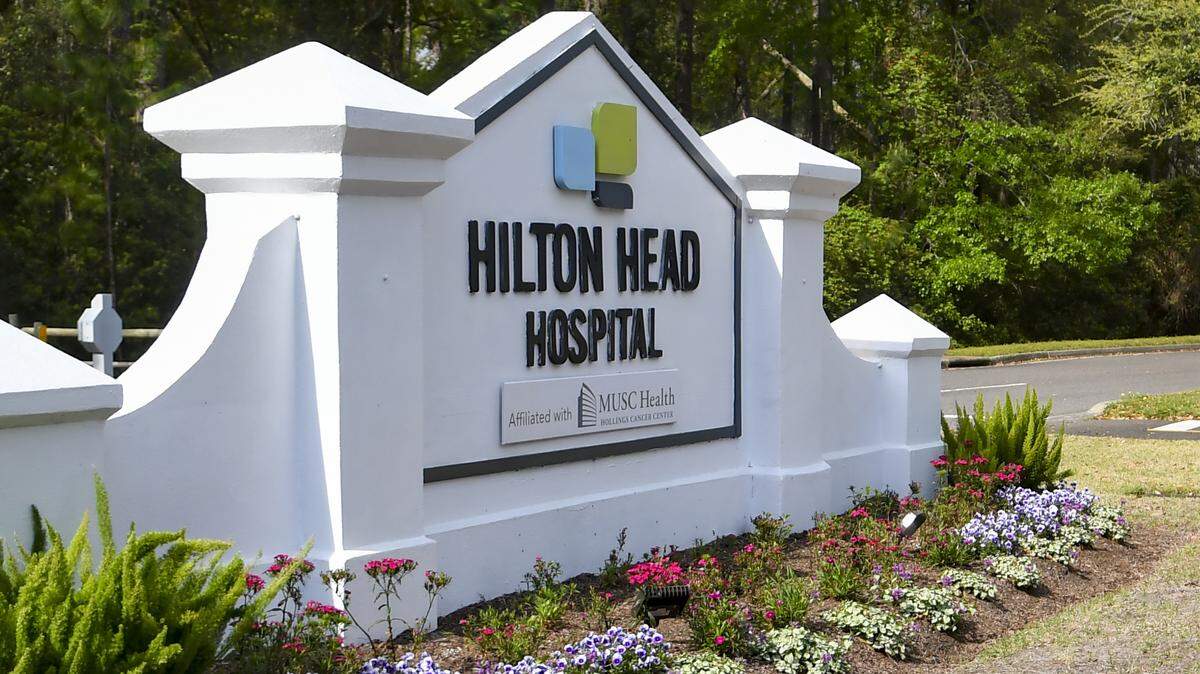
Hilton Head Hospital said it is retraining doctors to deal with measles.
“We are coordinating efforts for testing and clinical care with local health departments and have provided our team members with additional education on measles,” said Dr. David Priest, SVP Chief Safety, Quality and Epidemiology Officer for Novant Health in a statement. “We have also held several regional response and readiness drills to ensure all team members in the organization are aware of their role in caring for patients, appropriate isolation, and laboratory testing, especially in light of recent measles cases in the Carolinas.”
There is a way to check if an individual’s vaccinations are up to date if it was administered by South Carolina providers at the Department of Public Health website. Doctors are also able to check antibodies. Traxler said that people born before 1957 do not need to have an antibody test as they are “statistically almost were guaranteed to have had measles as a child and so they have what’s considered presumed immunity.”
Children typically get the first dose when they are 12 to 16 months of age and the second dose around six years. If children travel to areas of known outbreak, such as Texas, they can inquire with their healthcare provider about getting either dose sooner, Nebeluk said.
This story was originally published July 15, 2025 at 11:33 AM.