Scholarship program to attract, keep nurses in Beaufort Co. has big plans for the future
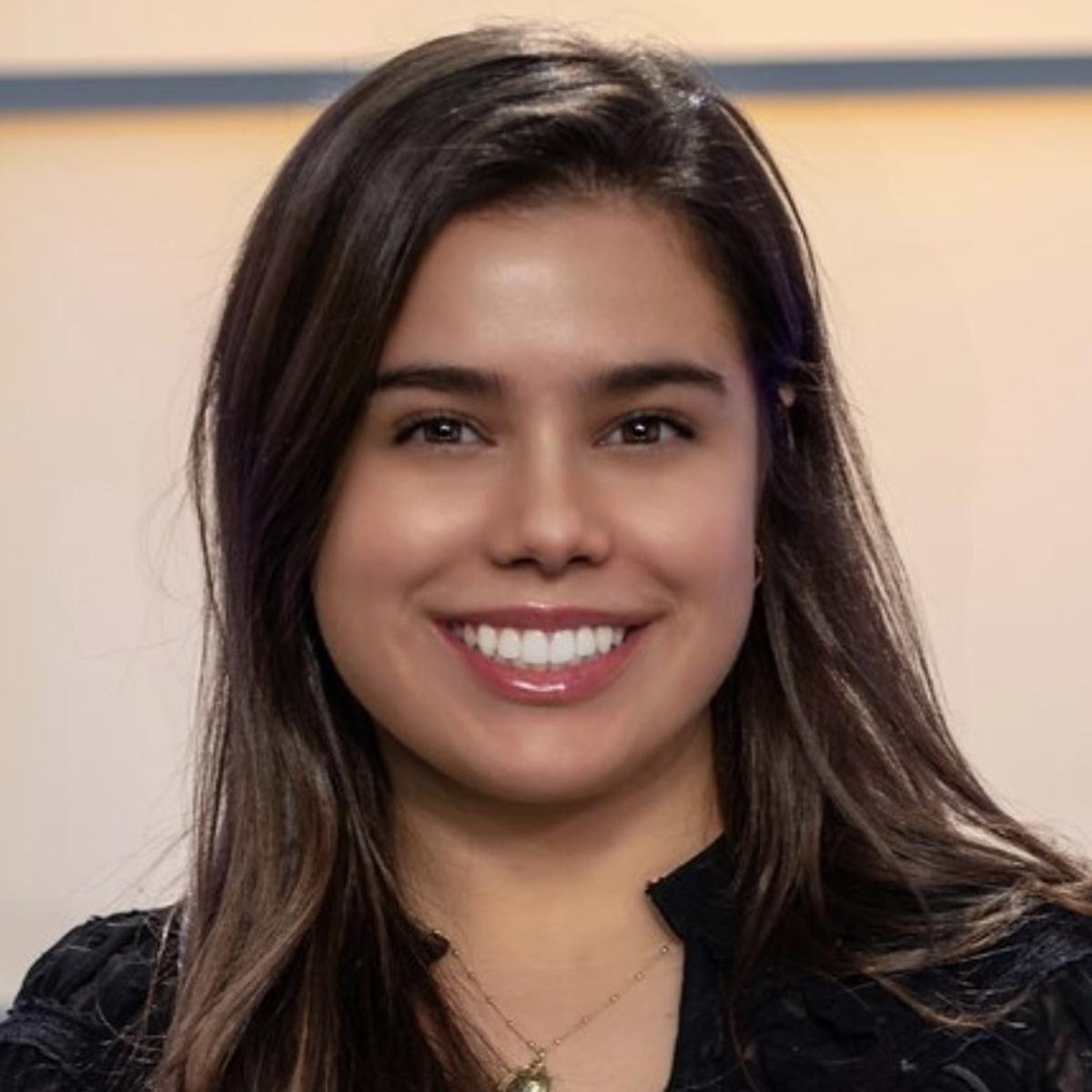
Krystal Maldonado has lived in Beaufort County her entire life. When she received a four-year nursing scholarship to stay in the area, she said, it was like her community was giving back to her.
“I had never heard of a retention scholarship; I thought that was interesting,” Maldonado said. “I knew I was going to be staying in Beaufort County working as a nurse here so getting the scholarship was more of a reward for what I already do every day.”
The S.C. Nurse Retention Scholarship was thought up by local veterinarian William Fuller and businessman Bob Elliot. The program was given funds from the Community Foundation of the Lowcountry to support nurses with bachelor’s of science in nursing degrees as a way to combat the nationwide shortage of health care professionals.
“I’m not sure the public really gets it yet,” Elliot said. “They see it when they’re waiting for four hours in emergency, then they start to get it perhaps.”
Elliot said he is working on only one small piece of the problem and has been speaking with local politicians to try to get funding from the American Rescue Plan Act. He isn’t satisfied with the money raised for the four candidates so far, and won’t be until he has found a long-term solution. The program will be expanding this year to include nurses with associate’s degrees because the county needs “nurses at all levels,” he said. He wants to be able to provide funds for 30 to 40 nurses to have a bigger impact on an issue that will only get worse, he said.
“COVID is only one factor in this systemic shortage,” he said. “Retention is only one part of the solution. We need more teachers ... and affordable housing.”
The recipients
For Maldonado, the money will help her to further her education and take care of her 8-year-old daughter. She wants to go back to school and get her master’s degree and become a nurse practitioner.
Maria Novoa, a recipient of the scholarship, lived in Nicaragua until she was 6 years old and has lived in Bluffton for most of her life, according to a press release from the scholarship program. She recently graduated from the University of South Carolina Beaufort where she served as vice president of the Zeta Tau Alpha organization, was a member of the Gamma Beta Phu honor society and was granted three other scholarships including the LIFE scholarship and Hospital Auxiliary Scholarship. She now works as a registered nurse at Hilton Head Hospital.
Erika Thalacker, another recipient, said that she was inspired to join the profession because of her two uncles who were also nurses. She is a pediatric nurse at Beaufort-Jasper-Hampton Comprehensive Health Services.
For scholarship recipient Lauren Londono, who is working to complete residency at Beaufort Memorial Hospital, patient interaction and serving as an active-duty scrub tech in the U.S. Navy is what made her want to pursue health care. She fell in love with it.
South Carolina, according to associate professor of nursing at the University of South Carolina Beaufort Kimberly Dudas, has been designated a Health Professional Shortage Area, and Beaufort County has one of the most insufficient nurse-to-patient ratios statewide. The majority of Beaufort County is medically underserved, per data maps from the S.C. Department of Health and Environmental Control. With the dwindling numbers, the possibility of burnout of health care professionals is a risk. This, Londono said, can even lead to nurses leaving the field altogether.
“The idea of helping others is romanticized and, once you’re there, there are a lot of challenges on a personal level ... but also professionally,” Londono said.
The scholarship recipients, in some capacity, have seen the shortage affecting patient care, wait times and daily functions, they said. Maldonado said having units short-staffed affects the entire hospital, and Thalacker said she sees the fallout of the shortage “all the time.” This can be particularly harmful to patients at her clinic, Thalacker said, many of whom have no insurance and cannot afford to go anywhere else.
“We’re the only thing they have, so we have to be there for them too,” she said.
As the program expands, its founders hope to contribute more. They just need the funds, Elliot said.
“We need nurses everywhere and we need them now,” he said.