Meet the Beaufort nurse who took a leap of faith and quietly saved a teacher’s life
The first post Suzi Oliver saw after logging into her Facebook page was a picture of Caroline Welsh with a headline, “Caroline needs a kidney.”
Oliver studied Welsh’s sweet face. Her strawberry blond hair. Her smile. She couldn’t help thinking that Welsh could be one of her own kids. It was August 2018.
“So I prayed on it,” Oliver said, “and in the morning I thought, ‘This is something I could do.’”
Today, Welsh, a 28-year-old elementary school teacher from Savannah, has a working kidney and a new life, thanks to Oliver, a 54-year-old stranger who happened to be a “woman of faith” and a hospice nurse who knew she could get by just fine with one kidney.
“Everything depends on your kidneys,” says Welsh, who relied on daily dialysis to survive before her fateful social media connection with Oliver. “It’s crazy.”
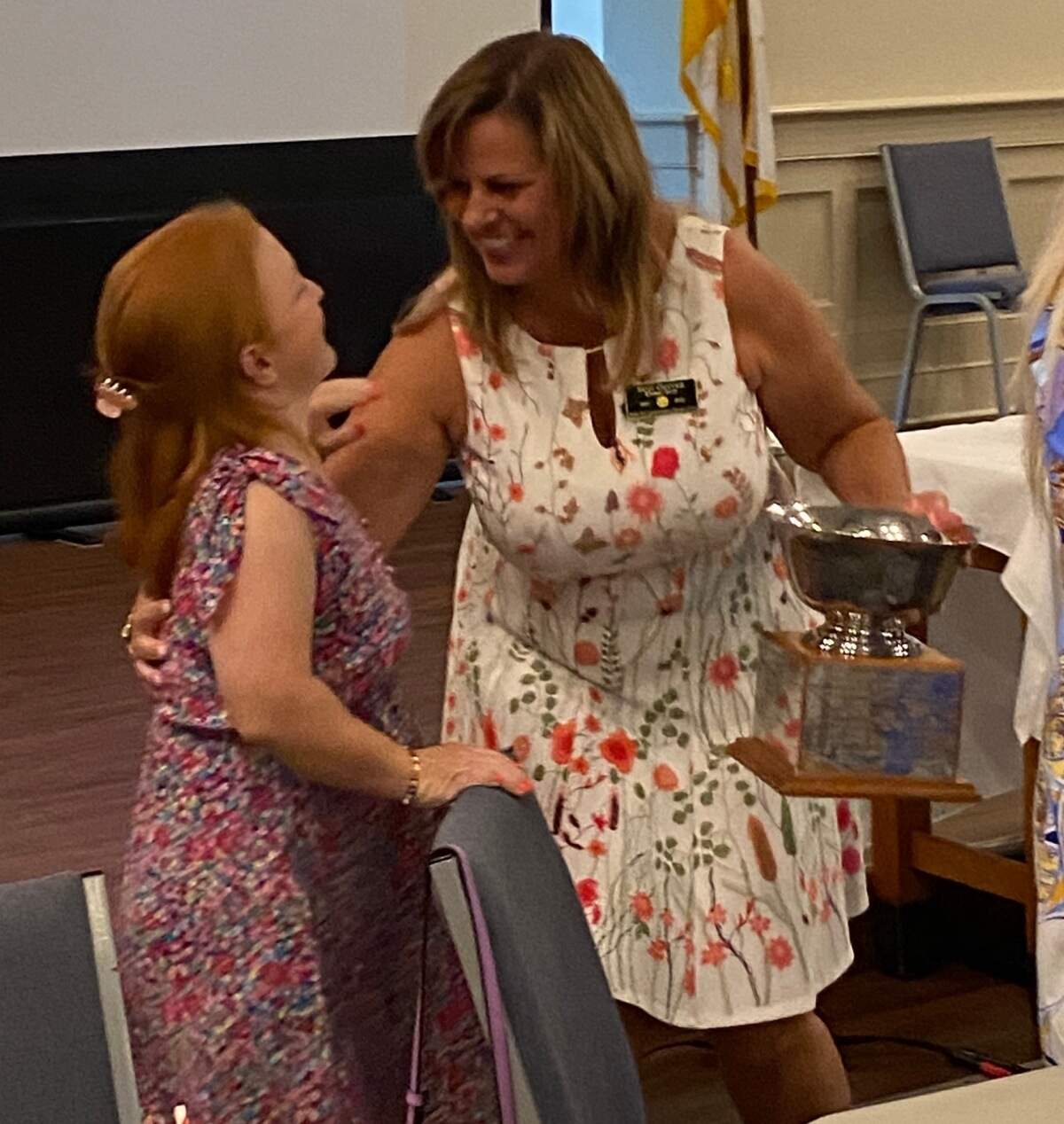
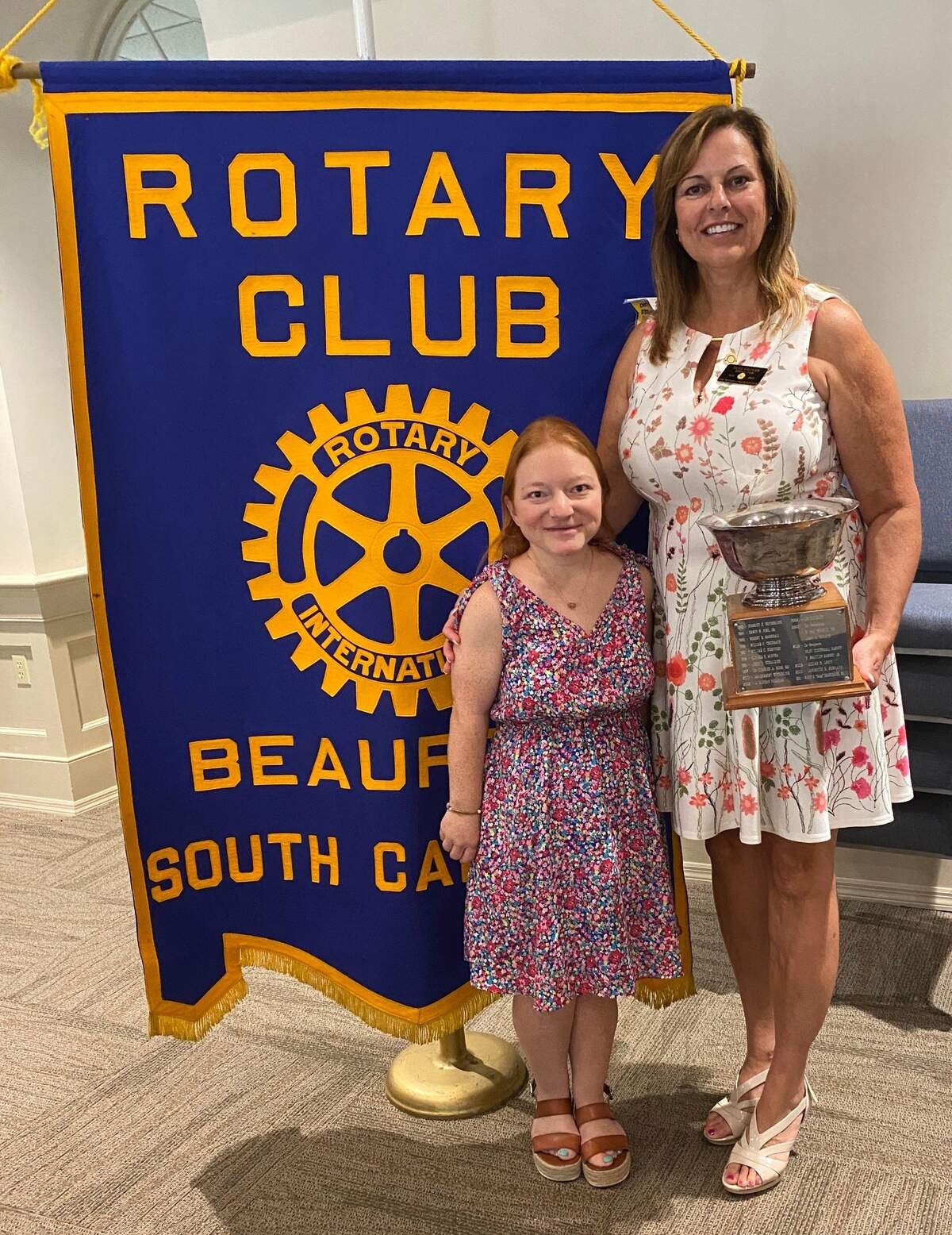
On Wednesday, both women, who are now friends, attended a meeting of the Rotary Club of Beaufort. They thought they were there to tell the story. To their surprise, Oliver was awarded the Rotary Club of Beaufort’s highest honor, the Rotary Bowl, for her selflessness in giving her kidney to Welsh.
Besides being strangers, Oliver, 52 at the time of the surgery, and Welsh, who was 26, were not the best match on paper.
Doctors told Welsh they would rather wait for a younger donor, to increase the chances that Welsh’s body would accept the kidney. But potential donors fell through, and Welsh was tired of waiting. Oliver was healthy and passed all the tests. Welsh took her own leap of faith.
“I was ready to take the chance,” she said.
Just 12 days before the surgery, Welsh and Oliver, who was living in Bluffton then, met for the first time in Savannah.
Would her body accept the kidney?
The transplant, which took 90 minutes, was performed at Piedmont Transplant Institute in Atlanta on Feb. 13, 2019, sixth months after Oliver first reached out to Welsh on Facebook, and the day before National Donor Day.
In the end, Welsh made the right decision to accept Oliver’s kidney, even if Oliver was twice her age.
Before surgery, the level of creatinine in Welsh’s kidneys measured 12, which is dangerously high.
Elevated levels of creatinine, a waste product that comes from the normal wear and tear on muscles, signify impaired kidney function or disease.
Immediately after surgery, Welsh’s creatinine levels were 1, which is within the normal range.
“It worked immediately,” Welsh said.
Doctors marveled.
Since the transplant, Oliver and Welsh, who is about the same age as Oliver’s children, have developed a friendship. They get together to celebrate the transplant anniversary and for birthdays. They’ve gone boating and shopping together.
“I plan on being a part of her life forever,” Oliver says.
That Oliver and Welsh connected in the first place was fortuitous.
At a previous job, Welsh’s aunt Sally was Oliver’s supervisor, and they were Facebook friends. Aunt Sally shared Welsh’s post about her need for a kidney, and Oliver saw it.
But Oliver still did not realize until much later that Welsh was her old boss’ niece.
Oliver, a former president of the Rotary Club of Beaufort, is the 54th recipient of the club’s Bowl award, which was first given in 1936.
The high honor is not presented every year, only when members believe they have a candidate who has shown significant selfless service.
Nationwide, 121,678 people are waiting for lifesaving organ transplants, and 100,791 of those are awaiting kidney transplants, according to the National Kidney Foundation.
The median wait time for an individual’s first kidney transplant is 3.6 years and can vary depending on health, compatibility and availability of organs.
Oliver, a Delmar, N.Y., native who moved to South Carolina 12 years ago, works for Homestead Hospice in Beaufort.
She hopes that her positive experience will inspire others to donate an organ.
Being a nurse, Oliver knew that she could live with just one kidney. The second just takes over.
There are risks. Death in surgery is always a possibility. And the donated kidney might not survive in the person who receives it. Donors need to be mentally prepared for that, Oliver said.
“I had complete faith in my body, as well as in the surgeons who were taking care of us,” Oliver said.
The only lifestyle change Oliver has made since the surgery is she no longer takes the pain reliever Ibuprofen for osteoarthritis in her neck and lower back. And she sold her motorcycle to avoid the chance of an accident that could take her one remaining kidney.
Welsh, who was born eight weeks premature and weighed only 3 pounds at birth, found out in an eighth grade physical that she had kidney disease.
For five years, between 2014 and 2019, she endured three rounds of dialysis a day, each one 30 minutes long, to remove impurities that her failing kidneys would not — once before school, once after and once before bed.
Dialysis treatments continued through college and student teaching, but the regiment is demanding, and scary at times. That’s why she lived at home.
“I would do anything not to do dialysis again,” a grateful Welsh says.
After surgery, she bought a condo and moved out. That’s one of the biggest changes post-surgery. She laughs when she notes that she won’t have to live with her parents for the rest of her life.
Before, eating too much food with protein was a no-no. So was processed food, and eating out.
Today, if Welsh wants, she can sink her teeth into a hamburger, or even a steak.
This story was originally published June 27, 2021 at 6:00 AM.