
Two Beaufort County families found each other while battling this crippling illness
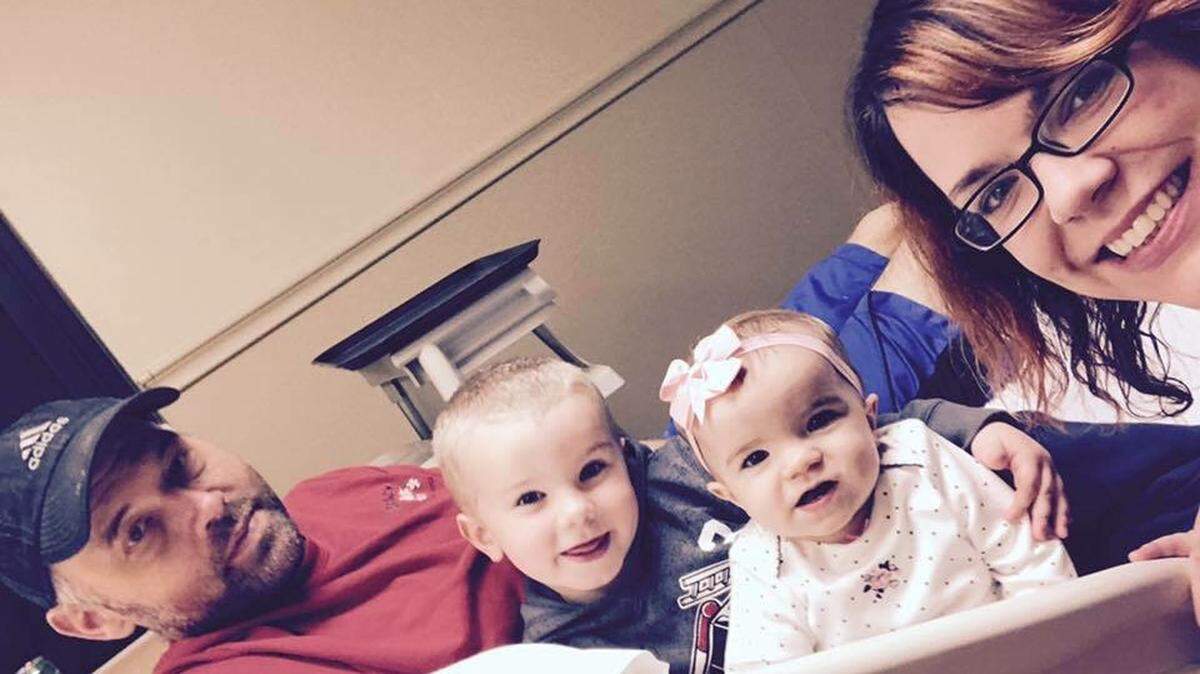
In September, after getting his hopes up again only to suffer another letdown, Dave Albany was done.
“I just wanted to lock myself in my room and give up,” he said recently.
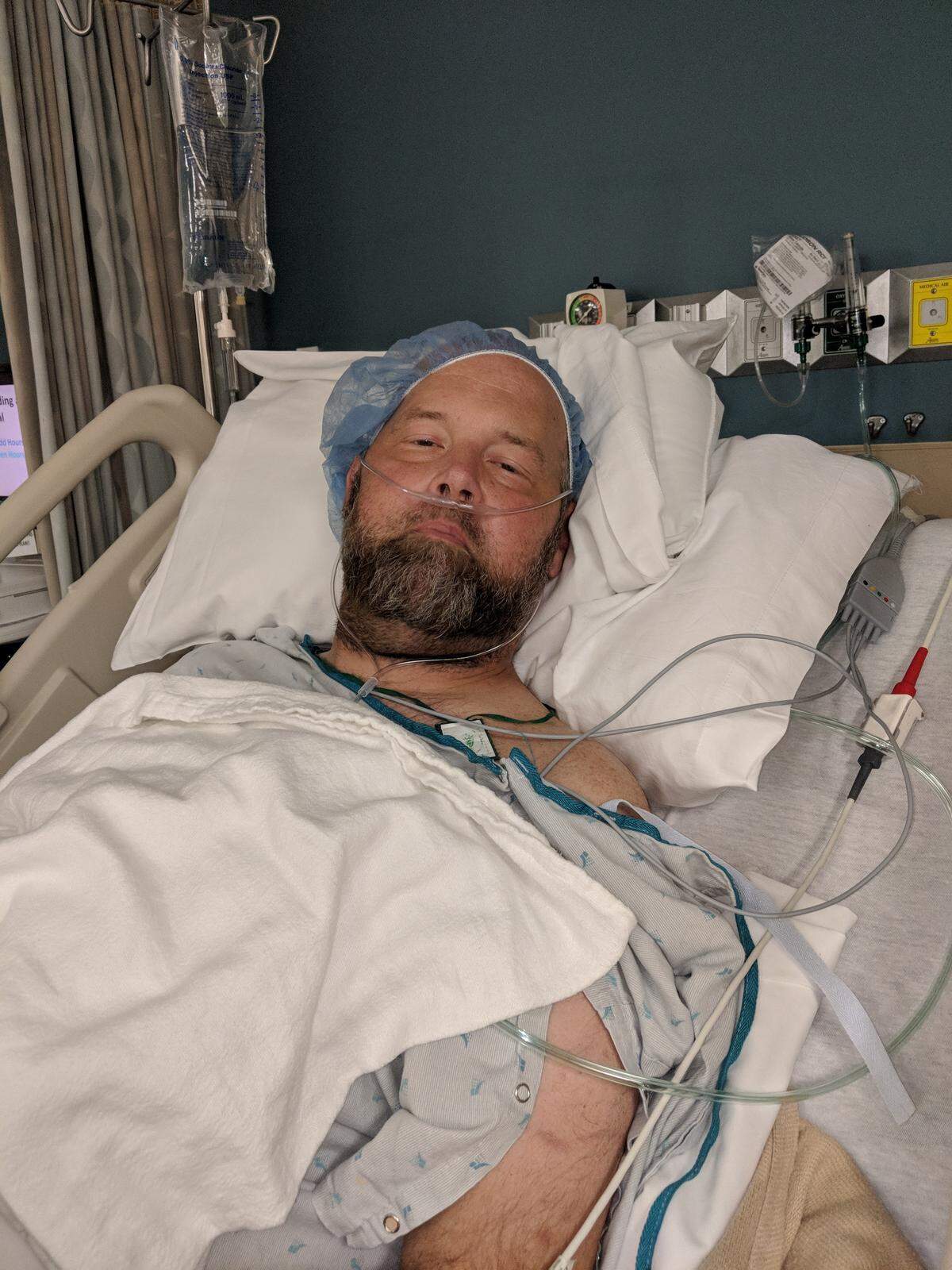
It was the second time in three months the promise of a new kidney fell through — this time, one from a deceased donor didn’t pan out. In June, one from a living donor was in the works, but that person changed her mind at the last minute.
So Dave was, once more, waiting.
Sinking deeper into depression.
Watching his family reel.
His wife, Michelle, would have to continue to perform “breath checks,” awakening multiple times at night to hover near his face, waking him up when she couldn’t feel him exhale, holding her breath until he did.
“Until (the doctors) got his meds right, he was literally a walking stroke victim,” she said.
Dave would continue to self-administer peritoneal dialysis treatments at his Bluffton home, struggling to find the right amount of solution to pump through his body — to rid it of the waste and toxins left by his failed kidneys — gaining pound after pound of fluid, the added weight worsening his chronic pain and darkening his mood.
Michelle would continue to eat dinners with 2-year-old daughter Norah and 4-year-old son Aidan while Dave rested in his room, often unable to summon the energy to shuffle to the table on swollen feet that would begin to resemble, in his words, those of an elephant.
Something had to change.
So, in September, the couple made a tough decision, one that thousands in South Carolina and across the U.S. in need of life-saving transplants have had to entertain.
Their journey is an intimate portrait of the lengths families go to to save a loved one.
And it’s an intense eduction about kidney failure, obstacles that complicate transplants and all the things most people with healthy organs never think about when driving past a dialysis center.
It’s a journey the Albanys are still recovering from.
It’s one the Fields family, of Beaufort, is just beginning.
The transplant list
Aaron Fields plays the saxophone — alto, tenor and bass, all of them.
His 12-year-old son, Dee, is learning the clarinet.
“It’s obvious that (Aaron) works with Dee before a recital, helping him figure out the notes,” said Debbie Hamner, a music teacher at Bridges Preparatory School in Beaufort.
And Aaron volunteers with the school’s music classes, moving equipment around, working with the saxophonists, helping in any way he can.
“Aaron could be in the hospital one day and back at rehearsal the next,” Hamner said, “and that wasn’t unusual at all.”
His kidneys, he and wife Denise say, are functioning at just 14 percent of their capacity.
According to the U.S. Department of Health, the kidneys remove waste, excess water and acids from the body. Poorly functioning kidneys can lead to, among other things, dangerously high blood pressure — the kind that made Aaron’s vision blur and, ultimately, caused blindness his right eye.
Aaron traces his kidney problems to his childhood — the 33-year-old has suffered from diabetes since he was 11.
In October, after six-plus months of going through the application process and health screenings, he was added to the donor list through the Medical University of South Carolina in Charleston, according to documentation he shared with The Island Packet and The Beaufort Gazette.
As of December, there are 963 candidates on the transplant waiting list in South Carolina, according to the U.S. Department of Health and Human Services. Kidneys are by far the most-needed organ; there are only 48 people waiting for livers, the next highest needed organ.
South Carolina’s numbers reflect those nationally: More than 95,000 candidates await kidneys across the U.S., according to the department’s data.
But more troubling is the national shortage of organs: The yearly number of people on organ transplant lists has increased almost five-fold between 1991 and 2018’s 114,000-plus, while the numbers of available donors and transplants — around 16,000 and 33,000, respectively, in 2018 — have risen much more slowly, according to the department’s data.
And it can take a long time to get a kidney — five years for some people, according to the American Kidney Fund.
Which means, for Aaron, dialysis looms.
Four kidneys
Dave has seen people die during dialysis.
The 38-year-old said he watched as a friend’s “heart exploded” during treatment at a medical center in Virginia, where he lived before moving to South Carolina.
That was sometime before Dave’s first kidney transplant in 2004 — before that donated organ would, 10 years later, fail.
“I have four kidneys in me now,” he recently said — old kidneys are typically left in the body unless they are causing complications, according to the Mayo Clinic.
He has knots on his arms from all the times he’s been stuck with large dialysis needles.
Typically stoic, he grimaces when recalling how his body cramped and convulsed during treatments.
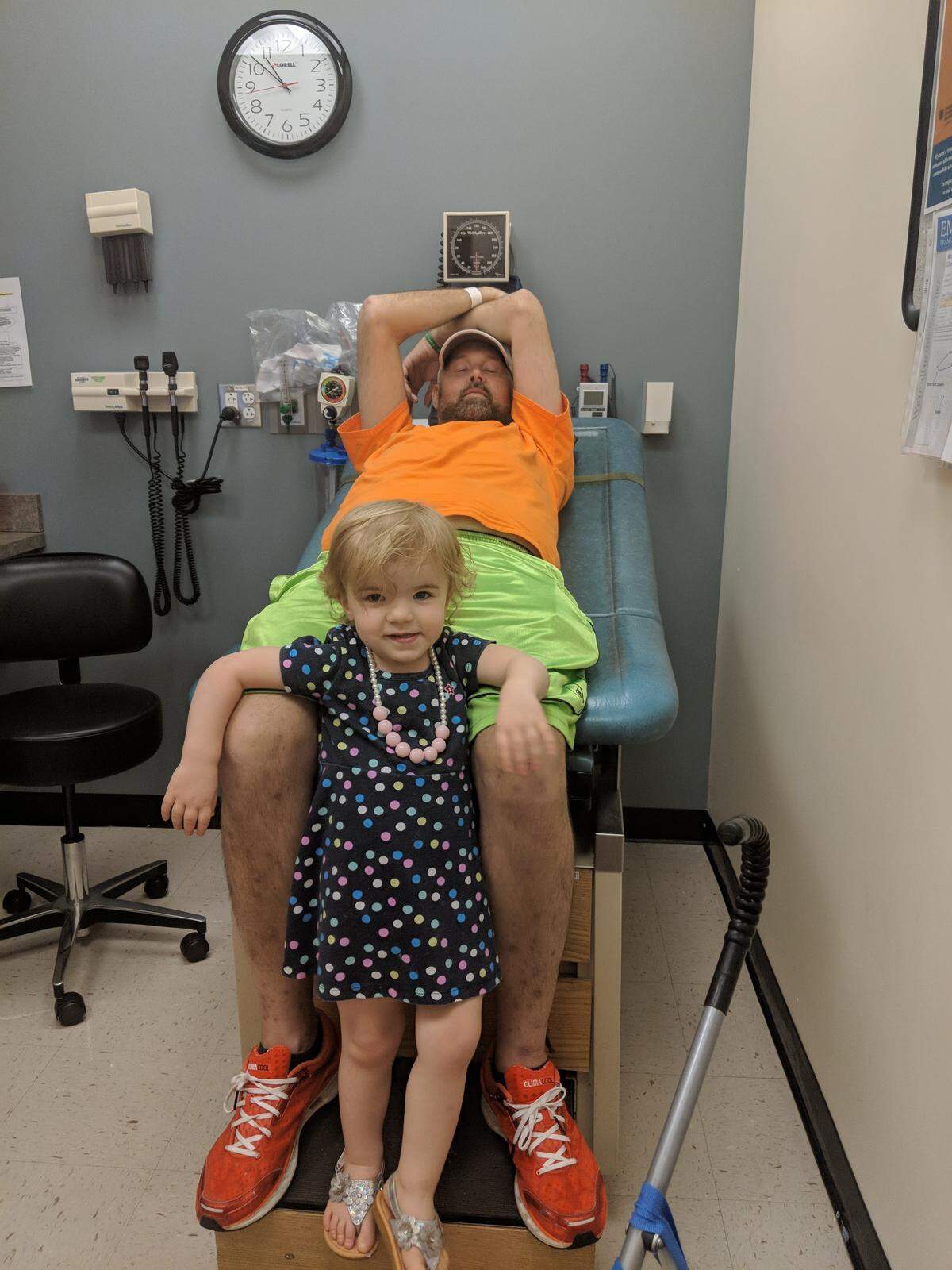
His first donated kidney started to fail around the time he and Michelle got married and had Aidan. Earlier, when they were dating, Michelle joked that she’d give up a kidney if she needed to. But later, in 2014, that was a touchier subject: They worried about problems that could arise during surgery — they worried about orphaning their son.
In September 2018, they carried the same fears, but Dave’s quality of life — their family’s quality of life — caused them to reconsider.
Michelle applied to be a donor, agreeing to a “kidney swap” program that would place her in a chain of donors and recipients who would be matched by doctors across the country looking to save patients’ lives.
It was an option they’d recently discovered, one that differs from the traditional, direct person-to-person transplants between, for instance, family members.
Similar options can be found through the National Kidney Foundation, the National Kidney Registry, the Alliance for Paired Kidney Donation, the United Network for Organ Sharing and MUSC’s Living Donor Program.
The week before Thanksgiving, the Albanys got a call from their doctors at MUSC.
Several matches had been arranged.
They would have surgery before Christmas.
Christmas lights
“All I know is that mine came from Utah,” Dave said, speaking of the kidney he received on Dec. 11.
“Mine went to Indiana,” Michelle said.
The couple was part of a seven-kidney swap, and both were discharged from MUSC before Christmas.
Dave’s health improved dramatically. So did his mood.
During the holidays, he asked his kids if they wanted to make hot chocolate and drive around to see Christmas lights. They built gingerbread houses and had an icing fight. He brought Michelle coffee in bed.
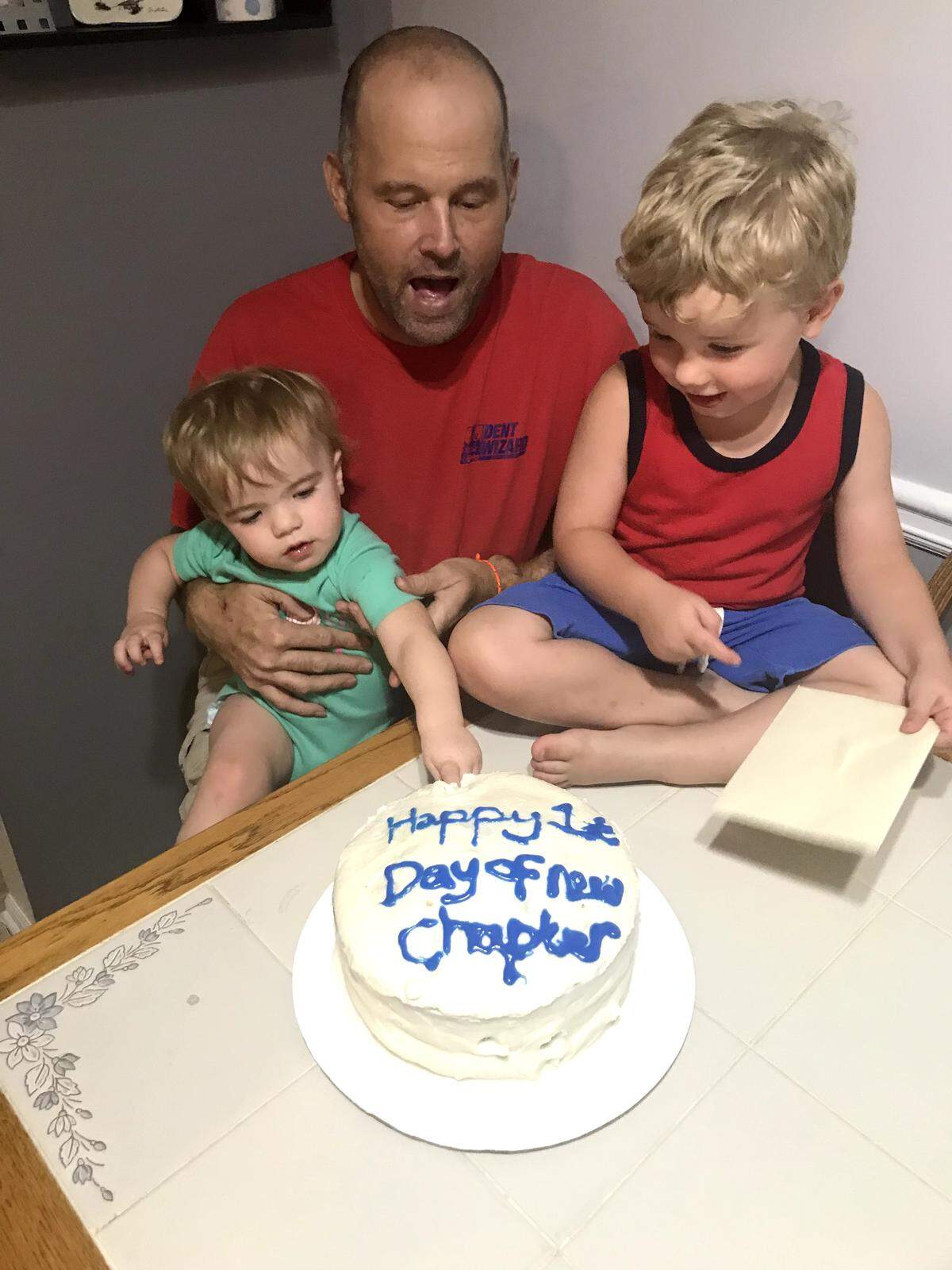
Back in September, when a previous donor fell through, Michelle had posted a request for prayers for her family on Facebook and had been surprised to hear from Denise Fields.
The two have kept in touch intermittently, two Lowcountry families who, in Denise’s words, have been brought to a standstill by kidney failure.
The Albany family know what awaits the Field family.
Denise has created a Facebook page searching for donors for Aaron. And that Facebook page — “Kidney for Aaron Fields” — is plastered on large stickers affixed to the sides of their car.
Aaron, a reserved man, “doesn’t like all the attention,” Denise said, but finds himself answering the usual question: “Have you found a donor yet?”
And while friends have expressed interest in giving him a kidney, some have shied away from being indirect donors in swap programs.
“You get angry, you get upset,” Denise said. “But you can’t really blame somebody, because it’s asking a lot. I guess it hurts more than anything.”
In her bedroom, she keeps a yellow sheet from MUSC — instructions for people on the transplant waiting list.
It tells them to be ready at a moment’s notice, because an organ can suddenly become available.
“How Long Will I Wait?” reads a sentence on the sheet.
“(We don’t know!)“ reads another.
This story was originally published December 28, 2018 at 5:06 PM.