
Coronavirus omicron updates: Here’s what to know in South Carolina on Jan. 7
We’re tracking the most up-to-date information about the coronavirus and vaccines in South Carolina. Check back for updates.
Over 9,300 new COVID cases reported in SC
At least 826,703 people have tested positive for the coronavirus and 12,743 have died in South Carolina since March 2020, according to state health officials.
The S.C. Department of Health and Environmental Control on Friday, Jan. 7, reported 9,376 new COVID-19 cases and five coronavirus-related deaths. There were also 3,620 probable cases and one probable death.
The omicron variant accounted for 72% of coronavirus strains identified in South Carolina during the week that ended Dec. 25. The delta variant accounted for roughly 26%, according to data from the state health department.
At least 1,566 people in the state were reported hospitalized with COVID-19 as of Jan. 7, including 275 patients being treated in intensive care units and 132 on ventilators. Nearly 17% of hospitalizations in South Carolina are coronavirus-related, data shows.
As of Jan. 7, roughly 29% of COVID-19 tests were reported positive. The Centers for Disease Control and Prevention has said 5% or lower means there is a low level of community spread.
About 52% of South Carolinians eligible to receive a coronavirus vaccine are fully vaccinated, and nearly 61% have received at least one dose.
Watch for these symptoms of the omicron variant, Lowcountry doctor says
A runny nose, sore throat and cough are early signs of a possible infection with the omicron coronavirus variant, according one Lowcountry physician.
Dr. Faith Polkey, interim chief medical officer at Beaufort Jasper Hampton Comprehensive Health Services, said patients can experience a combination of these symptoms, including nasal congestion, she told The Island Packet.
The highly contagious variant is believed to infect cells in the upper respiratory system more easily than those in the lungs she said.
“People have definitely talked about more mucus production,” Polkey said. “It’s kind of the postnasal drip. ‘I got a little sore throat.’ It makes you think that your allergies are acting up.”
Other symptoms include night sweats and gastrointestinal issues.
For more on symptoms of the coronavirus variant, read the full story here.
Risk for diabetes rises for kids under 18 after catching COVID: CDC
Children under 18 are more likely to be diagnosed with diabetes after they contract COVID-19, according to a new study by the Centers for Disease Control and Prevention.
The report, released Jan. 7, analyzed data from March 2020 through June 2021, before the super contagious omicron coronavirus variant fueled a surge in new cases across the U.S., McClatchy News reported.
Researchers found that minors who’d had COVID-19 were at increased risk of receiving a diabetes diagnosis at least a month after infection. Data from IQVIA, a medical claims database, showed that children who had coronavirus were 166% more likely to be diagnosed with diabetes than children who didn’t have the virus.
“These findings are consistent with previous research demonstrating an association between (COVID-19) and diabetes in adults,” the CDC said.
Read the full story here.
Mask mandates return to Coastal Carolina University
A surge in COVID-19 cases driven by the omicron coronavirus variant has led Coastal Carolina University to reinstate its face mask mandate, The Sun News reported.
Students and staff will be required to mask up when they return to campus for the spring 2022 semester, university officials announced Jan. 6. The decision comes just weeks after the board of trustees voted to lift the requirement in mid-December when classes ended.
“Recognizing the ever-changing landscape regarding COVID can be daunting, please know that we will continue to make the decisions that are best for the university community,” university officials said in a statement. “Our students have experienced, and continue to experience, such a unique situation during this pandemic.”
Under the new guidance, everyone is required to wear a face mask indoors on CCU’s campus, with the exception of dorm rooms and dining halls. Students and staff must abide by the rules, regardless of their vaccination status.
To learn more about the university’s COVID-19 protocols, read the full story here.
Omicron surge stresses Beaufort County hospitals
The omicron coronavirus variant is putting undue stress on already pandemic-weary hospital systems in Beaufort County, according to The Island Packet.
“This is completely different than what we’ve ever seen before,” one doctor told the newspaper.
The variant is driving a surge in new COVID-19 cases in the county, causing a spike in demand for testing and treatment at hospital emergency rooms. Beaufort Memorial Hospital CEO Russell Baxley said the hospital system’s Port Royal Express Care location went from averaging 50 or 60 patients per day to 100 patients per day.
Daily ER patient volumes have also spiked 30%, he said.
Read the full story here.
SC struggling to keep up with COVID testing demand
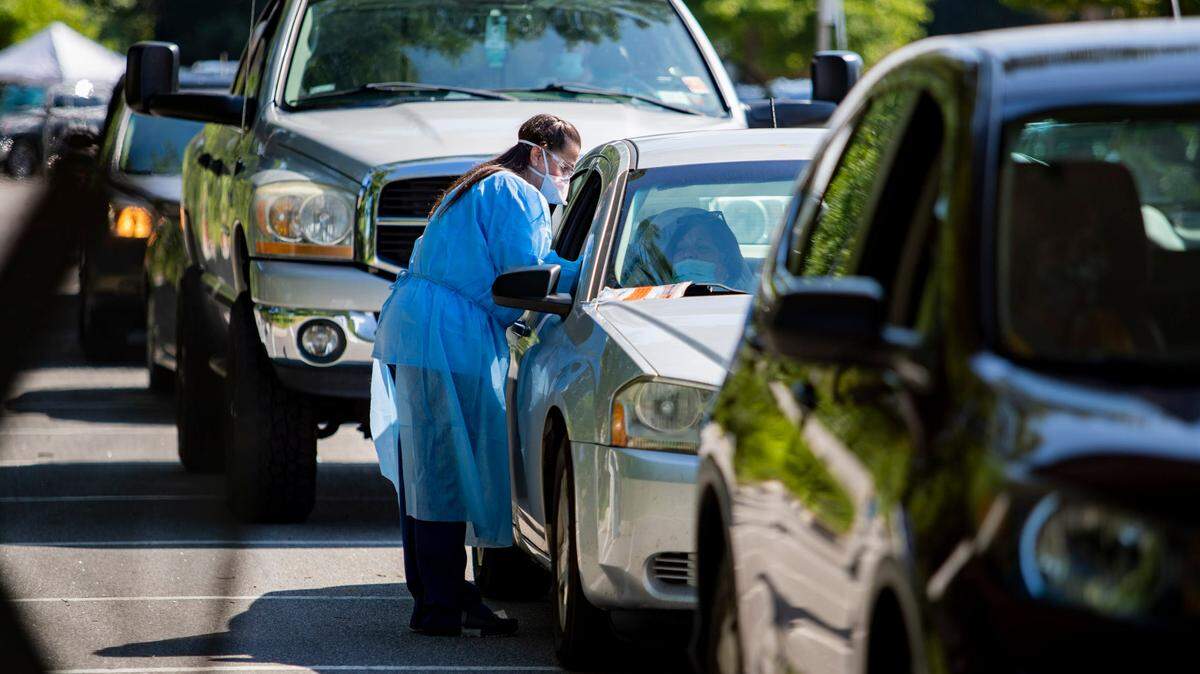
South Carolina residents seeking COVID-19 testing could be stuck waiting for hours amid a surge in demand driven by the omicron coronavirus variant, according to state health officials.
Ron Aiken, a spokesman for the South Carolina Department of Health and Environmental Control, advised people to be patient as testing sites across the state see lengthy wait times and delayed results, The State reported. Residents can expect to wait one to two hours, or longer, at certain testing locations.
It will also be a few days before you get your results, he said.
“DHEC’s public health lab and our partners continue to strive for the 72-hour turnaround, but they also have been hit hard by this surge in cases unlike anything we’ve seen before,” Aiken told The State.
“As with other health care providers, operations in laboratories are impacted by the isolation and quarantine of staff,” he added. “This comes at the same time sample volume has increased many fold.”
Read the full story here.
CDC updates guidance on boosters, Pfizer COVID vaccine
Those who rolled up their sleeves for the Pfizer-BioNTech COVID-19 vaccine can get their booster shot sooner than previously suggested, according to the Centers for Disease Control and Prevention.
In updated guidance published Jan. 4, the agency shortened the wait time for an mRNA booster from six months to five months after completing the two-shot Pfizer vaccine series. The CDC also recommends children 5 to 11 years old who are “moderately or severely immunocompromised” receive an extra dose of the vaccine at least 28 day after their second shot.
“Following the FDA’s authorizations, today’s recommendations ensure people are able to get a boost of protection in the face of Omicron and increasing cases across the country, and ensure that the most vulnerable children can get an additional dose to optimize protection against COVID-19,” CDC Director Dr. Rochelle Walensky said in a statement.
Read the full story here.
This story was originally published January 7, 2022 at 7:06 AM with the headline "Coronavirus omicron updates: Here’s what to know in South Carolina on Jan. 7."