What are COVID-19 monoclonal antibodies and where can Beaufort Co. residents get them?
Beaufort County residents are clamoring for monoclonal antibodies, a treatment for COVID-19, as local coronavirus infections continue to surge in early September.
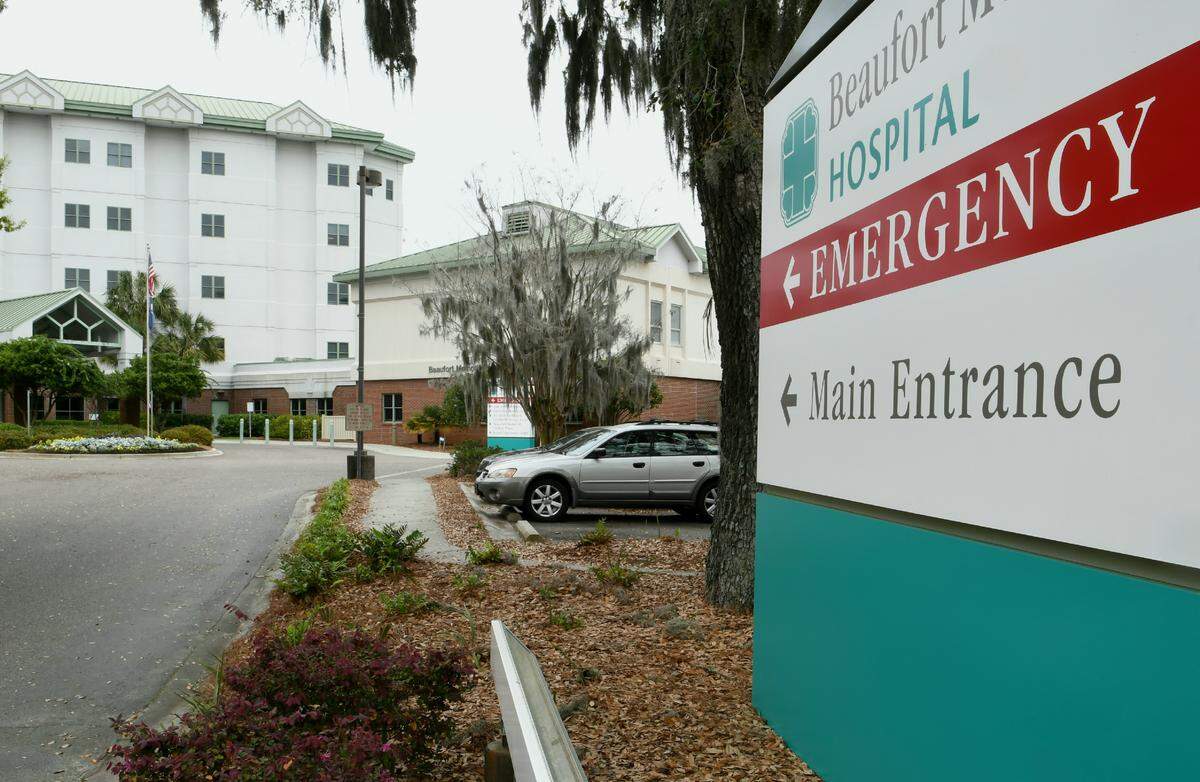
Dr. Kurt Gambla, chief medical officer at Beaufort Memorial Hospital, in an interview said the county’s largest medical center is able to perform only about 45 monoclonal antibody infusions per week, but the demand for them has recently been “through the roof.”
The hospital is sometimes getting more than 100 requests per week for the treatment, Gambla said.
But what are monoclonal antibodies? Where can you get them? And who qualifies to receive them?
Here’s a guide for residents across the Lowcountry.
Where can you get monoclonal antibodies?
Beaufort Memorial Hospital and two local dialysis centers, DaVita Bluffton and DaVita Ridgeland, have access to the treatment, according to the S.C. Department of Health and Environmental Control.
Other health care facilities in the Charleston area also have monoclonal antibodies, DHEC data show.
DHEC has an online map of providers who offer the treatment: https://bit.ly/AntibodiesSC
How do you get the treatment?
Gambla, of Beaufort Memorial Hospital, said people need a referral from a primary care physician to get treated with monoclonal antibodies at the hospital.
“We don’t take any self-referrals,” Gambla said.
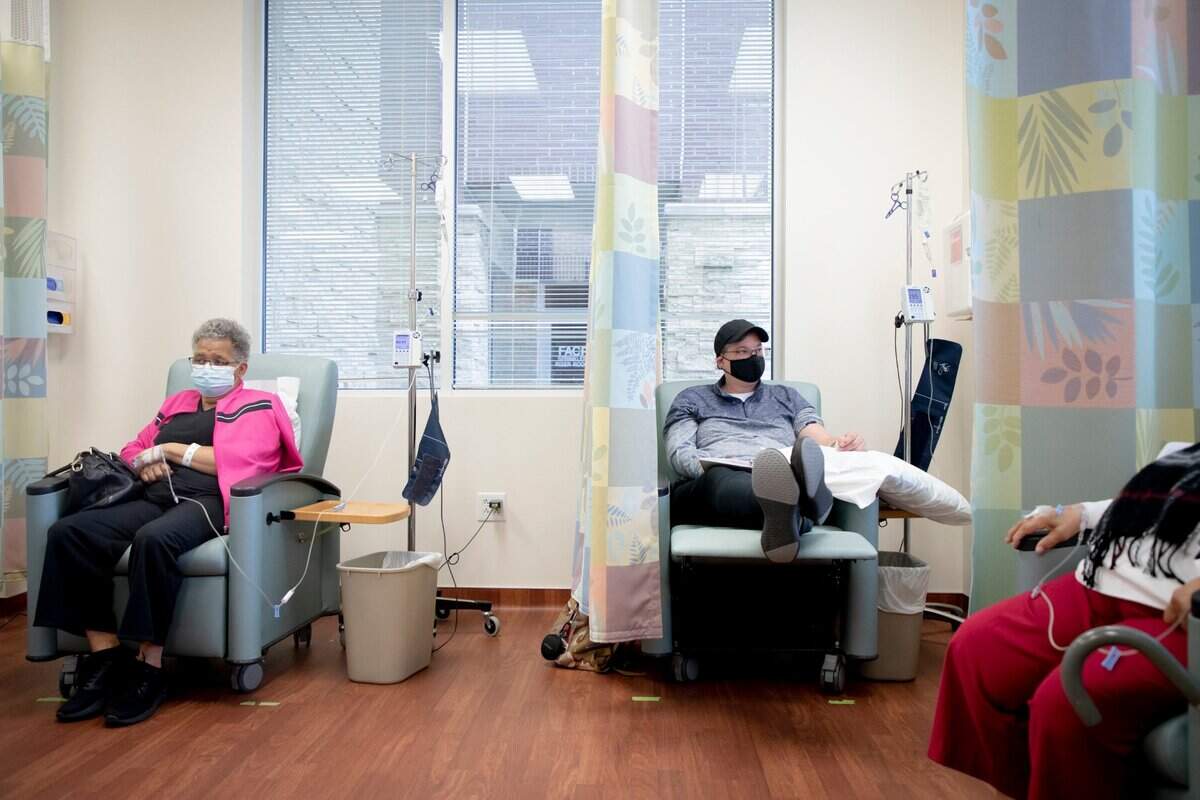
Patients who qualify for the treatment go to a quarantined, outpatient area at the hospital’s Keyserling Cancer Center at 989 Ribaut Road. The antibody infusion takes about 20 to 30 minutes, Gambla said, and patients must stick around for an hour after that so the hospital can monitor them for any severe allergic reactions.
DaVita did not respond to a request for comment.
Who qualifies for monoclonal antibodies?
Gambla stressed that only people who meet certain specifications qualify for the treatment.
The hospital uses Regeneron’s antibody cocktail, which includes the monoclonal antibodies casirivimab and imdevimab. The cocktail is authorized for emergency use.
To receive the treatment, patients must be 12 or older, weigh at least 88 pounds and be positive for COVID-19, according to federal regulators.
They also cannot be hospitalized and cannot be using oxygen therapy due to COVID-19.
Gambla added that patients must be at high risk of COVID-19 hospitalization or death to get the treatment.
What does that mean?
People who are 65 or older, obese, pregnant, have chronic kidney disease, diabetes, an immunosuppressive disease or cardiovascular disease, among other conditions, are the only ones who qualify for monoclonal antibodies, according to the Food and Drug Administration.
A complete list of qualifying health conditions can be found online here: https://bit.ly/AntibodyCriteria
Gambla also said the treatment is administered between three and 10 days after the initial onset of COVID-19 symptoms.
“This is not (for) everybody with COVID,” Gambla said.
What are monoclonal antibodies?
The Regeneron cocktail, which is administered through an IV, is designed to treat mild or moderate COVID-19 cases to limit the chances that people are hospitalized.
Former President Donald Trump, who is 75, received the cocktail last October after he contracted the coronavirus.
“Once that white blood cell turns into an antibody factory against COVID,” Gambla said, “they just clone those in a lab, they make a bunch ... and we blast that into your system.”
DHEC has estimated that, as of Wednesday, monoclonal antibodies have prevented almost 2,000 hospitalizations and about 200 deaths in South Carolina.
More than 16,000 coronavirus patients in the state have received the treatment, DHEC said.
How much do the cocktails cost?
The medication itself costs nothing to patients, Gambla said, but there is a “facility charge” for people who undergo the infusion at Beaufort Memorial Hospital.
Gambla could not immediately say how much the facility charge typically costs patients.
The U.S. Department of Health and Human Services has reported that Medicare is covering costs for infusion administration, and many large insurers are waiving all costs.
“If patients do not have insurance, they should ask the treatment facility if there are charges for receiving the infusion,” according to the department.
What has been happening in Beaufort County?
There has been a surge of interest in monoclonal antibodies among local patients, Gambla said.
The majority of people seeking the treatment are unvaccinated, he said. The uptick in demand is linked both to residents trying to self-refer themselves for infusions and more people getting referrals from physicians, Gambla said.
Roughly 80% of referrals have been coming from patients on Hilton Head Island, in Bluffton and in Okatie, he said.
“It’s a very important and very effective tool,” he said of monoclonal antibodies. “But again, the fact that you need it means that, in almost every case, you skipped the most important step. ... Our biggest weapon is the vaccine.
“Get vaccinated, and that will lower your risk of ever needing these.”
This story was originally published September 6, 2021 at 4:30 AM.