How will the Delta variant impact Beaufort Co. schools? Here’s what experts think
The coronavirus left Beaufort County schools relatively unscathed last year.
There were a few COVID-19 outbreaks, and sports teams had to quarantine off and on, but officials curbed the pathogen’s transmission thanks to mask mandates and social distancing, said Dr. Faith Polkey, chief clinical officer at Beaufort Jasper Hampton Comprehensive Health Services.
That was long before the Delta variant hit South Carolina, though.
The super-contagious variant has been linked to several spikes in pediatric COVID-19 cases around the country. And Prisma Health Children’s Hospital in Columbia has recently been at or near capacity due to the state’s Delta surge and an uptick of respiratory syncytial virus, or RSV.
Delta has been a “game-changer,” Polkey said.
What does that mean for Beaufort County schools? Will there be a wave of children testing positive for the coronavirus this fall? And what should parents know about Delta?
“Most pediatricians are predicting that we’re going to have a surge in the two to four weeks after school starts, with people coming in to get tested,” Polkey said. “That’s what makes sense. If you have a significant portion of people unvaccinated ... the virus is going to go where it can in the susceptible population.”
Kids, for the most part, have not been driving COVID-19 transmission nationwide, said Dr. Frank Esper, a pediatric infectious disease specialist at the Cleveland Clinic Children’s hospital in Ohio.
But, he said, because Delta is so transmissible, “it’s able to get over the pediatric hump and is able to cause more and more infections in children.”
“While they are much more resilient, and are not getting severely sick, they’re going to bring that virus home to other members of the family, who might be more at risk,” Esper said.
Reducing COVID-19’s spread
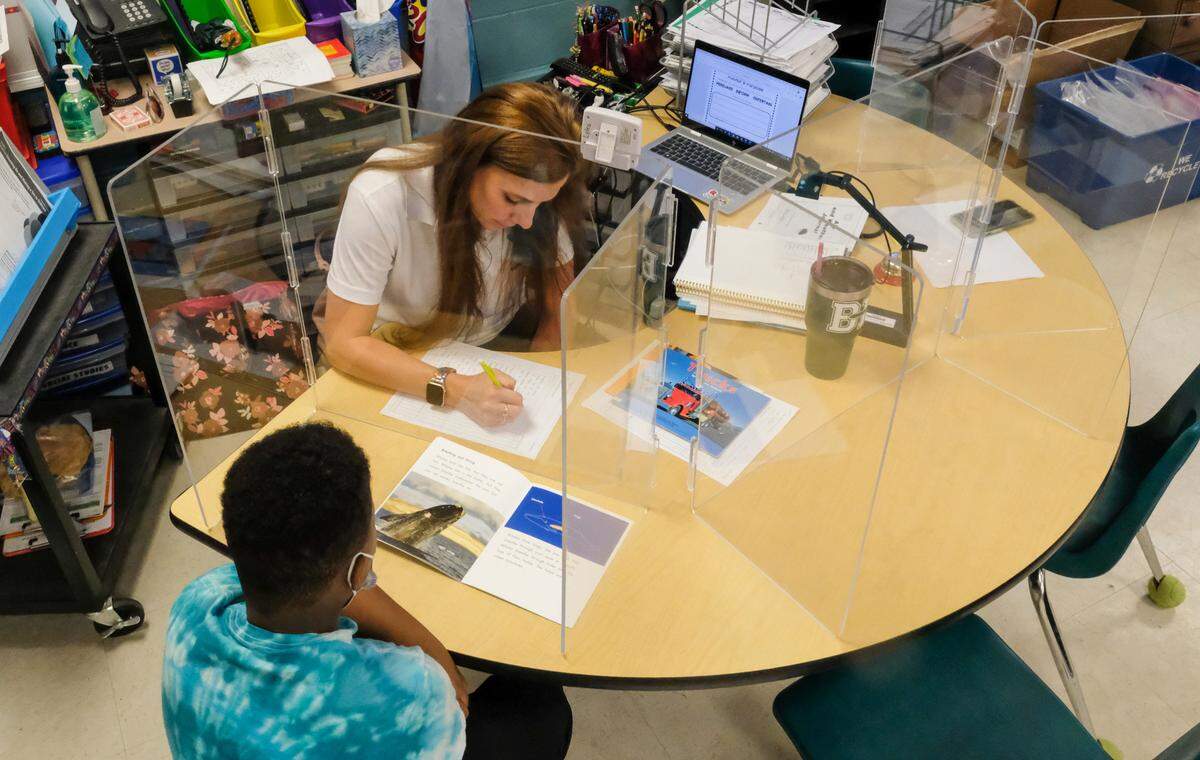
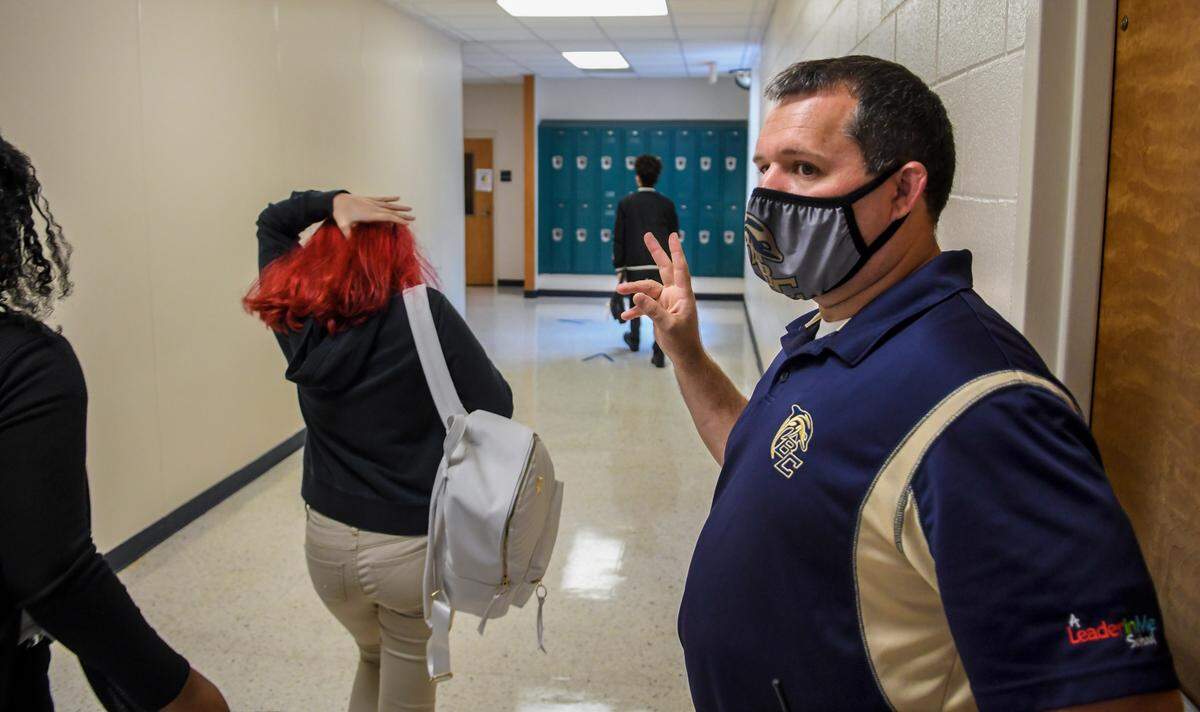
Polkey and Esper urged parents to follow the Centers for Disease Control and Prevention’s recent masking guidance.
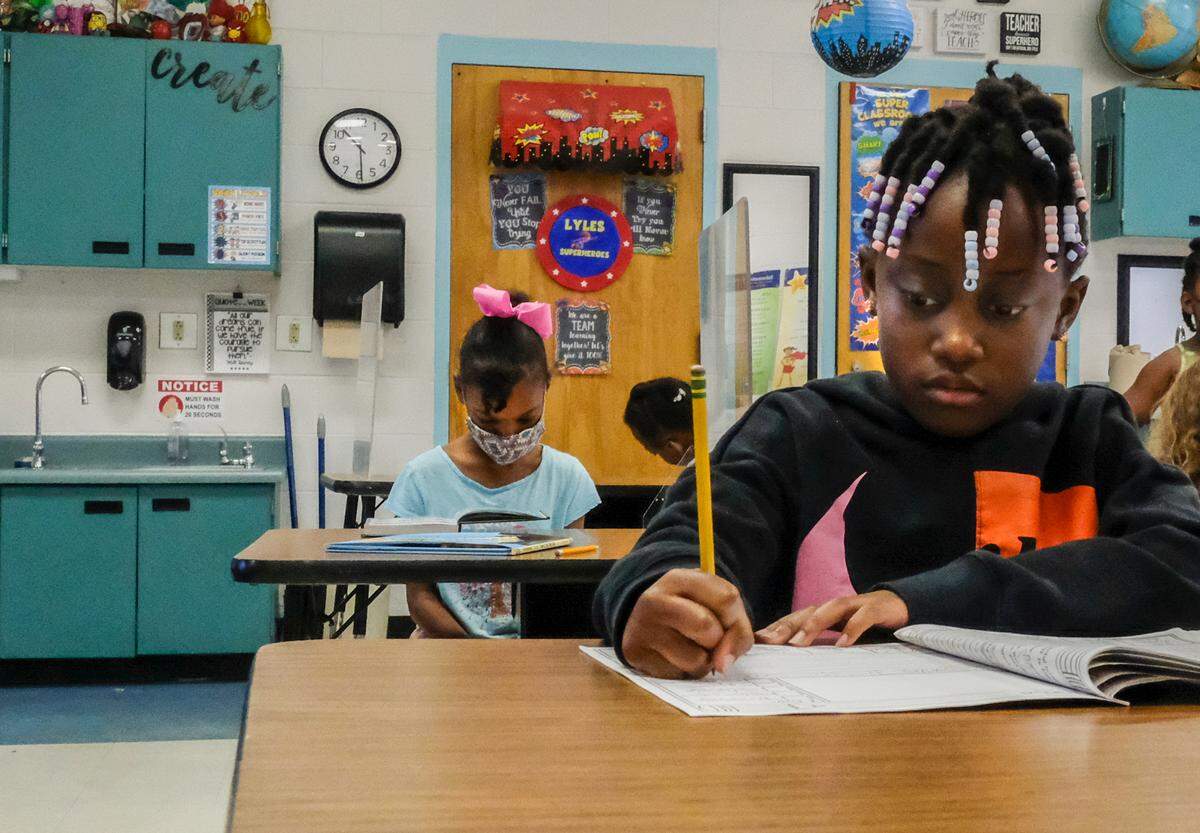
Kids, including those who are fully vaccinated, should wear masks at school, Polkey said.
Masks are particularly important for children under the age of 12, who are still ineligible for coronavirus vaccines.
The S.C. Legislature recently blocked public school districts from mandating masks. (Columbia’s mayor is trying to work around that ban and impose city-specific mask rules in schools.) In the absence of such local measures, though, Polkey suggested that parents buy high-quality masks for their children, like KN95 or N95 masks.
If those options are too expensive, she said, look for tight-fitting cloth masks.
“I think we’re going to have outbreaks regardless,” Esper said. “What we’re trying to do is minimize the damage. ... (Masking) reduces the spread. It slows it down.”
Polkey and Esper also urged parents to get vaccinated if they have yet to roll up their sleeves for a shot.
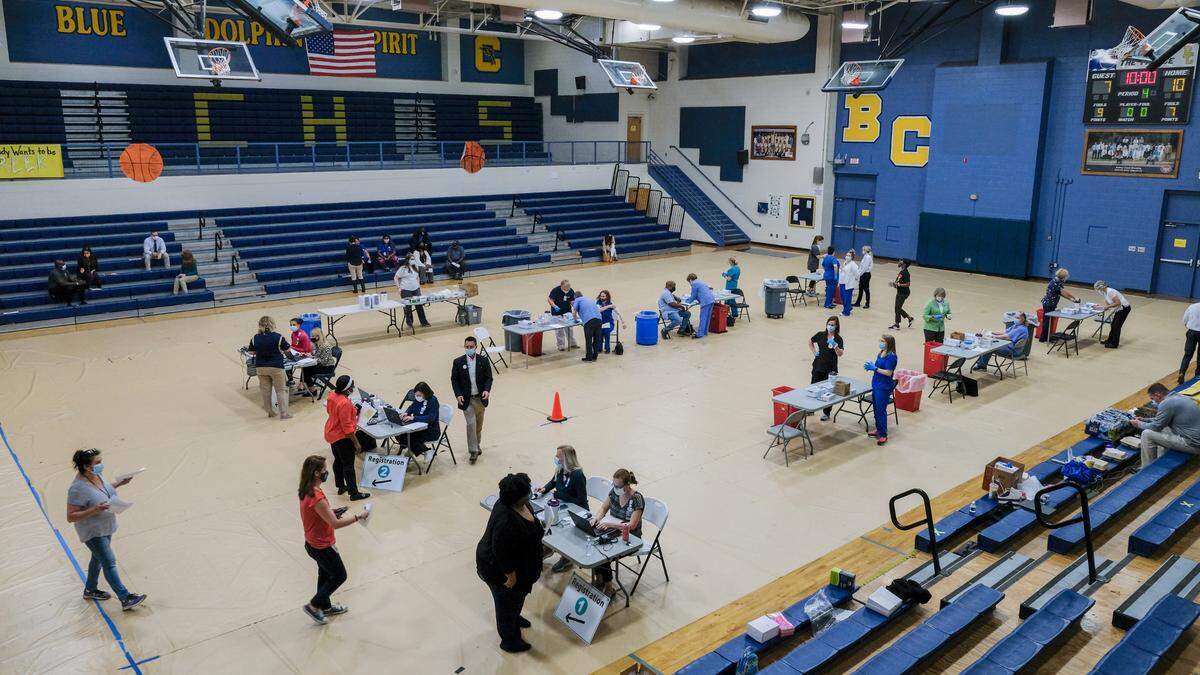
Dr. Helmut Albrecht, medical director of the Center for Infectious Diseases Research and Policy at Prisma Health and the University of South Carolina, added that health officials should now focus their efforts on inoculating more 12 to 18 year olds to help limit Delta’s transmission in classrooms this fall.
Roughly 5,030 Beaufort County teenagers 12 to 19 years old have received at least one dose of a vaccine, according to the S.C. Department of Health and Environmental Control.
At least 19,600 children in the county, meanwhile, are still ineligible for coronavirus vaccines, according to U.S. Census Bureau estimates.
Will there be a Delta surge in schools?
Albrecht on Monday predicted that significant COVID-19 outbreaks will occur in Palmetto State schools this fall, given Delta’s rapid spread.
Mitigation measures like frequent hand washing and voluntary masking are crucial, he said.
“If we don’t do that, I think we will see even more of a spike,” Albrecht said.
It’s still unclear, though, whether case trends in local K-12 schools will actually change much in comparison to last year. The risk for outbreaks is different from community to community.
Consider Israel, which has one of the highest vaccination rates in the world: 153 students and 25 staff members at a Jerusalem high school tested positive for COVID-19 in May after the building reopened for in-person learning and the school’s mask mandate was temporarily lifted due to an extreme heat wave.
“There’s no silver bullet,” said Esper, the pediatric infectious disease specialist. “If we combine a high level of vaccination, and a good acceptance of wearing masks, and all the other strategies, we put them all together, we’re going to see a really good response.”
About 43.4% of Beaufort County’s estimated population has been fully vaccinated. While that’s low, the county still has a higher inoculation rate than most other areas in South Carolina.
The county’s level of COVID-19 transmission could also serve as a bellwether for local schools. British researchers last summer found that the risk of a school outbreak in England increased 72% for every five additional cases per 100,000 people in a given community.
Beaufort County, as of Friday, had a high level of coronavirus transmission, according to the CDC.
Why are more children getting sick?
There’s still no firm evidence that Delta, or B.1.617.2, causes especially severe illness in children, experts say.
“I think it’s a numbers game,” Esper said.
The variant, which was first discovered in India late last year and is now the dominant strain in the United States, is roughly twice as transmissible as the original Wuhan strain of SARS-CoV-2, the novel coronavirus.
More children are getting sick now, Esper said, because of Delta’s infectiousness. That naturally means more kids will be admitted to hospitals with COVID-19 pneumonia.
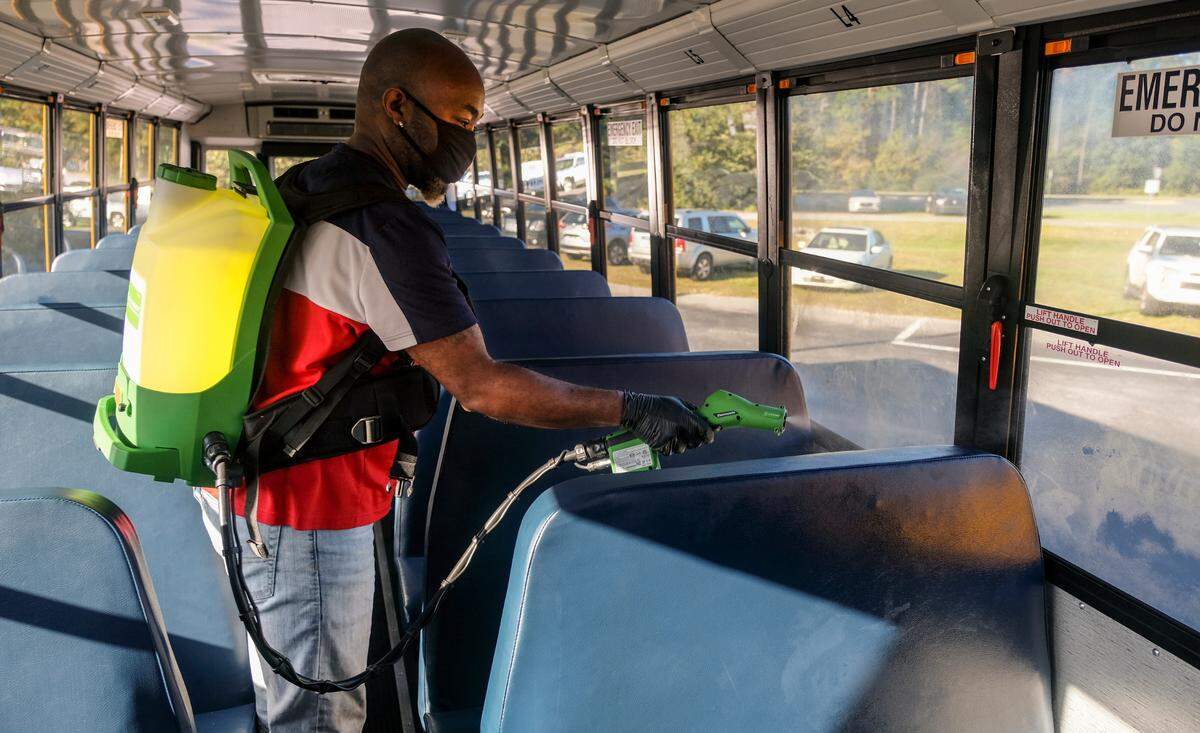
Esper, though, stressed that children generally fare better with COVID-19 than older adults, and adolescents regularly have mild or asymptomatic infections. The risk for severe disease has been minimal for kids.
Children have accounted for 14.3% of all coronavirus cases in the United States, as of July 29, according to the American Academy of Pediatrics.
But kids 17 or younger, as of Friday, represented just 0.1% of 506,479 COVID-19 deaths nationwide, according to the CDC.
In Beaufort County, DHEC has recorded zero pediatric coronavirus deaths.
(Some children also develop an inflammatory syndrome after testing positive for COVID-19, but that condition, known as MIS-C, remains rare. South Carolina has recorded 123 MIS-C cases since the pandemic began.)
Despite those numbers, Polkey and Esper emphasized that some kids may be more prone to coronavirus complications, including children with underlying health conditions like asthma.
“I don’t want any kid to get sick. I don’t want any kid to end up in the hospital or worse,” Polkey said.
What’s next?
The Beaufort County School District’s first day of classes is Aug. 16. And there’s no signs that the Delta surge is slowing down any time soon.
“School is the best place for them to learn,” Polkey said of kids. “We need to do everything, use every tool in the book, to keep them in school, and keep them in school safely.”
This story was originally published August 8, 2021 at 7:00 AM.