When will Beaufort Co. teachers, essential workers get COVID-19 vaccines? DHEC explains
Beaufort County teachers and other “frontline essential workers” will likely become eligible to get COVID-19 vaccines sometime in mid- to late March, according to Dr. Edward Simmer, the state’s top health official.
Simmer, the newly appointed director of the S.C. Department of Health and Environmental Control, told state lawmakers Tuesday that Phase 1b of South Carolina’s vaccine distribution plan will probably start in two to three weeks.
“We’re not going to let a single dose of vaccine go wasted,” Simmer told a S.C. House subcommittee. “As soon as we have open appointments, we’re going to put 1b folks in there, and that certainly includes the teachers.”
Phase 1a won’t have a hard stop date, though, Simmer said, and Lowcountry residents 65 or older will still qualify for vaccinations once Phase 1b-eligible workers begin to register for appointments.
Simmer said DHEC’s strategy is simple: For now, many seniors are struggling to find open clinics, and vaccine demand has yet to drop to a point where providers have unfilled appointments.
Once slots are available, DHEC will open vaccinations up to those in Phase 1b, he said.
“We won’t be completely done with 1a yet,” Simmer said, “but we will no longer have the press of 1a where we can give every dose of vaccine to a 1a patient.”
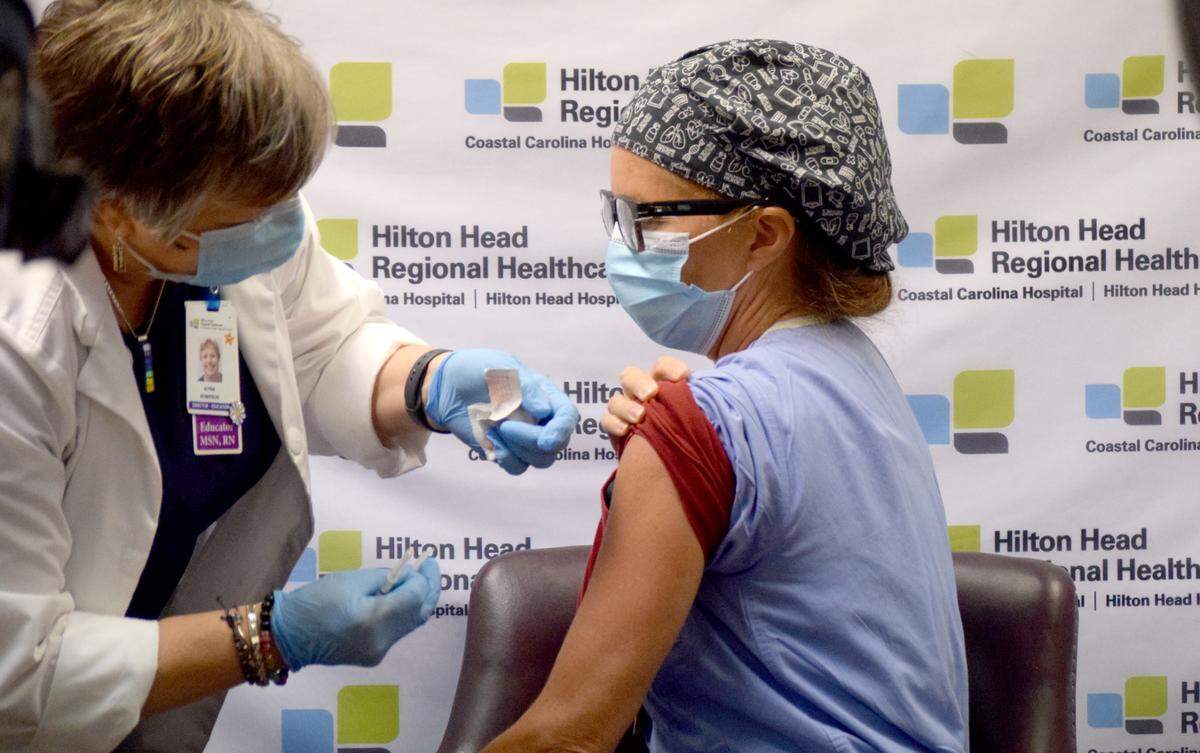
The agency is finalizing its Phase 1b plans now, said Nick Davidson, senior deputy for public health, during a briefing with reporters Friday.
Phase 1b specifics have been the subject of fierce debate for weeks in Columbia, as state Senate Majority Leader Shane Massey introduced a joint resolution that would have added teachers, school support staff and day care workers to Phase 1a.
Massey’s proposal passed through the Senate, but has since stalled in the House and may be dead.
DHEC has argued that it’s prioritizing people 65 or older now due to COVID-19’s devastating impact in that age group. Almost 82% of coronavirus deaths recorded since last March in South Carolina have been among those 65 and up, the agency reported on Feb. 3.
“If we stopped and just did teachers for a week to two weeks, and delayed our seniors by that time, we estimate that we’d have an extra over 400 hospitalizations just among seniors,” Simmer said Tuesday. “That’s a lot of people in the hospital ill, and we really want to avoid that.”
Almost 1.3 million people are included in Phase 1a, which also covers health care workers, and roughly 573,000 residents statewide will likely fall under Phase 1b, according to DHEC estimates.
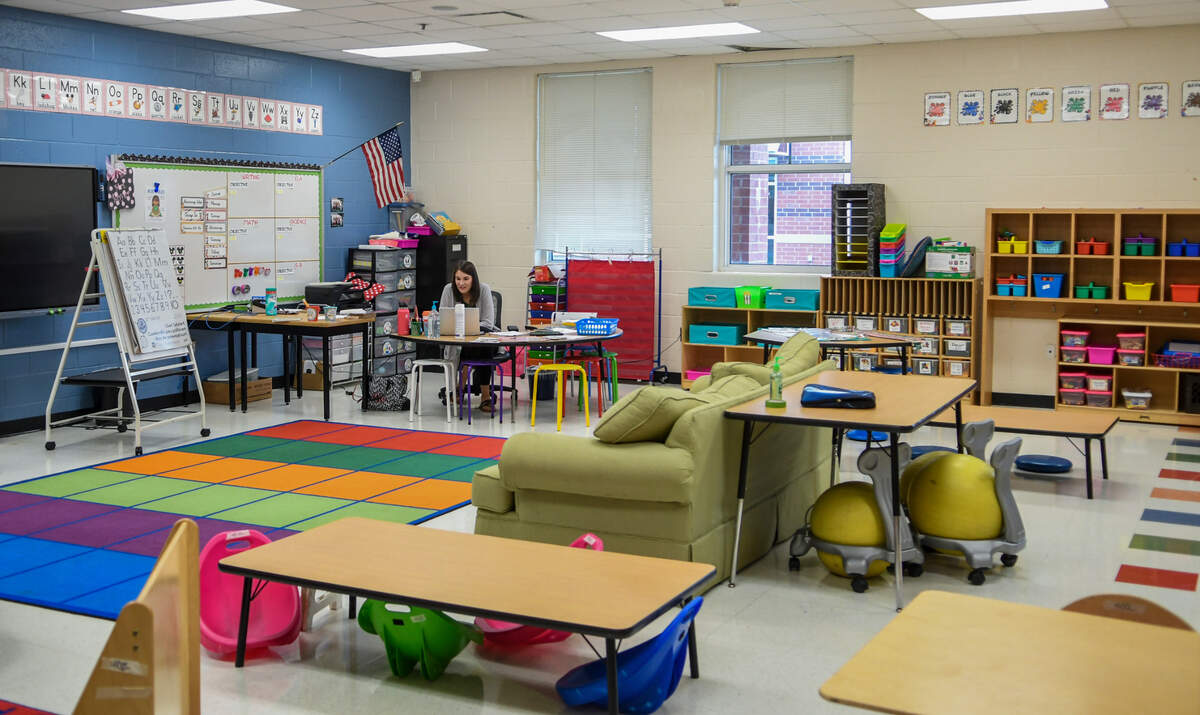
Phase 1b’s parameters have yet to be officially set, but a variety of workers in Beaufort and Jasper counties will almost certainly fall into the next stage of distribution: teachers and school support staff, day care workers, firefighters and law enforcement officers, food and agricultural workers and grocery store employees, among others.
Phase 1b members may sign for appointments like those in Phase 1a, though Beaufort Memorial Hospital’s CEO previously said he would also work with the Beaufort County School District to organize mass vaccination clinics at school sites.
DHEC is basing its Phase 1b guidance on recommendations from the federal Advisory Committee on Immunization Practices, which used a list of essential workers created by the U.S. Cybersecurity and Infrastructure Security Agency.
The state is defining frontline essential workers as those who have the highest unavoidable risk of exposure to COVID-19 due to their jobs.
The switch to Phase 1b could be buoyed by the emergency authorization of Johnson & Johnson’s single-dose vaccine candidate this weekend.
Davidson, of DHEC, said the state expects to receive 40,000 J&J doses during the company’s first week of shipments, but that number was subject to change as of Friday.
“It won’t be able to be everywhere right away,” he said of the new vaccine, but DHEC will try to distribute J&J’s product around the state.
Phase 1c, which would include people 16 to 64 years old with a range of underlying health conditions, is expected to start sometime later this spring.
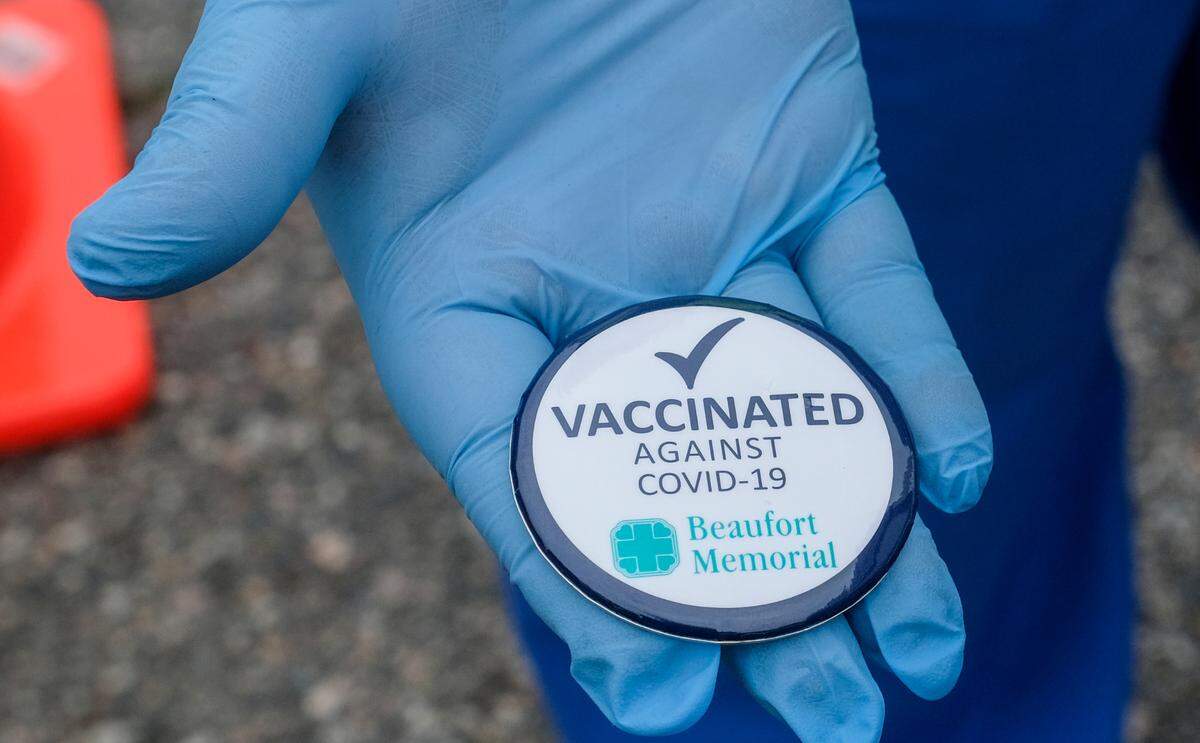
This story was originally published February 27, 2021 at 2:04 PM.