‘We are over the peak.’ Beaufort Co.’s COVID-19 case trends improve. What’s ahead?
Beaufort County’s latest surge of coronavirus cases is over.
Federal officials still classify the Lowcountry as being a “sustained hotspot” for COVID-19, but the area’s virus metrics have been steadily improving throughout February after a devastating peak in early January.
The seven-day average of new infections was 34.7 on Tuesday after hitting a high of roughly 113 on Jan. 14.
The average is now comparable to the late November levels recorded just before the holidays’ deadly wave of cases, though it’s still higher than at some points last fall.
“We are over the peak from the Christmas season, but we haven’t come back down to baseline,” said Dr. Stephen Larson, medical director for Beaufort Memorial Hospital’s emergency center.
Local disease spread in September, October and early November was lower than it is now, according to the S.C. Department of Health and Environmental Control.
Regardless, Larson and other experts are optimistic that the outbreak’s trajectory is improving, and that could spell a better spring than last year’s confusing, frightening start to the pandemic.
What happened this month?
Michael Schmidt, a microbiology and immunology professor at the Medical University of South Carolina in Charleston, said the holiday surge was predictable: people gathered indoors, traveled and visited others.
With fewer residents traveling now, it makes sense that the cases would drop off a cliff, Schmidt said.
Larson agreed.
The COVID-19 hospital admissions that he handled in January were all connected to holiday-related activities, the doctor said. Those virus hospitalizations now revolve around other gatherings.
“The admissions we see are people getting together for dinner, indoor events or a Bible study,” Larson said.
Schmidt added that other changes could have contributed to the sudden turnaround in case rates. While COVID-19 vaccinations are still far from establishing herd immunity, the virus has a harder time finding hosts as more people are inoculated, the professor said. Past infections also help limit the pathogen’s spread.
It’s unclear to what extent those two factors affected the current decline in newly confirmed cases.
Dr. Linda Bell, the state’s top epidemiologist, weighed in on the subject during a briefing with reporters Wednesday.
“There are probably several contributing factors. The first being that, when you have such a significant surge as we’ve seen here ... we know that once people are infected, we know that they have a presumed period of immunity from natural infection,” Bell said. “The virus has a harder time finding susceptible people.”
When case rates were extremely high earlier this year, Bell added, residents may have been paying more attention to various public health measures, like masking.
Recent weeks filled with “nasty weather” could have contributed to the decline, too.
“People were probably avoiding socializing,” she said.
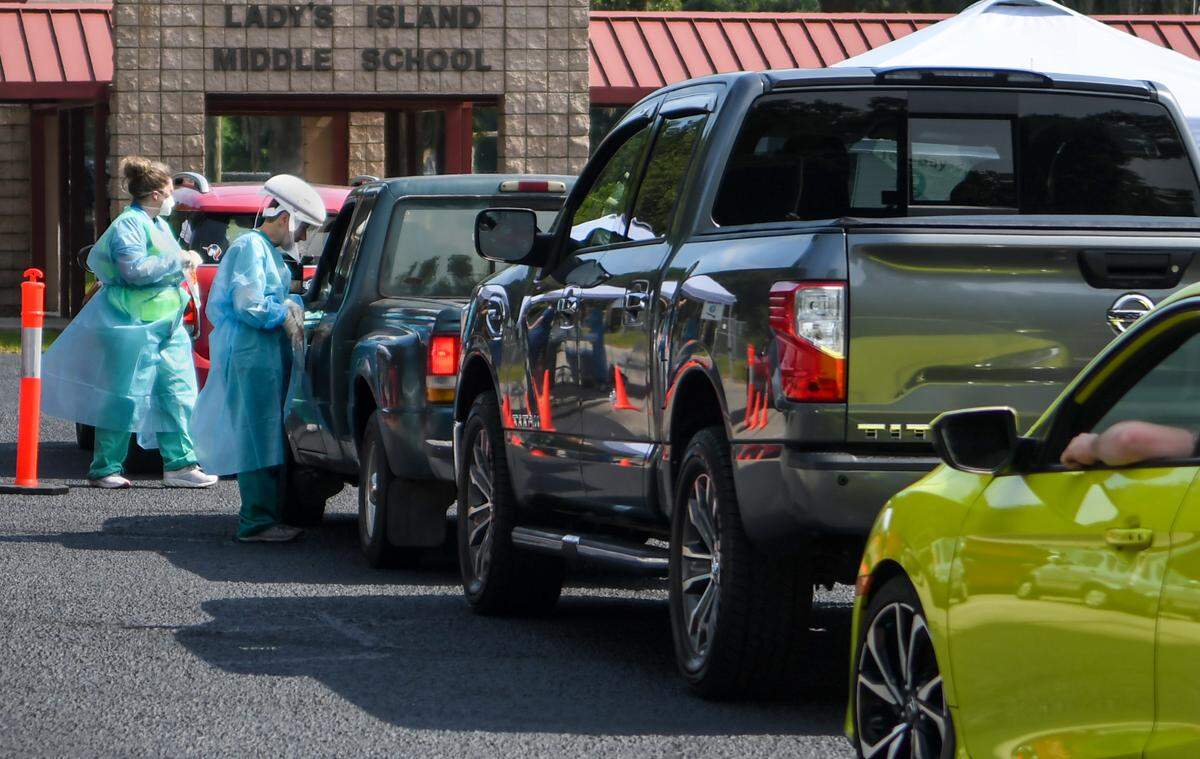
Daily case counts around the state have dropped like in Beaufort County, but South Carolina as a whole still ranks as having one of the worst outbreaks over the last week in the United States, according to The New York Times, which maintains one of the most up-to-date COVID-19 databases in the country.
What’s next?
New coronavirus variants could complicate the Lowcountry’s recovery efforts, Larson said.
South Carolina late last month confirmed two such variants in the state, B.1.1.7 and B.1.351. Both formed as the coronavirus naturally mutated over time.
B.1.1.7, first identified in the United Kingdom last year, is more transmissible and probably deadlier than the original SARS-CoV-2 strain, according to U.K. scientists.
B.1.351 was first discovered in South Africa four months ago and could be harder to control with COVID-19 vaccines.
DHEC has reported 21 cases of B.1.351 in the state, including five such infections in the Lowcountry public health region (which includes 11 counties and stretches between Calhoun and Charleston counties).
Three B.1.1.7 cases have been confirmed, according to DHEC data, including two in the Lowcountry region.
If the variants do rapidly circulate around Beaufort County, that level of spread might consistently remain at a higher level, Larson said.
Doubling down on existing precautions, including masking and social distancing, is key to preventing future spikes, both Larson and Schmidt said.
Warmer weather this spring will help the cause, Larson added, as people go outdoors more. Residents should be cautious, including on St. Patrick’s Day, he said.
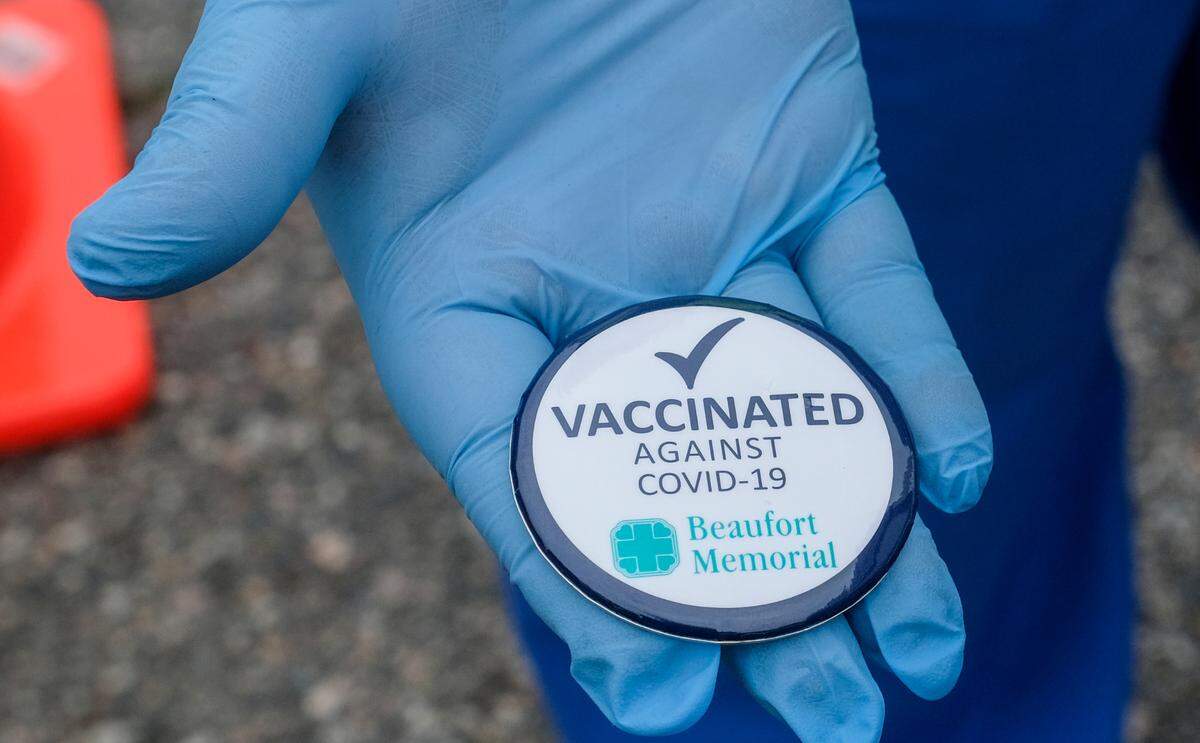
The nation’s vaccine rollout is also expected to accelerate in March and April, with President Joe Biden suggesting that all Americans who want to get inoculated will be able to do so by the end of July.
Schmidt pointed to S.C. flu data this year as proof that once COVID-19 vaccines are available to the majority of residents, the coronavirus’ transmission will plummet.
The state’s influenza rates this winter show that widespread mask use, social distancing and an effective vaccine can significantly slow a virus’ spread, the professor said.
South Carolina as of Feb. 13 had recorded only 89 influenza cases during the 2020-21 flu season, according to DHEC data.
The state had reported 4,190 such cases by that point last year.
This story was originally published February 25, 2021 at 1:15 PM.