Only 32% of people reached by SC’s COVID-19 contact monitors agree to symptom checks
Only 32% of people reached by state COVID-19 contact monitors in South Carolina since February have agreed to participate in “ongoing” symptom monitoring for the duration of their quarantine period, according to a state official and data current as of Dec. 7.
The data seem to reflect a challenge for S.C. public health officials who are trying to mitigate the rapid spread of COVID-19.
In a statement Thursday, though, DHEC downplayed the low percentage.
“Declining to participate in ongoing symptom monitoring does not necessarily mean that someone has refused to speak with a contact monitor when called,” wrote spokeswoman Laura Renwick. “A number of individuals, when contacted, do agree to answer initial questions and receive quarantine guidance from contact monitors, but may decline ongoing monitoring for various reasons.”
Contact monitors alert people to COVID-19 exposure, advise them on quarantine matters and are key to “preventing further spread” of the contagious pathogen, Renwick wrote.
It’s unclear how many people have outright refused to speak with DHEC’s coronavirus monitors or were unreachable, based on the state agency’s Thursday description of the data, which The Island Packet and Beaufort Gazette obtained via a public records request.
The data, current as of Dec. 7, show that DHEC contact monitors were able to reach 111,910 people statewide since Feb. 1, but only 35,821 agreed to enroll in ongoing symptom monitoring. The newspapers filed another public records request Thursday seeking data on the specific number of contacts who were completely unreachable and those who refused to speak with monitors.
“In a normal outbreak, you’d hope for closer to 100% (consent),” said Kathleen Cartmell, a public health professor at Clemson University. “But, you know, we haven’t had an outbreak in a long time where you have 110,000 contacts, so I can imagine the manual labor that’s required to try and carry out the contact tracing. ... If you’ve got people who won’t talk with you, and you’ve already tried to contact them, how much resources do you have available to keep pushing?”
Here’s how the process works: After a case investigator speaks with someone who tested positive for COVID-19, if that person provides information about their close contacts, a DHEC contact monitor calls those people to advise them of a possible coronavirus exposure. The monitors also sometimes send emails or letters upon request.
The monitors don’t reveal the identities of COVID-19 patients. Privacy is a “core principle upon which contact tracing is built,” Renwick wrote.
“Because the virus can be transmitted without causing symptoms, notifying people about a possible exposure is critical,” she wrote.
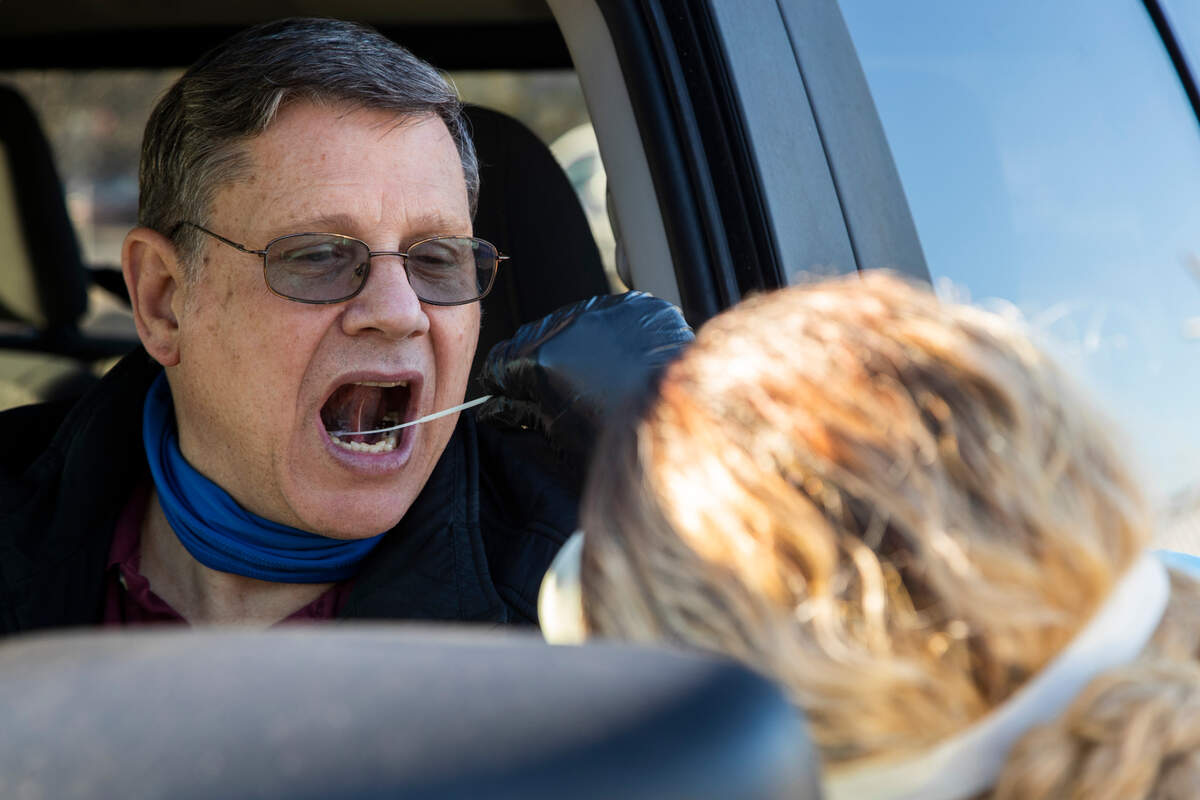
‘People don’t pick up the phone’
Contact tracing hesitancy isn’t unique to South Carolina. News articles around the country have documented how some residents are wary of answering phone calls from unknown numbers or are concerned about disclosing personal information to health officials.
“Maybe half of the people don’t even want to talk to one who they think is a government representative,” Dr. Anthony Fauci, the nation’s top infectious disease expert, said during a news conference in June. “You can identify a contact, but you don’t isolate them. … That is what’s not working.”
A few states including New Jersey have published data online showing that some people are unreachable or that many COVID-19 patients simply refuse to provide contact information for others. (DHEC does not post this information on its website.)
New Jersey Gov. Phil Murphy in a Dec. 7 tweet bemoaned his state’s statistics: “The rate of non-cooperation is now up to a whopping 74%. This is not a witch hunt. We’re only trying to stop the spread of the virus.”
And the Pew Research Center in a study published earlier this year found that 41% of Americans say they likely or absolutely wouldn’t speak with a public health official who contacted them by phone or text.
The study also found that only 19% of people in the United States say they would typically answer a phone call from an unknown number, considering the deluge of phone scams in recent years.
“I can tell you, based on doing the contact tracing at MUSC from the beginning of the pandemic to June 1, personally with my team ... it would take us four to seven tries with most employees, just because people don’t pick up the phone anymore,” said Dr. Scott Curry, an infectious disease specialist at the Medical University of South Carolina in Charleston.
Across the Palmetto State, DHEC data show that case investigators were able to reach 111,984 coronavirus patients from Feb. 1 to Dec. 7.
“This number does not include every case who case investigators have attempted to contact,” Renwick wrote.
More than 240,000 confirmed and probable coronavirus infections had been logged in the state as of Dec. 7, data show.
Of the cases reached, roughly 96% — 108,486 people — agreed to be interviewed.
Meanwhile, of 111,910 close contacts that DHEC was able to reach, only about 32% of them — 35,821 — agreed to participate in ongoing symptom monitoring for the duration of their quarantine period, according to Renwick and the data.
“Many South Carolinians are taking the time to research and educate themselves,” she wrote. “Many individuals, while appreciative of the call, are aware of the action steps that need to be taken for risk reduction measures.”
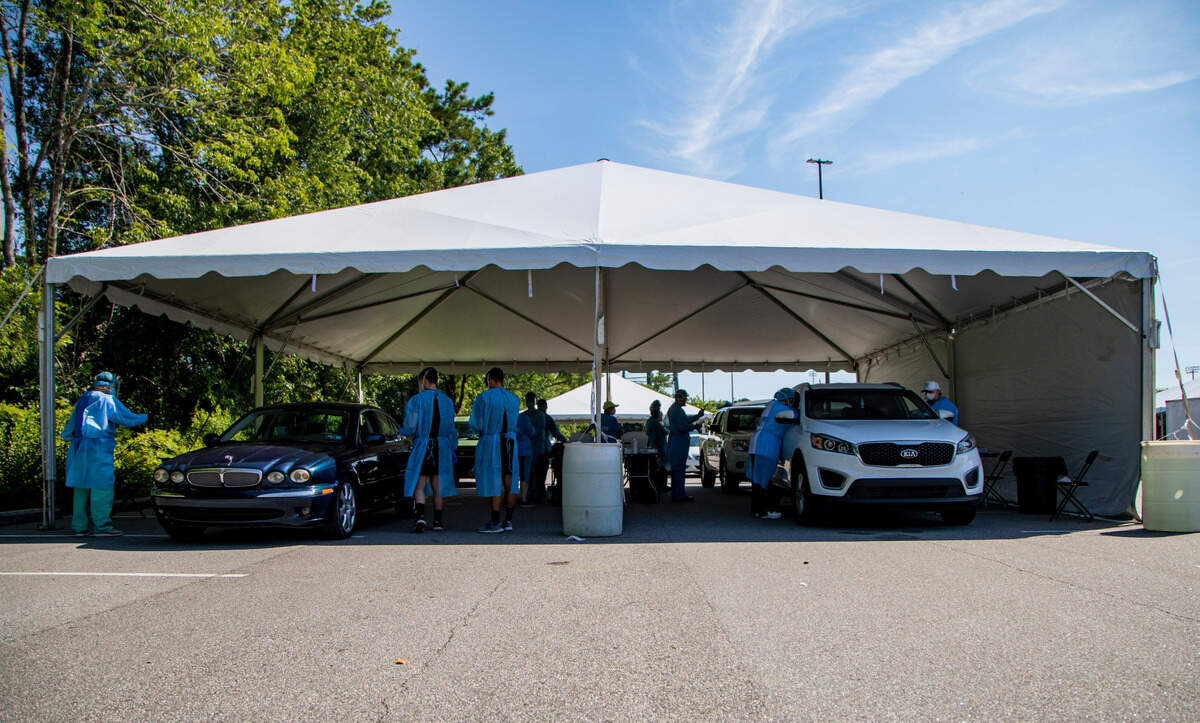
Curry, of MUSC, said the percentage of people reached for contact tracing could have been higher at certain points during the pandemic, like in October when case rates were lower.
But during COVID-19 surges, there’s less time for contact tracing because DHEC is dealing with large-scale flare-ups.
“There’s just no way that contact tracing is going to achieve anything at this point in the game until we can get ourselves below 100 (cases) per 100,000 (people) in every county,” Curry said on Tuesday. “It’s like the state is on fire.”
South Carolina has recorded a significant uptick in disease spread this month, mirroring other parts of the country. Every county in the state as of Thursday had a “high” cumulative incidence rate of more than 200 new cases reported per 100,000 people over the course of two weeks.
DHEC had 142 active contact monitors as of Wednesday, with about 35% of them working part-time, according to Renwick. More than 530 staff members were deployed as case investigators across the state, with 33 more in training and 44 others hired and waiting for a training start date.
How has Beaufort County fared?
Case investigators as of Dec. 7 were able to reach 3,461 coronavirus patients in Beaufort County. There had been more than 7,500 reported cases in the county by that point.
Of the 3,461 cases, about 97% — 3,386 people — were interviewed.
The state agency’s contact monitors, meanwhile, were able to reach only 1,355 close contacts in Beaufort County, the data show. Of those people, roughly 54% — 744 — agreed to speak with a monitor.