How will fall weather affect Beaufort Co.’s COVID-19 outbreak? Doctors weigh in
Fall is finally here, and with it new coronavirus concerns.
Experts have long predicted that COVID-19 will sweep across the country again late this year, as temperatures drop and residents bundle up indoors.
But will the change in seasons actually affect Beaufort County’s coronavirus outbreak?
Doctors agree that the Lowcountry will not be as hard-hit as the Northeast.
Probably.
“We thought ‘Oh, in the summer months it was going to be a lot better.’ That wasn’t true,” said Dr. Faith Polkey, chief clinical officer at Beaufort Jasper Hampton Comprehensive Health Services.
The weeks ahead could be perilous, health care providers stress. Weather isn’t the only factor at play.
A fall surge?
For now, COVID-19 conditions have improved in Beaufort County. Hospitalizations are down. As of Tuesday, the seven-day average of new infections had hit 17.8.
In late July, that average hovered in the mid-90s.
But the percentage of positive COVID-19 tests still remains high, routinely in the 10% to 11% range.
The World Health Organization has suggested that governments reopen only after the percentage of positive tests is below 5% for at least two weeks.
Dr. Stephen Larson, owner of Sea Pines Circle Immediate Care Clinic, said a “decent amount” of disease is circulating in the community. That’s a concern, he said.
At some point, there will be cold snaps. And as more people congregate inside, the likelihood of virus exposure increases, Polkey said, even if it’s nothing like a snow day in Vermont.
The coronavirus can be transmitted more easily indoors due to less ventilation, according to the Centers for Disease Control and Prevention.
Michael Emlaw, a meteorologist at the National Weather Service’s Charleston office, said average low temperatures around the area can drop from the 70s to low 50s during the fall.
Cold snaps can also roll through in November, he said.
However, considering how hot summers are in South Carolina, lots of residents enjoy spending time outdoors in October and November, Emlaw said.
That, as an example, illustrates how climate effects on disease spread could vary widely region to region.
Safety tips
Regardless, as December and January approach, the risk of contracting COVID-19 due to close-quarter situations will likely increase.
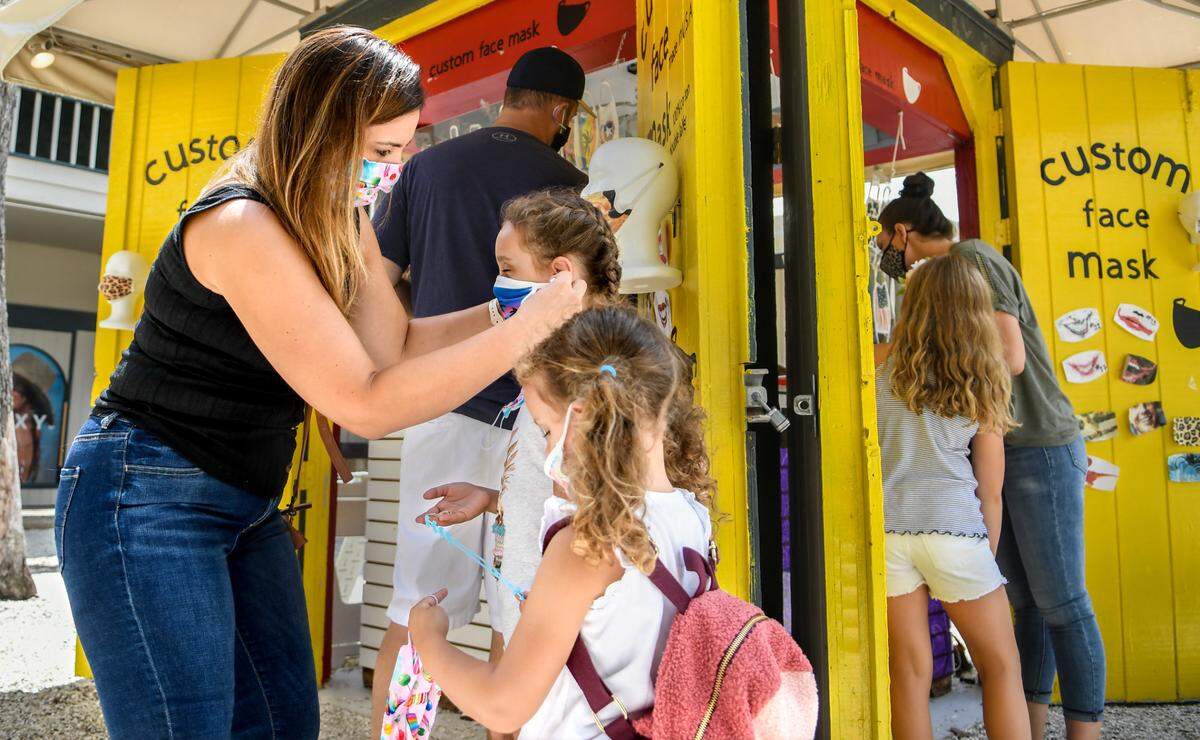
Polkey said people should consider wearing masks indoors if there’s the possibility of coronavirus exposure — or if residents are visiting high-risk relatives or friends.
Other tips: Frequently clean or disinfect surfaces inside, like door knobs. And try to stay six feet apart.
“It’s hard to say ‘don’t relax’ because we have been doing this for so long, but I think we just have to get comfortable with that ‘new normal,’” Polkey said.
“People have to be careful congregating inside,” Larson added, especially during family get-togethers.
Converging challenges
It’s still unclear whether cooler temperatures will have much effect on the county’s COVID-19 caseload in the next month or two.
But experts point to other converging challenges this fall that could drive a new surge of infections.
If in-person school reopenings go poorly, a “nightmare” scenario might track like this, said Michael Schmidt, a microbiology and immunology professor at the Medical University of South Carolina:
The virus will spread rapidly, and taking into account lag time between an infection and a possible hospitalization or death, a COVID-19 surge at hospitals will coincide with the start of flu season.
A wave of new hospital admissions and ICU capacity concerns would be the worst-case outcome this fall, said Larson, who’s also the medical director of Beaufort Memorial Hospital’s emergency center.
“We were making progress toward the end of the summer,” though, noted Kathleen Cartmell, a public health professor at Clemson University.
It’s important to stay on track, she said.