No chance to say goodbye: Coronavirus has painfully changed the way we grieve | Essay
Social distancing is changing the way we grieve, but the stigma attached to the coronavirus may be having the greatest effect on our feeling of isolation during our deepest time of need.
COVID-19 related deaths can come with an often unwarranted stain of judgment, a wariness that perhaps the victims did something wrong to expose themselves to the virus, sociologists say.
“Our social interactions are tinged with a type of suspicion,” explained Doug Valentine, a faculty member at the Honors College at the University of Missouri and PhD candidate in sociology. People may ask an infected person ‘who have you been in contact with?’ ‘Did you quarantine properly?’ and think ‘How might they affect me?’ instead of offering compassion for a sick person, he said.
When that happens, a crucial part of the grieving and recovery process — our social support system — fractures.
“It throws our ability to interact with each other under the bus,” he said.
People have always grieved differently. At the newspaper, we often have the unenviable task of reaching out to family members who have lost someone to see if they would like to talk about the life lost.
Some jump at the chance, eager to tell tales and share with a big audience the person they knew. Others find their own comfort zones, including some who just want to be left alone. We try to be courteous, offering the opportunity but not pressing.
For this story, in which we attempted to put human faces to what so far has been a mostly scientific and numbers-driven issue, something felt a little different.
When a reporter asked Larry Dema if he had a favorite memory about his dad, Bob, he couldn’t answer. His father had died 11 days earlier, and Dema said the only thing that had been playing in his mind since that day was that he didn’t get to say goodbye.
By the time Larry Dema drove down to Hilton Head Hospital from New York, his father was already in a coma due to complications from the coronavirus.
That’s Dema’s last memory of his 86-year-old dad.
He didn’t get to talk about his favorite childhood memory or share a funny story about his father, because coronavirus made his father’s dying different from the traditional experience surrounding death.
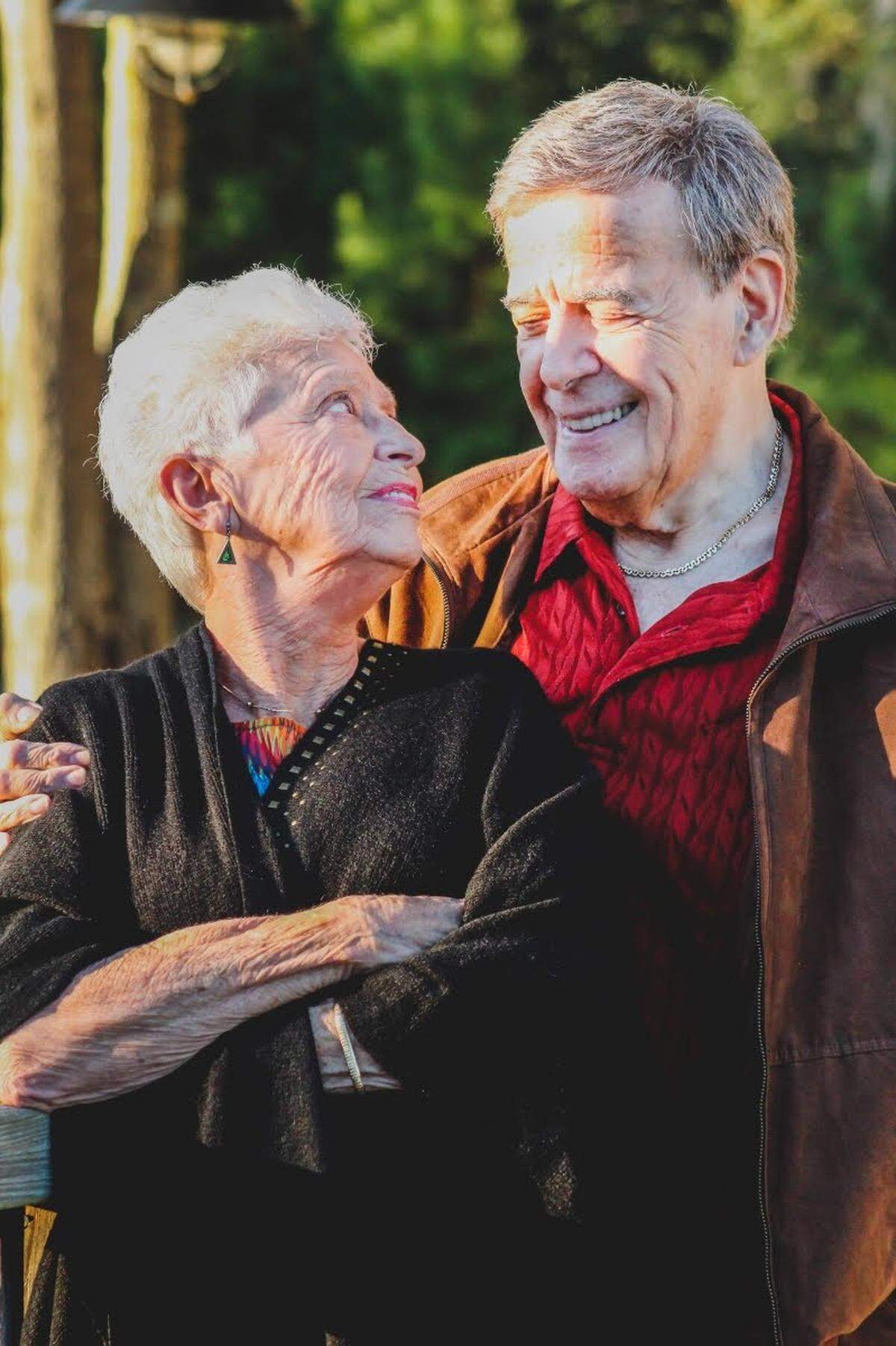
Coronavirus, said Valentine, the sociologist, “is really an untimely death. It happens very quickly, and the person is isolated. (The family) can’t come in to see them, and that’s different. It takes the worst of both scenarios: You weren’t expecting the death, and although there would (normally) be an opportunity to come in and say goodbye to them, you can’t even do that.”
The pandemic has also changed the way we grieve a death.
Instead of hopping on planes to gather together, sift through family photos and share each others’ company, families who lose a loved one to COVID-19 must grieve separately. They livestream funerals, take contactless delivery of meals from neighbors and make virtual photo albums to share on social media.
“The grief is relative, but the one thing that ties it together is social,” Valentine said. “The biggest thing is the absolute breakdown of the social supports that come after death,” including hugging and embracing, visiting with others and being together.
While grieving is a deeply individual experience, it is no doubt affected by societal expectations and the changes brought by coronavirus. Our newspaper aims to respect those changes, and we offer sincere condolences to families navigating this grief.
This story was originally published May 8, 2020 at 11:12 AM.