Hilton Head leaders close parks, urge some businesses to close. Who is ‘essential’?
Life in public is becoming more restricted.
Hilton Head Island leaders voted Monday to partially close town parks, and S.C. Gov. Henry McMaster is expected late Tuesday to order non-essential businesses to close due to the spread of coronavirus.
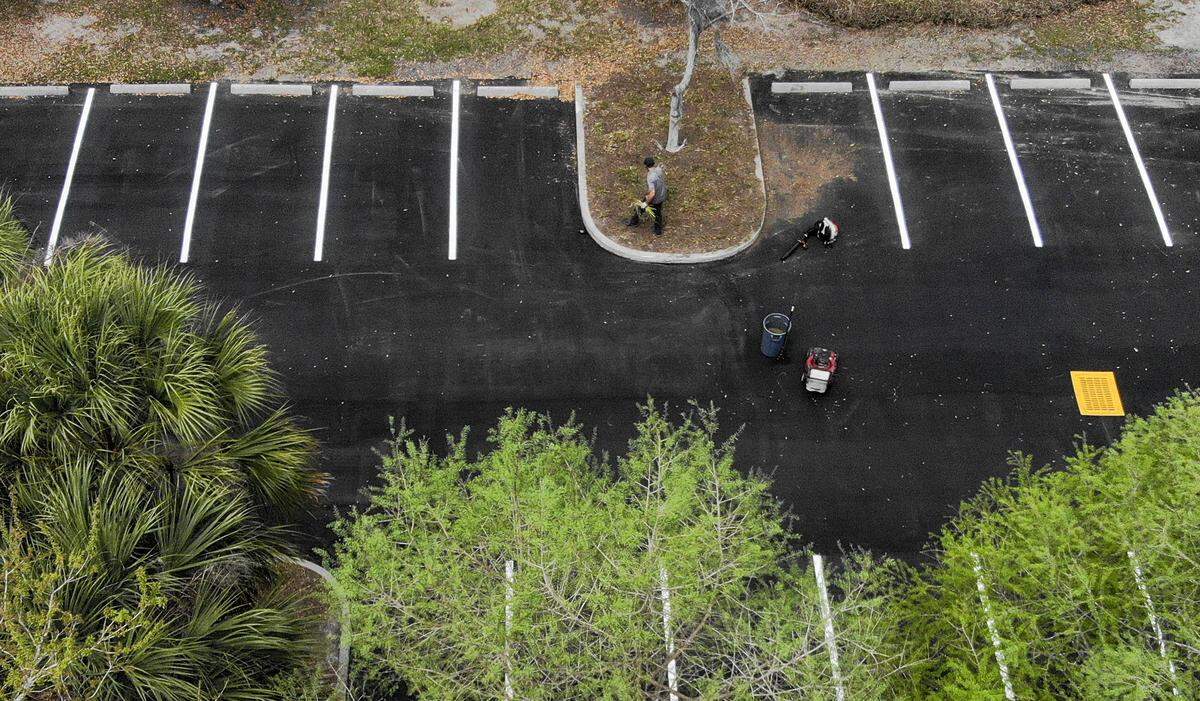
The town will close all parking lots associated with town parks by using gates and barriers but will keep the parks themselves open for pedestrians and cyclists to use for solitary outdoor exercise.
The move came as McMaster ordered public beach and waterway access points closed, frustrating island residents clamoring for ways to exercise and enjoy the outdoors during the outbreak.
In Hilton Head ordinances, the operative word appears to be “urge.” All three resolutions passed Monday were to “urge” action, which is less enforceable than a demand.
The soft language comes after S.C. Attorney General Alan Wilson released an opinion Friday suggesting local governments are vulnerable to lawsuits if they impose local “shelter-in-place” orders that supersede orders by the governor.
Wilson at least partially walked back that stance Monday when he said he wouldn’t object if municipalities made their own laws.
Hilton Head leaders aren’t wincing at a shelter-in-place reality.
“We are walking ourselves toward a stay-at-home situation,” Town manager Steve Riley said late Monday.
Here’s what’s new following Monday’s meeting:
Parks closed... sort of
The council voted to close vehicle access to all town parks, including:
- Betsy Jukofsky Xeriscape Garden near town hall
- Compass Rose Park
- Greens Shell Park
- Historic Mitchelville Freedom Park
- Honey Horn
- Jarvis Creek Park
- Rowing and Sailing Center at Squire Pope Community Park
- Shelter Cove Community Park

Riley said Monday evening that the parks themselves would not be closed, but parking lots would be blocked off to cars using existing gates and barriers.
Pedestrians and cyclists will be able to access and use the parks, Riley said.
While some of the council members clearly supported more strict measures, none of the seven representatives appeared to want a full lockdown on Hilton Head.
Ward 3 representative David Ames said the council should think critically about which town facilities pose the greatest risk.
“How do we provide our parks as a place for people to exercise?” he asked Monday. “Going to a park and walking on a pathway I don’t see as a significant risk.”
Ames suggested closing restrooms at town parks as well as the few public tennis and pickleball courts, where users are more likely to touch things.
Businesses urged to close
Town leaders also are encouraging non-essential businesses to close. But they stopped short of requiring it.
McMaster is expected to issue a sweeping order at his 4 p.m. press conference Tuesday, closing down all non-essential businesses in South Carolina due to the coronavirus pandemic, The State newspaper reported.
The order, one of the most extensive from McMaster in recent weeks, will close thousands of businesses across the state. It escalates his step-by-step approach to fighting the virus.
On Hilton Head, the town said it would use the Department of Homeland Security’s guidelines to determine which businesses would be considered essential.
Released Saturday, the list includes workers in the following industries:
- Healthcare and public health
- Law enforcement, public safety and first responders
- Food and agriculture: Examples include restaurant carry-out operations and workers in groceries, pharmacies and convenience stores.
- Energy
- Waste and wastewater
- Transportation and logistics
- Public works and infrastructure support
- Communications and information technology: Examples include media sources and cable/ wireless providers.
- Critical manufacturing: Examples include manufacturing of metals equipment for the remote workforce.
- Hazardous materials
- Financial services: Examples include people who are needed to provide business or personal access to bank services and distribution of debit and credit cards.
- Chemical and defense industrial base: Examples include workers in the chemical and industrial gas supply chains, production of cleaning solutions and transportation of chemicals.
- Commercial facilities: Examples include building materials stores and people who service home operations such as HVAC, furnaces, refrigeration and other home equipment.
- Residential/ shelter facilities and services: Examples include food, shelter and social services as well as leasing offices for residential properties.
- Hygiene products and services: Examples include hygiene product production, laundromats, dry cleaners and cleaning services.
For a complete list of businesses considered “essential,” visit the Cybersecurity and Infrastructure Security Agency (CISA) website.
The department did leave room for exceptions.
“This list is advisory in nature. It is not, nor should it be considered, a federal directive or standard,” the department wrote. “Additionally, this advisory list is not intended to be the exclusive list of critical infrastructure sectors, workers, and functions that should continue during the COVID-19 response across all jurisdictions.”
On Monday, Hilton Head town officials mentioned concerns about people who service pools.
“I got about 11 phone calls and emails on pool service,” McCann said.
McCann said a pool would be considered an essential operation of a residence, and he would not request pool companies to close.
‘Please stay home’
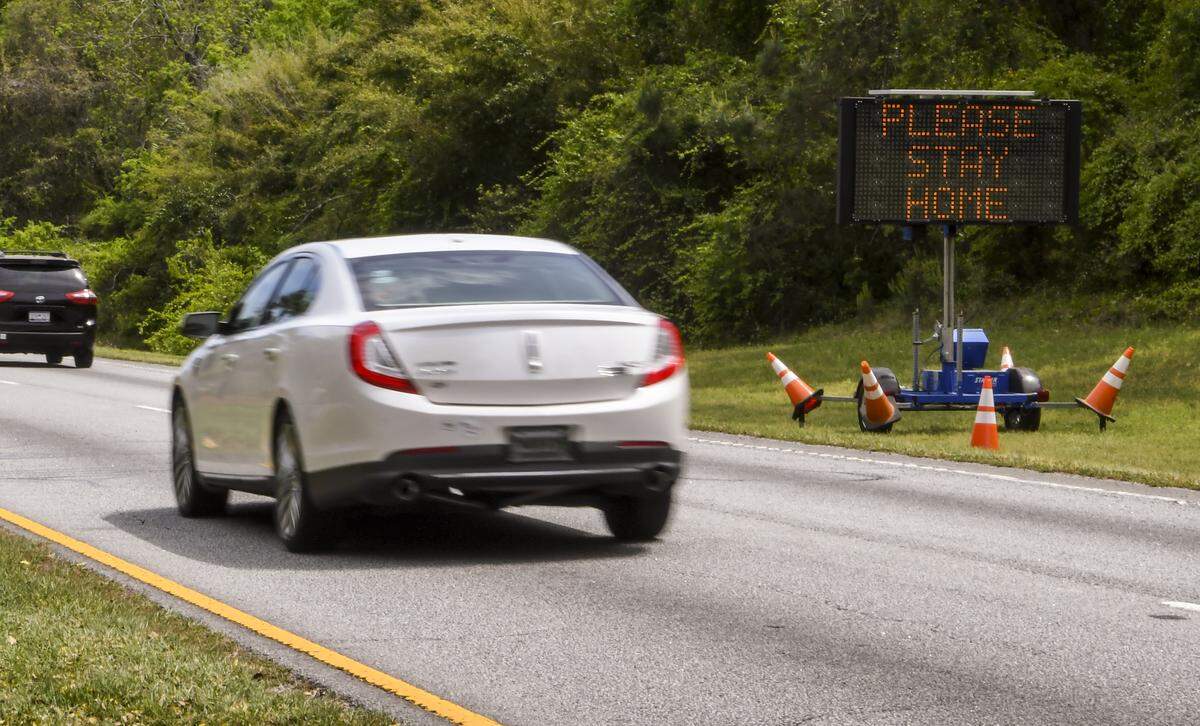
Although the town has not issued its own stay-at-home ordinance, a sign appeared at the base of the Hilton Head Island bridges that encouraged people to do so.
Riley said the sign was placed there by the town.
This story was originally published March 31, 2020 at 3:12 PM.