SC won’t cover online counseling for low-income residents amid coronavirus anxieties
Update: On March 28, S.C. DHHS announced teletherapy with licensed providers like counselors and psychologists will be temporarily covered under the state’s Medicaid plan. The agency cited social distancing measures and school closures as reasons for the change.
As families face job loss, school closures and isolation because of the COVID-19 outbreak, South Carolina is denying full mental health coverage to the nearly 1 million low-income residents insured through Medicaid, many of them children.
States across the country, including neighboring Georgia and North Carolina, have rushed to loosen restrictions and provide access to teletherapy for people who are aged, disabled or economically vulnerable and covered under the federal insurance program administered by states.
President Donald Trump and S.C. Gov. Henry McMaster have pushed remote medical services as key protections for people asked to isolate to slow the spread of the coronavirus. At their request, Medicare and major private insurance companies have moved to cover virtual mental health visits.
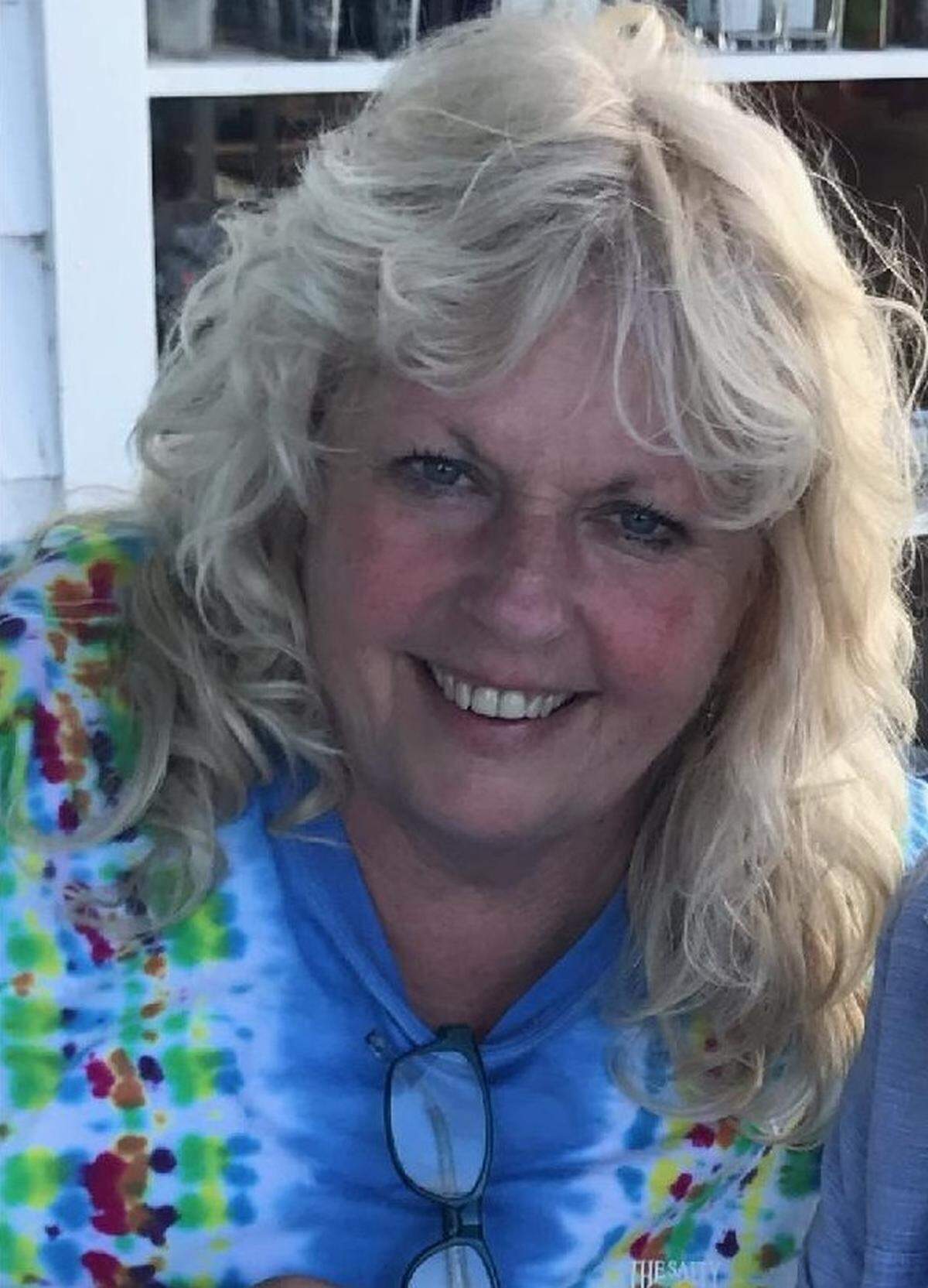
But the state’s most vulnerable have been left out, said Marianne Osentoski, a psychologist on Hilton Head Island, who called the state’s policy a “human rights violation.”
These individuals include children whose parents work in the service industry facing job loss, kids who suffer from ADHD and victims of child abuse and domestic violence.
Three in five children in South Carolina are covered under Medicaid, according to 2018 data published by the University of South Carolina.
“It scares me that they’re out there with no support,” said Kimberly Adkins, a licensed counselor and clinical director at Hope Performance Systems in Bluffton, who said she’s received referrals from parents seeking care for their children, citing “anxiety over coronavirus.”
The S.C. Department of Health and Human Services, which administers Medicaid in the state, sent a bulletin to providers on March 19 saying it would cover only three “periodic check-ins and assessments with established patients” over phone each month, each restricted to a maximum of 30 minutes.
Mental health professionals say this falls far short of what is necessary, as they’ve been forced to stop seeing patients in-person and aren’t able to seek reimbursement for full virtual therapy sessions with their Medicaid clients.
And the rules effectively mean providers can’t take on new Medicaid patients, likely a growing pool of people as many are laid off and lose employer-sponsored insurance, said Osentoski.
In a statement, DHHS did not say whether it would change its policy.
The agency said it recognizes many practices will see “interruptions” because of state-mandated social distancing measures. The agency is “constantly reassessing the services and flexibilities” to implement “clinically appropriate telemedicine guidelines,” it said.

Mental health in a time of crisis
Providers say the COVID-19 pandemic is a critical time for mental health care.
Adkins predicts her practice will see “an increase in folks with anxiety, depression, traumatic stress, suicidal thoughts and even domestic violence as families are faced with the avalanche of problems typical Americans are facing,” according to a public letter she posted yesterday.
Calls to the National Suicide Prevention Hotline have risen 300% nationally since the beginning of the coronavirus outbreak.
“There’s no handbook for this,” Adkins said, adding that she’s working with parents and young children who are frightened and need coping skills provided by counseling. Adkins said Wednesday she’s been forced to end face-to-face appointments, following state health officials’ guidance on limiting personal contact.
Now, she said, services provided to about 150 children on Medicaid that her practice sees will be limited to short phone check-ins. Adkins said Hope Performance Systems has about 20 people on a waiting list to see a counselor who won’t get care until the restrictions are relaxed.
“More call every day,” she wrote in an email.
Osentoski said she will continue seeing Medicaid patients remotely, even without the expectation she will be reimbursed by the state for her services. It’s the “only ethical and legal thing” she can do, she said.
Federal rules allow full teletherapy coverage and other states provide it
Medicaid rules provide “a great deal of flexibility” for states covering telehealth services, according to federal guidance given to states. States like Michigan, Georgia and North Carolina have changed rules and loosened regulations to allow low-income residents on Medicaid to get a range of remote counseling services.
South Carolina has not.
On March 17, the Trump administration announced sweeping increases in virtual health coverage under Medicare, which provides insurance primarily to Americans 65 years or older, including access to remote mental health counseling.
Last week, S.C. Gov. McMaster called on private insurers to provide incentives to doctors to treat patients remotely. “If it can be done by telehealth or if it can be done without an in-person visit, do that,” he said. The measures are part of statewide efforts to limit person-to-person contact and slow the spread of the virus.
Private insurers have since fallen in line, and many are covering telehealth treatment for mental health issues, leaving only Medicaid recipients without full coverage.
In South Carolina, about 46% of those on Medicaid are black, 40% white and 9% Hispanic.
On Tuesday, the American Psychological Association called on states and insurers to allow people to connect with mental health professionals remotely, without restriction, specifically mentioning Medicaid recipients.
“Social isolation, grief, fear and stress are already having a real and crippling impact on Americans. Federal and state leaders and insurance companies must take immediate steps to expand access to mental health treatment for all,” said the association’s CEO, Arthur Evans Jr., in a news release.
Two calls to the S.C. Psychological Association were not returned.
Until all her patients are cleared for virtual appointments, Osentoski is lobbying the state to change its rules. Now, many South Carolina residents in the “most vulnerable populations” will be left without mental health care, she said.
If you or someone you know is struggling with mental health or suicidal thoughts, please call the National Suicide Prevention Lifeline at 800 273-8255 or text the Crisis Text Line at 741741.
BEHIND THE STORY
MOREWhat you should know about the coronavirus
The coronavirus is spreading in the United States. Officials are urging people to take precautions to avoid getting sick, and to avoid spreading the disease if they do contract it.
Click the drop-down icon on this card for more on the virus and what you should do to keep yourself and those around you healthy.
What is coronavirus?
Coronavirus is an infection of the respiratory system similar to the flu. Coronaviruses are a class of viruses that regularly cause illnesses among adults and children, but this outbreak has spawned a new disease called COVID-19, a particularly harsh respiratory condition that can lead to death.
Health officials believe COVID-19 spread from animals to humans somewhere in China. It spreads among humans by physical person-to-person contact, including via coughs. That’s why health officials urge sick individuals to avoid contact with other people.
For more information, visit the website for the Centers for Disease Control and Prevention.
What are the symptoms?
Symptoms are similar to the flu and include fever, coughing and shortness of breath.
How can I stop the spread of the coronavirus?
Wash your hands regularly with soap and water, and cover your mouth and nose when you cough or sneeze.
If you develop symptoms similar to the coronavirus, you should seek medical attention. Stay home from work or school and avoid contact with others. It can take up to 14 days after coming into contact with the virus to develop symptoms.
COVID-19 is a new condition and there’s much about the disease we still don’t understand. For now, taking precautions is the best way to stop the spread of the coronavirus.
This story was originally published March 25, 2020 at 3:44 PM.