Meet those unable to work from home in Hilton Head, Bluffton during coronavirus crisis
On a hot day outside Hilton Head’s Kroger supermarket, Mark Brown, a courtesy clerk, is wearing a reflective vest and gloves while bringing stacks of used shopping carts back to the store.
The coronavirus has brought customers, some of whom have been quarantined to their homes, to supermarkets in droves. Workers like Brown have to carry on with their jobs like normal, a move that leaves him “more tired” everyday and “worried” for his own health.
“I’m very paranoid about it. I have to be out every day helping customers and touching all their carts,” said Brown. He says he is especially concerned that he is susceptible to infection because of his prior medical issues.
While many others are being encouraged to work from home, Brown is one of many South Carolinians seeing their workload increase, as the coronavirus reaches 342 confirmed cases statewide.
“Daily worry”
Businesses that remain open amid restrictions for industries like restaurants and bars are in regulation-limbo, trying to stay afloat while providing services still sought by those in quarantine.
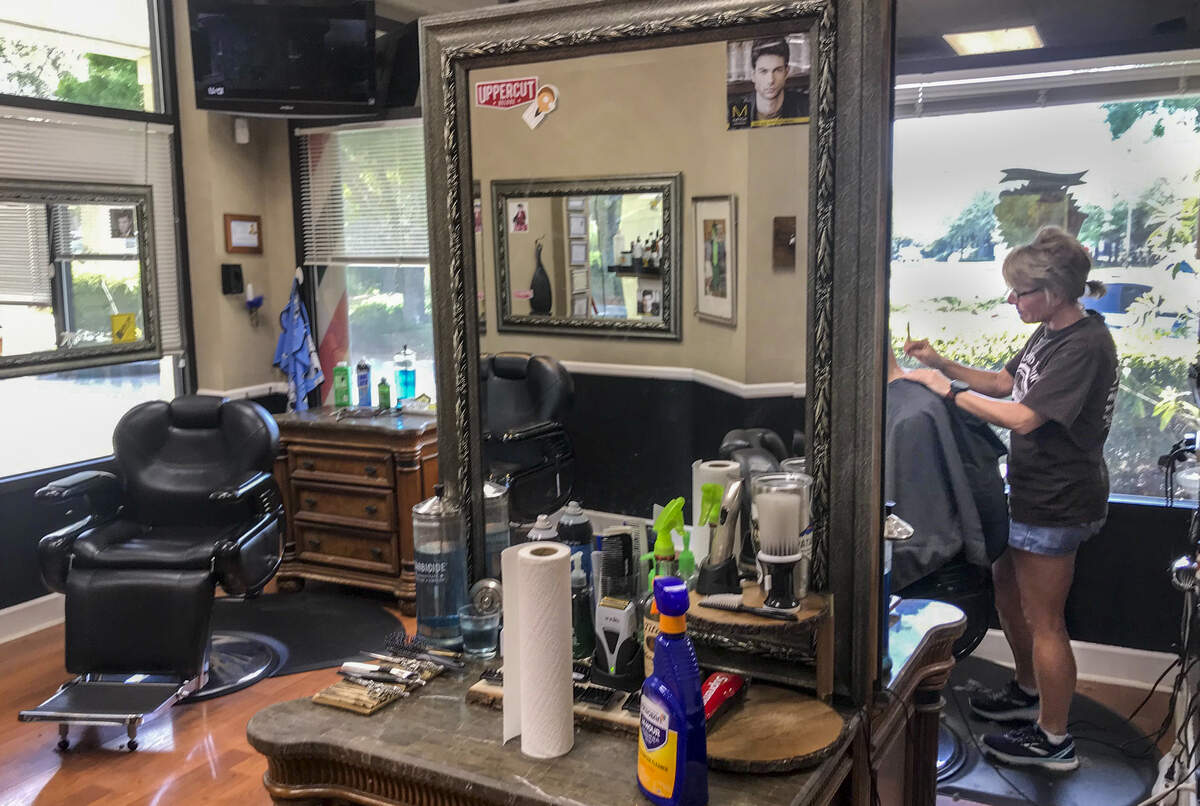
The Barbers of the Lowcountry shop in Bluffton is one such business. Barber Paddy Myers says he recognizes he is fortunate to still be open, though the virus is a “daily worry.”
Myers said the shop has reduced hours and the number of barbers allowed to work each day. In an effort to protect workers, he said management even looked into going to people’s homes to cut hair, though they decided against it after a medical professional advised them not to.
Choosing between eliminating health risks and keeping a business afloat “is the Catch-22 of being in an industry where you can’t work from home,” said Myers.
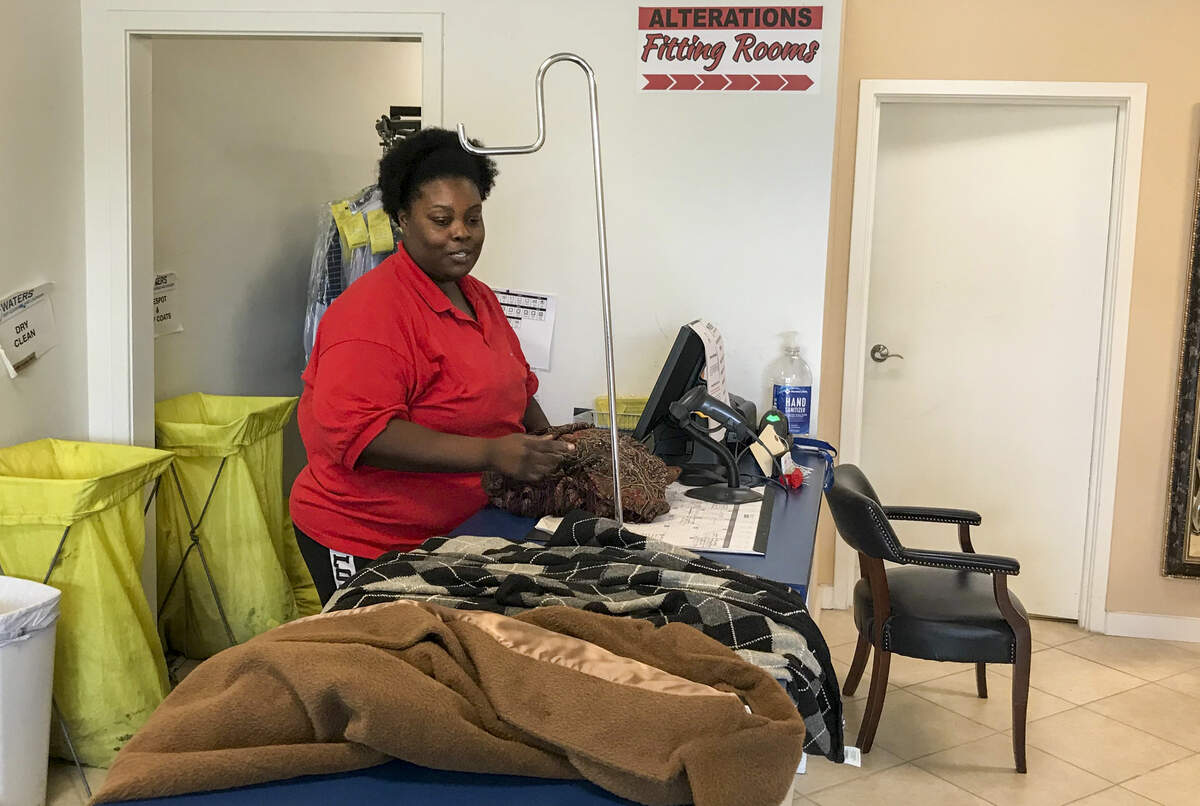
The sentiment is shared by Brenda Bacon, manager of Waters Dry Cleaning in Bluffton.
“This is a job you can’t do from home,” said Bacon. With business a lot slower for dry cleaning, she says “I hope we don’t have to get shut down.”
The business had to let three employees go, but Bacon said customers are still coming in for alterations frequently. A sign on the door encouraged customers to get their clothes dry cleaned because the process eliminates germs from clothing.
“I’m supposed to be at home”
Remote work is more available for a certain type of American worker.
A typical remote worker is college-educated and “earns an annual salary of $58,000 while working for a company with more than 100 employees,” according to Global Workplace Anayltics.
That description doesn’t fit everyone.
Stopping between jobs to get cash at a Bank of America ATM, Carlos de la Cruz, who is a supervisor for Carolina Landscaping HHI, said owners of the oceanfront homes that employ his company ask his team to do work beyond just landscaping properties, like cleaning doorknobs and floors and elevator buttons.
“I’m worried. I’m supposed to be at home, taking care of my babies,” who are six and one-and-a-half years old, says de la Cruz.
Grocery store demand skyrockets
Enjoying the shade outside the Hilton Head Publix supermarket, two employees shared a pizza Tuesday on their long-awaited lunch break. They have been swamped with work since the coronavirus has driven up demand for groceries.
Dave Isaacs, a price clerk, says business has been “crazy,” and despite experiences with supermarket customers during hurricane season, he says the main difference is “we don’t know when this is going to end.”
Sitting next to him, Bill Nye, a shipment manager and 21-year Publix employee, emphasized that shelves are cleaned out every day and that the store is getting “smaller orders” from suppliers that go fast.
Workers laid off in industries such as restaurants, hotels, and tourism are being encouraged by large retailers such as grocery stores to apply for part-time work.
Walmart, which is the nation’s largest food retailer, said it plans to hire 150,000 new employees by the end of May. Kroger said it was looking to hire more workers in South Carolina, Georgia, and eastern Alabama to meet demand.
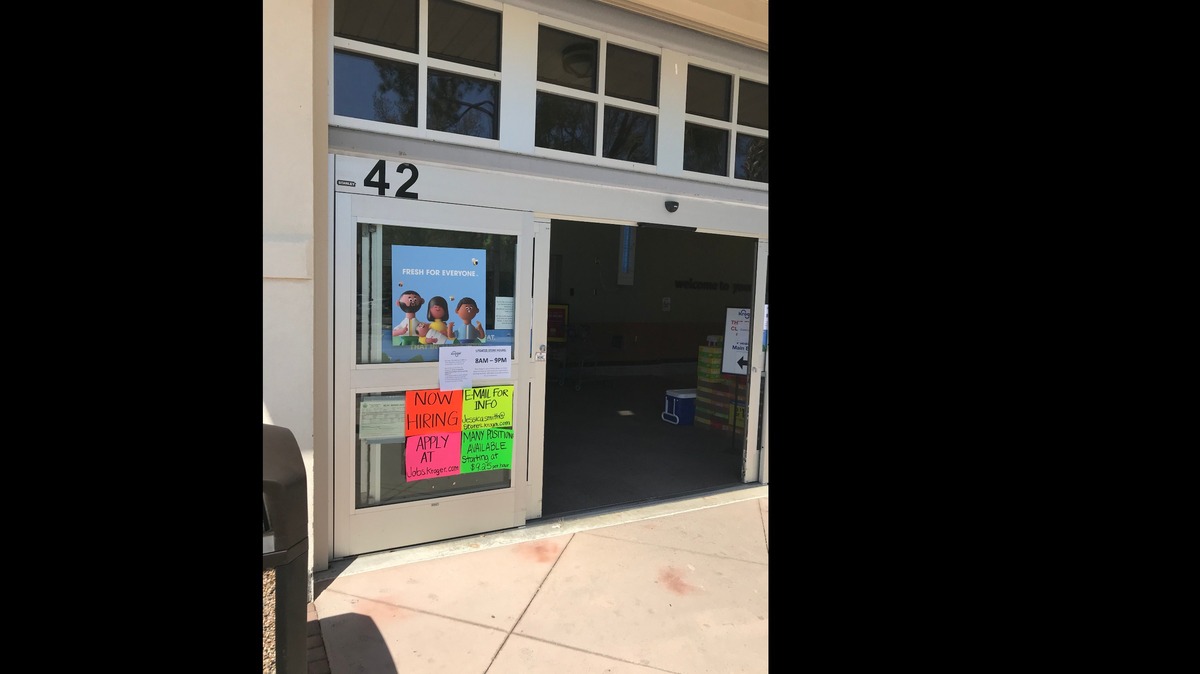
While companies such as Walmart are receiving praise for helping out an increasingly desperate workforce, they don’t provide masks and gloves to workers, according to the New York Times.
For local businesses in South Carolina, worker safety is the key to survival.
Joey Mucia Jr., a co-owner of Bluffton Auto Body Shop, says he has been looking out for the health of his employees by fully decontaminating cars that come in for service, something he never used to do.
“I gotta keep my guys healthy,” said Mucia, “If one of them comes down with something, we’re done.”
This story was originally published March 24, 2020 at 7:00 PM.