Watch how one family towed their home across a golf course, away from eroded SC beach
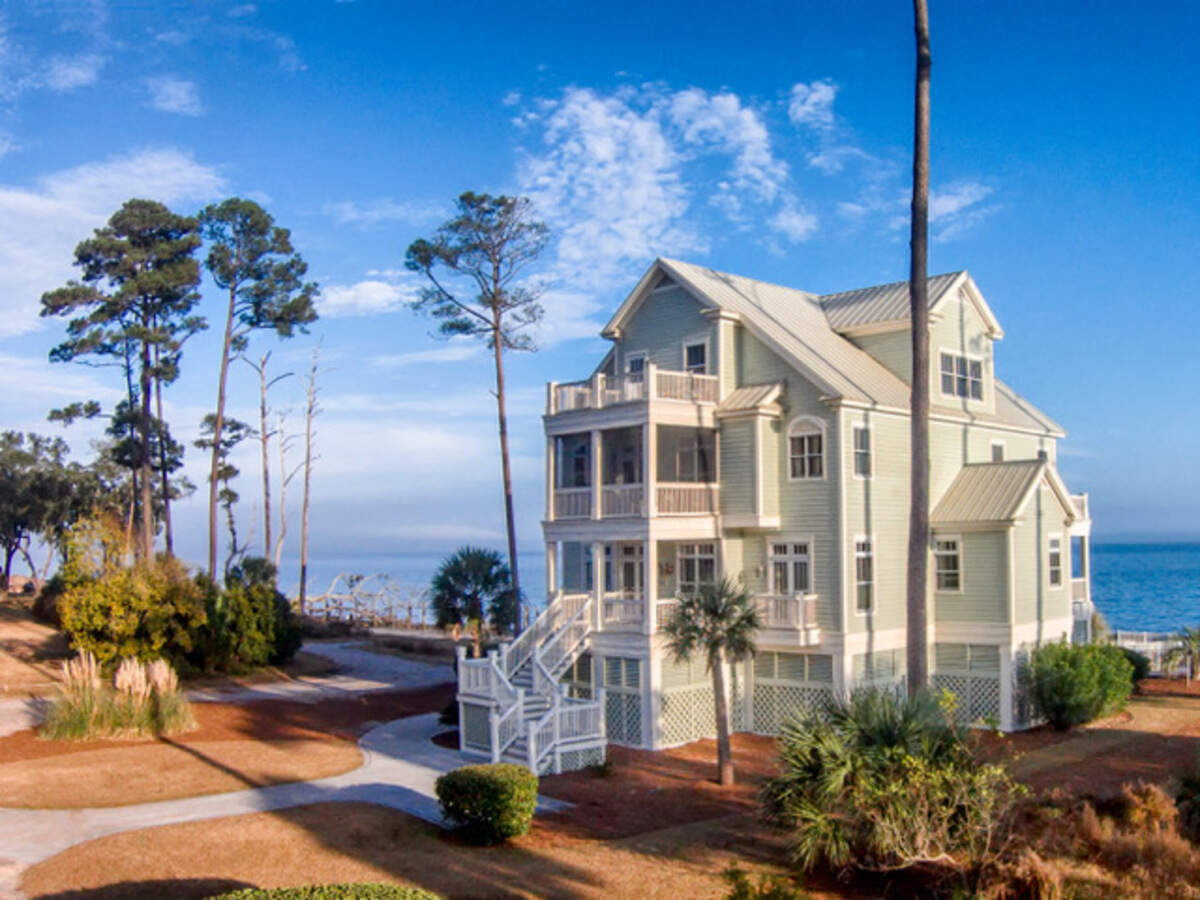
When Nancy and Mike Halwig built their vacation home on Daufuskie Island in 2014, the 5,000-square-foot home sat hundreds of yards from the ocean.
With a state-permitted seawall protecting their property, the couple thought their home would be safe from the water’s reach. It wasn’t. Churning ocean waves, hurricanes and strong storms ate away at the sand in front of the home and crept underneath its foundation. Ten years later the couple deemed the five-bedroom coastal South Carolina home unlivable. And the Halwigs’ had a choice to make: abandon the beach retreat or move it.
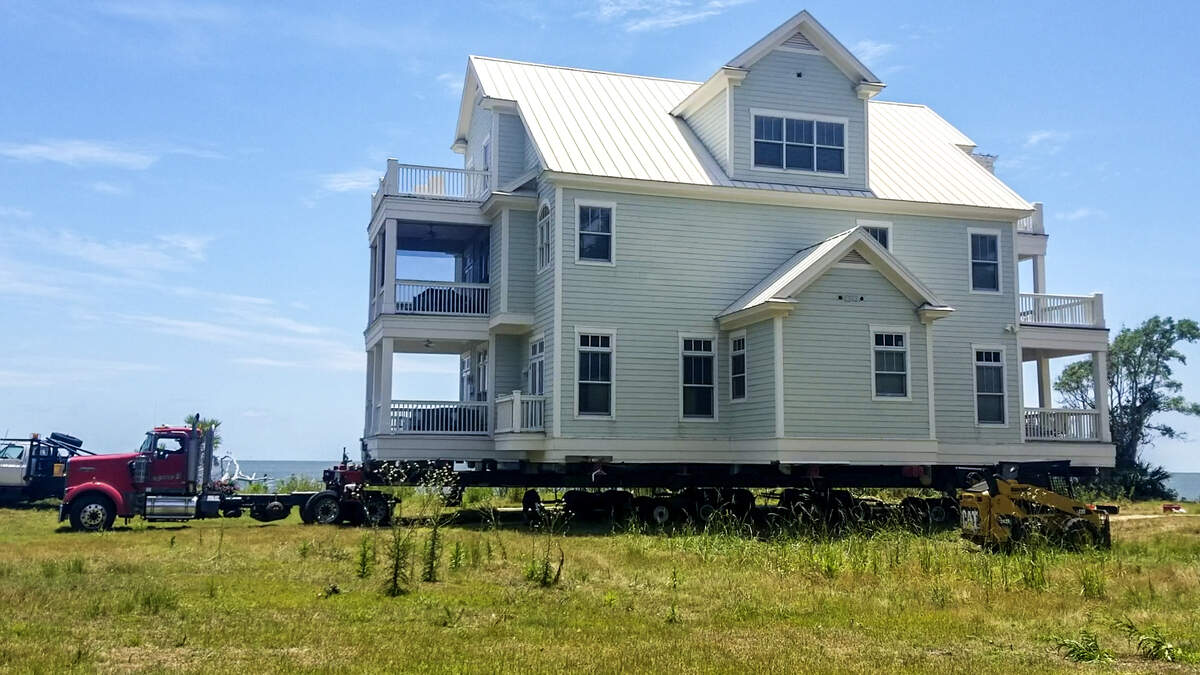
The couple called Tugaloo Home Movers to pick up the structure and transport it 100 yards diagonally across the Melrose golf course. There, it would be about 50 yards from the water. With the Halwigs’ home moved to higher ground, four homes remain further down Driftwood Cottage Lane.
Even without a bridge for access, Daufuskie Island living is as popular as ever. In 2023, 47 people purchased homes on Daufuskie Island for a median price of $640,000. The median price is $60,000 more than in 2022 and the same number of properties sold. While new people buy homes, many already on the island face the impact of stronger and more frequent storms, which have worsened beach erosion. Instead of abandoning their properties or funneling money into maintenance, beachfront homeowners are picking up their homes and moving them to higher ground.
“We elected not to spend more money to shore things up and decided to move the house,” Mike said.
It’s an estimated $400,000 process, he said, however, “it always ends up being more.”
Others are following the Halwigs’ lead. Two of the four homeowners further down the same street are considering doing the same.
How did they move the house?
Tugaloo Home Movers said a glass of wine on the counter wouldn’t spill a drop while the Halwigs moved their house.
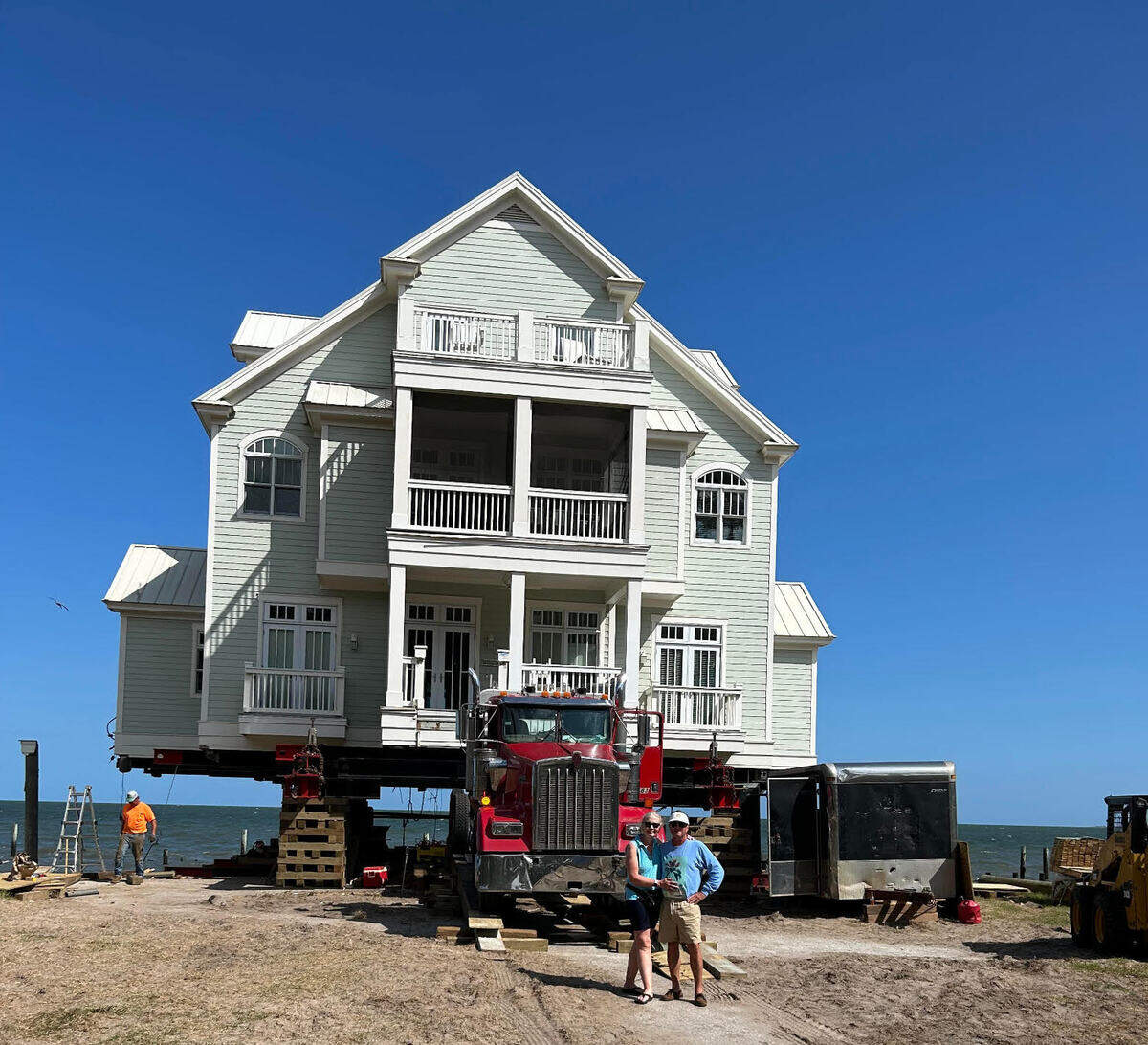
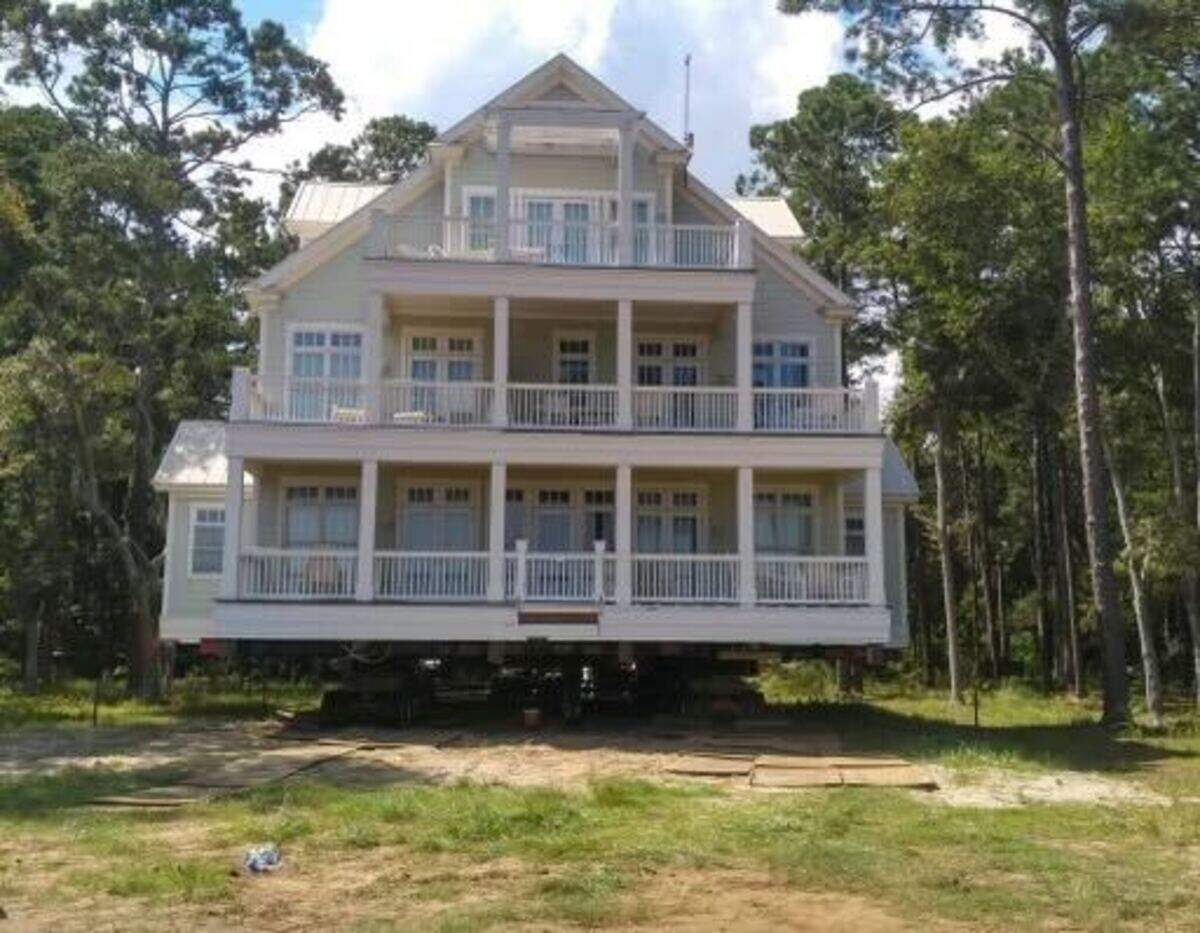
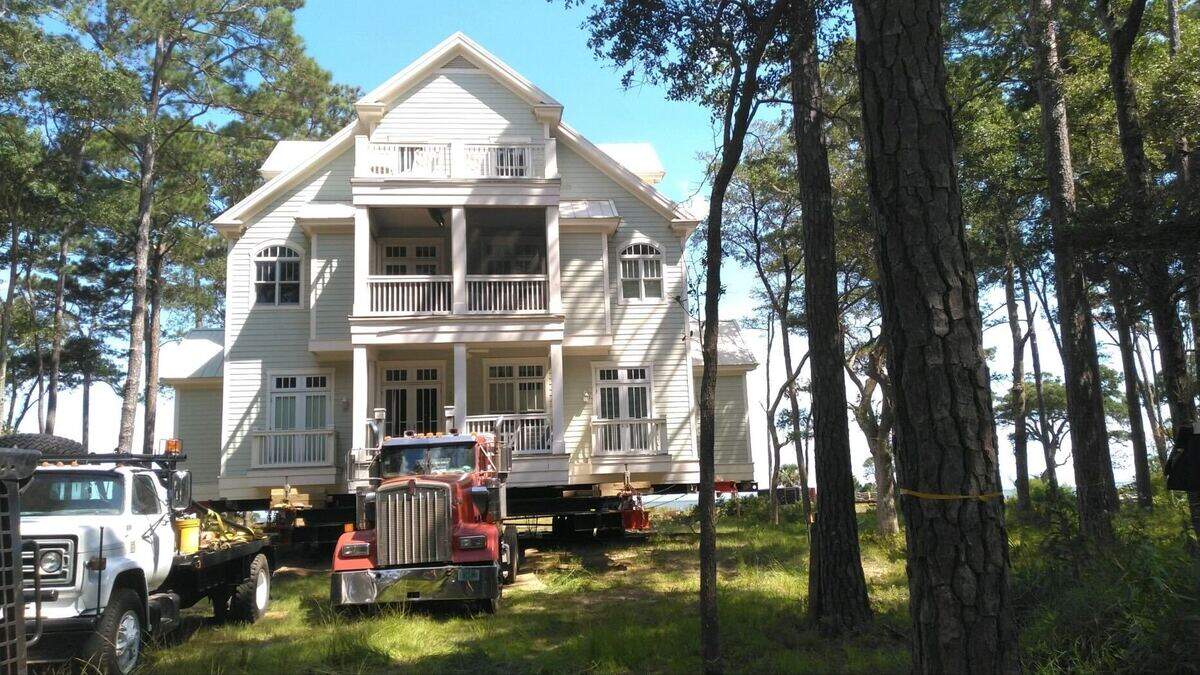
It’s a complicated process to ensure the stability of the home and what’s inside it. What’s more, Daufuskie Island brought its unique challenges to the project: tides, scattered debris, and infrequent supply barges. It took 18 days from when the movers arrived on-site to when they delivered the home at the new lot. Nine of those days were in transit with trucks pulling the structure, all while the Halwigs’ furniture remained inside.
“Every time the tide came in, it was unworkable,” Heather Costin of Tugaloo Home Movers said. “We had to essentially build a temporary bridge and roll it out of the water.”
Costin said this was the first project on Daufuskie Island they’d taken on, though they’re no strangers to Hilton Head Island. There, the projects are mostly elevating homes so they’re at the correct Flood Protection Elevation, she said.
The Georgia-based movers have completed thousands of projects over their 45 years of business, according to Costin. She estimated about half of those are needed because of erosion and climate change. The other half?
“A lot of it, if you can believe it or not, is people build houses on the wrong piece of property,” she said.
The home weighed about 950,000 pounds, Costin said, which is about the equivalent to 73 African elephants and a fraction of the “several million”-pound apartment buildings that they’ve previously elevated.
No matter the weight they use the same tool: a hydraulic lift system that can “lift about anything” so long as there are enough jack points underneath the structure, according to Costin.
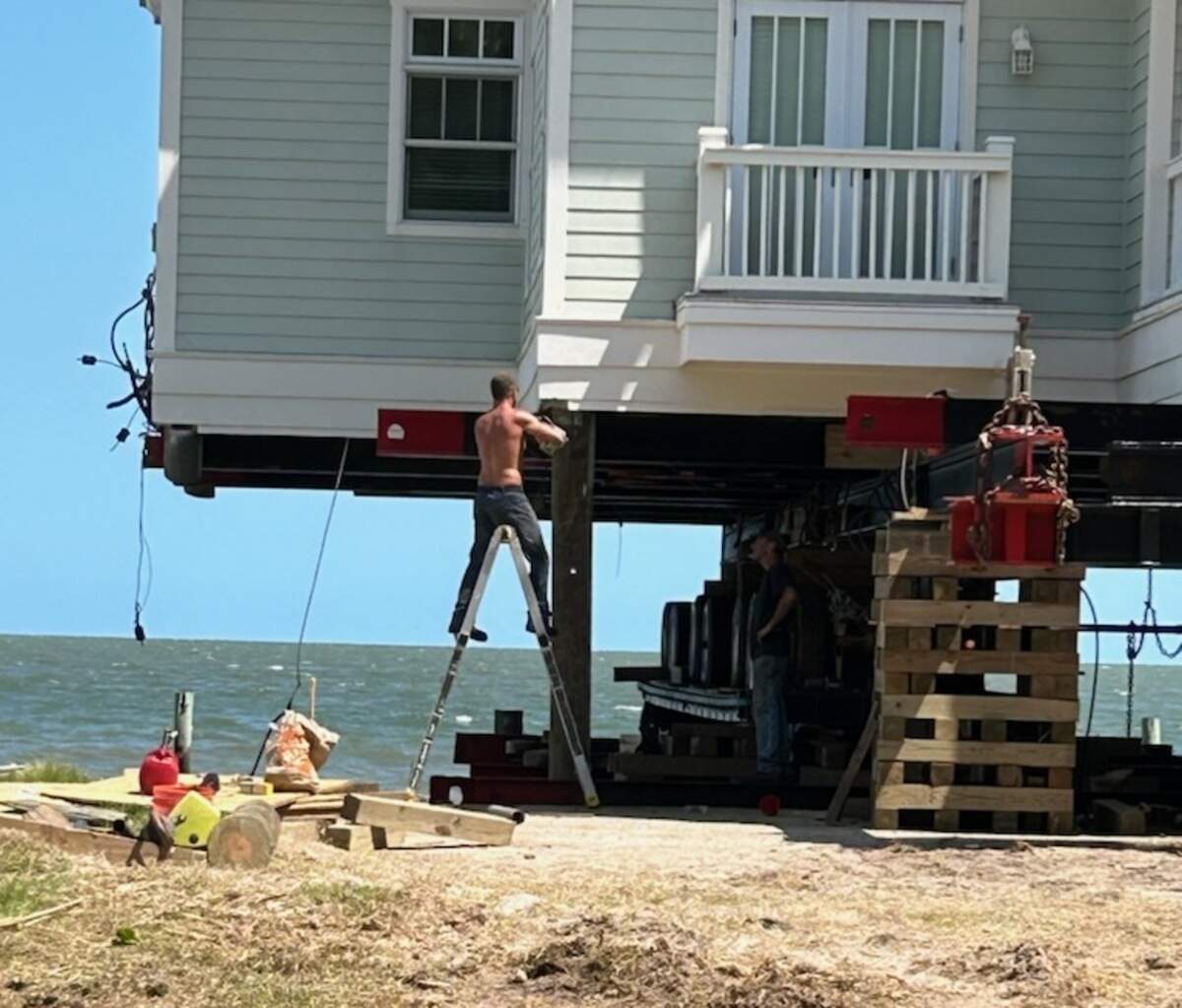
First, the movers created a bridge in the sand from three layers of structural steel and wood cribbing. Then, they fit steel frames and dollys underneath the house. From there, the hydraulic lift system raised the home, and the movers cut away the home’s piles, detaching it from a permanent structure. After, the hydraulic lift system lowered the home onto the steel and dollys.
A truck towed the steel and dollys, with the home fitted on top, off the bridge and out of the water. All the while, it sounded like the home was groaning, but that wasn’t the case.
“It’s the plywood under it that you hear creaking and snapping,” Costin said. “All that is totally normal.”
The movers place plywood boards on the ground to disperse the tires’ weight and allow the home to move smoothly across the ground.
Now that the house is moved to the new property, a new foundation is needed. And, similar to the moving process, “it’s complicated,” Mike said. The foundation must line up exactly with the home before they place the home down. Mike said they’re about eight weeks from completion.
“It was absolutely mind-numbing to look at how they figured it out,” Nancy said, but what’s more mind-boggling to her is how they got to the point of needing the relocation.
Why did they need to relocate?
Three hurricanes, Matthew in 2016, Irma the next year and Idalia in 2023, were to blame for the rapid beach erosion in front of the Halwigs’ home, Nancy said. The storms and the constant push of the ocean, removed sand from the shoreline, gutted the home’s utilities and left trees strewn across what was once a yard.
In 2017, the then-Department of Environmental Control, now restructured as the South Carolina Department of Environmental Services, estimated that the Daufuskie Island shoreline shrinks by up to eight feet per year.
And there was another snag. The couple wasn’t allowed to rebuild the seawall that was previously installed that had worn away along with the beachfront. To boot, dried-up funding ended the Melrose community’s beach re-nourishment project. They are one of many communities in coastal South Carolina that are at odds with state authorities over what they can and can’t do to protect their properties from worsening erosion.
“We made every effort to protect the home,” Mike said.
The state’s Office of Ocean and Coastal Resource Management at what was then-DHEC “threatened to sue” and “fine” the Halwigs for trying to protect their home, Mike said. He added that they “were called to a hearing to defend (their) actions.”
The Halwigs were allowed to place sandbags temporarily, but they were not permitted to rebuild the broken seawall that once protected their home from the ocean.
In 1988, South Carolina’s Beachfront Management Act was established and in part worked to demolish seawalls. Hard erosion control devices, like seawalls, have “not proven effective, has given a false sense of security, and in many instances, has increased the vulnerability of beachfront property to damage from wind and waves while contributing to the deterioration and loss of the dry sand beach,” according to the Act.
Hurricane Matthew destroyed the Halwigs’ seawall in 2016, and the state didn’t allow the couple to rebuild it. In South Carolina, grandfathered seawalls can be maintained, but not enlarged, strengthened or rebuilt. On review, the state determined the Halwigs’ seawall was destroyed and couldn’t be rebuilt. The Halwigs are responsible for removing the damaged seawall and cleaning up the remainder of the property, including the old pilings and the damaged swimming pool.
“Each year we’ve watched the beach get chewed up and eroded by Mother Nature,” Nancy said. “We had to watch our property erode away over time.”
The Melrose Resort was also bankrupt, making it unable to fund a beach renourishment project, according to Mike, where sand would have been added to the shoreline. He said the community’s homeowners were willing to pay 10% toward the project, and the resort would have been responsible for 90%.
“It should have been renourished,” Mike said.
“Twice or three times,” Nancy added.
At the home’s new lot, it should be safe for anywhere between 10 and 30 years, the couple said, adding that it would’ve been a waste to abandon the home. Once construction is complete, they plan to rent the home on Airbnb.
Take a look at the process:
This story was originally published July 11, 2024 at 7:00 AM.