Coastal South Carolina condo ownership 101: Get smarter about buying insurance
On Hilton Head Island, two neighboring condo owners could share the same beachfront views, have similar floor plans but pay significantly different annual rates for their condo insurance. Aside from the price variance, these two neighbors may have a disparity in coverage levels including what is covered after a storm or flood hits.
And the differences can be measured in thousands of dollars.
Condos - customarily called villas on Hilton Head - accounted for more than 25 percent of property sales in the past year since April, according to the Hilton Head area Realtor’s market report.
In the past year since April, 1,403 of 5,312 closed transactions were condos - with an average sale price of $510,000, according to the report. Learning how to navigate between your northern single family home insurance policy and your new Lowcountry condo insurance policy can save existing owners and potential buyers thousands of dollars per year. One of the biggest surprises for first-time condo buyers is that their insurance rates can be determined, not by anything they directly control, but by the levels of coverage in the policies the property owners association (POA) purchase.
“There’s the master policy and the individual policy,” Insurance Information Institute Director of Communications Mark Friedlander said. The institute is a U.S. industry association that has worked improve public understanding of insurance since 1959.
Here are the basics condo owners and potential buyers should know about their property insurance.
Check out the master policy
A condo’s property management company or POA is typically responsible for finding and maintaining a master policy for the entire condo.
That premium is then split among the condo owners and factored into POA fees. These can be conveyed as annual, quarterly or monthly dues.
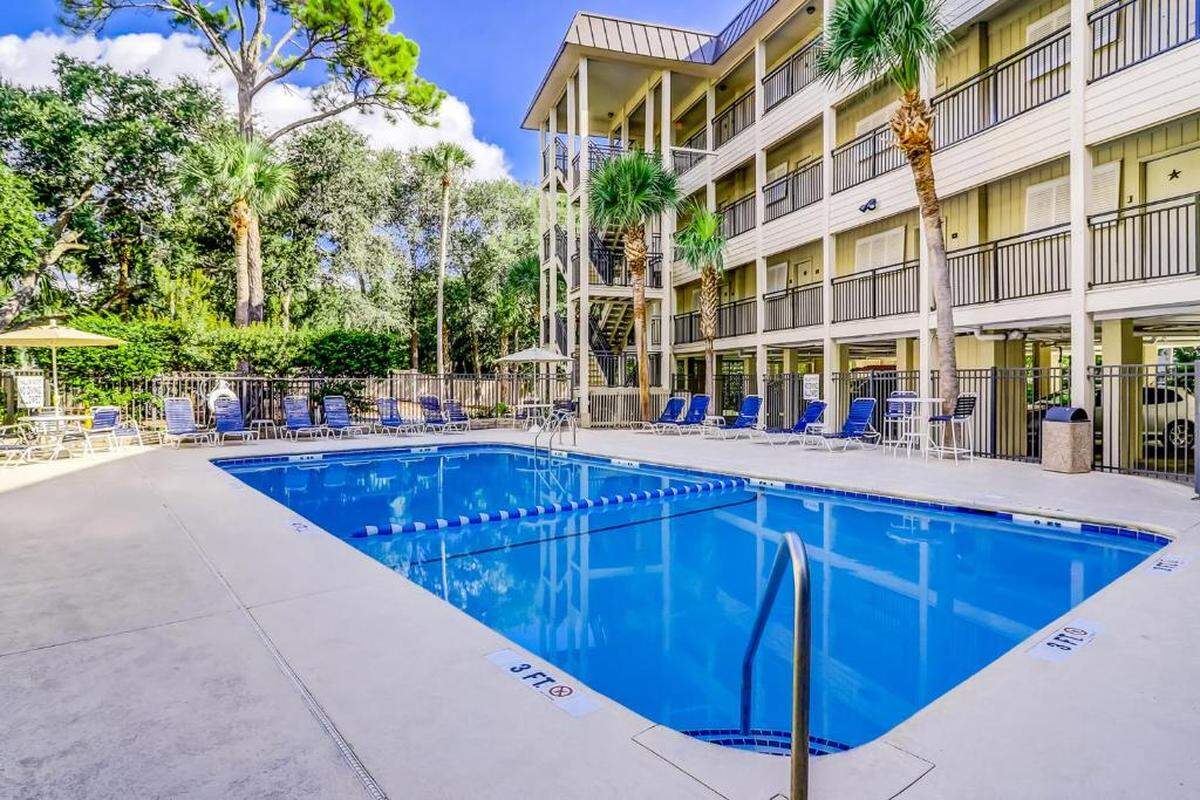
The master policy covers common areas in the condo building. This includes the roof, exterior walls, shared hallways and stairwells, recreation rooms, elevators, pools, exercise rooms, parking garages, walkways and even the down to the pickleball courts.
To be certain what is covered by the master policy versus an individual policy, it’s a good idea to reach out to the property management or POA for a copy.
Owners also need an individual policy
Individual owners are responsible for securing a condo insurance policy for their unit that’s separate from their property management or POA’s master policy for the condos in the association.
Unlike homeowner insurance policies, condo owner individual insurance doesn’t include coverage for the physical structure of the property. That is generally covered by the master POA policy. This is the most significant difference between a typical homeowners policy and a condo policy. A typical (single family) homeowners policy covers everything. Condo insurance splits the coverage into two policies, the master and the one that covers the interior of each individual unit.
“(Inside your condo) the condo association is only responsible for ensuring bare walls, floors and ceilings,” he said. “Say your ceiling collapsed because of a hurricane - that’s on the master (policy).”
Similar to typical homeowner coverage, condo coverage should include liability protection, coverage for personal belongings, and additional living expenses coverage if the condo became temporarily uninhabitable.
When a storm hits, “Inside your individual unit, you’re at fault,” Friedlander said, adding that condo insurance should include building property protection.
“This type of coverage typically helps pay for repairs to the walls of your condo unit and interior,” he said. This can include items like built-in bookcases, kitchen cabinets and bathroom fixtures.
Owners should also consider adding loss assessment coverage to their plan to help with an unexpected special assessment For example, if a common-area pool needs to be updated, and homeowners are hit with an extra charge or unexpected assessment that year.
“Loss assessment coverage can help protect the condo owner individual from paying out of pocket if their condo association issues special assessments for expenses related to insurance claims for the building,” Friedlander said.
If owners live on a lower floor, owners should add flood insurance. Friedlander said that in Fort Meyers, Florida during Hurricane Ian, third and fourth floors had flooding damage due to the storm surge.
Umbrella coverage gives a condo owner more liability protection and broader coverage for a condo. Once you reach your normal coverage limit, umbrella coverage kicks in. It helps pay for large liability claims or judgments.
“It’ll make you sleep better at night,” Friedlander said. “Anybody who owns property and is at risk of being sued should really have umbrella.”
This article is part of larger reporting on rising condo and villa insurance prices. If you are a villa owner or property manager who would like to share your experience please email mdimitrov@islandpacket.com
This story was originally published May 26, 2023 at 9:10 AM.