Tiny houses, big problems: Beaufort Co. taking steps to ban shipping containers as homes
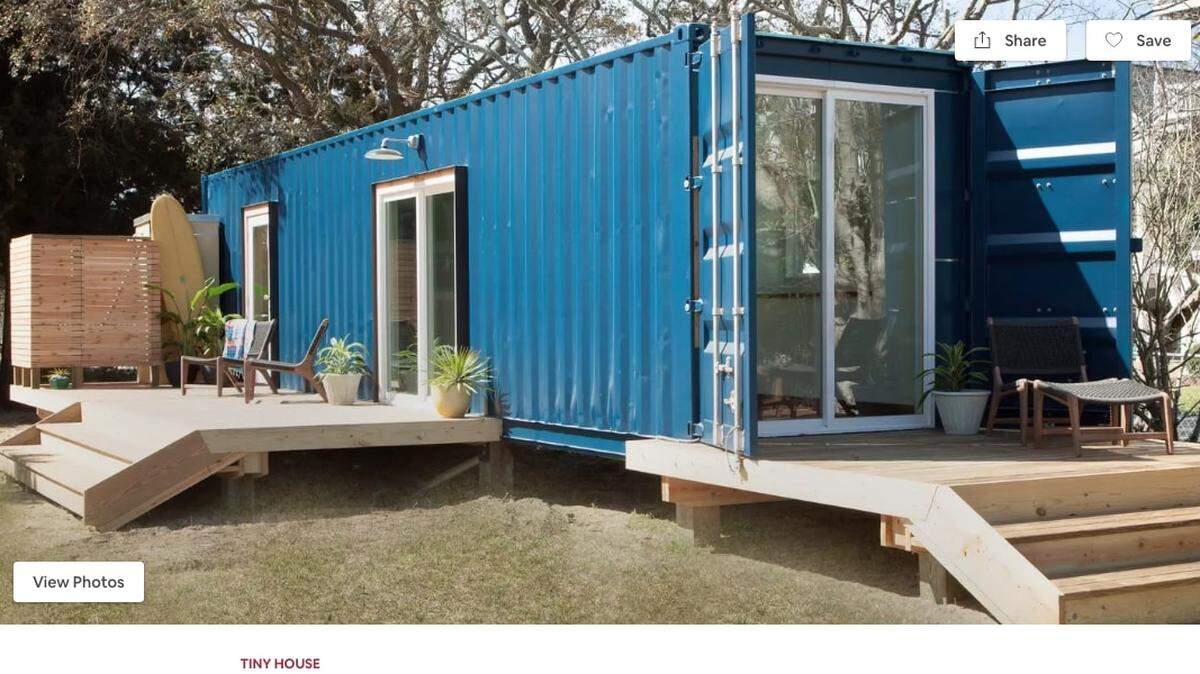
Beaufort County is looking to amend its codes in order to prohibit the use of retrofitted shipping containers as living quarters.
The trend of turning shipping containers into homes gained popularity a decade ago when an Australian couple’s 6,000-square-foot home, made of multiple shipping containers, was featured on HGTV, in conjunction with the tiny houses craze. Since then, shipping container homes have been popping up across the U.S.
But the trend has run into a snag in Beaufort County.
Currently, the county prohibits the use of shipping containers as building expansions, but because of interpretation issues with the county’s community development codes, shipping containers are not outright prohibited as standalone residences.
County Administrator Eric Greenway said it’s his position that the shipping containers already fail to meet the definition of a building under the community development codes. But, the county planning staff and code enforcement staff don’t think that’s the case, he said.
“So, the best way to deal with that is to draft an ordinance to make sure the community development code is clear that it’s not something that we want to have established in the county as a residential construction option,” Greenway said.
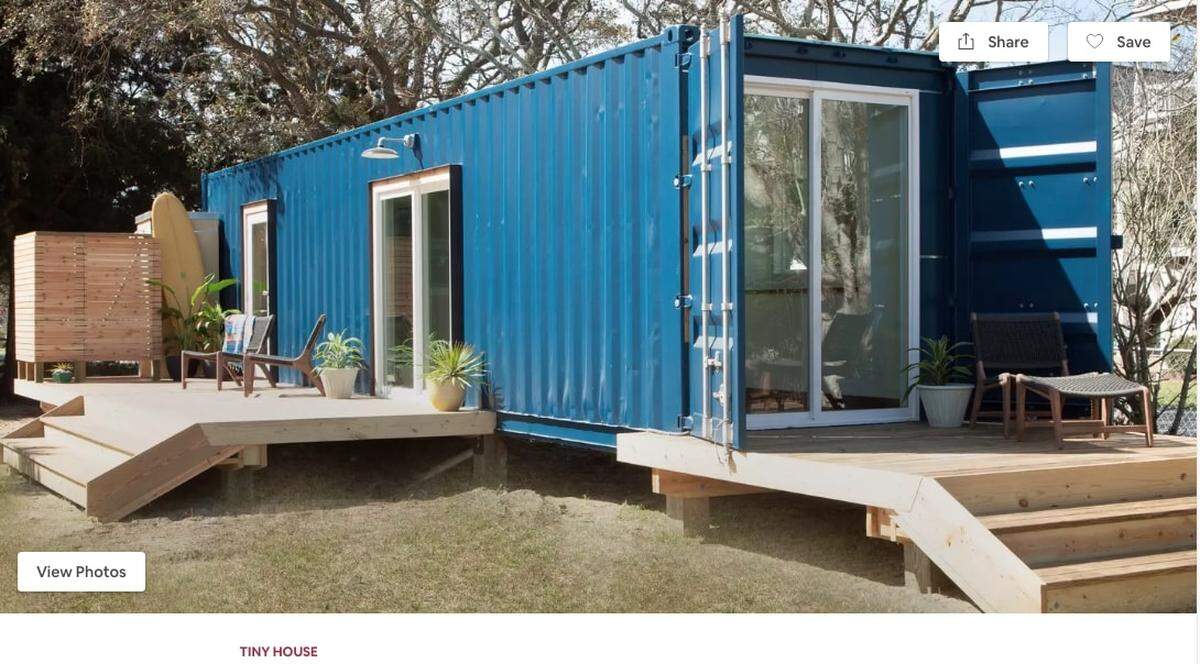
Smaller, more basic container homes range in price from $10,000 to $35,000, depending on amenities, retrofitting and installation costs, according to multiple sources, including buildwithrise.com and other internet sites. Shipping container homes, in some cases, can cost half as much per square foot than traditional wood structures.
The county, concerned with the sustainability of the containers, wants to create standards that ensure homes constructed now do not become problems for potential buyers later.
For one thing, shipping containers, if not properly maintained, can rust. Then there’s ventilation and other issues that can arise.
“Building codes and standards exist for the benefit of the long-term ownership of homes and residents and dwellings, ‘‘ said Chuck Atkinson, Assistant County Administrator, Development & Recreation Division. “A steel box is very problematic on many different fronts.”
According to county spokesman Chris Ophardt, the county’s concerns include:
internal air quality management and sustainability
concealed space mold prevention
rusting as a result of salt in the county’s coastal air
internal and external moisture management issues associated with temperature fluctuations and persistent condensation
The container(s) would have to be engineered like a “NASA capsule” to manage moisture, according to Atkinson.
“It’s just not a good practice for us to allow that as a potential dwelling type of construction,” said Greenway.
The ordinance will only keep the containers from being used as residential structures, any use outside of living in one, for instance agricultural usage, will still be allowed.
The Beaufort County Council last week voted 9-1, on first reading, to amend the community development codes to restrict the use of the containers as dwellings. Councilman Logan Cunningham of District 7, was the vote against.
Cunningham’s opposition was mainly over how the ordinance could affect already existing tiny homes in Bluffton.
This story was originally published October 31, 2022 at 9:51 AM.