Beaufort County passes $89M in school impact fees to developers, home builders
Beaufort County Council on Monday approved fees that will raise the cost of building new homes south of the Broad River by thousands.
The fees, which must be paid by developers or home builders prior to receiving a building permit, will pay for Beaufort County School District construction needed to keep up with the area’s explosive growth.
The County Council approved the fees 7-4 on final reading Monday night. However, the fees will be collected only on new homes in unincorporated parts of the county.
Although the ordinance states that the fees will be collected on all new homes in Bluffton, Hardeeville and Hilton Head Island, those municipalities have not agreed to sign on through intergovernmental agreements, according to county spokesperson Chris Ophardt.
The town of Hilton Head Island hasn’t taken up the fees, Hardeeville hasn’t given an answer, and Beaufort County has not decided whether it will accept the revised agreement Bluffton submitted, he said.
After Monday’s approval, home builders in unincorporated parts of the county will pay $9,535 on single-family dwellings and $4,508 per unit in multi-family dwellings. The fees takes into account school construction and renovation projects from the 2019 referendum that were designed to raise capacity.
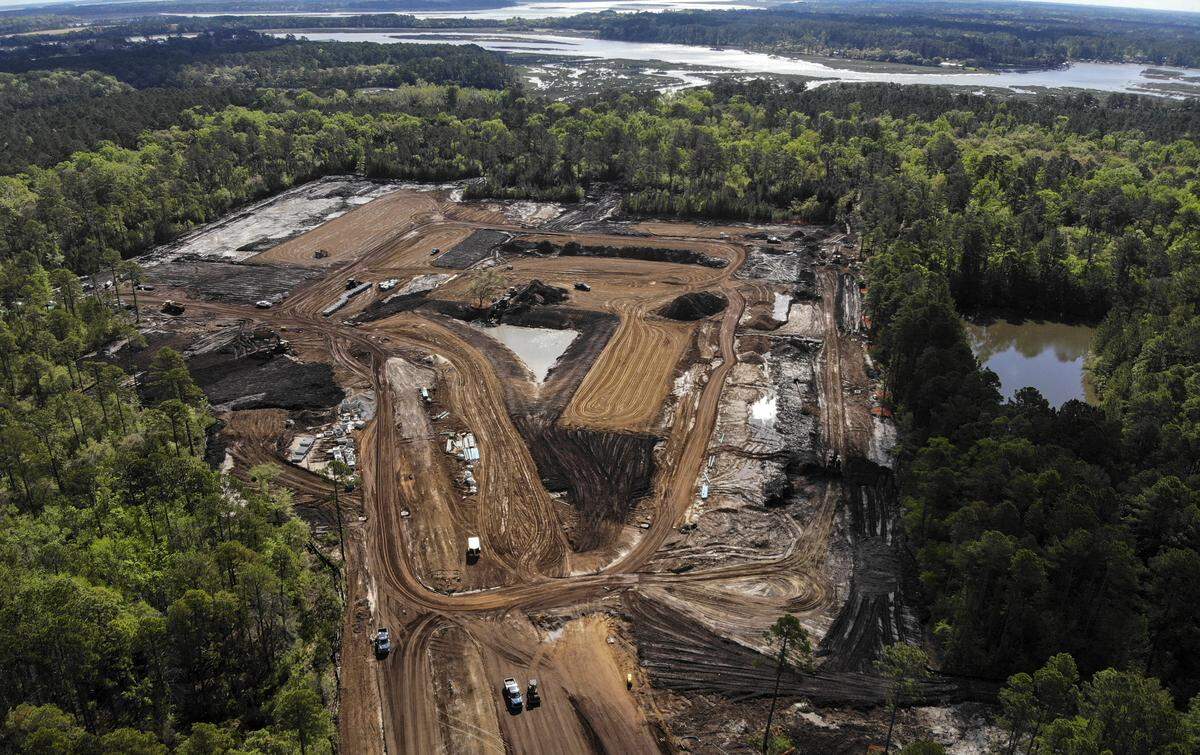
The Beaufort County School Board unanimously approved the fees in June 2020, but they had been on hold because the County Council needed to adopt them.
The district will use money from the fee — which could net an estimated $89 million over the next decade, analysts said in 2019 — to offset the cost of school construction South of the Broad.
The fee comes as southern Beaufort County is facing immense growth and development pressures. Stretches along S.C. 170 and U.S. 278 are expected to have hundreds of new building permits in the next year for residential projects such as Pepper Hall, Malind Bluff and River Oaks.
The district has warned that schools South of the Broad have been overcrowded for years — and the problem will get worse if development goes unchecked.
In 2020, the district’s chief operations officer, Robert Oetting, warned that officials “should be building a new school every two to three years” to keep up with growth in Bluffton. Otherwise, the district will need between 108 and 152 new mobile classrooms just to house students in the next five years, he said.
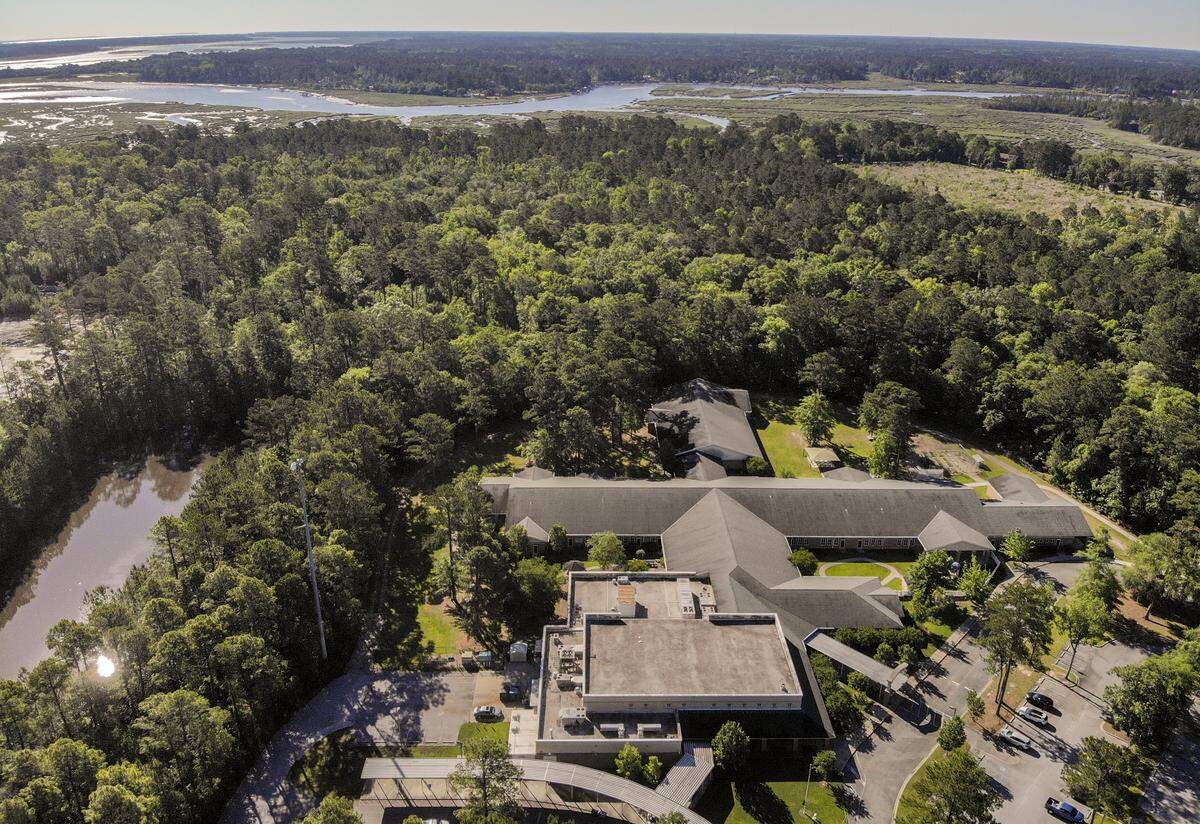
In 2020-21, the district reported that nine of its 32 campuses were above 90% capacity, with all but one located South of the Broad. That’s taking into account ongoing construction from 2019’s $345 million school bond referendum and the district’s first enrollment decrease in the better part of a decade.
Between 2019-20 and 2020-21, the district lost 1,173 students — about 5.7% of its total enrollment. District officials have said the loss is mainly attributable to parents opting out of pre-kindergarten and kindergarten enrollment during the pandemic, and are expecting a return to normal enrollment next school year.
But critics of the new fees say they may hurt first-time homeowners throughout southern Beaufort County — an area in dire need of affordable housing for its workforce. Others, like Council member Brian Flewelling, criticized Beaufort County for moving the fees forward without unanimous approval from other municipalities.
Earlier this month, Bluffton approved a revised agreement with Beaufort County to accept the fees. The agreement had two modifications:
▪ No fees will be levied on any affordable housing units developed by Bluffton, nor on Bluffton property through a public/private partnership or joint venture;
▪ Homes between 80% and 90% Area Medium Income (AMI) will pay a 50% discount on fees. Homes between 91% and 100% AMI will pay a 40% discount.
Called Tuesday, Council Vice Chair Paul Sommerville said the county has not yet decided whether it will accept Bluffton’s modified agreement. He said it’s unfortunate that the other municipalities haven’t signed on, but the county will start collecting the fees in unincorporated areas.
“I’m disappointed we haven’t heard positive responses from the municipalities,” he said, “but I don’t control what they do.”
This story has been updated to reflect that Hilton Head Island hasn’t officially said no to the impact fees.
This story was originally published June 29, 2021 at 3:31 PM.