
‘Prolonged Vietnam’: Attorney says Callawassie court ruling is one battle in long war
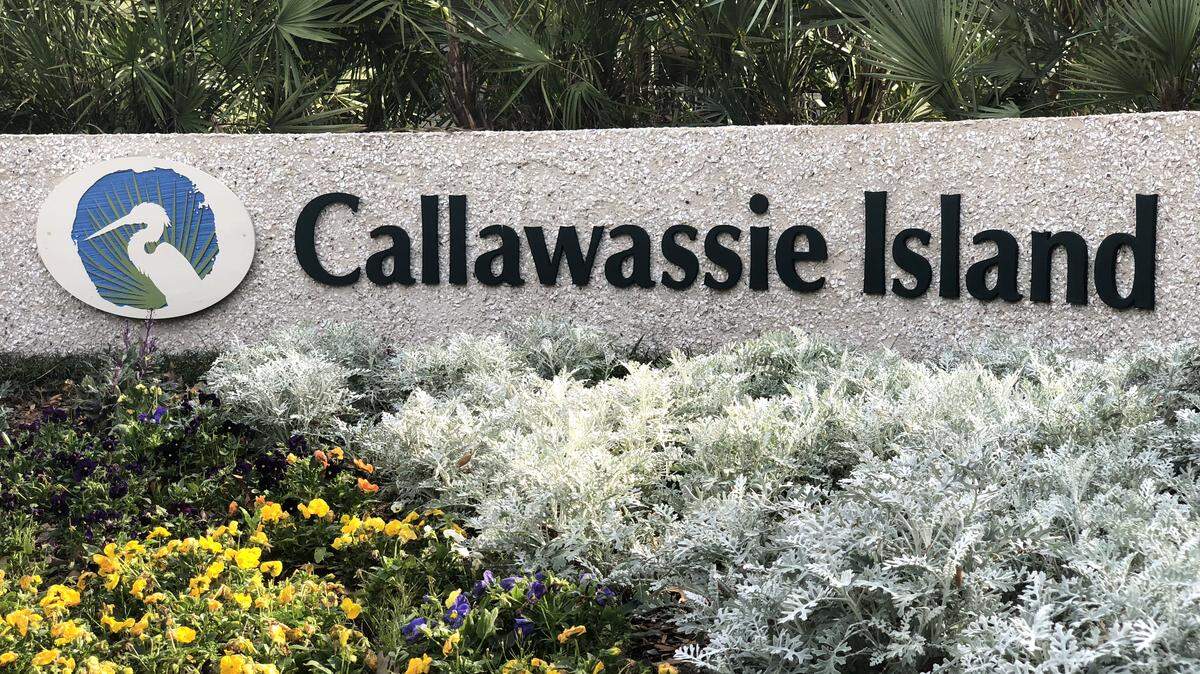
A sharply divided state Supreme Court ruling this week doesn’t mark the end of a yearslong dispute related to a private Beaufort County community’s membership policies, an attorney for community members said Thursday.
The state’s highest court ruled this week that a Beaufort County couple owes Callawassie Island Club for dues accrued even after resigning membership in the club, finding the community’s governing documents are clear on the matter. The case is one of dozens of similar cases in various stages of the court system and overturns an earlier appeals court ruling in favor of the couple.
“This is just one more battle in what is essentially a prolonged Vietnam of Callawassie,” said Ian Ford, a Charleston attorney whose firm represents numerous club members fighting lawsuits brought by the club. “We’ve had a lot of battles in the past, over and over again. This is one battle, and there are going to be a lot more in the future.”
Ford doesn’t believe the opinion has larger implications for other private communities requiring mandatory memberships with property ownerships because the issues are specific to the various documents governing Callawassie membership over the course of almost 25 years, he said.
The S.C. Supreme Court delivered the opinion in a 3-2 ruling Wednesday. The court’s majority opinion said Ronnie and Jeanette Dennis, who bought a home on Callawassie Island in 1999 and resigned their membership in 2010, are responsible for the unpaid dues from the time of their resignation until a circuit court ruled in the club’s favor in 2014.
Callawassie Island heralded the decision in a news release as broad affirmation of the club’s rules, which say members must pay dues until the membership is transferred to someone else, and as a victory for similar private communities that also require memberships with the purchase of property.
“We have always been confident of the validity of the club’s governing documents and are pleased that the court system has agreed and confirmed that members are responsible to pay the amounts they owe to the club until their memberships are transferred,” said Jeff Spencer, the club’s general manager.
A phone message for Andrew Lindemann, an attorney representing the club, was not returned as of Thursday afternoon.
The private riverfront development between Beaufort and Bluffton offers 27 holes of golf, fishing, tennis and kayaking.
The Dennises paid a $31,000 initiation fee in 1999 and $634 in monthly membership dues, plus a mandated $1,000 annual minimum in food and beverage purchases, according to the Supreme Court ruling.
The couple had argued that a club manager told them their obligation ended at four months of dues, at which point they would be kicked out of the club. They also contended the dues policy violated state law related to nonprofit organizations, under which membership ends when a member resigns.
During the Great Recession, property values and interest in such golf communities dipped.
The club has filed dozens of lawsuits in recent years against members who resigned membership and didn’t continue to pay dues. Some club members have filed for bankruptcy, and others have tried to sell their property at drastically reduced prices.
When the Dennises became members, they agreed to continue paying their dues in the face of financial difficulty, health issues or “sudden disinterest in being members of the club,” Justice John Cannon Few wrote for the majority. That’s how the club remains viable and ensures costs aren’t forced onto remaining members, the opinion said.
The S.C. Court of Appeals has ruled in members’ favor in multiple cases, including three cases earlier this year.
Ford noted the close 3-2 decision included a strong dissent and that the majority opinion specified the decision only applied to the circumstances of this particular case.
“It’s nice to win and it’s hard to lose,” he said. “But if I had won this one, I would not be confident about the dozens of other cases.”
Ford said his clients have the option within 15 days to ask the state’s high court to reconsider its ruling, a decision that had not been made as of Thursday morning.
The Supreme Court case hinged on the language in various documents that have governed the club’s membership since 1994. In upholding a circuit court ruling in favor of Callawassie Island Club, justices for the majority pointed to rules and bylaws from 2008 and 2009 they said applied to the Dennis’ resignation in 2010.
The club has consistently argued all of the governing documents since 1994 require resigned members to continue paying dues until their membership is transferred to someone else, the majority opinion said.
To rely on the documents the ruling cited is “stunning,” Justice Kaye Hearn wrote in dissenting along with Chief Justice Donald Beatty, because the club and earlier trial judge had not adequately identified the papers as the governing documents. Requiring resigned members to continue paying dues could lead to an “absurd result,” Hearn wrote.
Members suspended from the club have four months to pay debts before they are expelled, ending their obligation, she said.
“Instead of attempting to resign, members have more incentive to simply become ‘bad neighbors’ and behave in such a way as to encourage the Club to suspend them, because suspension places them in a better financial situation than resignation,” Hearn wrote.
This story was originally published August 30, 2018 at 3:42 PM.