
Declining number of bees, other pollinators alarm beekeepers (with video)
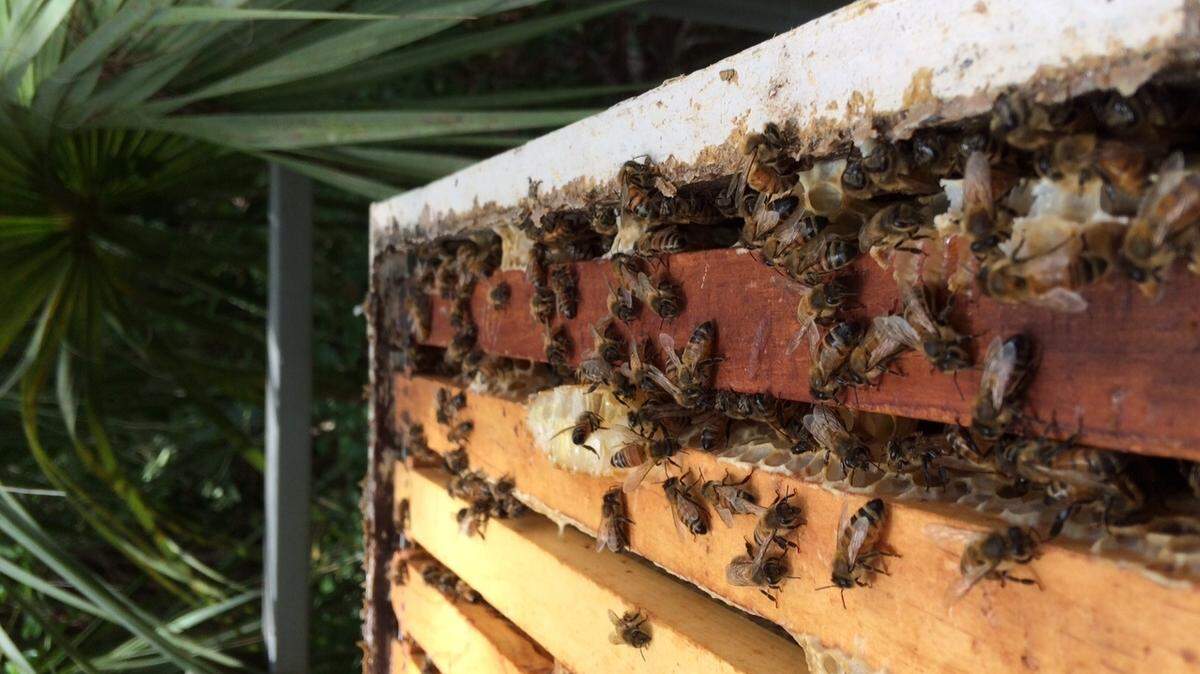
While David Arnal's small gated plot at the Coastal Discovery Museum is home to hundreds of thousands of worker bees, his hives' numbers used to be much greater.
Arnal, who owns 60 honey bee colonies on Hilton Head Island, lost 20 percent of his bees last year -- about twice as many as he's used to losing. While beekeepers expect some colonies to die, and are able to rebuild them each year, the Beaufort/Jasper Beekeeper's Association president says he's starting to worry the losses are becoming unsustainable.
And that's in a state whose honeybees are faring better than most.
Nationwide, the outlook is even more grim, according to Arnal and other bee experts. That's despite a recent push by the White House to revive pollinator populations nationwide. The plan -- released in May ahead of National Pollinator Week's kickoff today -- would increase habitats and research to protect the insects.Bees do far more than produce honey.
Commercially managed honey bees distribute pollen to about one third of the country's crops, helping grow everything from apples, okra and avocados to allspice and cotton.
While it has been about five years since beekeepers first began reporting mass hive losses, a condition known as Colony Collapse Disorder, the exact cause is unknown. Studies have suggested viruses from mites, diminishing habitat and climate change are contributing factors. Arnal and others say the White House's plan does not go far enough in restricting a fourth threat -- pesticides.
One class of insecticides known as neonicotinoids is particularly widespread, and can be toxic to bees, he said.
"We're starting to get to the point where you can't make it back up," Arnal said.
From April 2014 to April 2015, the country lost about 42 percent of its total 2.74 million colonies, the second highest annual loss record to date, according to preliminary survey results by the Bee Informed Parternship.
Some of the organization's results were more optimistic.
An estimated 23.1 percent of honey bee colonies in the country were lost over the winter, a slight improvement from 23.7 percent the previous year, according to Bee Informed, which is supported by the U.S. Department of Agriculture and National Institute of Food and Agriculture.
South Carolina also fared relatively well.
While some states lost up to 60 percent of their honey bee colonies, South Carolina's losses were the third lowest in the country, at just 26.6 percent.
Only Hawaii, Nevada and Oregon had hardier honey bees.
No state, however, is experiencing an acceptable level of losses, and scientists are not sure what makes the numbers rise or fall each year, said Jennifer Tsuruda, Clemson's Extension and research bee specialist.
"We're still losing way more than we're comforntable with or what's sustainable in the long term," she said.
Though honey bees face three main threats -- pesticides, pests and parasites -- Arnal said he is most worried about the first. He said pesticides used on Hilton Head Island's extensive landscaping and golf courses are a major killer of honey bees, and should face stricter regulations by the government.
Arnal said he is particularly dissapointed in the White House strategy released in May, which aims to hold winter honey bee losses to no more than 15 percent within 10 years.
The plan provides money for more bee habitats and research, and the Environmental Protection Agency announced the same month it would restrict the use of insecticides where commercial beekeepers are trucking their hives from farm to farm.
Arnal says the strategies do not go far enough in limiting pesticides, which interact with each other within hives to harm adult bees and their broods.
"It has exponential affects that no one has studied because there's so many combinations," Arnal said.
Ron Weisburg, a Sun City beekeeper, says chemicals and clear-cutting land for development have an even greater impact on native bees, which don't build hives and don't have honeybees' natural resilience.
Those insects and butterflies often die or leave an area when people remove the plants where they lay their eggs, replacing the valuable weeds with more appealing, exotic flowers and plants., said Carlos Chacon, natural history manager of Coastal Discovery Museum.
That creates a desert for butterflies, Chacon said.
"We're trying to create a burlesque of color and we're screwing everything up," Weisburg said of many landscaped yards. "(Pollinators) are gifts from God and we don't really respect it."
Tsuruda agreed the plan does little for native bees, though she said it is a big step forward for most pollinators.
For one, the White House plans to create a Monarch butterfly corridor along the West Coast to help the insects migrate.
Reviving populations nationwide will take more research, she said.
"There's still a lot of unknowns," Tsuruda said. "Until we can figure out why we have these swings, we're really not sure where we'll be next year."
Follow reporter Rebecca Lurye on Twitter at twitter.com/IPBG_Rebecca.
Related content:
- The busy bees at Beaufort Academy are the real deal, Dec. 16, 2014
This story was originally published June 12, 2015 at 1:05 PM with the headline "Declining number of bees, other pollinators alarm beekeepers (with video)."