
Historic Beaufort Foundation updates guidebook with 15 years of new information
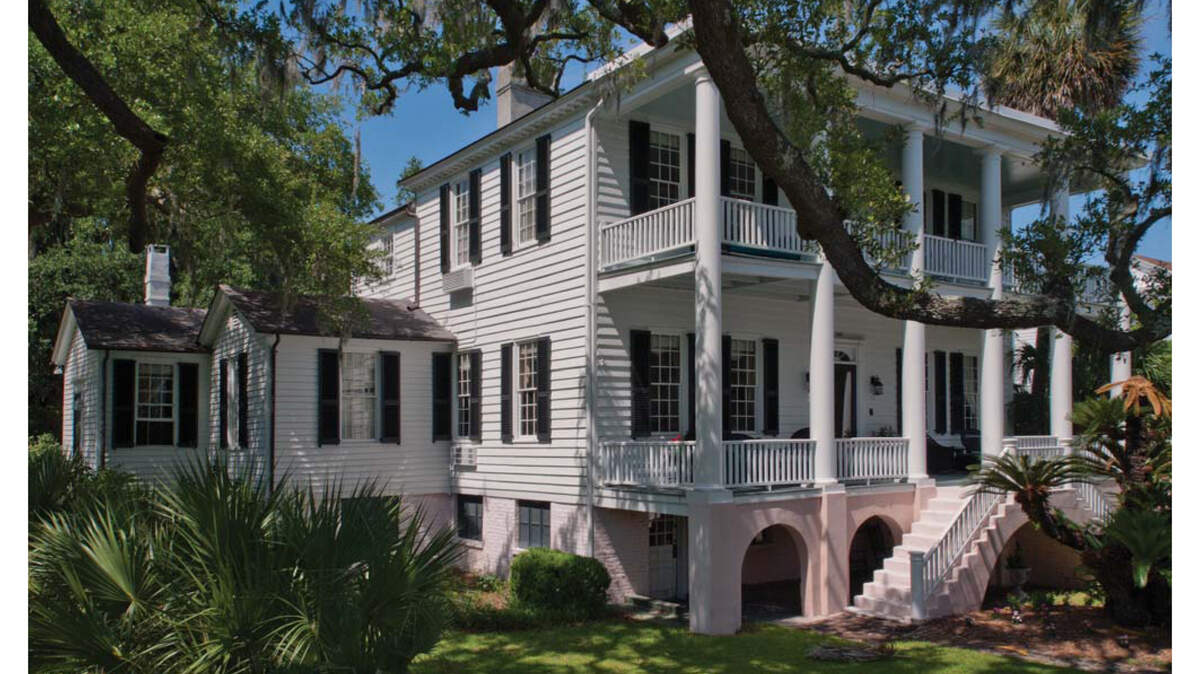
Doris Mouzon was hesitant to open her door to a stranger Thursday afternoon. But when that stranger said she wanted to know more about her home's history, Mouzon brightened and beckoned the visitor inside.
"It was the house that was used as a boarding place for well-known black celebrities," she said. "... Blacks couldn't stay in a white hotel, and (my husband's) mother was a great cook."
The Scott Street home has been added to the most recent edition of the Historic Beaufort Foundation's Guide to Historic Beaufort. The last update was in 1999.
The Mouzon House, built in about 1890, is one of 35 buildings and places added to the 10th edition, which includes 170 of the 500 historic buildings in the downtown historic district.
Like many of the additions this time around, the focus is on not only the architecture, but the stories of the families who lived there. Foundation executive director Maxine Lutz said she wanted the guide to include more than just popular tourist stops.
In the mid-1900s, Marie and Norman Mouzon hosted a number of prominent black visitors, who were largely directed to the home by Robert Smalls High principal W.K. Alston.
"He was the one who was always trying to get these nice people to come through and teach the kids what they had been through and what they had accomplished," Doris Mouzon said.
Among them were fighter Joe Louis and his trainer, gospel singer Mahalia Jackson, educator Mary McLeod Bethune, singer Paul Robeson, and African-American college presidents Benjamin Mays of Morehouse College and Mordecai Johnson of Howard University. Also paying a visit was contralto Marian Anderson, whom the Daughters of the American Revolution denied a chance to sing in Constitution Hall in 1936 because of her race, according to the Historic Beaufort Foundation.
"Some people are just so surprised -- like out-of-towners -- to find out this house has so much history," Doris Mouzon said.
For the first time, the guide includes color photographs, taken by local photographer Paul Keyserling, and graphics by Louise Coleman.
The historic district was added to the National Register of Historic Places in 1969 and declared a national historic landmark in 1973. It includes downtown, The Point, The Bluff, the Old Commons and the Northwest Quadrant neighborhoods.
Much of the new information was compiled by a previous director, Evan Thompson, Lutz said.
Among the updates are more detailed information about architectural styles found in Beaufort and how they are tied to specific events and periods during the city's 300-year history.
"For example, each building was built in a period of Beaufort's history -- the grand mansions in the flush of cotton wealth, the commercial downtown following the 20th-century fire that devastated the 19th-century buildings, the modest cottages built by freedmen just after the Civil War," Lutz said.
The book is $25 and available at the Historic Beaufort Foundation, the Verdier House or by calling 843-379-3331.
Follow reporter Erin Moody at twitter.com/IPBG_Erin.
Related content:
- Historic walls in Beaufort quit talking, start lecturing
- Beaufort Historic District on top 10 Great Neighborhoods list
- On its 40th anniversary, city's Historic District still strikes "a delicate balance'
- Historic Beaufort Foundation
This story was originally published December 14, 2014 at 6:10 PM with the headline "Historic Beaufort Foundation updates guidebook with 15 years of new information ."