Beaufort County to roll out updated impact fees to meet demands of growth. Who pays them?
After a year of working to get agreements between the county’s towns and cities, Beaufort County has passed updated impact fees.
As new development puts a strain county infrastructure, impact fees will help, in part, fund the cost of expanding and adding capacity to county facilities. County administrator Eric Greenway says the fees are important because they keep part of that cost off the taxpayers.
The fees are collected from developers when issuing building permits involved in building new housing and other infrastructure to accommodate people moving into the county. The money generated will go to road improvements, parks and recreation, libraries and fire services.
Unlike a general fund, impact fees can only be used to fund capacity-related improvements.
“It doesn’t cover operations,” said Assistant County Administrator Chuck Atkinson. “It is specifically for adding capacity to the services we provide to offset the expense of new people who are coming here.”
For instance, as new development increases the need for fire services, impact fees can be used to fund the purchase of new fire trucks or build a new fire station. Impact fees can’t be used to replace a fire truck or remodel an existing fire station, because that wouldn’t increase the facilities’ capacity.
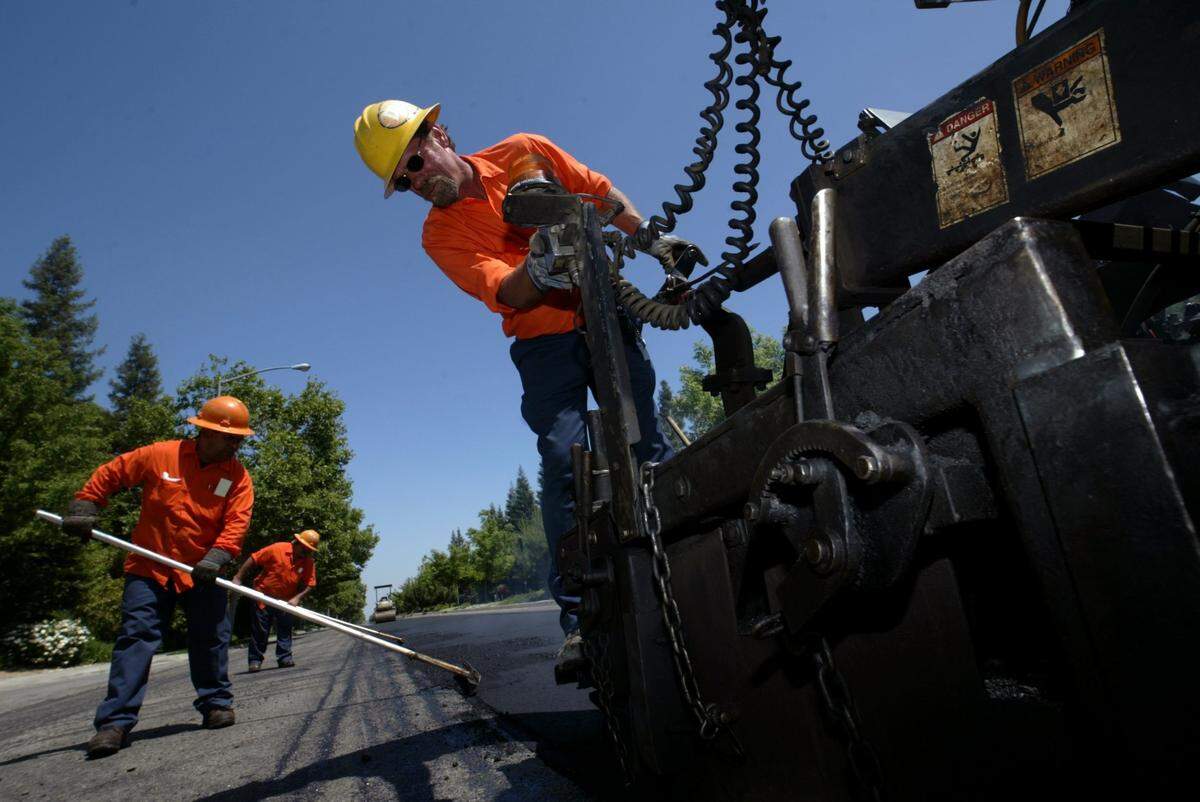
Besides fire equipment, impacts will help fund new parks, new library branches, new roads and traffic signals, road and bridge widenings and interchange and intersection improvements.
County Councilwoman Tab Tabernik described herself as a strong proponent of impact fees since they’re not paid by taxpayers, and if they weren’t collected, the money to improve the infrastructure would come out of the general budget, she said.
“Developers keep adding homes and businesses, like in Bluffton where it’s exploding,” said Tabernik. “That’s putting a strain on our infrastructure.”
Some argue that these impact fees are just passed on to home and business owners, while others point out they’re generally paid by those who will be using the new facilities most. Ideally, impact fees will keep some of the costs off residents in more rural areas of the county that aren’t seeing as much growth.
Here’s a breakdown of how much money the county expects each impact fee to raise by 2033:
North of the Broad
▪ Road Facilities: $29,860,891
▪ Parks and Recreation: $4,243,418
▪ Libraries: $3,580,784
▪ Fire: $6,316,028
South of the Broad
▪ Road Facilities: $37,742,618
▪ Parks and Recreation: $3,638,828
▪ Libraries: $3,360,712
▪ Fire (Bluffton): $10,195,965
Hilton Head Island won’t be collecting fees for parks and recreation or fire, according to Atkinson.
Resetting the fees
Impact fees are nothing new. The county has been collecting them since the 1990s and updating them every five years based on population trends, according to Atkinson.
Last year, impact fees made the news when school impact fees were repealed. A major concern with the school fees included municipalities not paying in their parts of the county. This meant that unincorporated communities were paying more to fund improvements such as build new schools that did not benefit them.
After repealing the school impact fees, Beaufort County put voting on the other fees on hold because municipalities were concerned about the fund being equitably distributed across their jurisdictions.
Since then, the county has worked with the cities and towns to address those issues and one by one they approved the intergovernmental agreement, or IGAs, needed to enforce the fees inside municipal jurisdictions. Currently, all municipalities have signed the IGA but the city of Beaufort.
The Beaufort City Council will discuss impact fees at a work session March 28.
If passed by Beaufort, the county can go live with the updated fees in a month or so, according to Atkinson.
This story was originally published March 24, 2023 at 11:00 AM.