Jasper port will get another $1.29 million. That’s not enough, Beaufort lawmaker says
Georgia and South Carolina officials approved another $1.29 million last week for work to bring a new port terminal to Jasper County.
That’s a fraction of the $6 million the states’ lawmakers committed to the project during the next year, and the news drew objections from a Beaufort state lawmaker who feels more of the money should be spent now to prepare for the port.
“We want to get this thing done sooner rather than later,” said state Sen. Tom Davis, R-Beaufort.
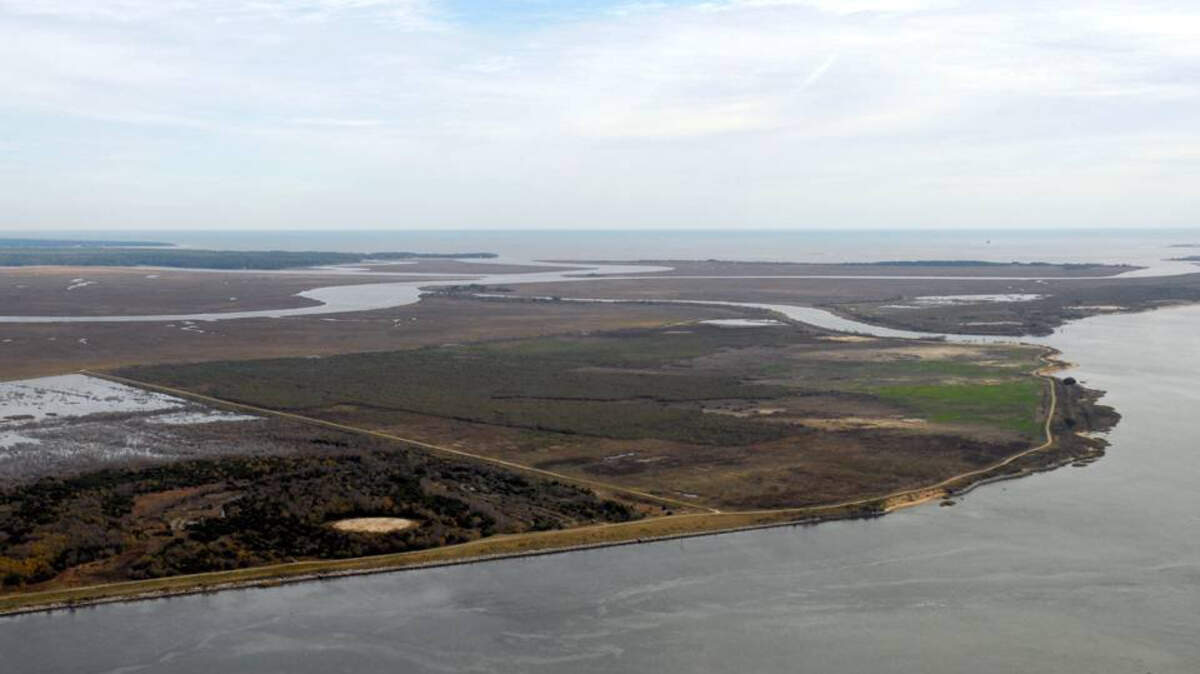
The long-planned Jasper Ocean Terminal is proposed for 1,500 acres on the north bank of the Savannah River in Jasper County, anticipating that the ports in Charleston and Savannah will reach capacity. Supporters such as Davis say the $5 billion project would be transformational for the surrounding areas, which are some of the poorest in the state.
Port officials in Georgia and South Carolina now believe the first phase of the project won’t be needed until the mid-2030s as the competing terminals find more room for cargo.
In the meantime, a lot of preliminary work must be done.
Georgia and South Carolina each committed $3 million for preliminary work on the project during the next year, a total of $6 million that could be used for permitting and engineering. South Carolina lawmakers also approved an additional $5 million for the project to purchase 1,400 acres off Interstate 95 known as the Sherwood Tract.
But during a meeting July 29, the joint board overseeing the projects set aside only $1.29 million, with each state contributing half the cost.
Of that, $830,000 is marked for a year of environmental studies needed to secure required federal permits. The remaining money will go to the design of the terminal.
David Posek, a S.C. Ports Authority board member and chairman of the Jasper port board, said the budget deal affirmed each state’s commitment to the project.
He told the Post and Courier the remaining $4.7 million available for preliminary work would be set aside in a special account for future needs.
“We didn’t want to waste money on tasks that would have to be repeated,” Posek told the newspaper.
Davis said he understood the rationale, but that plenty of productive uses for the money now would not require updating before the port is built.
For instance, a wetlands site needs to be bought and given to the U.S. Army Corps of Engineers to offset the property lost to the port, and rights-of-way need to be secured to bring rail lines to the port, he said.
“The two port authorities need to pick up the pace,” Davis said.
The Associated Press contributed to this report.