
The book of Ecclesiastes in the Old Testament can help us find our happiness quotient
Is it still possible today to be a happy person? By happiness I mean still searching for fulfillment in our lives? If not, then why?
Is it because of the normal challenges of aging let alone surviving a pandemic? This COVID-19 pandemic, especially for the Medicare generations, has made us face our mortality in a profound and immediate way. The virus has surely done its job in compelling us to see what we didn’t want to see about how vulnerable we were to it. Yet, didn’t the pandemic open our eyes to important realizations about our happiness and meaning in life quotient?
Did it led us to realize that despite the years we have under our belt we still want to live and we still want to find meaning in life and enjoy our lives in these so-called golden years? Isn’t life just as precious in our 80s and onward as it is in our 20s?
The younger generations are also contending with change and the immediacy of challenges to the way they live, too. How does that impact their happiness quotient? Work culture, for example, has undergone an amazing transition. Will the millennials go back to the office?
Young couples report that the future is work remotely and in many cases employers do not have plans for them to return to an office setting. They feel that their productivity is as good if not better than when they were in an office setting. Yet we are seeing indications from the corporate world that they should begin to go to the office. Those changes will definitely enhance or diminish the happiness and fulfillment quotient for the nation’s work force.
Our educational system has been impacted dramatically and child rearing as well. Some will say that they are happier because they have been spending more time with the kids and others will indicate the opposite feelings because of these dynamics.
When all is said and done, despite these major changes, we ask, ‘Are we happy?’ Do we find meaning with our lives? Where is the pathway that we can walk down to discover our happiness quotient?
Just walk into any book store and examine the self-help section. We will find hundreds of books to offer us guidance on leading a happy and meaningful life. Go to YouTube and find your favorite preacher or organizational guru and listen to their sermons and speeches on your favorite television channel or streaming service for the kind of counseling to navigate these choppy waters in the near future.
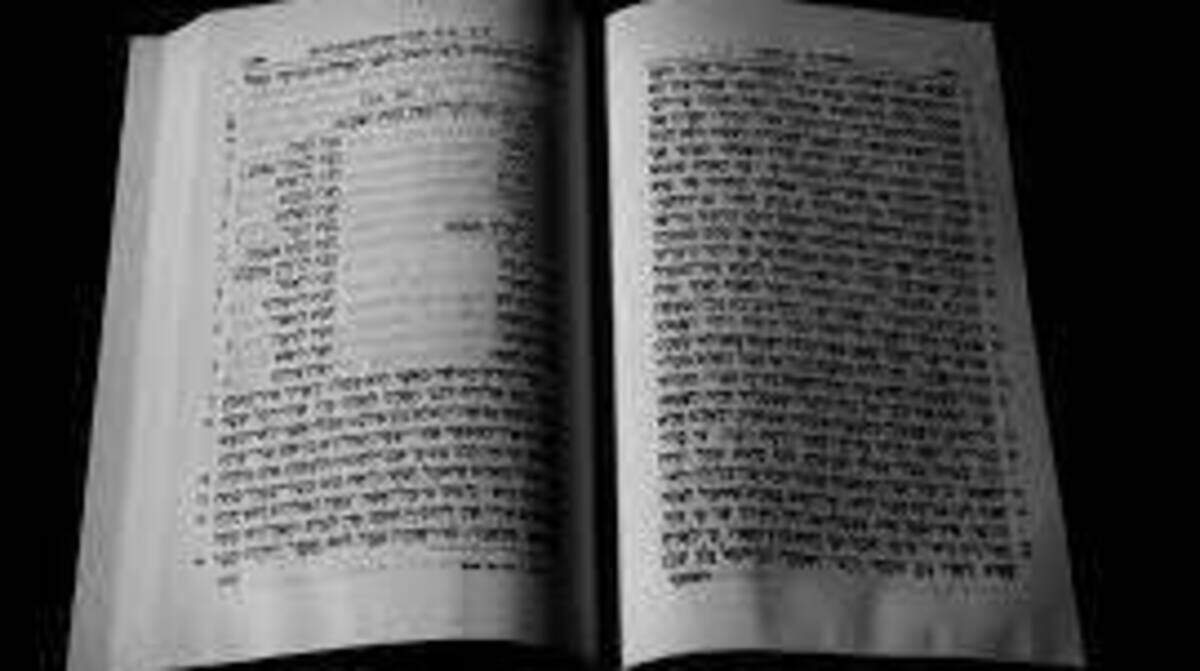
There is one more book that should give us additional perspective besides self-help books: the Bible’s Book of Ecclesiastes. I am not sure iwhether people read this fascinating book in the Jewish Bible but it certainly does deserve our attention. It is a book of 12 chapters and is found in the Wisdom literature section of the Bible alongside books like Job, Lamentations, Proverbs, Song of Songs, and the Book of Ruth.
Jewish tradition says that Solomon wrote Song of Songs in his youth and Proverbs in his middle age. He wrote Ecclesiastes (probably dated 180 BCE), in his senior years. At first glance the book reads like some CEO who reached the epitome of wealth and success and then decides to take a hard and honest look at what he achieved. The result of his introspection is that he rejects most of the material wealth and power of his earlier years.
He speaks a great deal about wisdom and pleasure and is brutally honest about the unnecessary toil that we invest in our ascending to the heights of the career ambition in life. Ecclesiastes, meaning the Preacher, comes to grips that all the hard work and the rewards really didn’t matter much in his later years as it did when he was climbing the ladder of power, prestige and personal wealth.
He writes: “It is all useless, Ecclesiastes said, it is all useless. Everything is useless” (1.1). It is a book of philosophy and an autobiography too. He adds, “What do you gain with all your work, with everything you do under the sun?” (1:3)
What is so powerful about this book is that he is asking the same kinds of self-probing questions about his life that we are still asking about ours over 2000 years later. So not much has changed about human beings because we have something inside ourselves that makes us ask, ‘Have we truly found happiness in our lives? We discover that our understanding about happiness is completely different than equating it with financial success or prominence in our respective jobs or professions.
Ecclesiastes takes us on his personal journey and at in the end he reminds us about a simple lesson concerning fulfillment in life. “The last word, everything having been said and done. Revere God and keep (God’s) commandments, for this applies to every person” (12:13).
Ecclesiastes is good reading and will give us practical guidance about finding that happiness quotient. He urges us to not waste our time in accumulating things and, instead, stay focused on fundamentals. He cautions us to not get caught up in our own self-importance. After a lifetime of being the wealthiest man in ancient Judea, it all comes down to living by core values like belief in God and following in the pathway of living an honest and decent life. Everything else is a distraction.
This story was originally published February 16, 2022 at 11:20 AM.