Peace be with you? What post-coronavirus church will look like in the Lowcountry
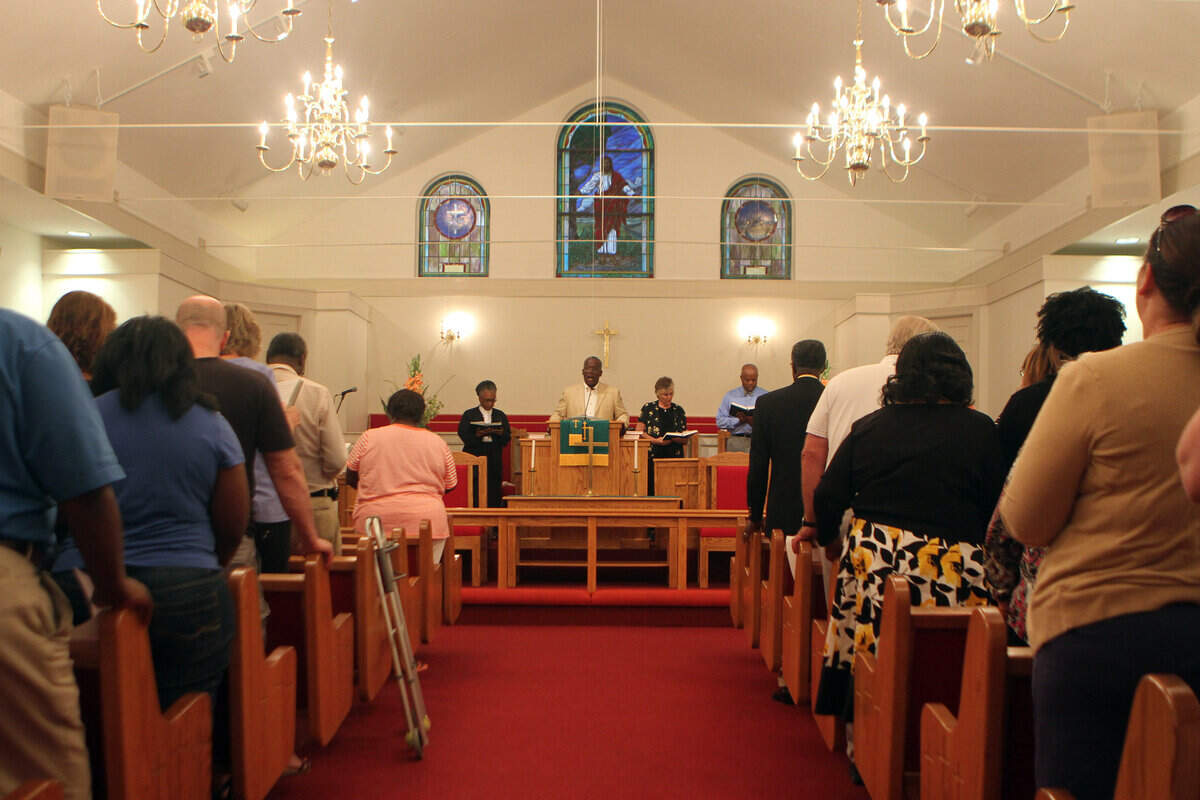
For the past seven Sunday mornings, Pastor Louis Johnson has arrived at his darkened Hilton Head Island church, stood at the pulpit and delivered a sermon to an empty room.
Save for a small camera and the gracious member of the media team who operates the livestream, Johnson projects his message without seeing any of the people he’s connected with nearly every Sunday for 22 years at Central Oak Grove Missionary Baptist Church.
Johnson, and dozens of other Beaufort County church leaders, have used livestreaming, Zoom, Facebook Live or other media platforms to lead worship and interact with congregations throughout the coronavirus pandemic. Now, as the state begins to ease restrictions, some faith organizations are making plans to reopen.
Church will undoubtedly be different. Some church leaders say they will close alternate pews and restrict bathroom access. Others will do away with church traditions such as “sharing of the peace” or communal coffee hours.
And although local churches have no grand reopening date, coordination among several southern Beaufort County churches shows how collaborative worship in a post-COVID-19 world will have to be.
Beaufort-area churches seek ‘the gift of patience’
At Baptist Church of Beaufort, pastor Landon Collins had just wrapped up a Bible study on Zoom on Thursday morning. He would be recording the Sunday service in advance, to be broadcast on Facebook Live.
Church staff are drafting plans for what worship will look like when doors reopen, but it won’t be in May. That much is certain.
A group text message with some other area pastors revealed similar sentiments.
“Being together, we want to hug one another and say hello — the fellowship part is really important,” Collins said. “If it’s so sad to be together and not be able to do those things, we don’t feel that would be beneficial.”
Sea Island Presbyterian Church pastor Steve Keeler said his church also has no plans to return immediately. Doing so, he said, will be more of an adjustment than people realize.
Church leaders are following the guidance of health officials and civic leaders, and they still feel a responsibility to avoid large gatherings.
“What the leadership of Sea Island wants to be very careful about doing is, we do not put any member of the congregation in harm’s way because of wanting to get back too quickly, and then have somebody become ill,” Keeler said. “We’d find that to be devastating. Everybody would very much like to return to our normal schedules and doing the things we’ve been called to do, but it’s important to practice the gift of patience.”
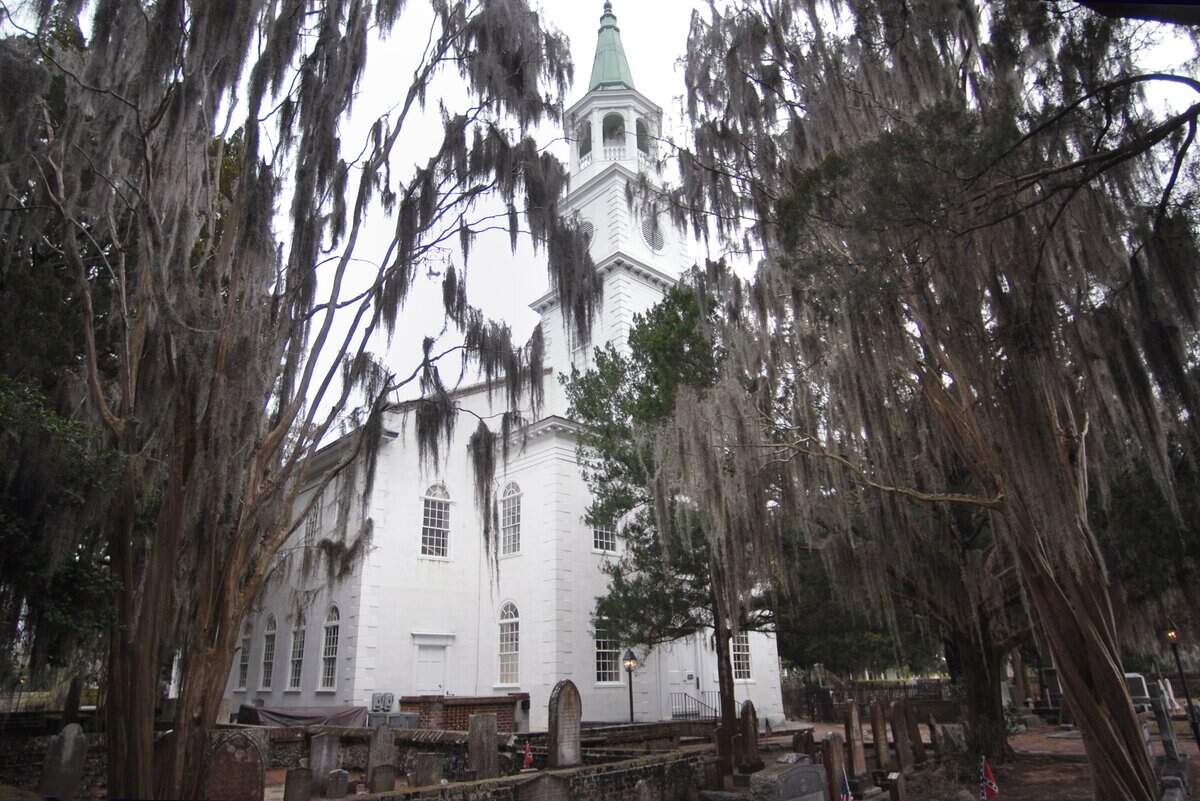
‘Preaching to an empty room’ in Bluffton
St. Gregory the Great, a Catholic church, will resume daily mass Monday. According to the church’s Friday announcement, worshipers will be required to socially distance during the service and the Eucharist, which will limit space — “once the church is full, the overflow will proceed to the Parish Life Center which also has been configured for social distancing.”
While St. Gregory’s announcement came after Bishop Robert Guglielmone of Charleston OK’d his diocese to resume services, other churches are still waiting for guidance from higher-ups in their denominations.
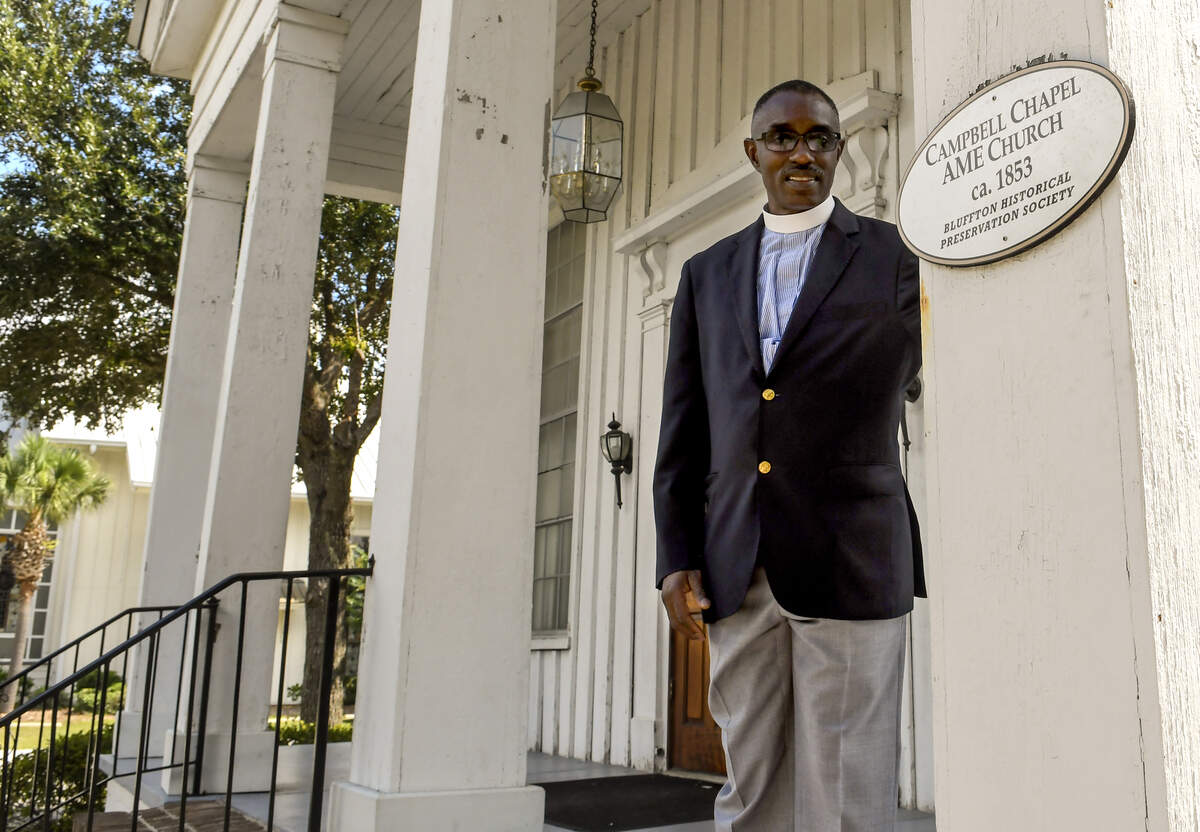
Campbell Chapel AME pastor Jon Black said he’s waiting to hear from South Carolina bishop Samuel Green, who’s conducted regular check-ins with clergy but hasn’t given a timeline on reopening.
Pat Simmons, office administrator for Bluffton United Methodist Church, said the congregation would be online at least through May 20 and didn’t have “any indication from the bishop” on when their building would reopen. In the meantime, pastor Joey McDonald is hosting services and near-daily chats with his congregation on YouTube.
“He’s tired of preaching to an empty room,” Simmons said.
Lowcountry Presbyterian Church is closed through May 31, pastor Christine Herrin said — in part because of uncertainty surrounding the governor’s orders, and in part because they need time to plan what for happens when they do reopen.
“Do we have to rope off every other pew? Do we have to sanitize between services? We’re using this time to discuss that,” she said.
Church coordination on Hilton Head Island
On Hilton Head Island, congregations’ plans to reopen are varied, and some church leaders are members of a 23-person committee compiling a plan to reopen at the request of the Hilton Head Island-Bluffton Chamber of Commerce.
First Baptist Church on South Forest Beach Drive, which hosts hundreds of tourists renting nearby each week, appears to have the most concrete reopening plan.
Brett Meyers, the church’s pastor, said Wednesday that although the church has not set a firm reopening date, it will increase its number of services each Sunday from one to two or three to spread out the 350 that typically gather. Services will be shortened from over an hour to around 45 minutes, and every other pew will be closed to encourage social distancing, Meyers said.
Other churches on the island have been given the go-ahead to restart services, namely the Catholic parishes that take guidance from the Diocese of Charleston and Bishop Robert Guglielmone.
Guglielmone announced May 2 that Mass could resume starting Monday. But Hilton Head Island parishes have not shown any signs that they would resume Masses.
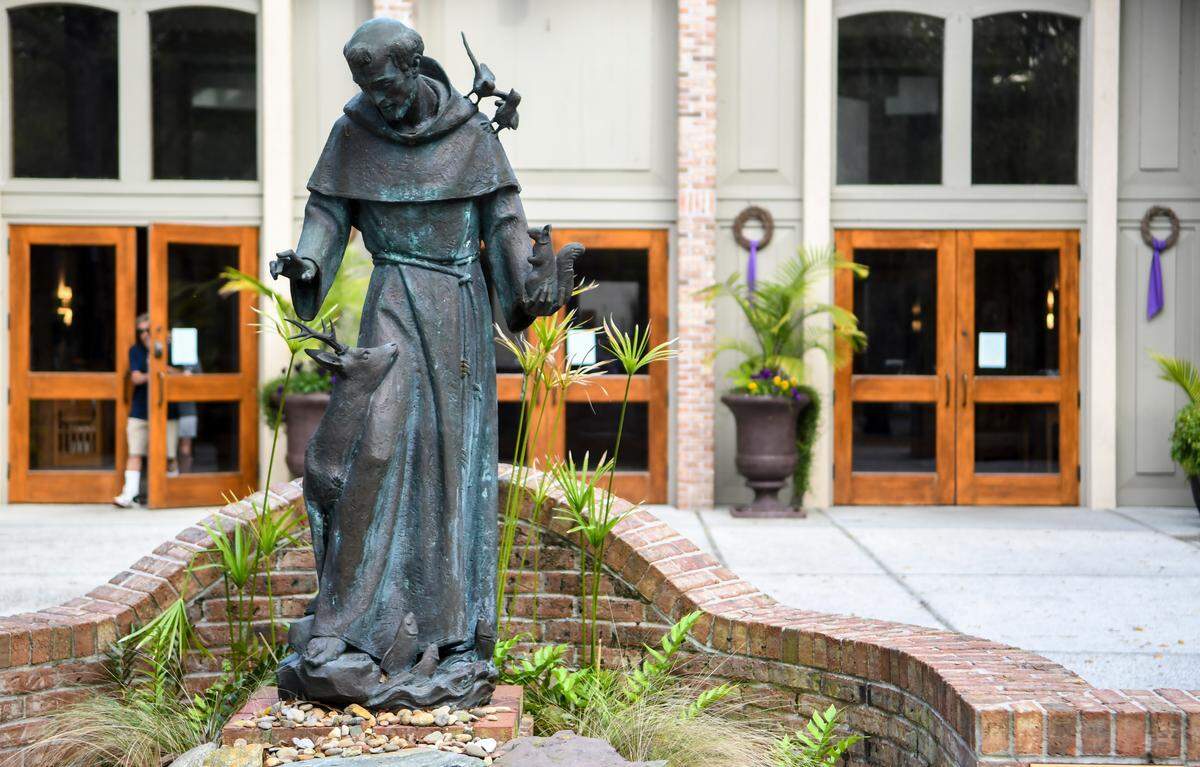
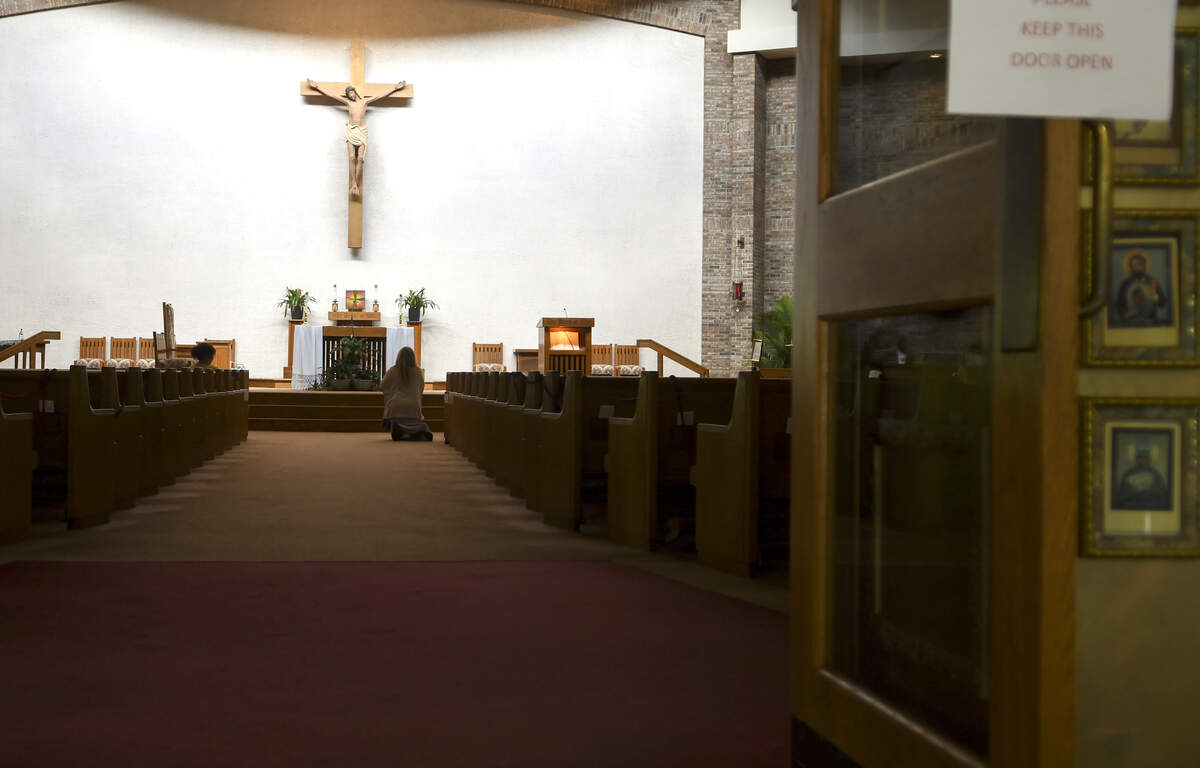
Both Holy Family Catholic Church and St. Francis by the Sea have been open for limited hours throughout the pandemic to parishioners to come and pray, but neither has updated church correspondence to announce an opening date.
At St. Luke’s Episcopal Church, Rev. Greg Kronz said his congregation will likely be back in church by early June. When they return, he said they’ll see some changes: They won’t kneel to receive communion or drink wine from shared glasses.
Although it strays from tradition, Kronz said, “if you’re going to be responsible, you’re going to have to put some precautions in place.”
At Hilton Head Community Church, lead pastor Todd Cullen said “reopening is not walking in, turning the lights on and you’re ready to go. It’s going to have to be more of a build-up.”
Cullen, the chair of the chamber’s committee on reopening churches, said the group’s discussions have established “guardrails” that faith-based organizations can use to reopen services, such as children’s programming, small groups and food service.
Hilton Head Community Church, along with several other Protestant churches, have agreed to coordinate opening dates, but the committee did not set a date for all congregations on the island to reconvene.
Cullen said his church will continue to meet virtually until at least the end of May.
For Cullen and his congregation, one of the most difficult parts of post-COVID-19 church is going to be social distancing guidelines.
“Down here in the South, church culture is lots of hugs and handshakes,” he explained. “Those things are just going to be in the past.”
Johnson, at Central Oak Grove Missionary Baptist Church, echoed that.
“The warmth, the embracing, the touching… we’re going to be missing all that,” he said. “There’s a period where we would get up and go across the sanctuary and hug. That’s all out the window now.”
Missing a seat at the table?
Cullen’s committee, which was assembled only two weeks ago, has released its report on how to reopen churches safely.
But some significant voices appear to be missing from the effort: No representatives of the island’s historic native islander churches were able to participate.
That makes Johnson a little skeptical of the chamber committee’s plan, which will soon be distributed to churches.
“The worship experiences overlap a lot, we face pretty much the same things,” Johnson said. “Having not had a seat at the table, I’m not going to say I’ll follow something I’ve never seen.”
Rev. Dr. Alvin Petty of the First African Baptist Church and Rev. Edward B. Alston of Queen Chapel AME are both listed on the chamber’s committee charter, but Cullen said he did not recall either of the two being able to attend the group’s meetings to give input.
“The historic churches play a huge role in this community,” he said. “And this has been fast. I had to move my schedule around to meet the deadline.”
Calls to Petty and Alston were not immediately returned Thursday.
One church starting, another holding off in Jasper County
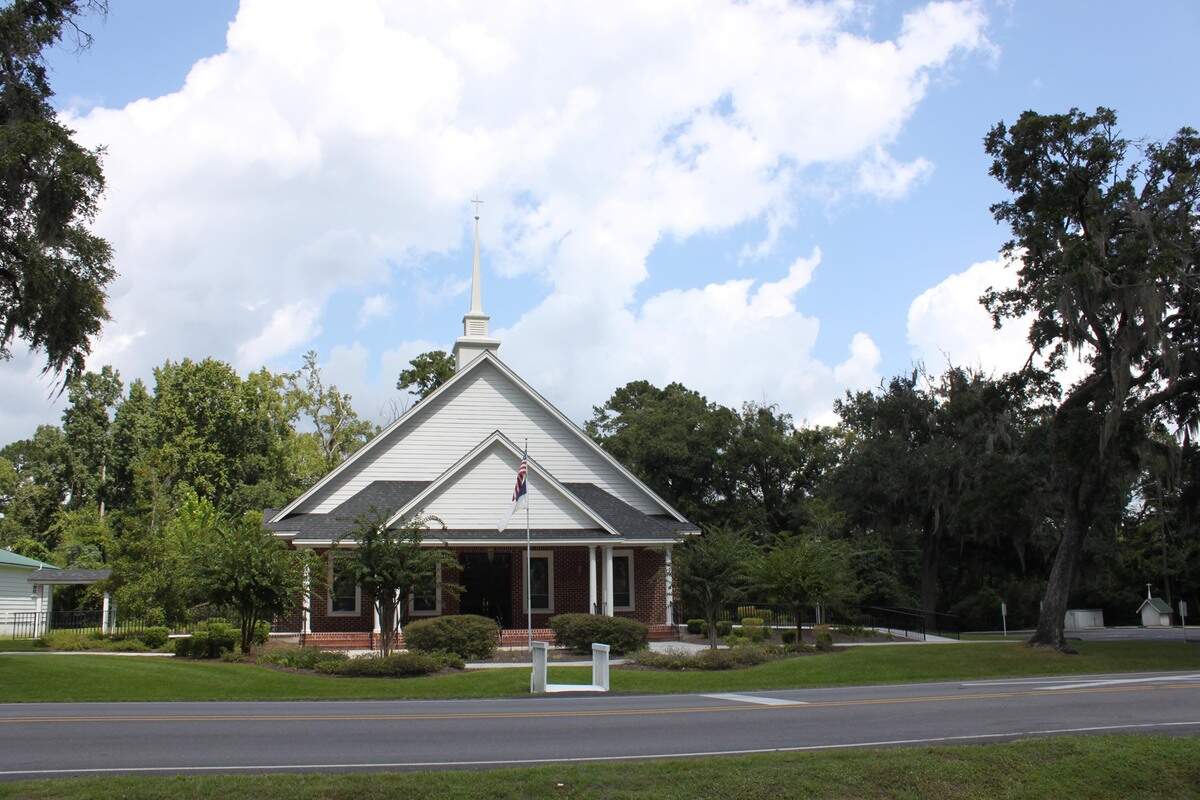
Leaders of Coosawhatchie Baptist Church in Jasper County are meeting Wednesday to decide when to resume their Sunday and Wednesday in-person services.
Like other churches, factors in the decision will include the latest recommendations from the CDC and S.C. Department of Health and Environmental Control, in addition to common sense, Pastor Allen Perry said. Residents from six counties are represented in the congregation, so he said it’s important to consider that people are “coming from all over,” as well.
“We’re anxious to get back,” he said. “But we don’t want to put anyone in danger or be a part of the problem.”
The church has about 180 members who regularly attend. Most are older and in the higher-risk group for contracting coronavirus.
“Our church atmosphere is friendly and loving, so handshakes and hugs are nothing uncommon, and that’s being discouraged,” Perry said. “I’ve never seen anything like this in my life, and I don’t quite know how to best do social distancing in the church.”
Whenever services start again, Perry said they’ll probably ease back into how things were, such as doing Sunday and Wednesday services but holding off on Sunday school initially.
And even then, he doesn’t think everyone will attend immediately because they’re nervous or because a doctor has advised them to not do any outings, including to the grocery store.
For now, Perry, who has been pastor at Coosawhatchie Baptist for 23 years, said he’ll continue recording the sermons he preaches to an empty building and posting it to Youtube and Facebook, and delivering DVDs of the sermon to members who don’t have Internet.
Meanwhile in Ridgeland, a smaller church resumed services Sunday.
Faith Baptist Church’s Pastor Michael Scott said the decision came after several weeks of not holding services in the church and even more weeks of everyone “practicing doing what we should have been doing all along,” such as handwashing.
He said the church is taking extra precautions. The typical crowd of about 35 people will be staggered throughout the pews rather than grouped together. Hand sanitizer will be available, and the doors will probably be left open to allow fresh air to flow.
“This is all new to everybody, whether you’re a church or a business,” Scott said. “At this point, I don’t see it as any different than going to the store, though.”
The benefit to livestreaming
As congregations in Beaufort and Jasper counties prepare to return to their places of worship, many have unlocked a new frontier of spreading their message: The livestream.
Lowcountry Presbyterian pastor Christine Herrin has hosted services on YouTube since mid-March, and may continue once the church reopens. Herrin said she’s “realistic in knowing some people will be reticent” to come to in-person services once they’re offered, as her congregation has a high percentage of members who are particularly vulnerable to coronavirus.
But while Herrin’s had success in sharing pre-recorded services online, she was unsure how they’ll manage to livestream sermons in real time — “we’re still figuring it out.”
Rev. Jon Black of Campbell Chapel AME has taken his services to Zoom, rather than a Facebook or YouTube livestream. He said “less tech-savvy” members find it easier to use, since they can call in and listen over the phone rather than using a computer to stream video.
The church used a conference call system “long before this” that eased the transition to Zoom, he said, and will continue to do so once the church reopens.
Black said he’s seeing “great attendance” on the Zoom calls, especially from attendees outside the region — a trend that other clergy are seeing as well.
On Hilton Head, Rev. Kronz at St. Luke’s Episcopal Church said livestreaming has brought a different benefit.
“Our reach has expanded dramatically,” he said. “This has been kind of a great experiment for us, and the reach is tremendous.”
Kronz said his church’s typical Sunday population is between 300 and 400.
The livestream is reaching 600 to 700 people.
Because of this, Kronz said his congregation will continue to livestream even after the church reopens — although he doesn’t exactly know when that will be.
“The Lord is using this to touch lives,” he said.
This story was originally published May 10, 2020 at 6:00 AM.