
Jukofsky: Let planning take root in your garden efforts
I spent much of a recent day looking at the new garden catalogs to see what's new for autumn and winter that we can grow in the Carolina Lowcountry.
Back home in New Jersey, this was a February-by-the-fire chore -- only the catalogs were for spring and summer.
Why am I doing this now?
Because our garden nurseries are thinking about the fall and placing their orders. It won't hurt all of us to do likewise.
Planning ahead is a large part of an attractive garden.
If you're a new resident, you may be thinking camellias. They're both showy and surprisingly sturdy. They take the cold as well as the extreme heat we are experiencing now without damage. There are five varieties to choose from: a formal double; a crimson with five layers of petals; a peony form that's a knock out with layers and layers of petals; a white semi-double and a single white; and an anemone with delicate pale pink petals.
Camellias are spectacular plants during our long, hot summers. No, they don't flower now. They grow and produce more glossy green foliage.
Thankfully there are many plant varieties that seem to thrive in full sun heat.
Cactus, of course, and if you want some drama in your yard, a yucca filamentosa plant. With its huge spikes of bloom and long, swordlike leaves, it can't fail to get attention. It has very deep roots that help it to survive in extremely hot, dry conditions. The two and a half foot leaves are evergreen and the flowers white and in clusters.
Another plant that's spectacular in bloom and requires no attention is our native blue false indigo -- baptisia australis. It grows three to four feet tall and three to four feet wide, forming a clump. It is drought tolerant, grows in full sun, and should not be moved since after three or four years, it forms a clump of beautiful violet-blue flowers that last for several weeks. Blue false indigo is considered one of our most adaptable of native plants. It is low-maintenance because it has no serious disease or insect problems.
The leaves have a bitter taste that keeps the deer at bay. It flowers in spring before giving way to seed pods that rattle in the autumn breeze, earning it the nickname "rattlebox".
While I've been steering you toward the benefits of growing our native plants, I can't ignore what's new in the flower market.
I'm testing new plant varieties myself.
From Southern Living plants I've received an echinacea supreme, and from Loges Nursery an allamanda 'golden butterfly' and a strelitzia reginae 'Bird of Paradise.' All are growing in partial shade.
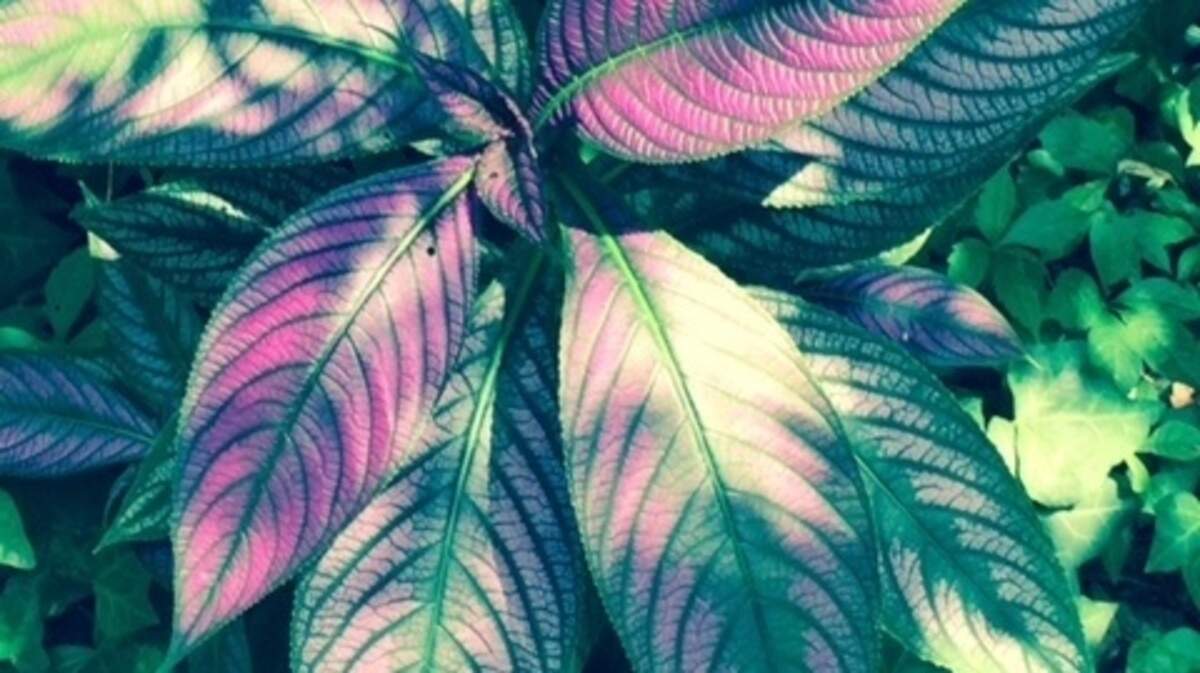
Most importantly this hot July is that I can stand inside by a window and watch the butterflies, hummingbirds, and a pair of gorgeous dragon flies that seem to have adopted my plants. Their favorite plant? It's a five foot rainbow colored coleus grown from a cutting I brought from St. Martin.
Summer tip
For a natural weed killer mix 1 pound of table salt with one gallon of white vinegar. Dissolve the salt in the vinegar and add 8 drops of liquid dish detergent. Store in a labeled spray bottle.
Sixty-year master gardener and environmentalist Betsy Jukofsky has spent three decades on Hilton Head Island learning the peculiarities of coastal Lowcountry gardening.
This story was originally published July 18, 2015 at 12:44 PM with the headline "Jukofsky: Let planning take root in your garden efforts."