
Jukofsky: How to move indoor plants safely to the great outdoors
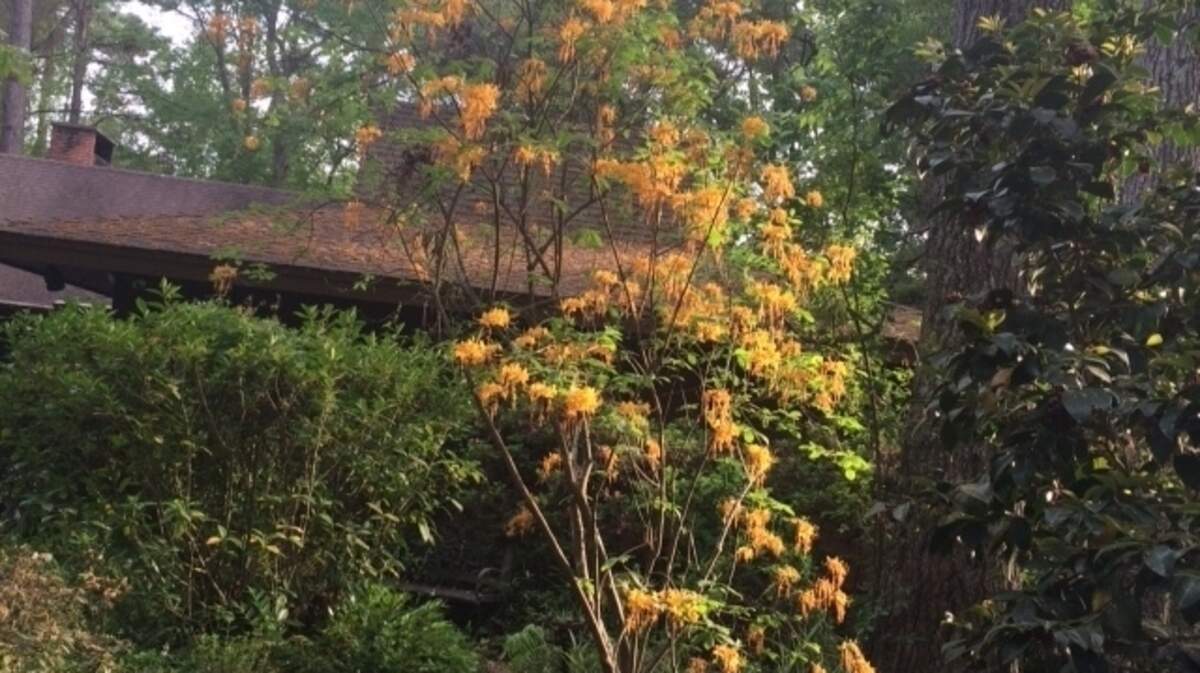
It's spring, and plants are out of the house and into the garden.
But where in the garden?
This is where houseplants and Carolina summers go head to head.
Plants that flowered or fruited in a sunny window indoors in the winter -- the pepper plants, coleus, bougainvillea begonias and impatiens -- will not grow well in full sun outdoors. The morning and late-afternoon sun are best. Despite a low of 28 degrees in my yard in February, the chili pepper plants outdoors dropped a few leaves, and the peppers remained intact.
Another surprise was the amaryllis plants -- their leaves weren't damaged, and their flower stalks began to appear in late February.
For those who have a full-sun garden, pentas would be the first choice because they come in a variety of colors, including red, pink, white and lilac. They will grow as tall as 4 feet and bloom throughout the summer and well into the fall. They attract a variety of pollinators, including butterflies and hummingbirds.
Lantana is another favorite for full sun because of the variety of colors of red, yellow, pink, orange and white. One I've not tried but which sounds fun is beach sunflower. It acts like a ground cover and grows to less than a foot high.
Now is also the time to prune spring-flowering plants after they've flowered. I've just learned that azaleas should not be severely pruned. After flowers have faded, it is best to prune lightly three times before July 15.
It turns out that one severe pruning can shock the plant and disturb its growth. To prevent disease, thoroughly clean pruners after use and before pruning other shrubs and trees.
It is time, too, for the planting of seasonal vegetables.
I was pleased to read that container-grown vegetables are less likely to contract a disease than those planted in ground. These vegetables that belong to the Solanaceae family -- peppers, eggplants and white potatoes -- tend to be affected by the same diseases: early blight, small dark brown spots and fusarium wilt. Use resistant varieties of Celebrity, Big Beef and Better Boy. Bacterial wilt is soil-borne, resulting in a green wilt that makes it appear that the plant needs water. To control it, use disease-free seedlings and plant varieties such as Neptune.
If I could have one garden wish granted, it would be that all gardeners everywhere give up using garden pesticides and practice healthy gardening, using soil loaded with compost and organic matter.
That would provide an environment for healthy, strong plants. Organic mulch will provide a habitat for beneficial predators such as ground beetles, centipedes and spiders.
If you must use pesticides, use a little diatomaceous earth and BT (Bacillus thuringiensis), natural products that can help with specific insects. Did you know less than 1 percent of the pest population can be considered actual pests?
Most bugs are on your side, ready to take on the bad bugs. Plant colorful, flowering plants to attract bees and parasitoid wasps, ladybugs, dragonflies and praying mantises -- my favorite since they're so much fun to watch.
Here's what I learned this past year in the garden:
Sixty-year master gardener and environmentalist Betsy Jukofsky has spent three decades on Hilton Head Island learning the peculiarities of Coastal Lowcountry gardening.
This story was originally published April 25, 2015 at 3:25 PM with the headline "Jukofsky: How to move indoor plants safely to the great outdoors."