
Let's give warm welcome to newest Lowcountry garden club, the Southern Gardeners
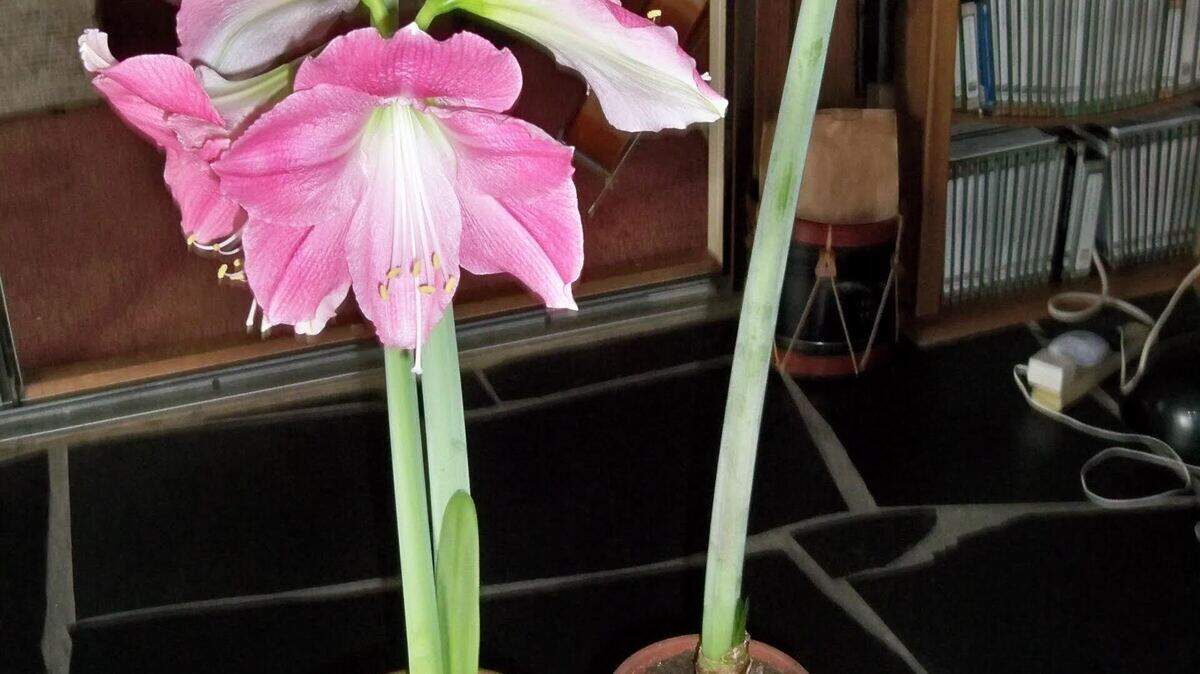
If the weather in January had you confused, think about what it was doing to our winter blooming plants. Camellias in flower were stunned by temperatures in the 20s that then climbed up to the 50s and low 60s. High winds blew protective covers off tender plants and the rain came to drench those covers still in place. It was enough to make a year-round gardener give up winter gardening.
With all that in mind, it's time to go visit a new club in town. They call themselves the Southern Gardeners. Most members have lived here fewer than 10 years and are becoming acquainted with our capricious weather.
In an informal discussion with the Southern Gardeners, we learned it is best to pull excess soil away from the trunks of camellias so air may circulate, deer won't eat Helianthus or angel's trumpet, Mexican petunias bloom all year long, and fall flowering perennials salvia and beautyberry are deer resistant. There is some confusion about camellias and deer resistance. In my own yard, I've had them nibble on newly planted plants, but never on those that are mature.
Here's what else we learned:
Question. Can we grow irises here?
Susan Heyman
Answer. Good question. We used to -- 30 years ago, I grew dwarf iris. Since our hardiness zone -- a gardeners' guide to what can grow in our climate -- has changed, I cannot.
Q. My mandevilla plants got hit with frost and are drooping. Should I let them alone or cut them back?
Linda Holms
A. It's likely we'll have more frost. Unless they're located, I'd leave the pruning until March. If you must prune, take it to just above ground level.
Q. What are the best rose varieties to grow in the South?
Vicki Kiger
A. The one that is resistant to powdery mildew. The Knock Out Rose varieties have done well in my yard, blooming off and on most of the year and without mildew.
Q. Can we grow chives and tarragon here?
Pam Riebesell
A. Chives just love our Lowcountry weather. My one plant is six years old. Some members of our local Herb Society have chive plants that are older. Tarragon? Yes and no. French tarragon cannot exist in our summer heat The good news is that mint marigold (Tagetes lucida) can and will. It tastes exactly like French tarragon and has gorgeous golden flowers in the fall.
Q. Like so many of us, I have a big squirrel problem. How can I keep them from digging up and/or eating my plants?
Suzanne Murphy
A. The easy answer is red pepper: the hotter, the better. I sprinkle cayenne pepper or I use crushed hot red peppers that I grow all year. Not only do the squirrels stay away, come spring, there will be many small pepper plants coming up at the site.
Q. Leaves of my gardenia tree turn yellow come mid-summer. Could it be getting too much sun? It's in a very sunny spot.
Rosemary Barry
A. It could and it is. If small enough to move, it would be happier with half-day sun. Morning sun is best.
Goodbyes to the Southern Gardeners were said after a light lunch and a interesting sandwich made by Suzzanne Murphy, the group's president, who makes a super chicken sandwich. The surprise ingredient? Almonds.Sixty-year master gardener and environmentalist Betsy Jukofsky has spent three decades on Hilton Head Island learning the peculiarities of Coastal Lowcountry gardening.
This story was originally published January 31, 2015 at 4:00 PM with the headline "Let's give warm welcome to newest Lowcountry garden club, the Southern Gardeners."