
Herbs so easy to grow in Lowcountry climate
When this newspaper recently reprinted a column by Joe Gray of the Chicago Tribune on cherry tomatoes, I cut it out to remind myself to share his words with you. He wrote, you see, about Sun Gold cherry tomatoes -- my husband Larry's favorite summer vegetable, and one that I've grown for more than 10 years.
I first spotted what Gray calls "liquid gold" in the annual spring seed catalog put out by Renee's Garden Organic Seeds. I've been a Renee fan since meeting her in San Diego at a Garden Writers Association annual meet many years ago. Her now well-known mail order seed business was just getting started. Since then, I've ordered from her list of vegetables and herbs in late winter, and I've not known a failure.
Sun Gold tomatoes may be the only vegetable that does not need an herb to enhance its flavor. Leastwise, I don't think so; the fruit disappears as fast as I can pick it. Herbs remain the best substitute for salt. They are easy to grow in our climate; many varieties thrive in summer and winter months. I've always thought it interesting that the old sonnet "Parsley Sage Rosemary Thyme" are herbs that grow here all winter long. This quartet zipped through our low temperatures last January without so much as a limp leaf.
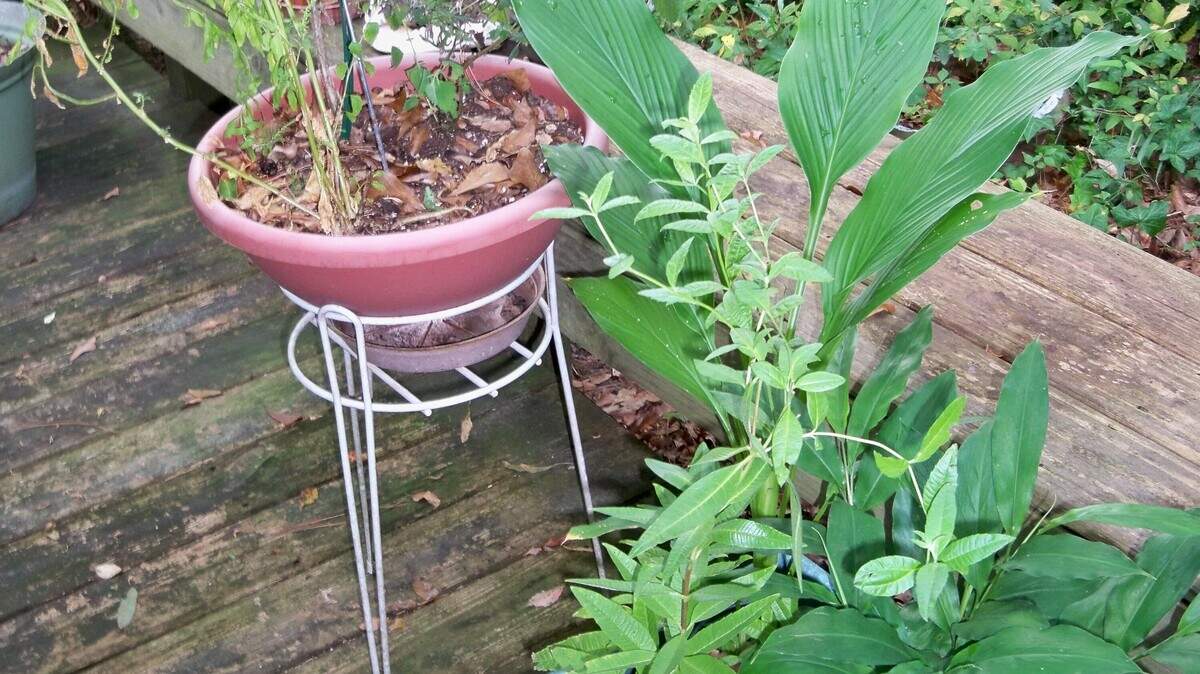
Let's not leave out marjoram. A year-round plant whose flavor can enhance almost any dinner dish, my marjoram in a pot is three years old. The more I cut, the more it grows. Pot culture is great for growing herbs and leafy vegetables. Here's why: They can be moved from full sun in late fall and winter, to half-day filtered sun in spring and summer.
Other culinary herbs grown in containers include stevia, which is dried and used as a sugar substitute in tea; lemon verbena for tea and fruit dishes; lemon balm and lavender for potpourri; oregano for pasta and pizza; and mint for juleps.
What to drink? Herb tea, of course, and green tea tops the list. It is high on the list of beneficial antioxidents; it may help prevent blood clots and it can lower cholesterol. Green tea can also benefit skin by reducing sun damage. Stressed out? Drink a cup of chamomile tea; it soothes nerves while providing antioxidant power.
I must give a paragraph to aloe vera, known for its skin-healing properties. Accidents can happen in the garden and I could not do without aloe. Last week, four wasps flew out of their hidden nest and got me in the hand. To the aloe plant I went, and in less than three minutes, the hurt was gone. This is an herb to plant in a large pot as it is eager to multiply. Don't overwater the plant. Grow them in shade, and protect it if winter temps are to fall below freezing. Always use the leaves closest to the soil, which are larger and contain more gel.
In the mood to grow some winter herbs? The Hilton Head Island Herb Society's annual sale of fall and winter herbs will be from 10 a.m. to 2 p.m Nov. 8 at Pineland Station.
Sixty-year master gardener and environmentalist Betsy Jukofsky has spent three decades on Hilton Head Island learning the peculiarities of Coastal Lowcountry gardening.
RELATED CONTENT
- Crazy weather, bumblebees and gardening questions from readers
- Native plants holding up well in Lowcountry thunderstorms
- Late summer means it's propagation time in the Lowcountry
This story was originally published September 13, 2014 at 4:00 PM with the headline "Herbs so easy to grow in Lowcountry climate."