
Crazy weather, bumblebees and gardening questions from readers
Truth cannot be told when it comes to outdoor gardening and the weather. When asked a question about a specific plant these past eight months, I'm apt to have paused, taken a deep breath and said, "I dunno, it depends on the weather."
From deep freeze in January to near record rainfall in July, plus a high heat index in August, we've asked a lot of our plants. Did they need also to be attacked by a nasty virus?
We've heard from our readers. Perhaps you've asked yourself these questions also.
Question. I have one bed of SunPatiens and one of impatiens, plus two large pots of impatiens. They are in different parts of the yard and, up until a couple weeks ago, were all doing well. They have all started losing their leaves, with one stem after another just being stripped. I have sprayed with Sevin, thinking it was insects, but that hasn't slowed it down. What to do?
Becky Sharp
Answer. It's a fungus. It's called downy mildew, and it affects the basil herb also. Once the plants are infected, spraying is of no use. Pull plants up and out, then bag them and dispose.
Q. You've mentioned sprinkling hot pepper around plants in pots to keep the squirrels at bay. Do you literally chop up some hot peppers and sprinkle them around or would ground red pepper work as well?
Sarah Coffin
A. I grow a lot of small hot peppers. They volunteer in containers where I've used them as animal deterrents. Cayenne pepper sprinkled from a can works just as well.
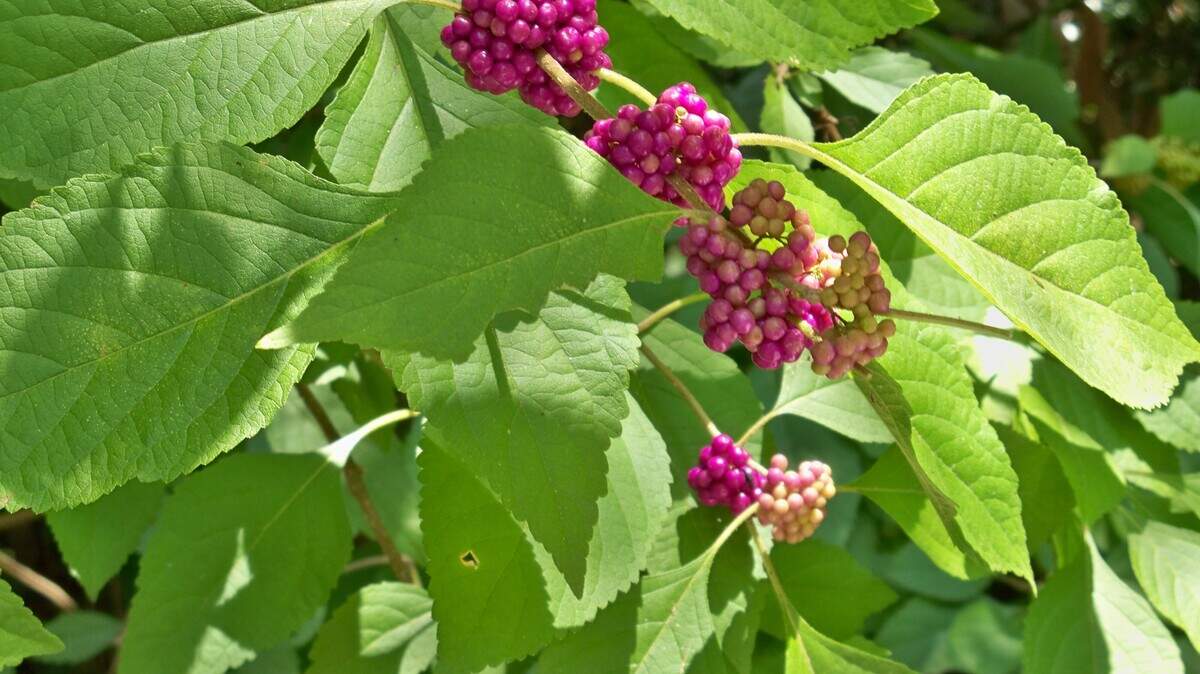
Q. I live in Pennsylvania and go back and forth to Hilton Head Island. I love the look of the showy shrub with purple berries that I see in fall. Could I grow this plant in Pennsylvania?
Trudee Bamburg
A. Sadly, no. The Callicarpa americana has adapted so well to the climate in Beaufort County that it can now be found in many "show gardens," having been transplanted from homeowners' yards. Mine were here before I was. They've not received water or food and readily produce little ones throughout the yard.
If you read this column, I'm guessing you are up on the status of the bumblebee. You know that they are important pollinators of crops -- like in food, peas and carrots and corn. Did you know they are also important to the survival of native plants for the same reason? That's one reason I don't spray with insecticides that are not organic. It's so easy to put together a jar full of bug spray using garlic, hot peppers and a mild liquid soap. Let the mix sit for a couple of days, then strain and spray. Bees, dragonflies and damsels will keep you company while you pull those weeds. It works as a deer deterrent also.
Sixty-year master gardener and environmentalist Betsy Jukofsky has spent three decades on Hilton Head Island learning the peculiarities of Coastal Lowcountry gardening.
RELATED CONTENT
- Native plants holding up well in Lowcountry thunderstorms
- Late summer means it's propagation time in the Lowcountry
- Curious event happens to fairy lilies during thunderstorms
This story was originally published September 6, 2014 at 4:01 PM with the headline "Crazy weather, bumblebees and gardening questions from readers."