
Late summer means it's propagation time in the Lowcountry
Suddenly we're at the beginning of August, and I've not begun a summer garden chore: The creation of next winter's house plants.
The end of a Carolina summer is propagation time. Colorful foliage plants, summer herbs and semi-hardy begonias will yield their stems and branches to my pruning shears and the many glass containers in which I root the cuttings.
The important factor is the timing; propagating outdoors in the shade in warm weather allows for roots to form in three to six days. Once roots have grown an inch or more, cuttings should be planted in small pots with sterile soil and a rooting product to stimulate growth. If the store-bought soil does not contain nutrients, I add a sprinkle of organic plant food. What with the temperature rising each afternoon to 90 degrees, I keep the soil damp and spray foliage each day.
You can make that heat work for you, though. My parsley plants took a beating from the heat in early July. I could not find any for sale, and propagation via cuttings wouldn't have worked. But seed germination, with the help of a dying 2-year-old plant, did. I stripped off seeds, sprinkled them on damp soil in a pot and kept the soil moist. In one week, the plants were up. When I think of the weeks it takes before green appears in winter, if it does at all, I rethink the propagation of other plants as well.
I'm glad that I saved a spring mail-delivered pack of my husband's favorite tomatoes -- the small cherry variety, a compact dwarf type -- to be grown in a container on the back deck with the winter vegetables of chard, kale, mustard and cabbage. On the back deck, growing in containers, are all the vegetables that I planted in the fall and have known kitchen use since. Here's the deal: Planted in full sun in late fall, they thrived. Come spring and the arrival of leaves on the trees, the vegetables received but a half-day of sun in the morning. Copy that method for cherry tomato plants grown from seed in early spring that are still producing.
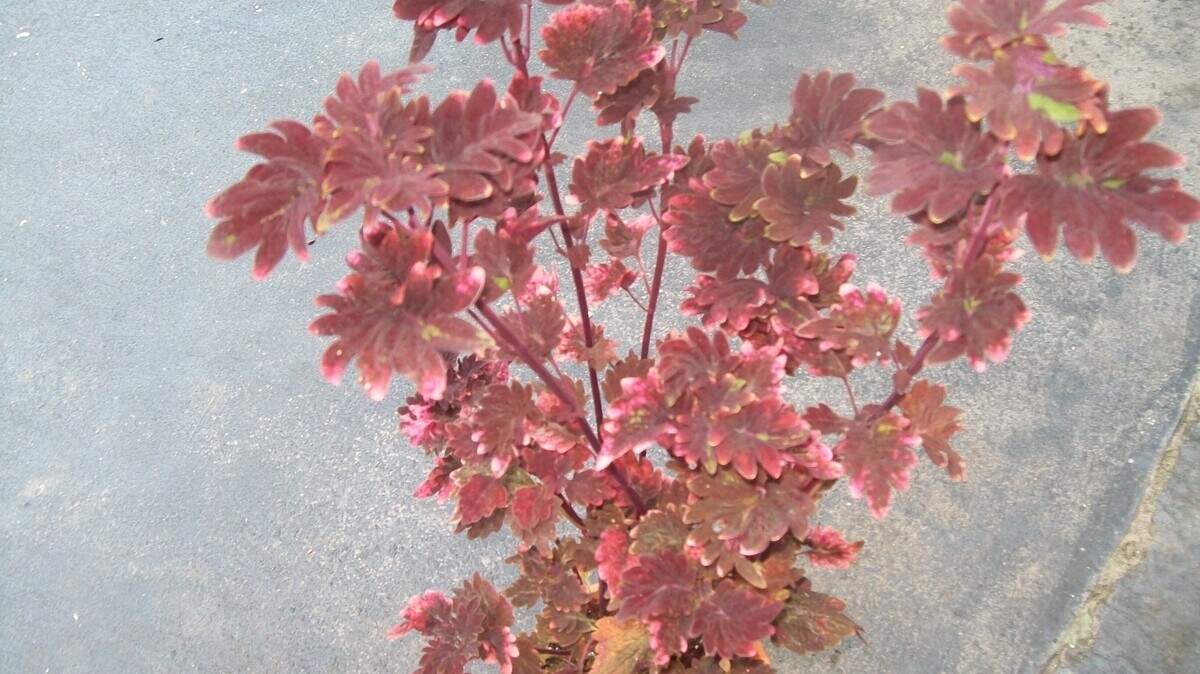
So much for the backyard; it's the front of the house that we're rooting for now, and where we're keeping the plants watered. To the varieties of coleus, Persian shield and alternanthera, I've added a mystery plant that someone gave me. The variety was a mystery to them, too. I'm hoping some knowledgeable garden type will visit and help, but in the mean time, it propagates, as does the begonia family, if given a longer root growth time. I don't know how many coleus varieties or plants are in my garden; if I snip and throw them down on the ground, they root. Larger cuttings will have to be rooted and potted up for winter protection and next year's garden.
Of course, the greatest propagator is Mother Nature. Witness a yard full of several varieties of hot peppers and native wildflowers -- the peppers are from plants bought years ago, and the many wildflowers have appeared with no help but hers.
Always, there are surprises. That's what makes gardening so much fun.
Sixty-year master gardener and environmentalist Betsy Jukofsky has spent three decades on Hilton Head Island learning the peculiarities of Coastal Lowcountry gardening.
RELATED CONTENT
Curious event happens to fairy lilies during thunderstorms
So you have a few questions about chrysanthemums ...
Make your Lowcountry gardening life easier with plethora of native plants
This story was originally published August 2, 2014 at 4:00 PM with the headline "Late summer means it's propagation time in the Lowcountry."