
Did Hurricane Matthew leave your yard a mess? Here’s what you can do
After Hurricane Matthew, I was surprised by the randomness of the storm’s destruction in the Lowcountry. Some homes were practically destroyed and one wonders if they will ever be habitable. Many more have significant damage, and roof tarps are still the norm, as home owners await word from insurers about the timing of repair projects. Other homes, often on the same street, seem to have escaped any damage at all.
Likewise, damage to lawns and gardens has ranged from minimal to “Oh, no!”
Concerned about your landscape? If you have little or no damage, access my column from Oct. 9 in The Island Packet for suggestions regarding fall planting.
If your yard suffered significantly or you have decided that now is a good time to renovate it, read on.
Repair: Did fallen tree limbs break major portions of shrubs or small trees? Trim the damaged areas and shape the plant so that the overall effect is pleasing to the eye. Wait six months or so to see if healthy, new growth ensues. If that is not the case, but you like the type of plant, replace it. Consider various options when making repairs. A large camellia in my yard was almost completely uprooted by a tree that came down. My next door neighbors helped me to put the camellia back into an upright position and secure it with a thick rope to a neighboring tree until such time as the root structure enables the camellia to stand on its own.
Relocate: The removal of tree cover either from your yard or that of a neighbor may necessitate moving plants. The woodland garden in my side yard lost five trees because of Matthew. Increased sun is now flooding that area with light. Next summer’s intense sun will have negative effects on the holly ferns, cast iron plant (Aspidistra), hydrangea, spider plants and a tree ivy (xFatshedera Lizei), among others. I’m still considering the best new location for all of these plants. However, I’m leaving the azaleas and camellias in place because they should be able to adapt to the new environment.
Renovate: If you have had major damage to your lawn and garden, now might be the time to renovate the landscape. The normal progression is from the top down: trees, shrubs/vines, perennials, ground-covers, lawn.
Before commencing any digging there are many factors to consider. Environmental factors come first. Check plant labels in retail outlets or online for optimal growing temperatures. Minimum winter temperatures in our area rarely fall below 20-25 degrees and usually not below freezing. Full summer sun can be brutal in the Lowcountry. Again, check plant labels or search websites for advice on how many hours of direct sunlight specific plants require. Increased sunlight also means that plants will dry out quickly. New trees and shrubs will need regular watering schedules for at least the first year. If you cannot meet the water needs of new plants, then consider increasing the size of areas that are mulched and be done with it. Take this opportunity to have your soil tested and choose compatible plants. Exposure to wind and salt-laden air are two others factors to consider. Some plants are not deterred by these two environmental forces while others decline quickly.
If you live in a community with a Property Owners Association, be certain to check the bylaw(s) governing landscaping. Some associations have specific limitations on mature plant height and width. In addition, determine where your boundary lines are. Your current neighbors might not care if plants infringe on their property somewhat. A new neighbor may insist that you remove plants or severely alter your planting scheme because of infringement on his or her property. A final step before digging is to contact any utility companies that have buried cable around your home.
Relax: Once we are in the post holiday season, you may have time to reflect more thoroughly on how to develop your landscape. Do some research on your own and feel free to email me for specific recommendations concerning trees and shrubs to plant in areas which have opened up due to storm damage. I’ll share some of those questions in my next article.
Frank Edgerton is a Hilton Head Island resident, garden consultant and plantsman. He can be reached at fedgerton@hargray.com.
Special report
10 unsung heroes of Hurricane Matthew
Oct. 28, 2016 Hurricane Matthew battered thousands of buildings and trees and caused widespread power outages and flooding throughout the Lowcountry in the early morning hours of Oct. 8. But the Category 2 storm didn’t dampen the resolve of residents determined to help their neighbors – and complete strangers – who were suffering. | READ
Oct. 21, 2016 Those who didn’t evacuate for Matthew tell us about their night. | READ
Special report
8 lessons from Matthew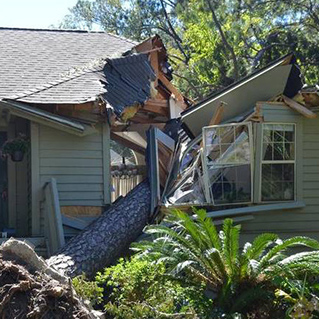
Nov. 19, 2016 In the aftermath of Hurricane Matthew’s destruction in Beaufort County, The Island Packet and The Beaufort Gazette asked local leaders and others to weigh in on what went well and what could have gone better. Lessons emerged that may better prepare us for when the next hurricane hits. | READ
This story was originally published November 29, 2016 at 9:48 AM with the headline "Did Hurricane Matthew leave your yard a mess? Here’s what you can do."