
Program to save Gullah homes on Daufuskie Island off to a rough start
Michael Bedenbaugh of Newberry says he wants to help Daufuskie Island.
Troubled by the number of Gullah-built homes in deteriorating condition, the director of the statewide nonprofit Palmetto Trust for Historic Preservation developed a program in 2011 to try to save the island's historic houses.
His plan: Owners can lease their homes to the trust, which then renovates them and rents them to vacationers. The vacation rentals are expected to recoup the trust's renovation costs, and the owner keeps the refurbished home.
It seemed a perfect fit for the tiny island where many blacks have lost property over the years and have a deep-seated mistrust of developers.
But that mistrust has proven to be difficult to overcome. Bedenbaugh's program is perhaps one of the most controversial programs currently underway, compared to the timbering, farming and other nonprofit programs, designed to help native islanders hang onto their property.
"Unfortunately, there's been a lot of misinformation floating around out there (about our program)," Bedenbaugh said. One main misconception, he said, is that owners can lose the property.
"The specific misinformation about liens and having the property taken is absolutely untrue," he said.
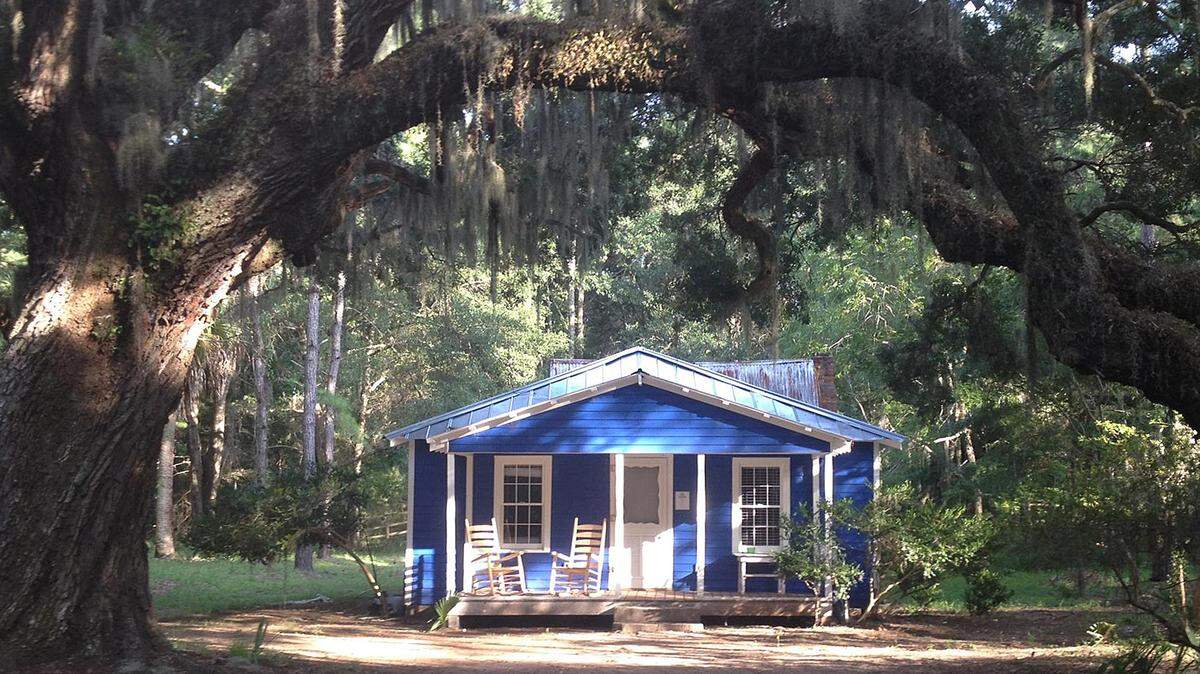
The trust's first project was to restore the Frances Jones House, built in 1865 by freed slaves. Their granddaughter Frances Jones lived in the home and taught school on the island for 30 years and founded the annual Daufuskie Days homecoming celebration.
Over the years, the house was attacked by termites, weather and vandals.
Bedenbaugh said the trust worked for eight months to reach a lease agreement with the owner, Paul L. Johnson, who had inherited the property.
The house has been renovated and has been rented out. But the rentals and fundraiser have not been as successful as Bedenbaugh had hoped. After almost a year since the renovations, the trust has brought in just $10,981, which includes rental income and donations.
It needs to collect about $150,000 to cover the renovation costs and the trust's 25 percent management fee to pay off the lease.
The lease's term is for 30 years, but Bedenbaugh expects it to end much sooner.
"We see it being a failure if it goes that long," he said.
Along with the renovations, the trust gave Johnson a $1,000 deposit and pays him $2,500 a year on the lease. It also pays the insurance. Johnson must pay the property taxes.
Reached at his home in Savannah, Johnson said he could not have afforded the home's renovation, and he's pleased with the results.
"It's allowed me to have the house renovated," he said. "That means the Beaufort County government will not be after me about fixing it up."
As for whether others should participate in the program, he said, "I can't speak for others."
He hopes the home will be there for future generations.
"I have kids," he said, "and I hope the kids will be able to enjoy it."
But critics remain.
Ervin Simmons, president of the Daufuskie Island Foundation, who lives in Savannah and owns property on Daufuskie, is concerned the program could lead Gullah people to lose their property. He said his organization is working on fundraisers to help African Americans on the island keep their land.
"We've lost a lot of land over the years," he said of native islanders. "We've had to be much more diligent in trying to hang onto the land."
He said the agreement mentions a lien on the property. He's also concerned about the 25 percent fee.
"You could end up losing your property," he said. "I want to see all of them restored, but I don't want to see anyone with a lien on."
Bedenbaugh responds that the "lien" is actually an easement that the property's historical value will be maintained forever after the lease ends. He added that the easement was not a signed document nor part of the lease, but the owner wanted the house to be "perpetually preserved."
The 25 percent fee allows the trust to recoup its management costs, he said, and that it couldn't afford the program without it. The fee would also be covered by rental income and fundraisers.
If the lease is terminated early by the owner, the owner would have to pay any leftover renovation costs and the fee, according to the lease. The lease also allows extensions if needed.
After the money comes in, the trust can renovate another property, Bedenbaugh said.
He adds that each lease deal is tailored to the property owner, and the agreement reached with Johnson was specific to his needs.
The second and only other property the trust is renting on Daufuskie, the Hinson-White House, has a five-year lease, he notes. The owner, Elizabeth Lesesne of Asheville, N.C., is donating all of the rental proceeds to the trust, which performed some cosmetic improvements.
The 850-square-foot house sits on five acres on a marsh bank and was built in 1916 by Gullah people for a white family that farmed on the island.
"I have been so pleased with what Mike (Bedenbaugh) has done," Lesesne said. "He did exactly what he said."
The program has also been praised by Gullah leaders in Beaufort County.
Emory Campbell, former Penn Center director, speaks on the trust's video about the Frances Jones House's restoration and the importance of preserving the island's homes as a way to keep Gullah culture alive.
Marquetta Goodwine, spokeswoman for the Gullah Geechee Nation, also lauds the program.
"It restores homes so family members can move back home," she says. "It gives them something else to be hopeful for."
Joe McGill, who travels the country staying overnight in slave dwellings, slept in the house Sept. 26 to help boost interest in the program.
The program was started with a $225,000 grant from the 1772 Foundation. Bedenbaugh says the trust has enough money to maintain the program, but not enough to expand it.
He's counting on a fundraiser on the GoFundMe website to help speed up the process of paying off the lease on the Frances Jones House.
"I want to cease the lease as soon as possible," he said. "The next step is doing everything we can to build the bridges necessary to attract more investment in the program."
This story was originally published October 2, 2015 at 9:31 PM with the headline "Program to save Gullah homes on Daufuskie Island off to a rough start."