
What a Beaufort County teacher learned from the horrors she witnessed on Sept. 11, 2001
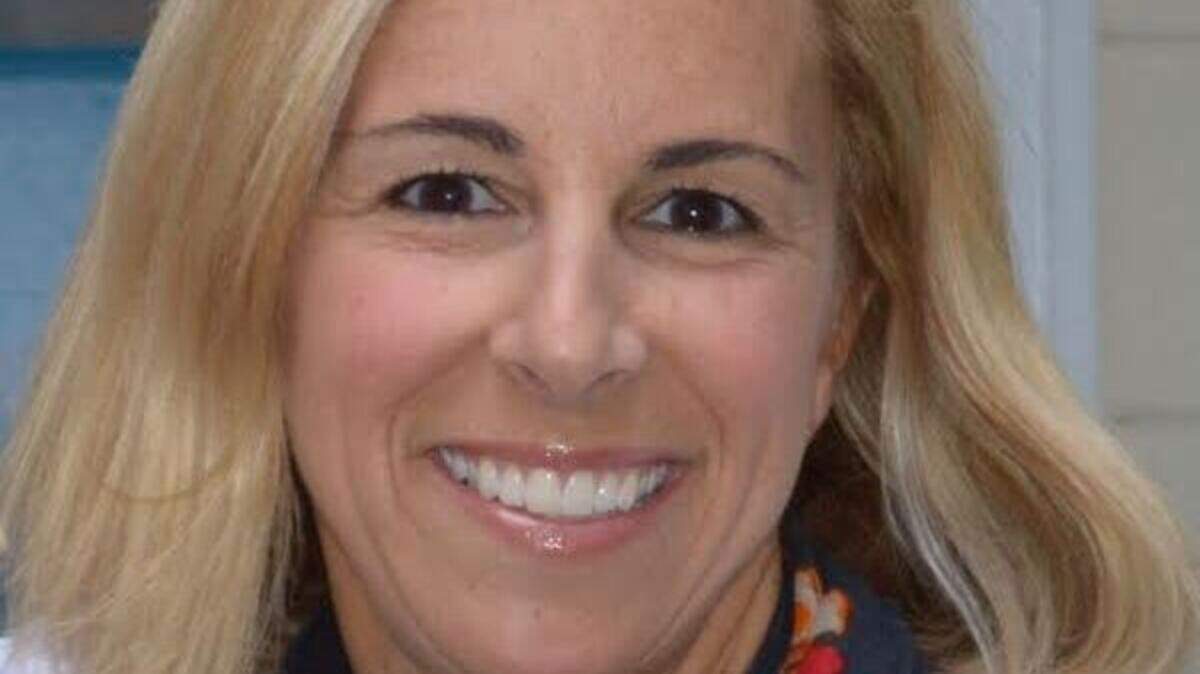
It’s only recently that Alison Stevens, a fifth-grade teacher at Riverview Charter School, has been able to talk about the events of Sept. 11, 2001.
As the 17th anniversary of the attacks approaches, her perspective and story are unique here in the Lowcountry. Working as an associate producer at MSNBC, then headquartered just across the Hudson River from Manhattan, Stevens was already a seasoned professional at helping to cover breaking news.
Working the 5 a.m. to 1 p.m. shift, she was responsible for writing copy for both on-air talent and the scroll at the bottom of the screen. On that Sept.11, however, she was running late for her job because of scheduled car maintenance. That gave her time to enjoy the ride into work. She, like many others, recalled how beautifully clear the warm autumn day was.
The reverie was broken when she heard initial radio reports of the first plane hitting the North Tower.
“We’re definitely having breaking news today,” she said to herself.
By the time the second plane hit the South Tower at 9:03, Stevens was in the newsroom, as bewildered at what was taking place as everyone around her.
“When I think of it now, it was just a lot of chaos,” she said. “We just didn’t know what to think.”
After newsroom staff was given time to make what Stevens described as “frantic” phone calls — many of them unanswered — to nearby family and friends, they were instructed to begin researching Afghanistan and Al-Qaeda, the latter of which was quite literally a foreign word at the time.
“There were words being thrown around I’d never used,” said Stevens. “A terrorist attack using airplanes was unprecedented.”
Time slowed in the newsroom, as staffers and anchors alike — Chris Jansing and Lester Holt were among those anchoring the MSNBC desk that day — stayed on the job for long, consecutive hours while calamity after calamity befell the country.
News coverage that day continued, seeming without end, as the towers fell.
The Pentagon was attacked by yet another plane. Another crashed in a remote field in Pennsylvania, reportedly as it headed for the U.S. Capitol.
There wasn’t much need to write copy in those cases. Cameras captured a wordless story. Papers, dust and debris rained down on Lower Manhattan. Outside of the MSNBC studios across the river, Stevens and her coworkers could see the smoke from the burning buildings.
Long after she could close her eyes and no longer see what remained of the World Trade Center, she could still smell the smoldering plastic. It’s something she won’t forget. The olfactory nerves have a way of cursing us, making us remember things we’d rather not.
In the midst of all that, however, Stevens found friends and family who would otherwise have been headed into the city that day safe and sound because they had slept in or serendipitously rescheduled their appointments. A friend’s brother even made his way down from the 54th floor of the North Tower after the first plane hit because he didn’t feel right about the warnings to stay calm and in place.
As for Stevens, with the news cycle continuing to move from reporting what happened to informing the public to stay away from Manhattan to investigating the causes of the attack, it dawned on her that this might be the last straw for her in the news business.
After graduating from Lynchburg College (now Lynchburg University) in Virginia with a degree in broadcast journalism, Stevens had gone to work helping cover the O.J. Simpson trial, the untimely deaths of both JFK Jr. and Princess Diana, and now the terrorist attacks on America.
Sept. 11, 2001, was the last in a long line of depressing, horrific stories that had taken a toll on her.
“The experience made you realize you’re vulnerable and not invincible to anything,” said Stevens.
After deciding to leave MSNBC and after a brief hiatus in public relations, the New York native decided to move to Florida and enroll in the University of South Florida, where she received her master’s in education in 2008.
Part of her experience in the news business now helps inform how she teaches the students in her classroom.
“The world is a scarier place now and kids should be aware to an appropriate degree,” said Stevens. “Our students need to know where things are and what’s going on.”
Part of teaching awareness obviously comes from Stevens’ experience in 2001. Now she’s traded in morning meetings with editors giving her an assignment for morning meetings with 10-year-olds to whom she gives assignments.
Stevens is also writing a new life story by living out new expressions of love born from a tragic day 17 years ago.
“You want to give your family a bigger hug or kiss in the morning because you don’t know how the afternoon will end,” said Stevens.
That’s the one lesson we can all learn from that day 17 years ago.