Beaufort’s Original Gullah Festival ‘set the example for the world’ after 2 years of strife
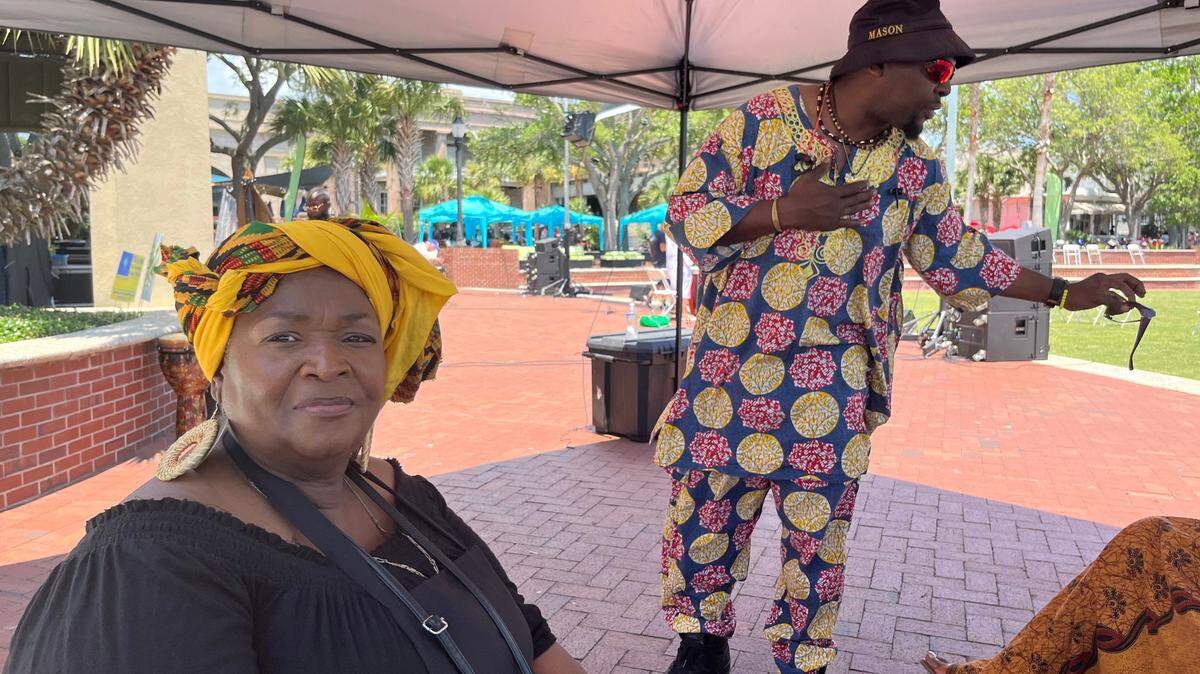
Big crowds and renewed emphasis on the roots of the Gullah people — and healing — marked the first Original Gullah Festival to be conducted since the world was tipped upside down by the pandemic and protests over police brutality following the death of George Floyd.
Being back together in person again at the festival, which ended Sunday, provided spiritual, mental, physical and racial healing, said Anita Singleton-Prather, one of the organizers. “In light of all we have gone through with Covid, with the Black Lives Matter, people getting so depressed, the rise in suicide, all of those ‘isms’ that we’re dealing with right now.”
Organizers wanted the festival to be a place of healing and love for the community — “that Beaufort would set the example for the world that people from different backgrounds, religious backgrounds, racial, whatever, ethic background, can come together in a place of peace and unity and live,” Singleton-Prather said.
On that count, she added, they succeeded.
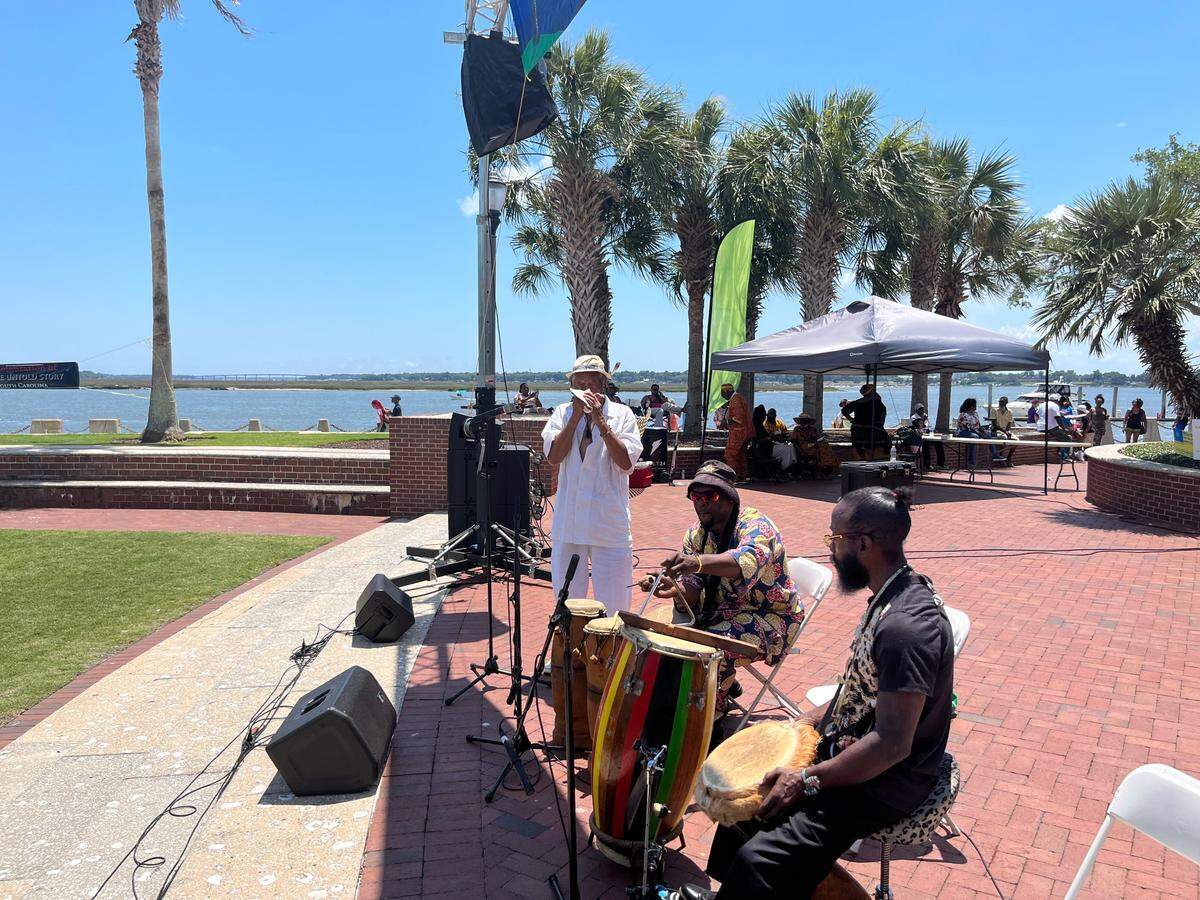
The 36th festival celebrating the history and culture of Gullah Geechee people — descendants of Africans who were enslaved on the rice, indigo and Sea Island cotton plantations in the Carolinas, Georgia and Florida — wrapped up Sunday after three days of food, entertainment, workshops, tours and educational events.
Official attendance figures were not available, but organizers, who were projecting 20,000, estimated turnout was better than expected.
People came from as far away as Bangladesh, Puerto Rico and three African nations. A crew with ARTE, the European cultural channel based in France, was at the festival filming for a program on the Gullah Geechee.
Singleton-Prather, who goes by the stage name of Aunt Pearlie Sue, a character based on her grandmother who entertains audiences with Gullah-flavored folktales, said preserving the culture was another goal.
“It’s not a Black thing, it’s not an African thing — it’s a ‘we ting,’ like we would say in Gullah,” Singlteton-Prather said. “It belongs to all of us.”
The last time the festival was conducted before the 2022 event was in 2019.
During the time away, festival organizers took a hard look at the annual event, said Scott Gibbs, a board member of the festival who was in charge of the entertainment.
Past festivals have been excellent, Gibbs said, “but I don’t know we really focused on the Gullah culture as much as we could have.” “Celebrating Our Roots” was the theme in 2022.
“It’s like a rebirth, a new beginning for us,” Gibbs said. “While we were on that Covid break, that gave us a lot of time to reflect on what it was we were actually doing. Our focus was making sure we honor our ancestors and the culture we come from — our Gullah culture.”
Admission was free for the family event. A fence that had surrounded the perimeter was removed, because, Gibbs said, it was a barrier keeping some people from coming in to join the celebration.
“Everybody,” Gibbs said, “was here enjoying each other.”
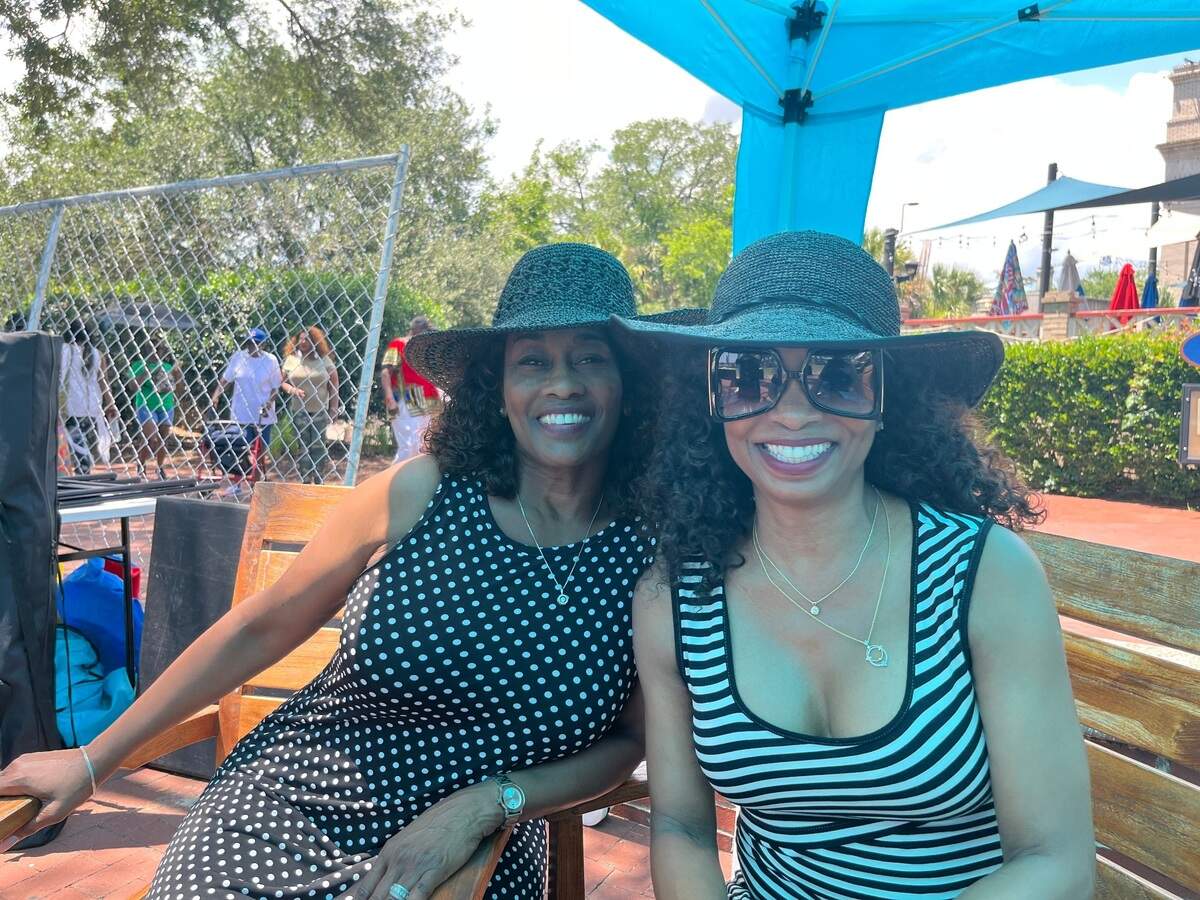
Kevin and Dinkana Jackson of Houston came to the festival at the invitation of Violet Seldon-Smith, Dinkana’s sister who is the CEO of Global Tax & Business Services in Sumter.
“This is my first time experiencing anything like this,” said Kevin Jackson, a chemistry and physics teacher from Houston. “I’ve learned more than what the textbooks have ever told me.”
He called it a great educational experience.
“Even now, the music I’m listening to, actually seeing it performed in the flesh, is something I’ve never seen before,” Jackson said as Thomas Mosley of Columbia, Willie Bleach of St. Helena and Kevin Young of Estill performed an African drum call.
As a perk to employees after a difficult tax season, Seldon-Smith offered to pay for a trip. Beaufort was chosen as the destination, Seldon-Smiths said, because none of the employees had ever been to the festival.