New report details threats to rivers and lakes across South Carolina
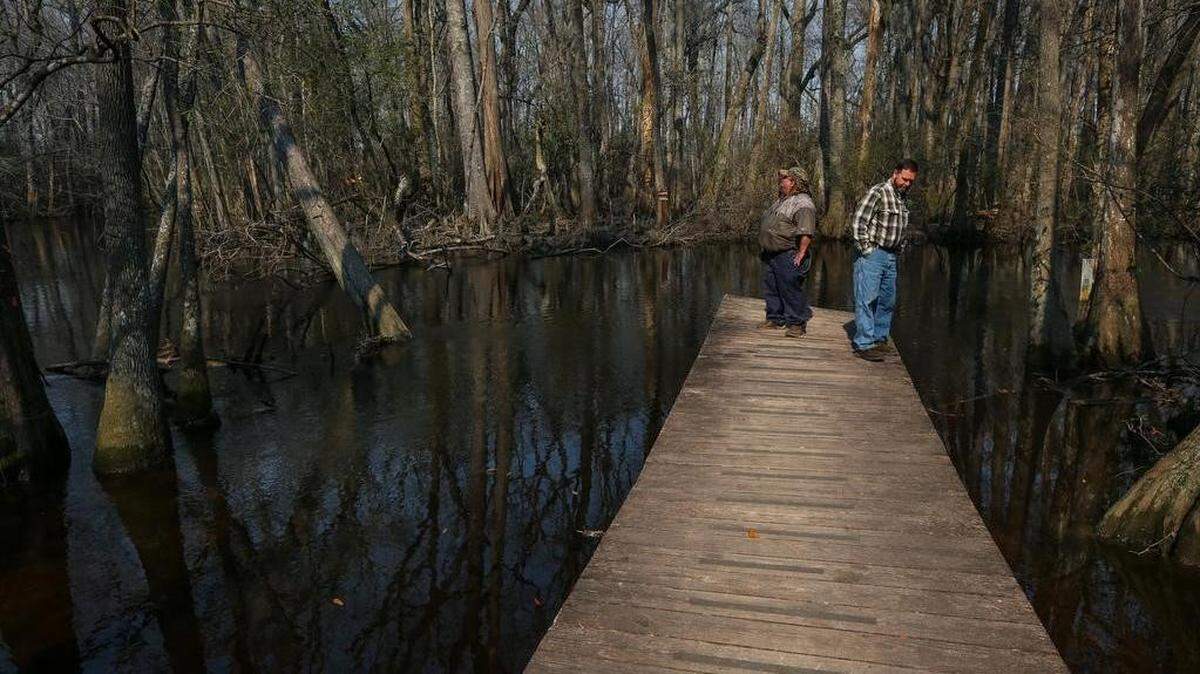
More than a dozen creeks and rivers across South Carolina face being depleted of water in the next 45 years if industries, farms and utilities take all the water they’ve been permitted to use under a much criticized South Carolina law.
That’s a key message in a state report that examines the demand for water in South Carolina, a growing state that leaders say needs to properly manage rivers, lakes, streams and groundwater.
The report includes extensive data about water use now and what’s projected in the future as greater demands are put on rivers, groundwater, lakes and streams for agriculture, drinking and economic development. The report results from a committee commissioned last year by Gov. Henry McMaster.
While saying that most surface water supplies are sufficient until 2070, the report says that’s not the case with a number of notable streams. Most of the rivers are small tributaries of big ones, but some larger rivers also are of concern.
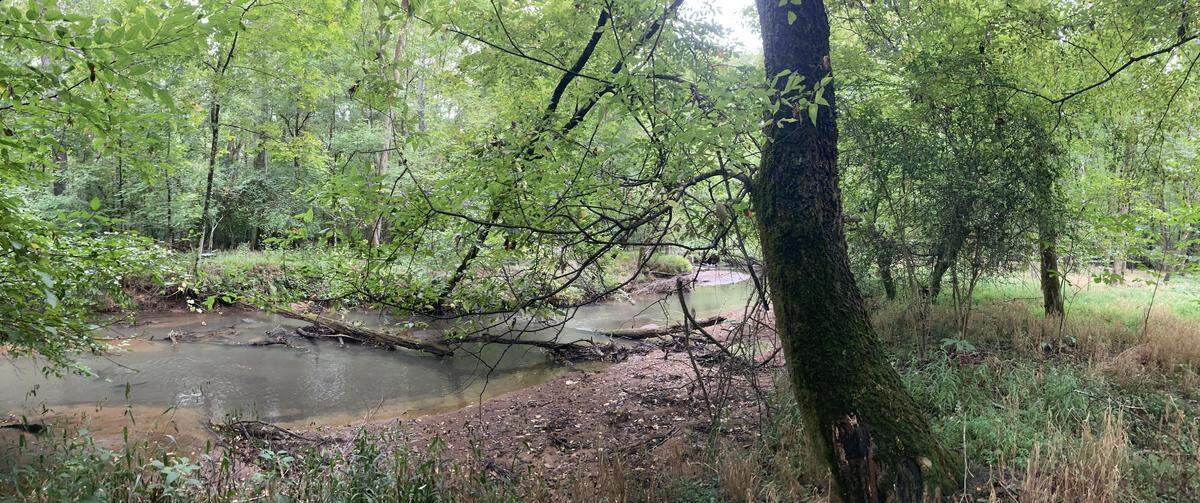
Those include parts of the main stem of the Edisto River southwest of Lexington; the Reedy River, which runs through Greenville, and the Coosawhatchie River in the southern part of the state. A major Edisto River tributary, the north fork, also is noted as not being able to fully support the amount of water approved by the state to use. Black Creek in the Pee Dee, also a well known smaller stream, is on the list.
In addition to the rivers, the report said water intakes on lakes Marion and Moultrie could be in jeopardy by 2070 if all those approved to take water use their allotments.
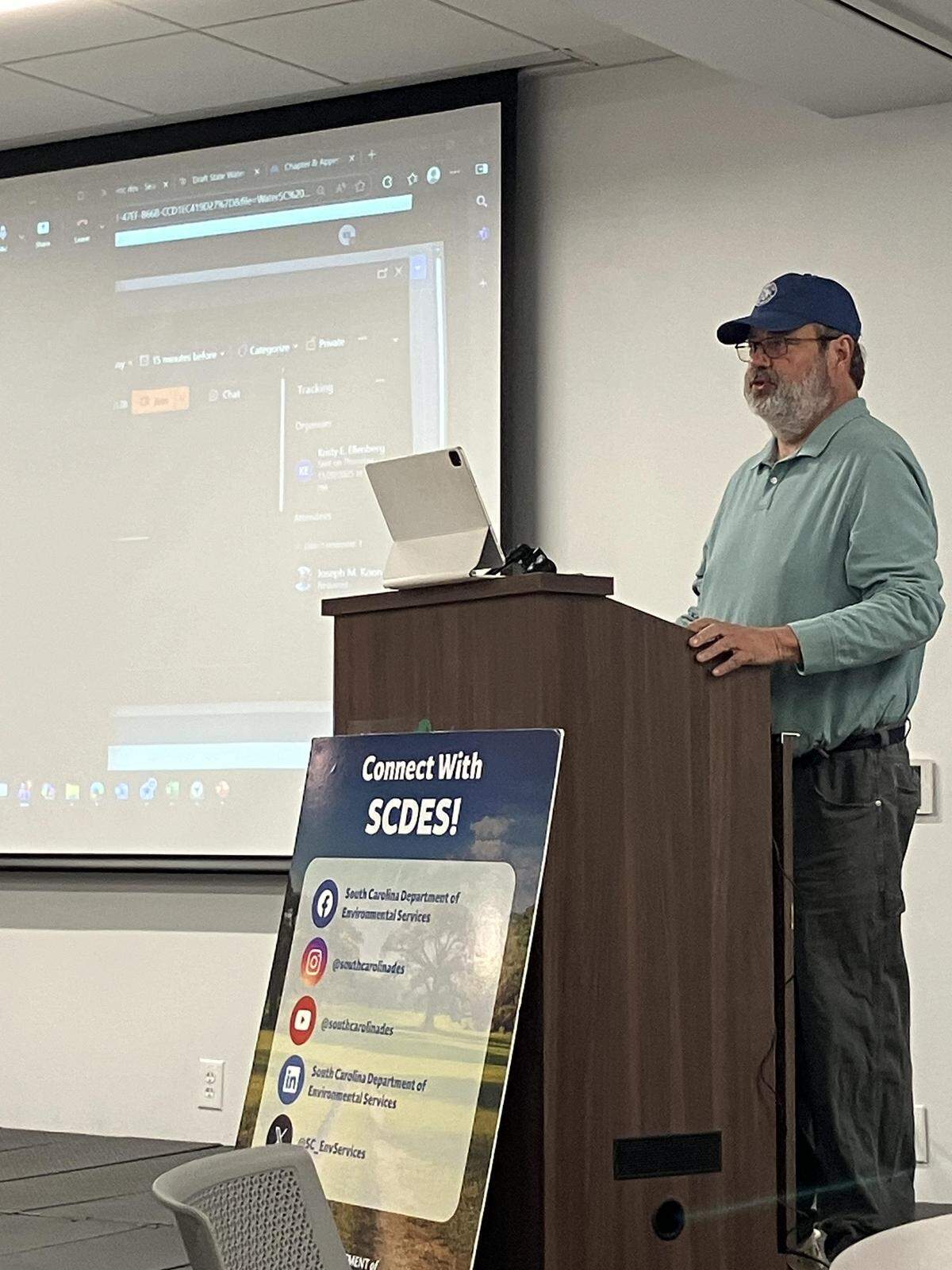
Rob Devlin, a veteran regulator at the Department of Environmental Services, said lower water levels for some streams and lakes are a worst case scenario.
Otherwise, the report said “surface water supplies are generally sufficient through 2070, with isolated risks of shortages.’’
Despite that, two of South Carolina’s riverkeepers, who track environmental issues on waterways, say the report needs to be more clear on how to tighten the state water law. The report hints at the need for change, but doesn’t clearly state that, Congaree Riverkeeper Bill Stangler said.
“I have to say I’m frustrated and disappointed with the complete lack of progress of actually changing anything of consequence,’’ Edisto Riverkeeper Hugo Krispyn said at a meeting Thursday to discuss the plan. “The state of South Carolina, has through law and regulatory policy, created a set of circumstances where it is still potentially feasible for a water withdrawer to extract the entire flow of the river at any given withdrawal point and to do so without violating’’ the law.
The demand on rivers like the Edisto, the Reedy and others shows why the state’s 2010 surface water law needs to be strengthened, Krispyn and Stangler said. The law was the first to ever require approval by big users, such as industries, to withdraw water from rivers.
But the law is riddled with loopholes, particularly those that allow rivers to be virtually sucked dry, say environmentalists and some state officials. Major industries, power companies and agricultural groups opposed tight regulations when the law was debated about 15 years ago, resulting in a compromise that critics said left the statute lacking.
The problem is the law sometimes allows state officials to allocate more water to farms or industries for withdrawals than actually exists in a river at certain times of the year, critics say.
Much of this is done through complicated formulas that critics say are flawed. At the same time, state law does not require mega farms to get permits, only register with the state the amount of water they intend to use. The law does not include a provision that the public be notified of big withdrawals by large farms. In contrast, industries need permits that require more review and notice, although critics say that section of the law also has flaws.
State officials, environmentalists, farmers and business people have for more than a decade wrangled over whether to change the law, and if so, what needs changing.
The U.S. Environmental Protection Agency even weighed in, saying in 2022 that the state law is not scientifically sound, doesn’t protect fish and wildlife, and allows rivers to be sucked dry during certain times of the year. Environmentalists last year sued the state, saying regulations that support the law were being misinterpreted by the state Environmental Services department.
Of the water plan, Stangler said “some things we’ve been advocating for years now are not in there as overtly as I’d like to see: Fixing the withdrawal act is one.’’
Devlin, with the Department of Environmental Services, said his agency was not ready to address possible changes to the surface water law. But he said the department is evaluating the issue, he said.
Officials with the S.C. Chamber of Commerce were not available for comment Friday, nor was an attorney representing the chamber. But business groups have been hesitant to support a change in state law because of fear it could hurt economic development. In the past, major farms also were hesitant to restrict water use because they need it for irrigation.
The chamber’s members “feel strongly that the current statutory and regulatory framework has not been demonstrated to be inadequate to preserve and protect the state’s water resources,’’ Columbia attorney Tommy Lavender told a legislative committee last spring. At the time, he said the water program “is adequate if it is stringently enforced.’’
The draft water report, an expansive document filled with data about groundwater and surface water, is an update to a 2004 state water plan. Devlin said it has far more information than the plan from 20 years ago.
The report is not final and the public has a chance to comment on the document until Dec. 7. The Legislature will ultimately get the report for consideration. To comment, email the Department of Environmental Services at WaterSC@des.sc.gov .
Although the water plan was criticized for not clearly stating the need to change the law, it contains comments from state river basin councils that did advocate change. Those councils have been examining water issues for individual river systems and weighed in on the water plan released this week.
“The current water law … needs to be improved to support the effective management of the state’s water resources,’’ the river basin councils said in the report.
The report notes that producing energy could create greater demands on water supplies. Plans are underway to restart construction of the V.C. Summer nuclear plant expansion, develop a natural gas plant in Anderson County, and to convert an old coal plant into a gas plant in Colleton County.
One area the report does not dig deeply into is the impact of data centers on water supplies in South Carolina. The state already has nearly 40 and more are expected.
The use of water by data centers is an emerging concern in the state and Devlin said his agency is looking into the issue. Not only do data centers take up large amounts of water for cooling, but they create the need for electricity that also is dependent on water.
“With the increasing use of cloud computing, artificial intelligence and cryptocurrency mining, data centers have just recently become a more prominent user of energy and water, and represent an uncertainty in future demands,’’ the study said.
Devlin said the water plan would be updated at some point with information about data centers.
In addition to his concerns about the water law, Krispyn said the water plan should have included information about water quality, not just quantity. Water quality is often affected by how much water is in rivers.
This story was originally published November 22, 2025 at 6:00 AM with the headline "New report details threats to rivers and lakes across South Carolina."