Hilton Head considers new beach lighting rules to protect sea turtles. What to know
New oceanfront lighting rules proposed for Hilton Head Island would protect hatching sea turtles, but some property owners say they represent government overreach that could damage home values on the island.
Members of the Public Planning Committee will discuss the lighting ordinance - which has volleyed back and forth between town committees for about a year - at 10 a.m. Thursday. Those leaders will decide whether to recommend the lighting rules to the full Town Council.
On an island known and marketed for its environmental stewardship, the latest discussion will show if leaders can balance the needs of wildlife advocates with a desire to please beachfront homeowners — some of whom value the upkeep of Hilton Head’s beaches but have expressed concerns with the constitutionality of the new ordinance.
The proposed ordinance, originally written by members of Hilton Head Island’s Sea Turtle Patrol, replaces the town’s current rule, which was written in 1990.
The goal is to protect the threatened and endangered sea turtles by safeguarding nesting females and hatchlings from sources of artificial light which can cause disorientation and subsequent death. To do that, the ordinance says that:
- Exterior light fixtures visible from the beach should be directed downward.
- Exterior light fixtures visible from the beach should be shielded.
- Lights on dune walkovers should be turned off between 10 p.m. and 6 a.m. during sea turtle nesting season. Amber bulbs are exempt.
- New and replacement windows and glass doors visible from the beach should be tinted or be installed with an interior or exterior solar screen. If a solar screen is used, it must completely cover the glass between 10 p.m. and 6 a.m. during sea turtle nesting season, which runs from May 1 through Oct. 31.
- Existing homes should turn off all the lights, use amber light bulbs, shades or tinting to limit light between 10 p.m. and 6 a.m. during nesting season.
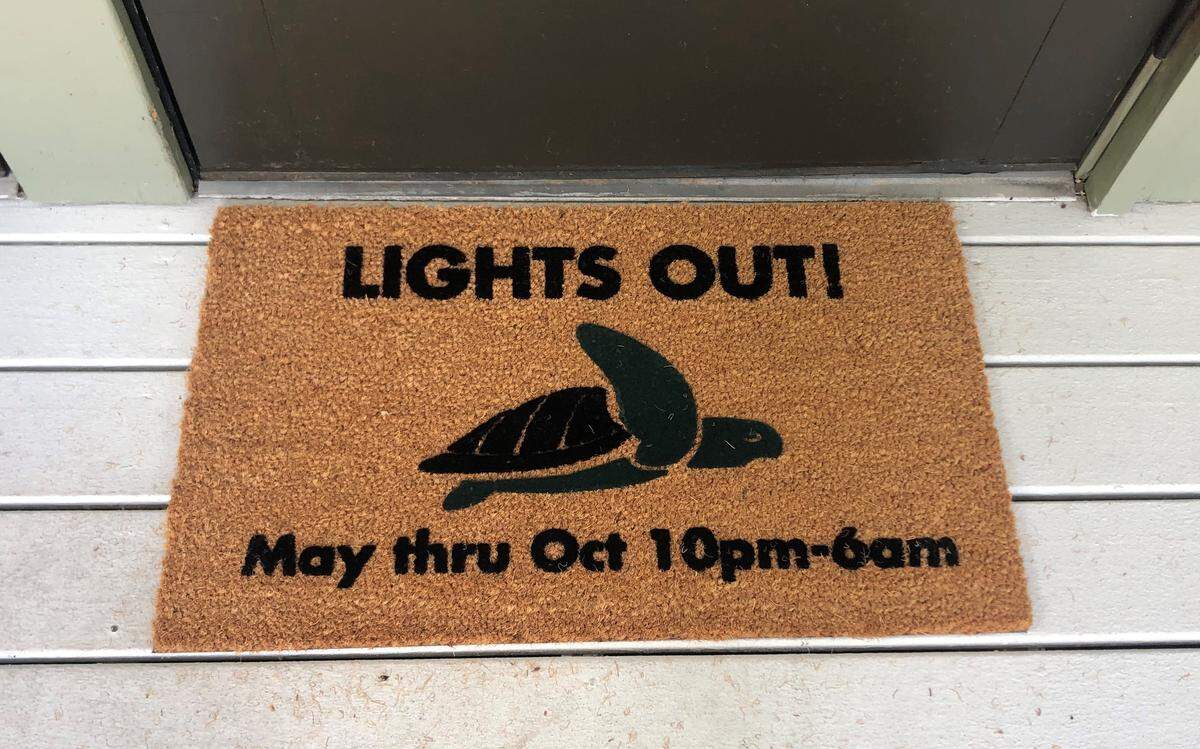
Here’s what to know about the proposed rules:
Homeowners won’t have to replace all windows
The newest version of the ordinance says that new windows and replacement windows must be tinted or shielded by a solar screen. But that doesn’t mean a beach property owner has to immediately replace all windows. Those owners could simply choose to turn out the lights from 10 p.m. to 6 a.m.
However, some organizations are concerned about the tinting requirement.
Jean Beck, the Chief Executive Officer of the Hilton Head Area Association of Realtors, said a homeowner who is looking to replace one window may have to buy all new windows under the ordinance.
While Beck said her organization does not oppose lighting rules or sea turtle nesting, she said leaders should consider the rules’ economic impact and how they will affect the aesthetics of homes in the future.
Glenn Stanford, who is on the public planning committee and represents a ward including Port Royal Plantation, has expressed this same concern with the ordinance in the past. He said he’s been contacted by residents in Port Royal Plantation who worry about replacing full-glass walls in their homes to comply.

...But they would need to buy shades
Existing beachfront homeowners who are not renovating have additional options to turn off all lights visible from the beach between 10 p.m. and 6 a.m. or use curtains or shades to limit light.
They, like owners of new construction or those who are renovating, can also use solar screens or tinting to comply with the rules.
It also makes the following determination on windows that span two floors:
“Windows located on the first story that extend into the second story or above – whether continuous or with architectural breaks – shall be exempt from the requirements if all interior light fixtures visible from the beach use only long wavelength (560 nanometers or greater) light bulbs,” according to the ordinance.
Long wavelength light bulbs are generally red, orange or amber in color.
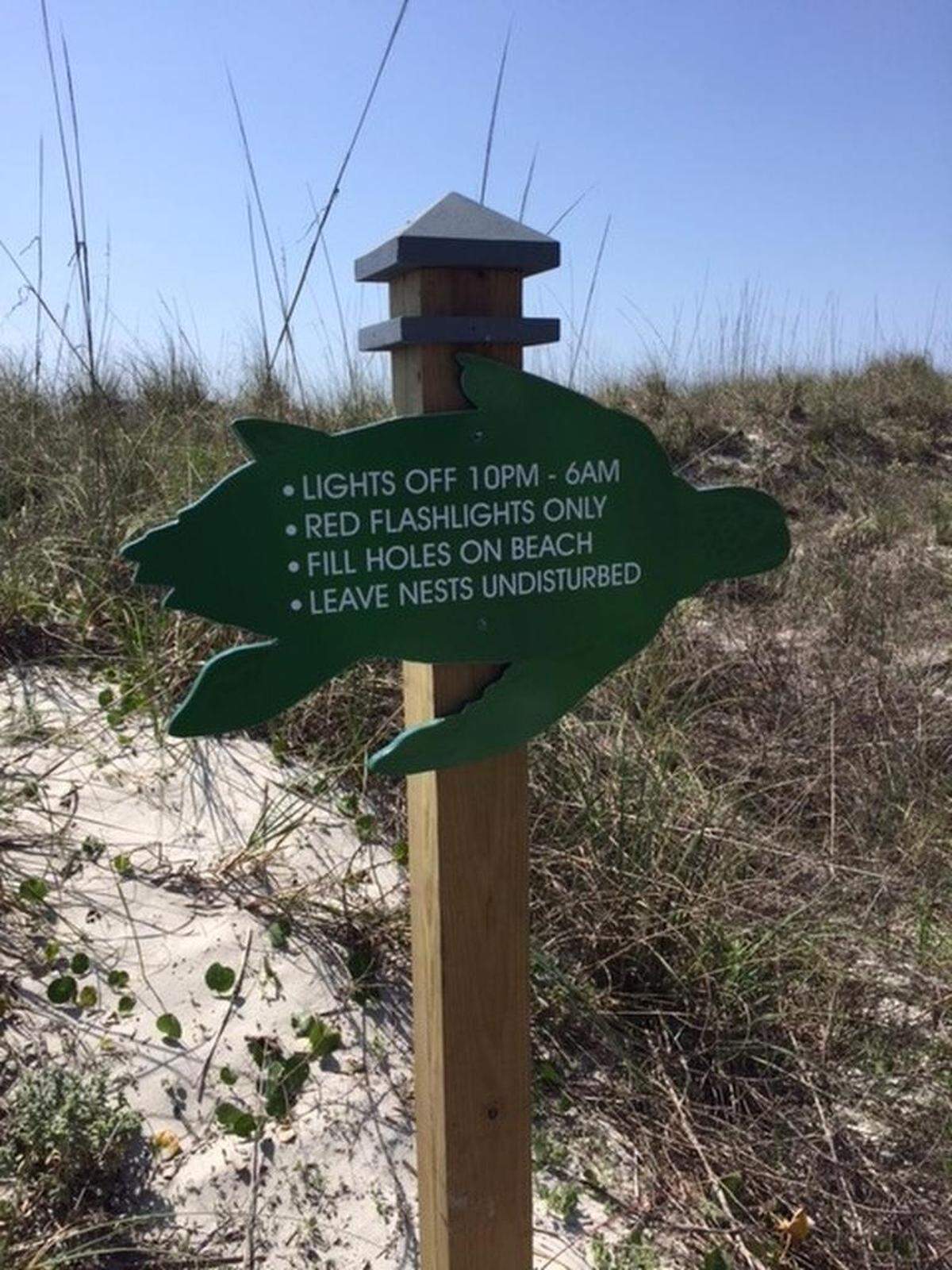
The beach wouldn’t have to be completely dark
The newest version of the ordinance says that homeowners must use the light limiting options so that “interior artificial light is less visible from the beach between 10 p.m. and 6 a.m. during sea turtle nesting season.”
That’s a departure from the previous ordinance, which said that the light limiting options must eliminate all light visible from the beach.
It provides wiggle room, according to the ordinance.
“Even if some amount of interior artificial light is visible from the beach, as long as one or more of the listed options is used to reduce the amount of interior artificial light visible from the beach (the property will be considered in compliance),” staff member Anne Cyran wrote in her memo to the committee.
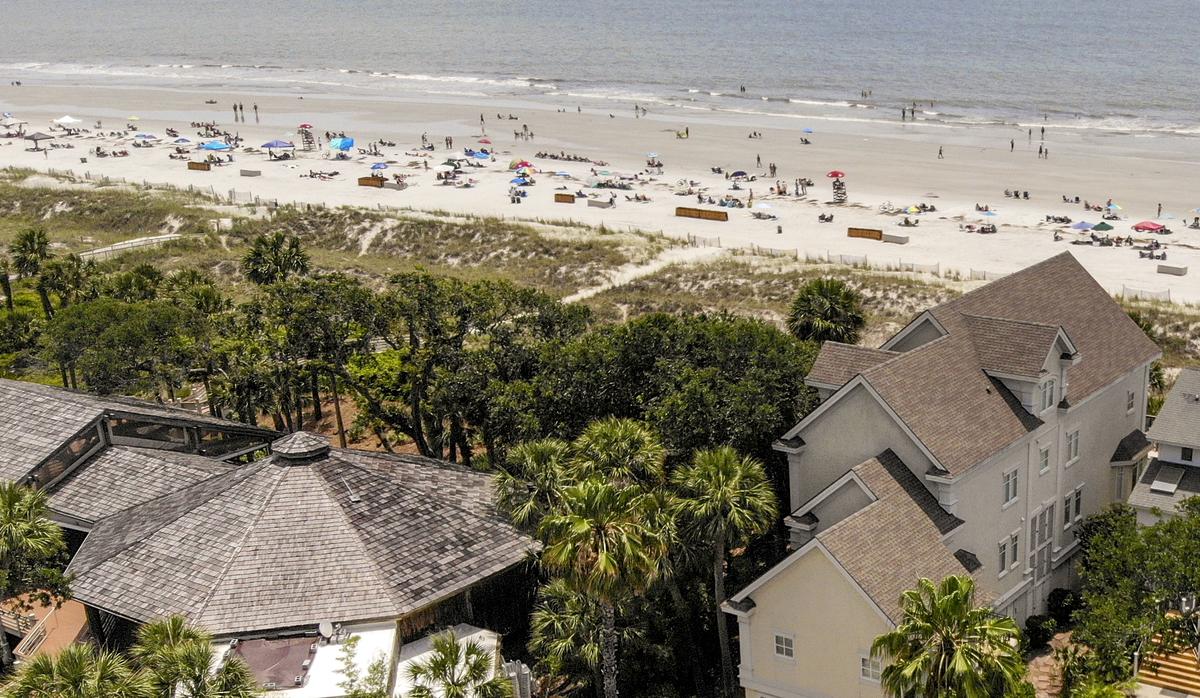
The rule could go into effect next summer
The deadline on the draft rule is May 1, 2021. That means if approved, homeowners would need to make changes by next spring.
BEHIND THE STORY
MOREHow does artificial light impact SC's sea turtles?
Nesting and hatching sea turtles on South Carolina’s coast can be disoriented by artificial light that comes from beachfront homes, leading some coastal communities to limit light sources on their beaches.
Sea turtle hatchlings have an inborn tendency to move in the brightest direction. On a natural beach, the brightest direction is most often the open view of the night sky over, and reflected by, the ocean, according to the Florida Fish and Wildlife Conservation Commission. If they become disoriented by lights in a nearby home and follow the light away from the ocean, they can get stuck in dune systems and die.
This story was originally published August 26, 2020 at 3:13 PM.