10 things you might not know about Hilton Head Island, but these local students do
Tourists flock to Hilton Head Island, and when they leave they remember warm beaches, basking alligators and the salt-water tang of fresh oysters.
Hilton Head Island Middle School students want them — and the locals — to know the island’s rich history, too.
“I think sometimes our local kids, because it’s such a tourist place, feel disconnected,” said Kathleen Harper, the teacher who spearheaded the project.
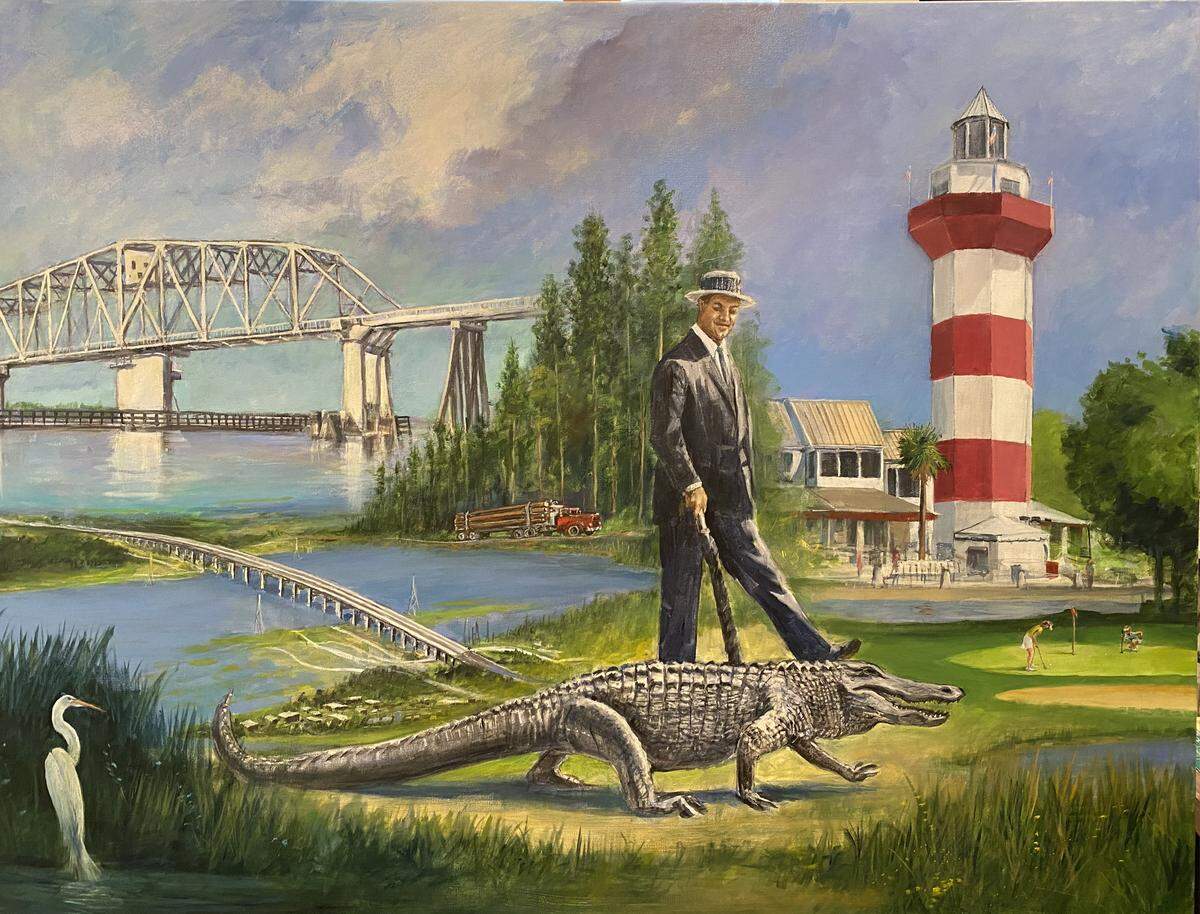
The school partnered with the Town of Hilton Head, the Art League of Hilton Head, local artists and historians to create a gallery of significant historical periods in the Island’s history. Together they identified 10 important events. Then, artists created and donated illustrations of each with information provided by historians.
During Harper’s seven years at Hilton Head Island Middle School she “began to realize that our kids didn’t know this history,” even though some of their descendants took part in it.
Hilton Head Island Middle School is about 14% Black students, and the majority are descendants from the first self-governed town of formerly enslaved people in the U.S, Harper said.
“Some of them didn’t even know this,” she said. “Having them have this realization, this pride of place, of how important this was. I just think that’s hugely important.”
The process started in 2019, and the gallery had a private opening in April 2022. Now, the school is opening up student tours to the public.
Community members who want students to take them through the gallery, and the Hilton Head area’s history, can reach out to Kathleen Harper at kathleen.harper@beaufort.k12.sc.us
Here are abbreviated versions of the 10 historical facts and events, and their illustrations, that students can tell you about through the gallery:
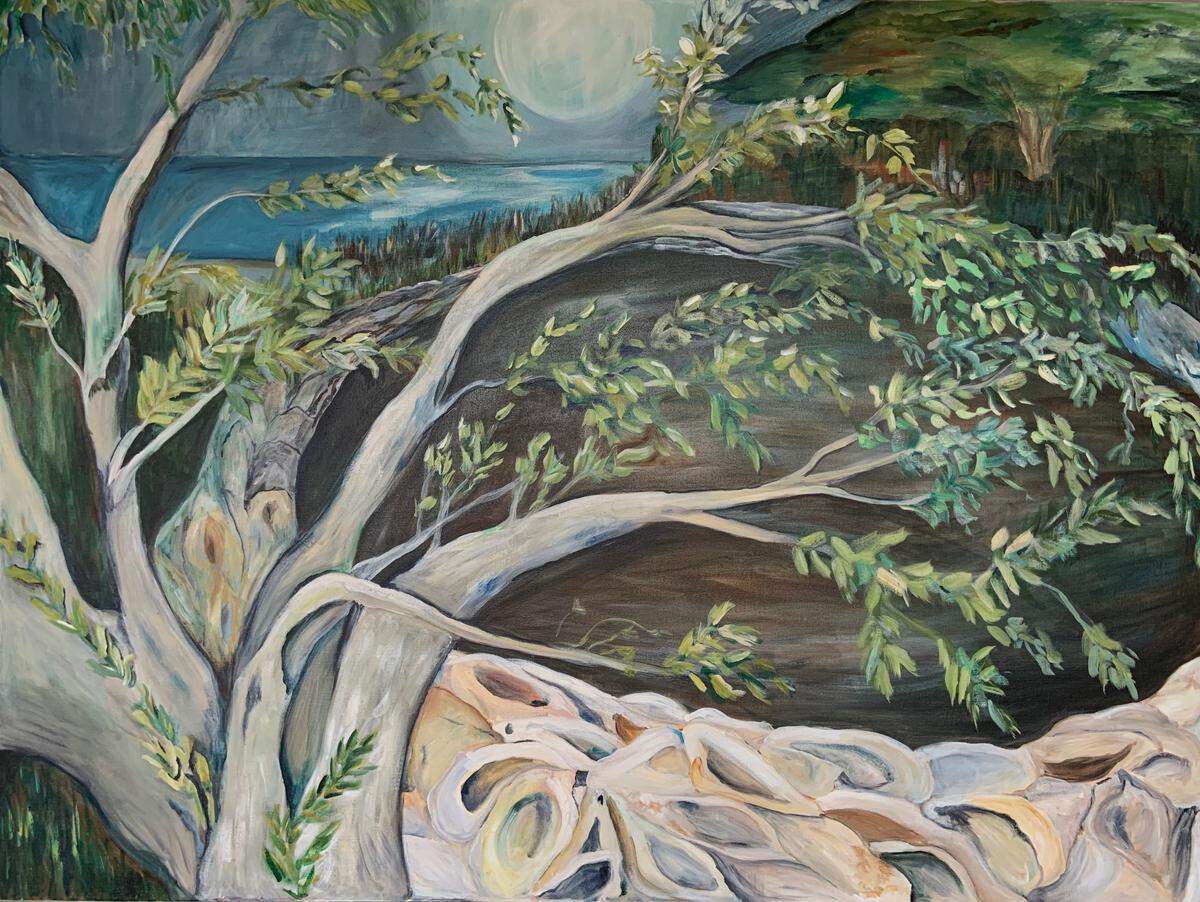
1. Hilton Head Island has several-thousand-year-old shell rings
Made up of hundreds of thousands of oysters, clams and mussels the Sea Pines Shell ring dates back almost 4,000 years and is the oldest archaeological site on Hilton Head Island. Archaeologists believe the rings were either where Native Americans came together for large religious gatherings or the remains of circular villages. There are about 50 found along the Florida, Georgia and South Carolina coasts dating back 3,000 to 5,000 years.
2. The Yamasee War shaped Hilton Head’s demographics
The Yamasee was a war between South Carolina’s British settlers, the Yamasee and other Native Americans that broke out in 1715 over the British’s unfair trading practices, including in Hilton Head. It lasted until 1717, though raids continued until around 1728. The settlers won and largely collapsed Native American power in the area.
3. Slavery is part of Hilton Head history
In the early 1700s West Africans sold as slaves begin being brought to Hilton Head to tend the rice and cotton fields. Up to 60% of all African slaves entering American colonies during the 1700s were brought to South Carolina.
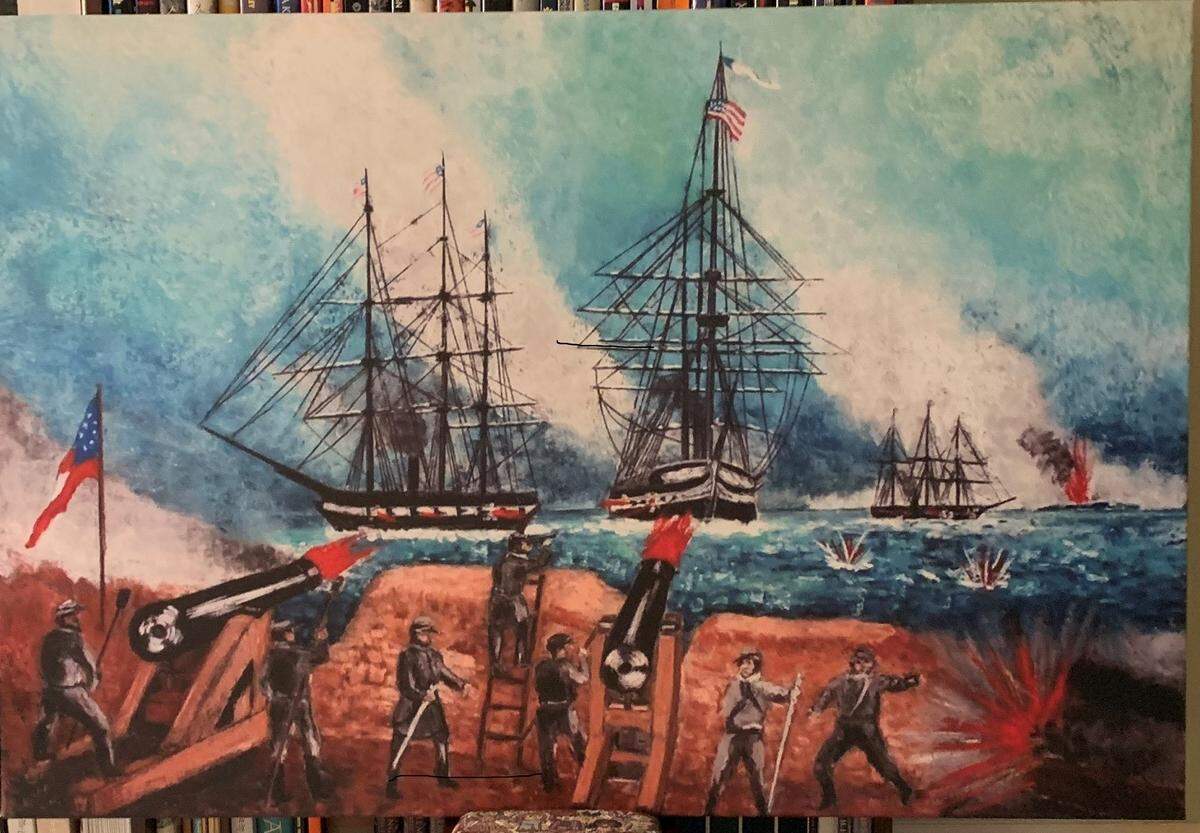
4. One of the first battles of the Civil War was nearby
Fought in November 1861, the Battle of Port Royal was one of the first battles in during the Civil War. The Union won and created a navy base of operations that would worked to isolate the South throughout the war.
5. Harriet Tubman came to Hilton Head during the Civil War
In 1862, Tubman served the Union army as a scout, spy and nurse and assisted in the recruitment of Black soldiers in Hilton Head.
6. Hilton Head has the first self-governed town of formerly enslaved people in the U.S.
In 1862, three years before slavery was abolished nationally, Union Gen. Ormsby M. Mitchel worked with the community to establish the town of Mitchelville on what was previously a plantation. Some 3,000 formerly enslaved people lived in freedom on what is now a historic park.
7. The Island is home to the Gullah Geechee people
The Gullah Geechee people are descendants of Africans enslaved on plantations of the lower Atlantic coast. Since they were enslaved on isolated islands and coast, they retained many of their African traditions to create a unique culture, which can be seen today in their arts, crafts, food, music and language.
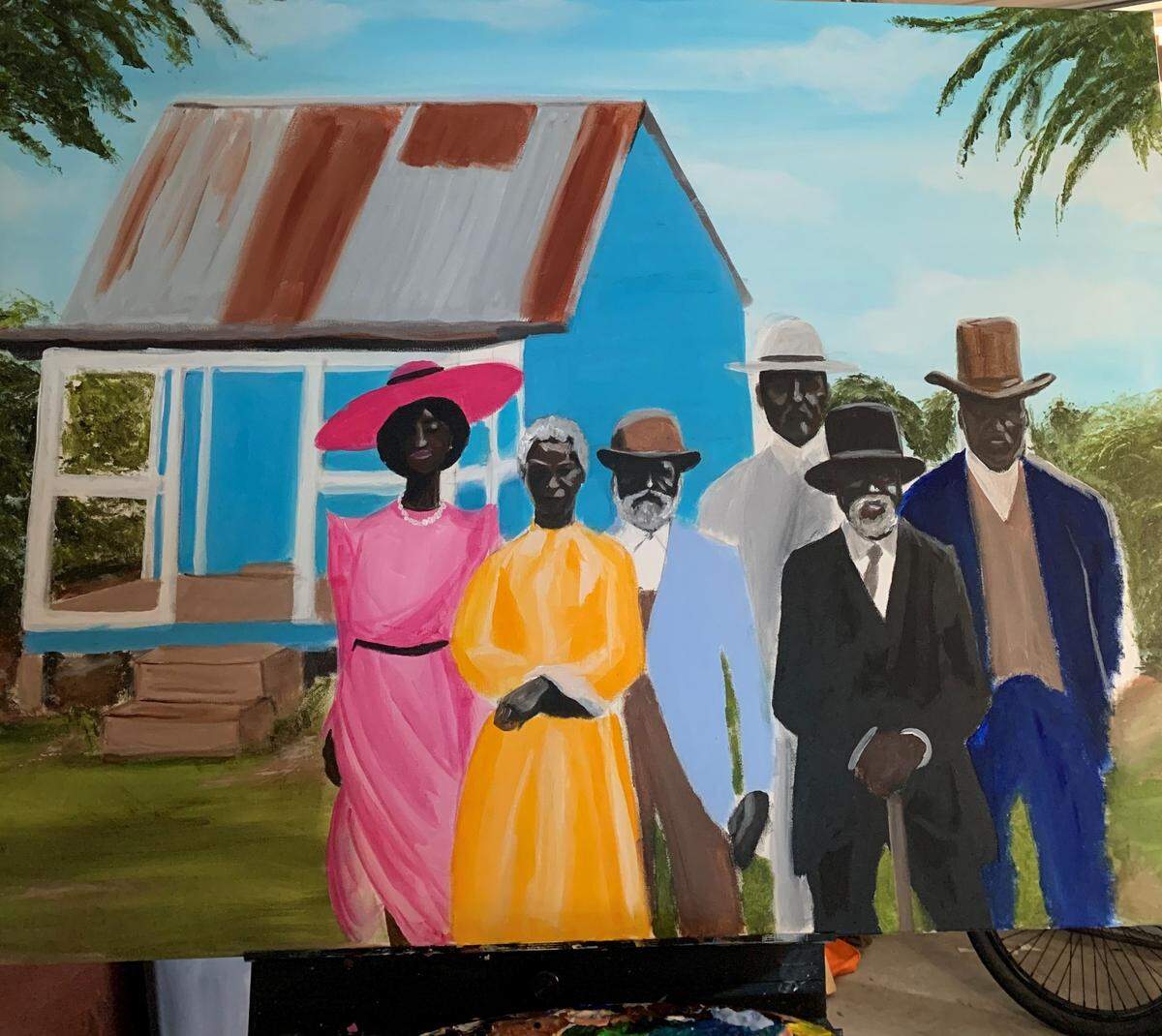
8. Hilton Head’s first school for African-American children is still standing
Mitchelville made education mandatory for students even before white children were required to go to school. The Cherry Hill School was built in 1937 and operated until all African-American children attended the new consolidated elementary school in 1954.
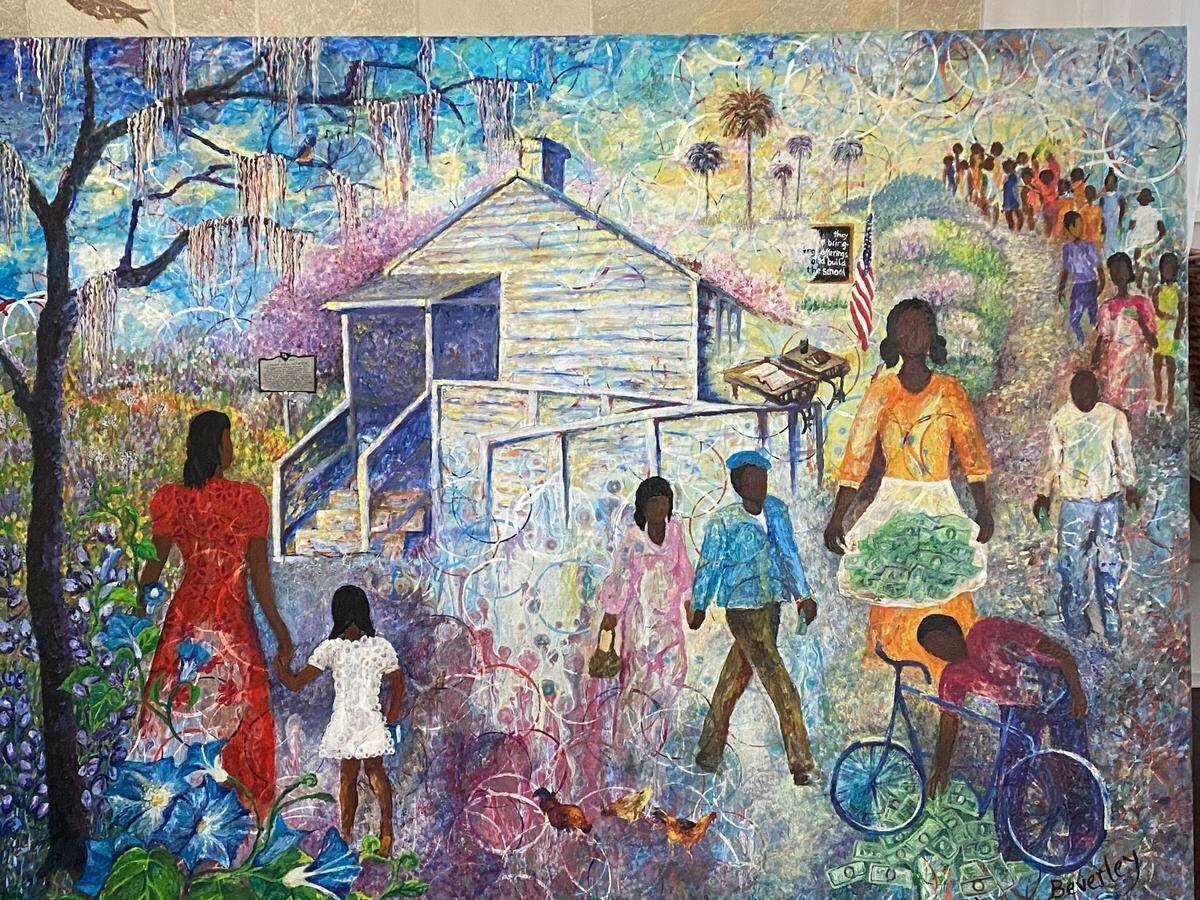
9. A huge tropical cyclone brought Clara Barton to Hilton Head
In 1893, what would today be classified as a Category 3 storm made landfall just east of Savannah with gusts as high as 120 mph and a storm surge up to 12 feet. The worst part of the storm struck St. Helena, Hilton Head, Daufuskie, Parris and the smaller Sea islands. Clara Barton and the American Red Cross launched a massive relief effort.
10. Hilton Head is growing fast
In 1950 there were a little under 300 Hilton Head residents. Today, there are about 40,000 permanent residents.
This story was originally published February 18, 2023 at 10:43 AM.