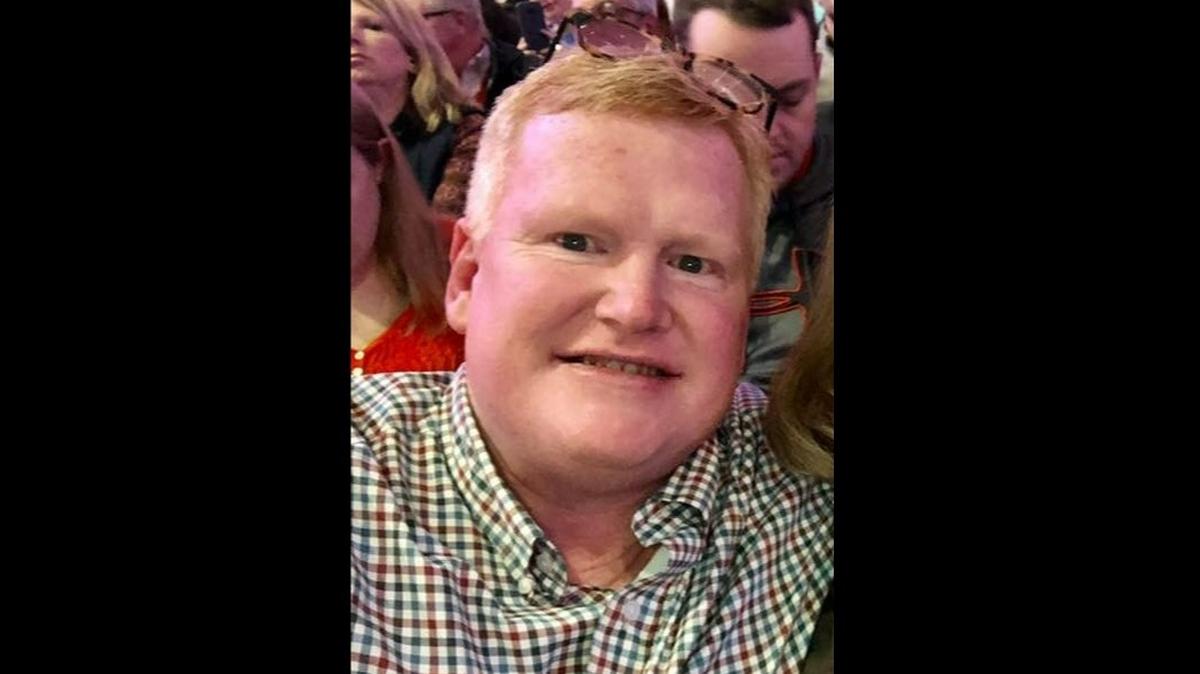
Who ‘did him so bad’ in Paul Murdaugh’s murder? Defense, witness dispute what Alex said
READ MORE
Alex Murdaugh Coverage
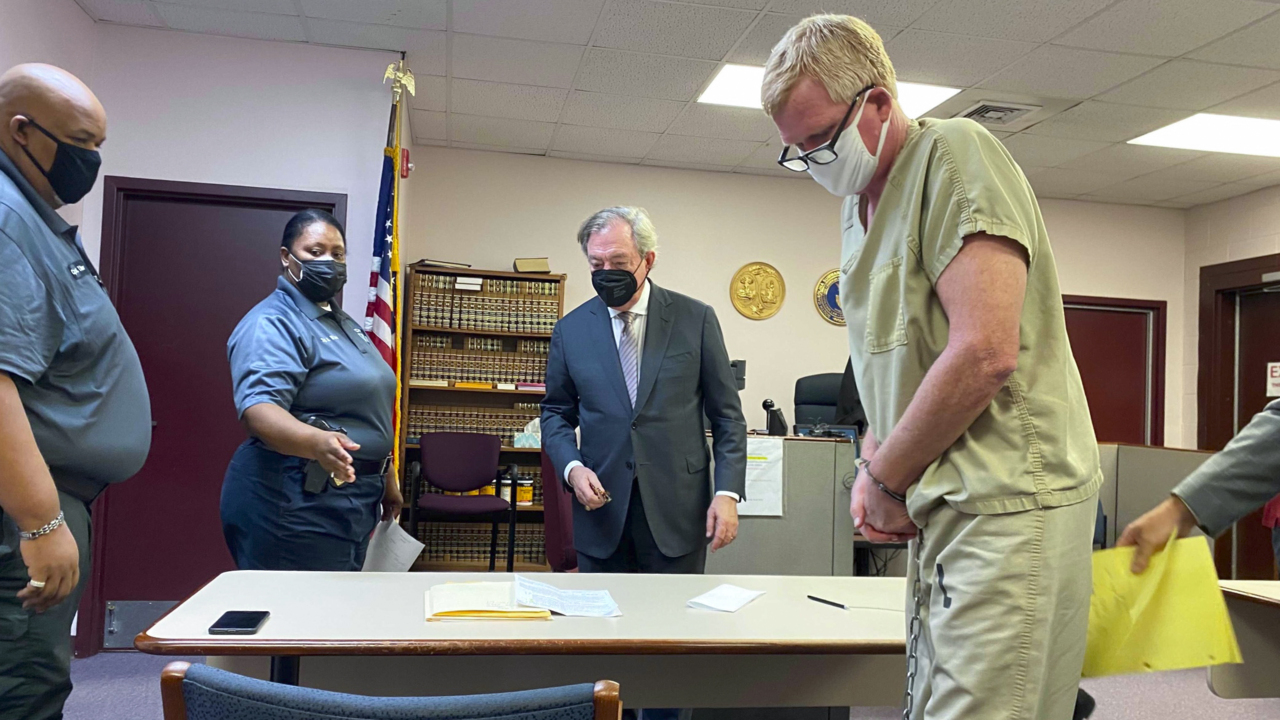
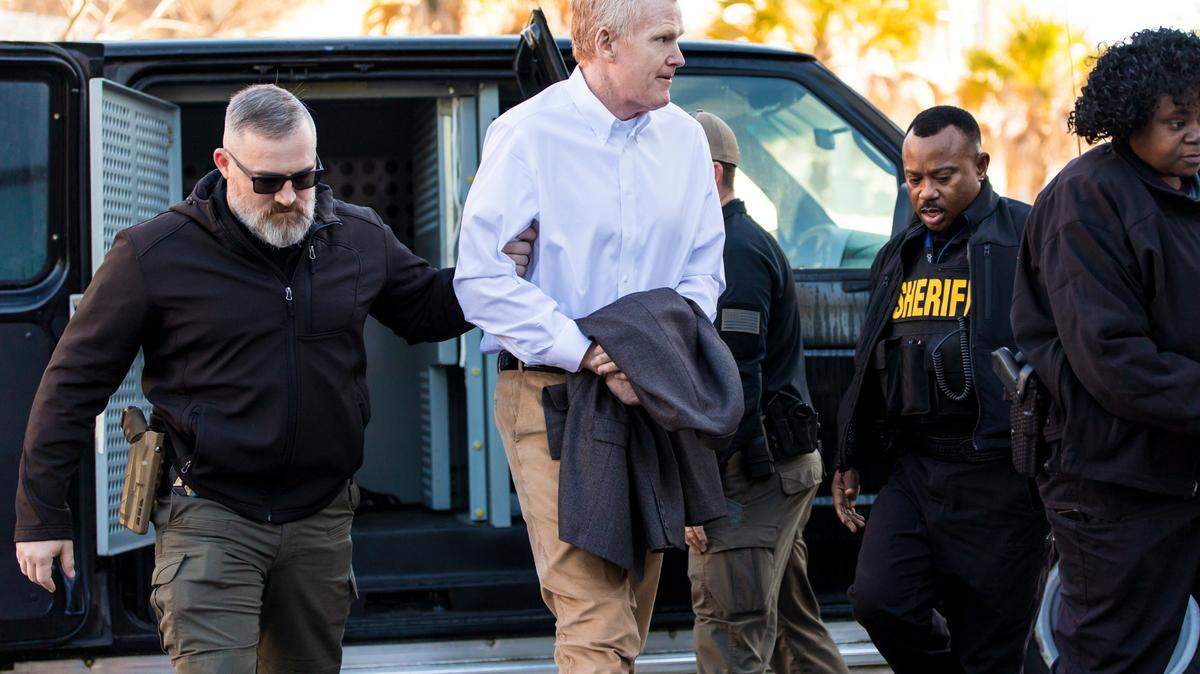
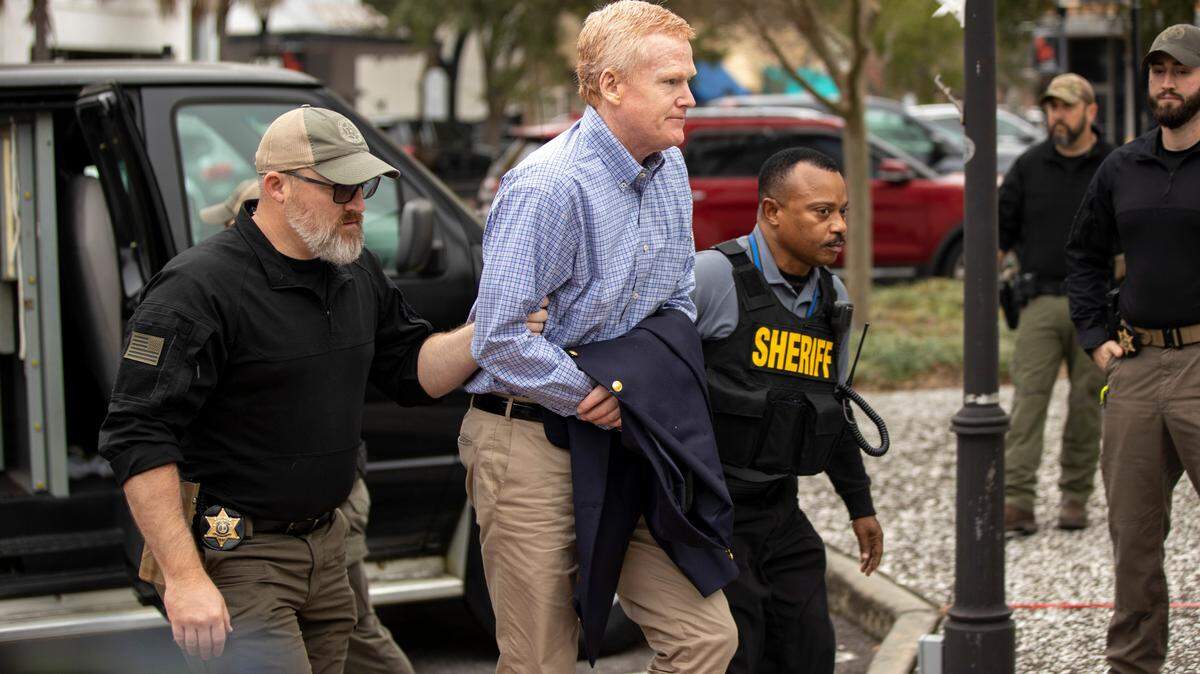
The Murdaugh family saga has dominated the news after another shooting, a resignation and criminal accusations — with Alex Murdaugh at the center of it all. Here are the latest updates on Alex Murdaugh.
Expand All
What did Alex Murdaugh say when describing his murdered son.
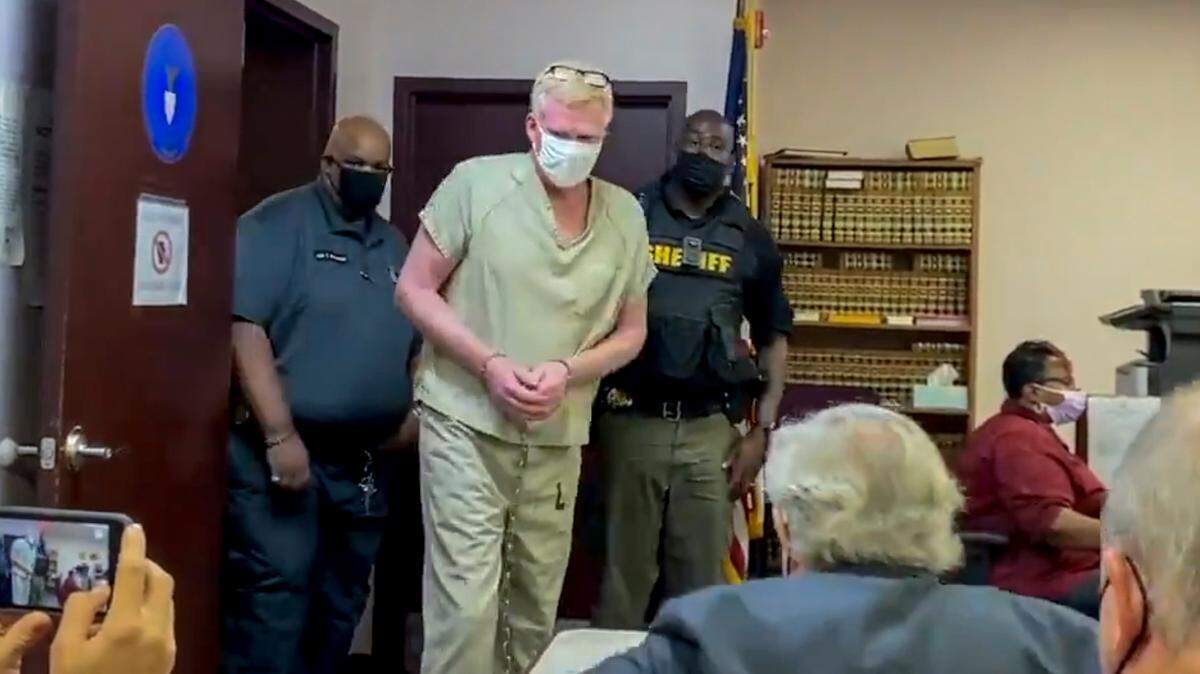
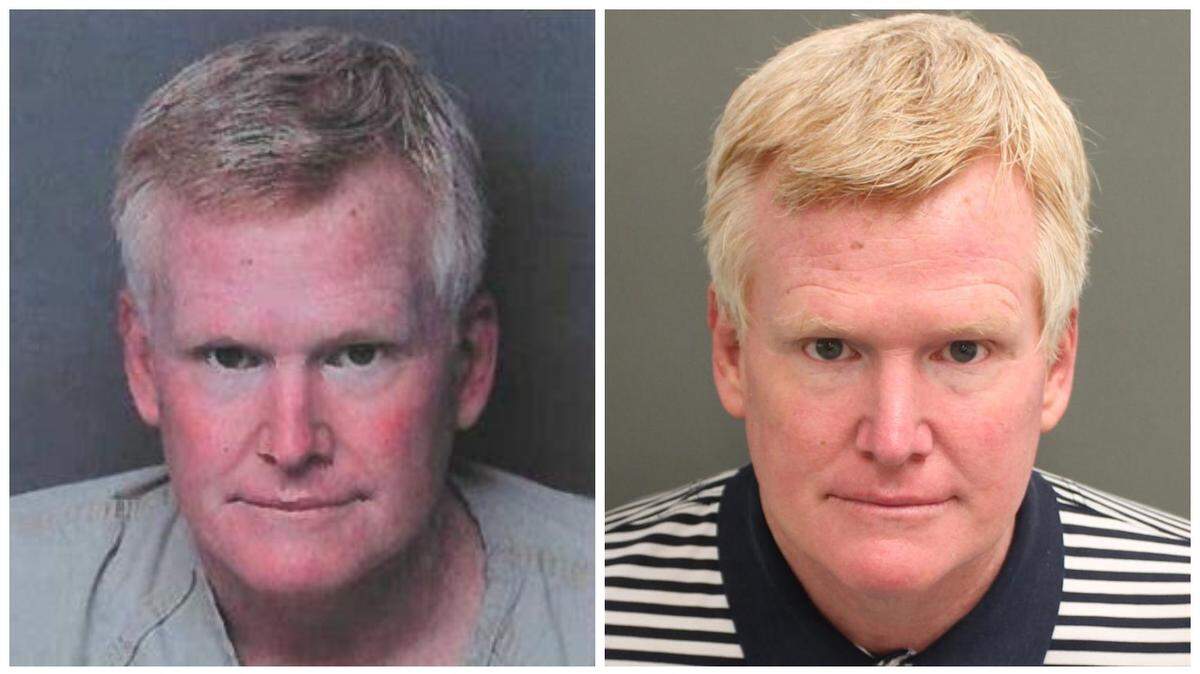
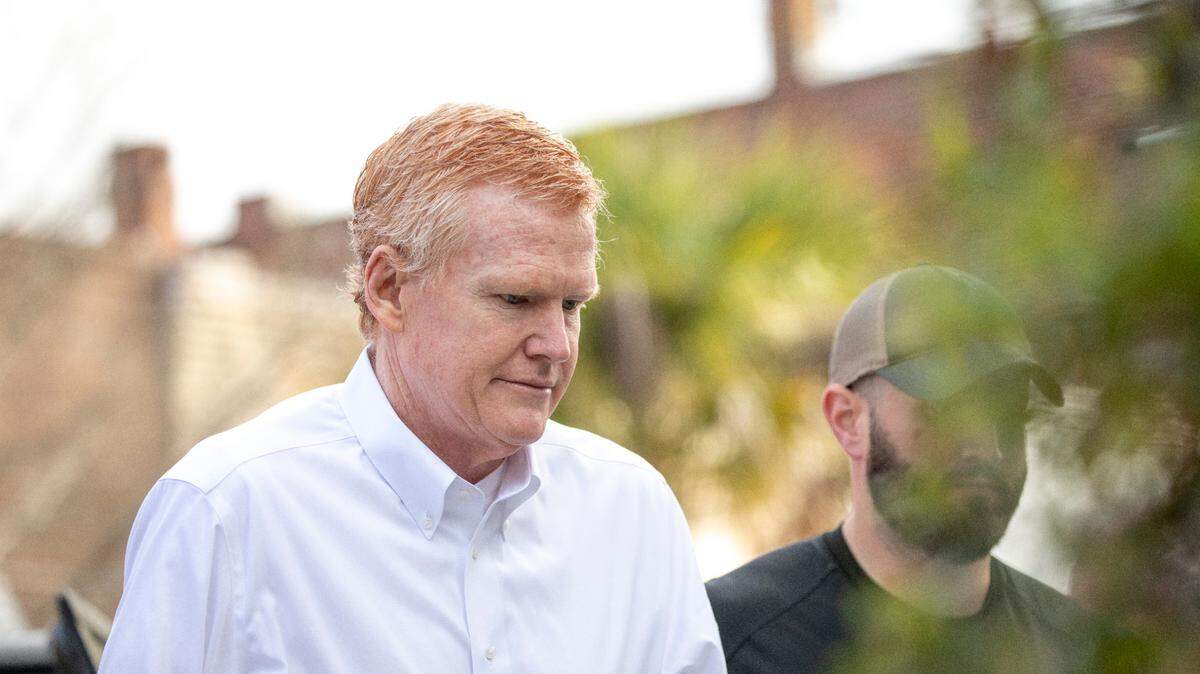
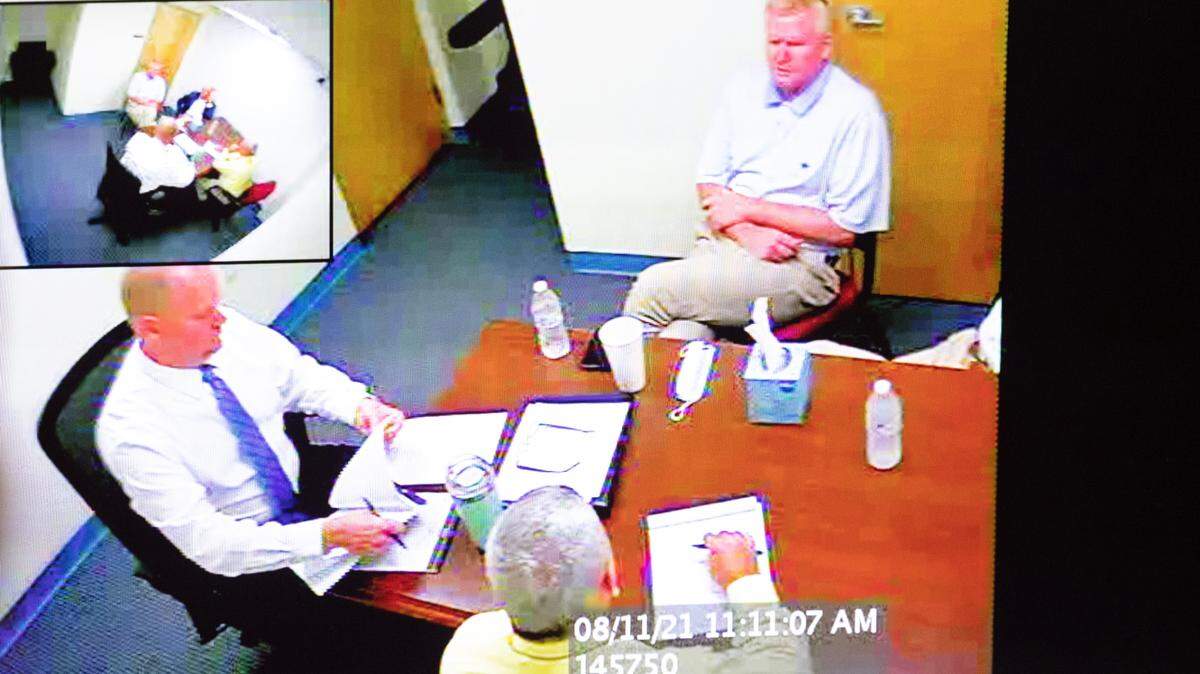
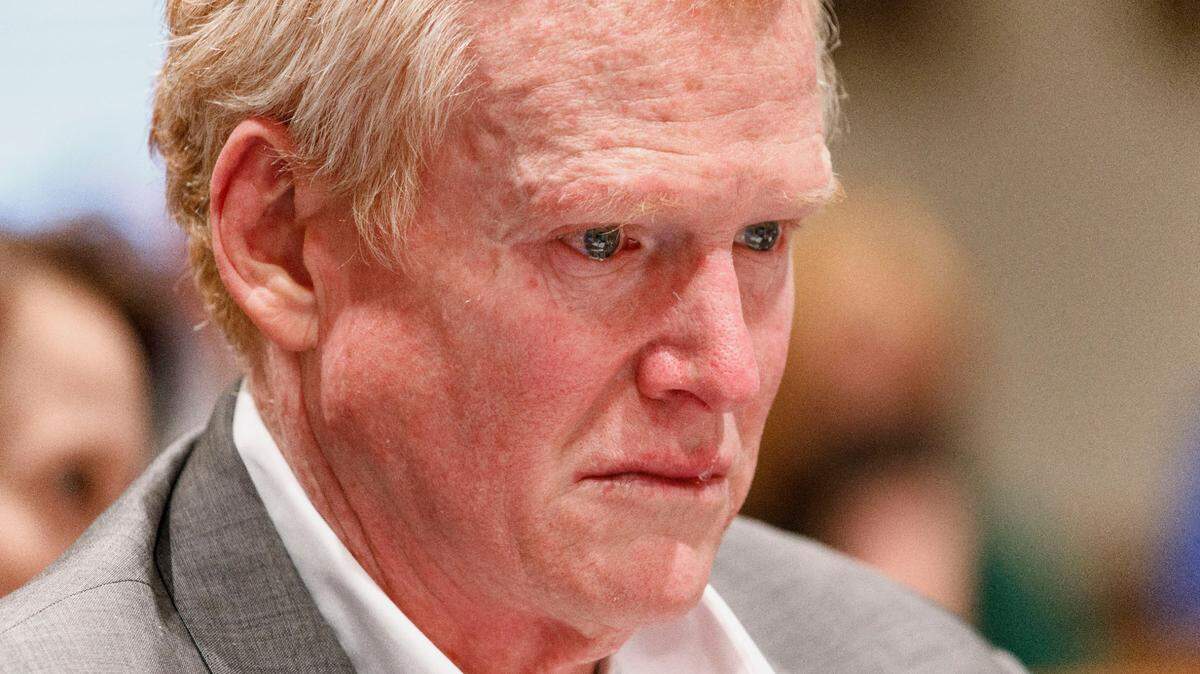
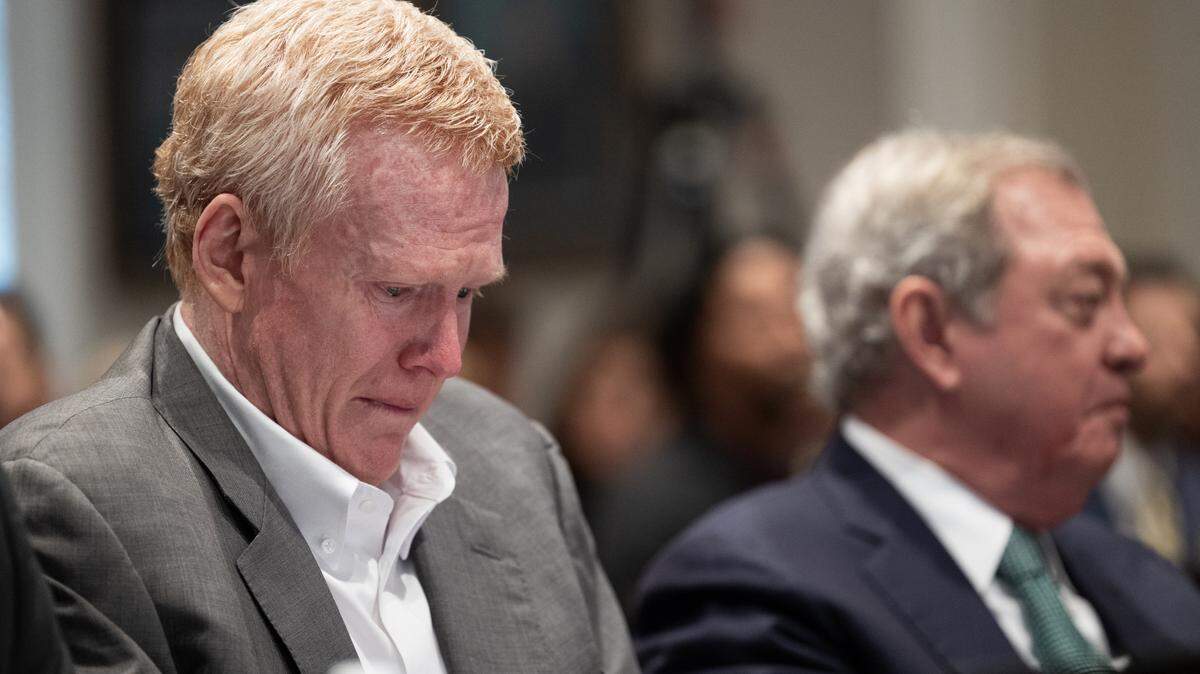
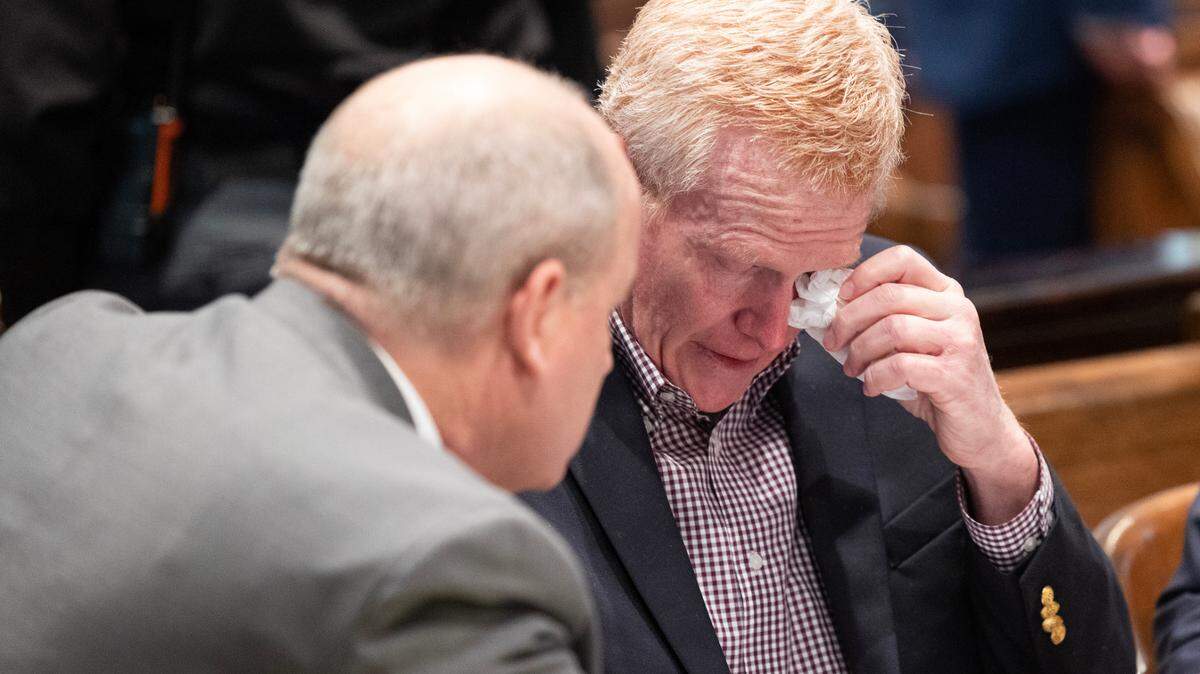
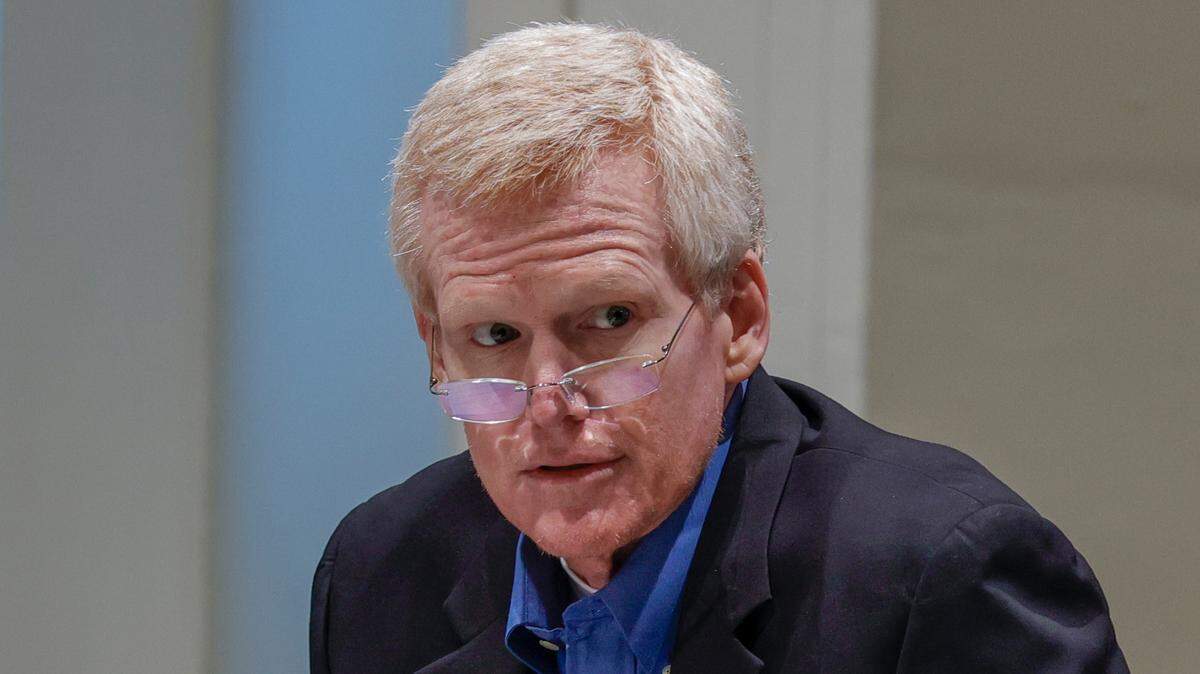
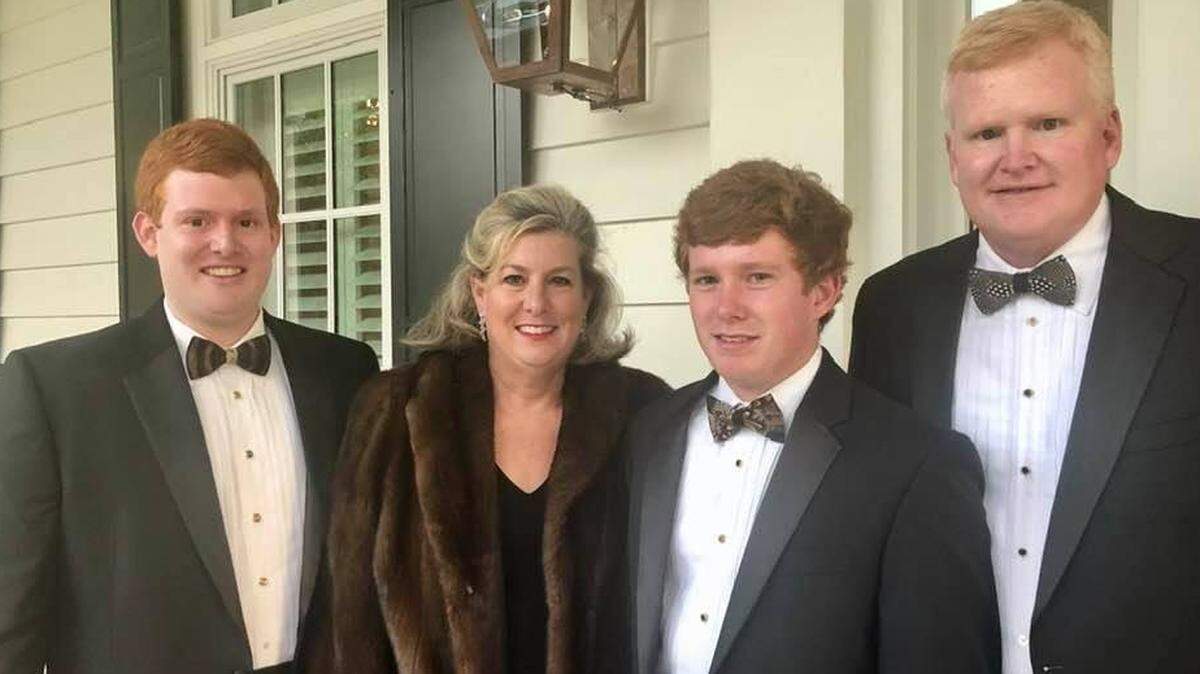
When an interview with law enforcement a day after his 22-year-old son Paul and 52-year-old wife Maggie were shot to death on the family’s Colleton County property, an emotional Murdaugh broke down and said something through the sobs.
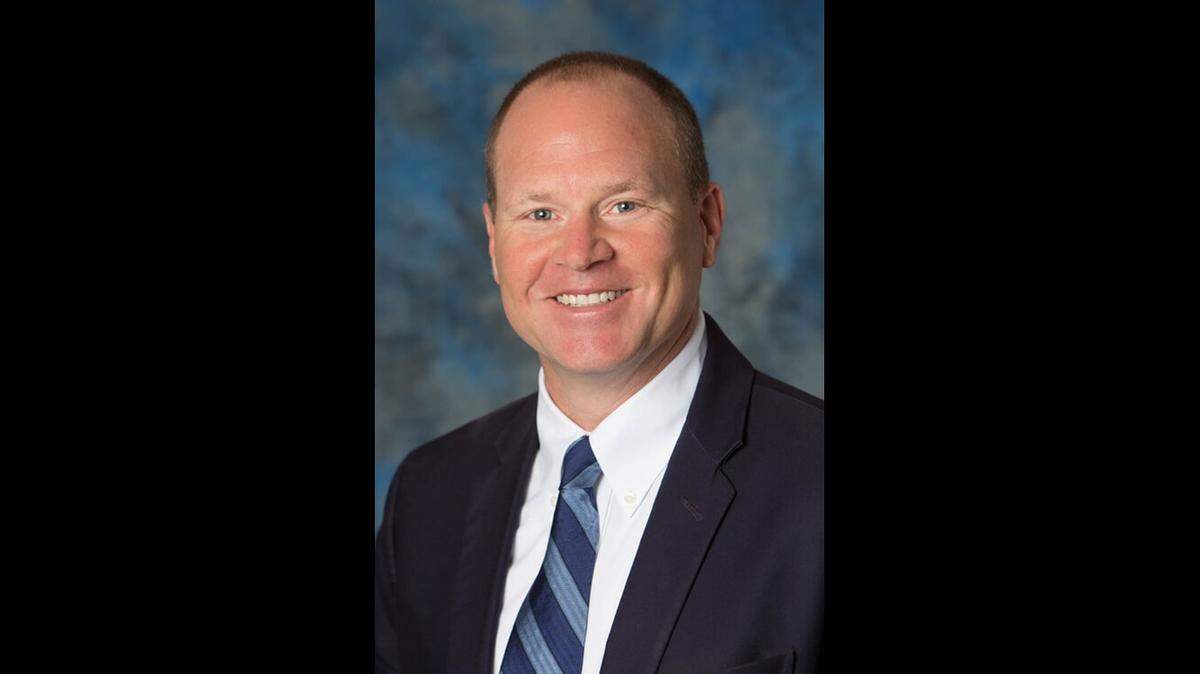
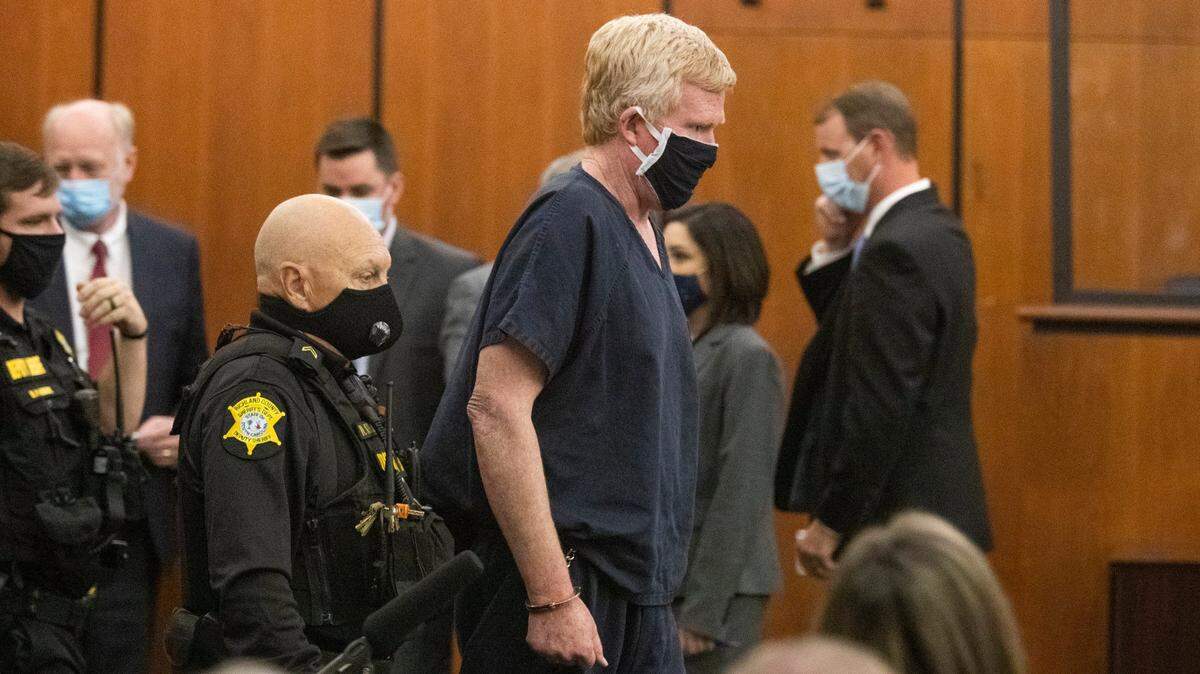
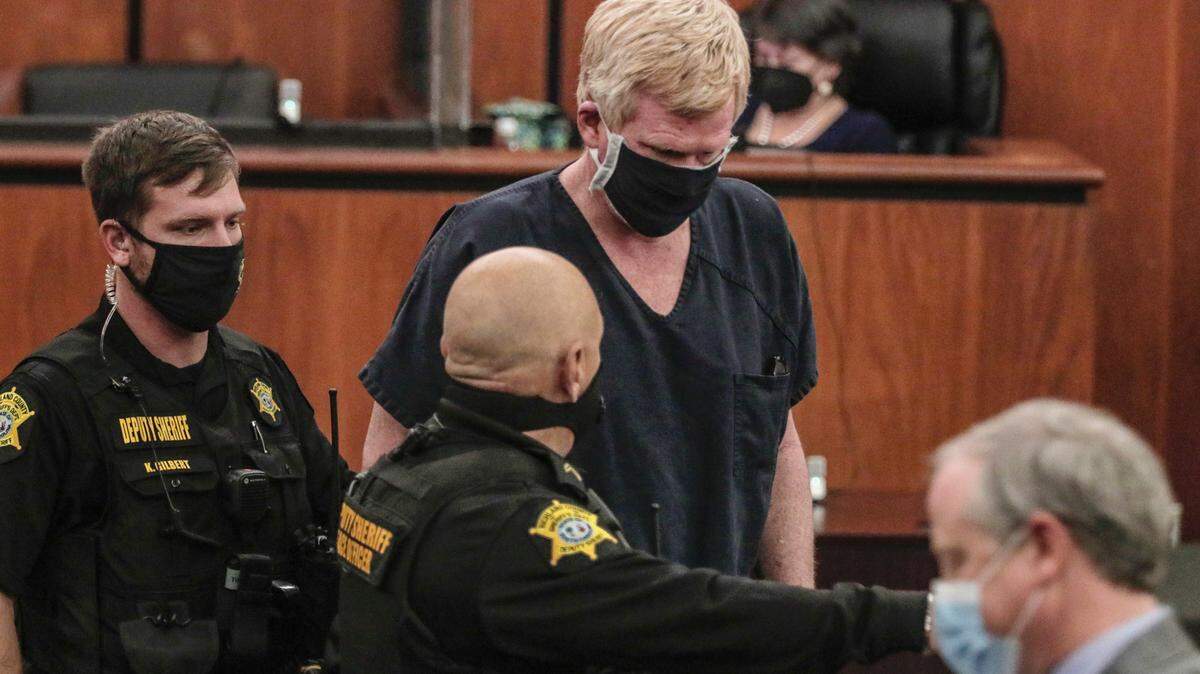
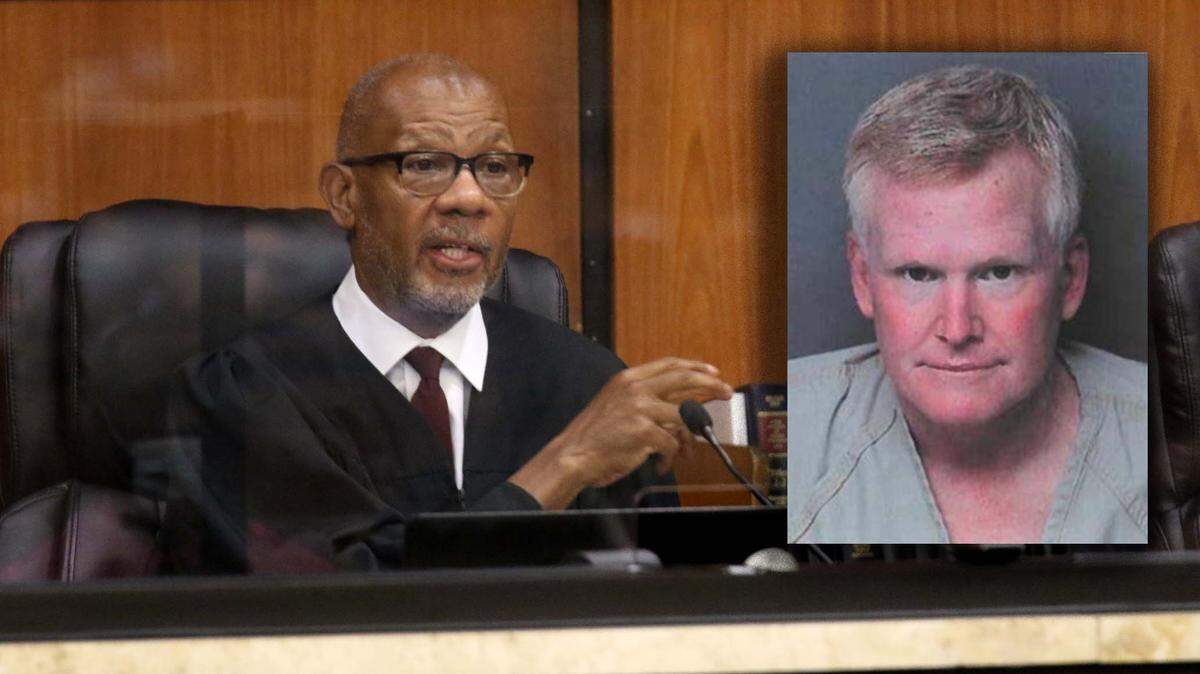
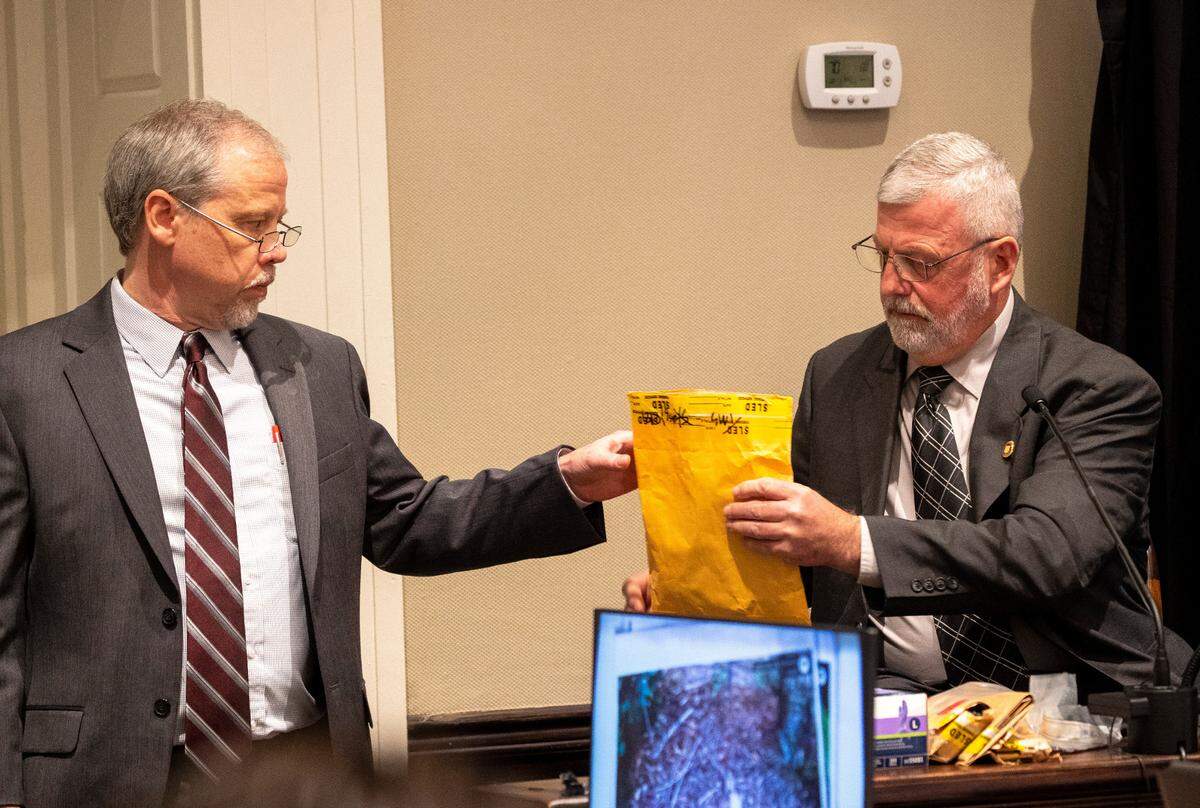
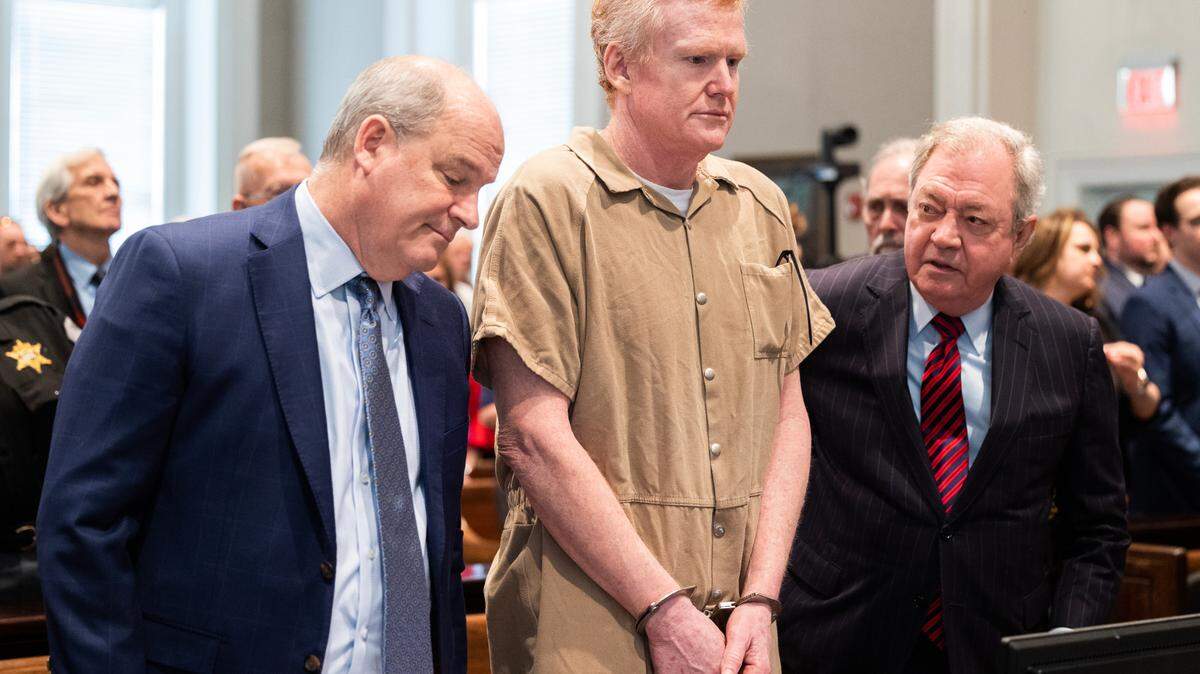
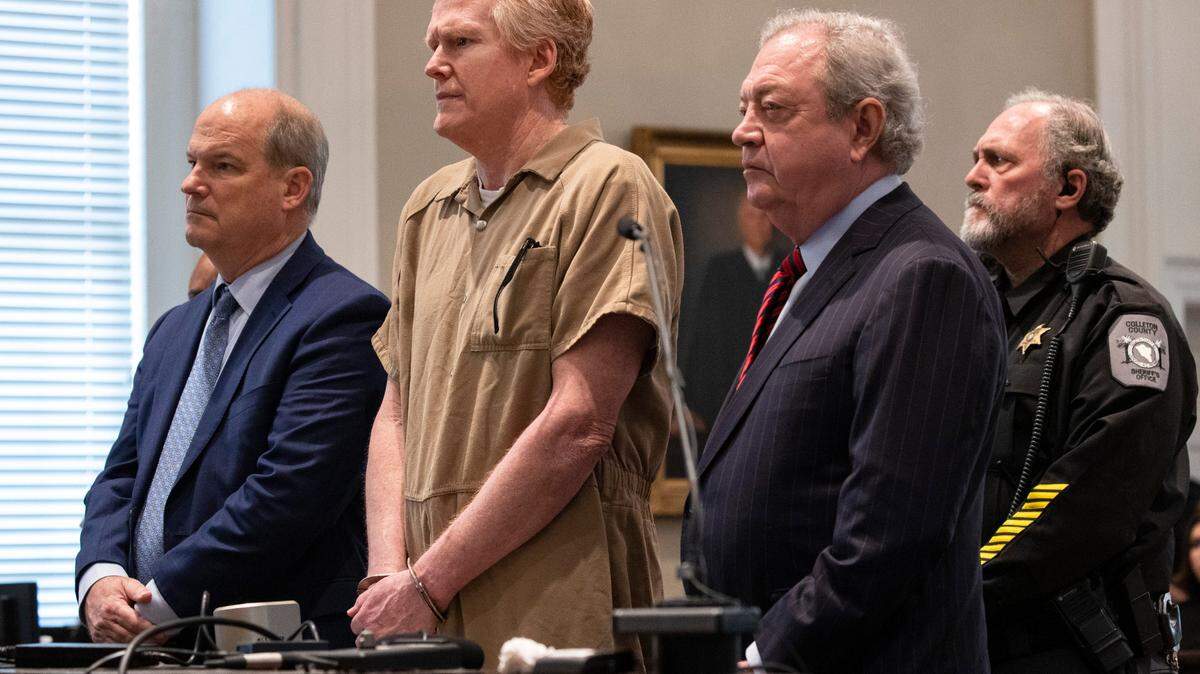
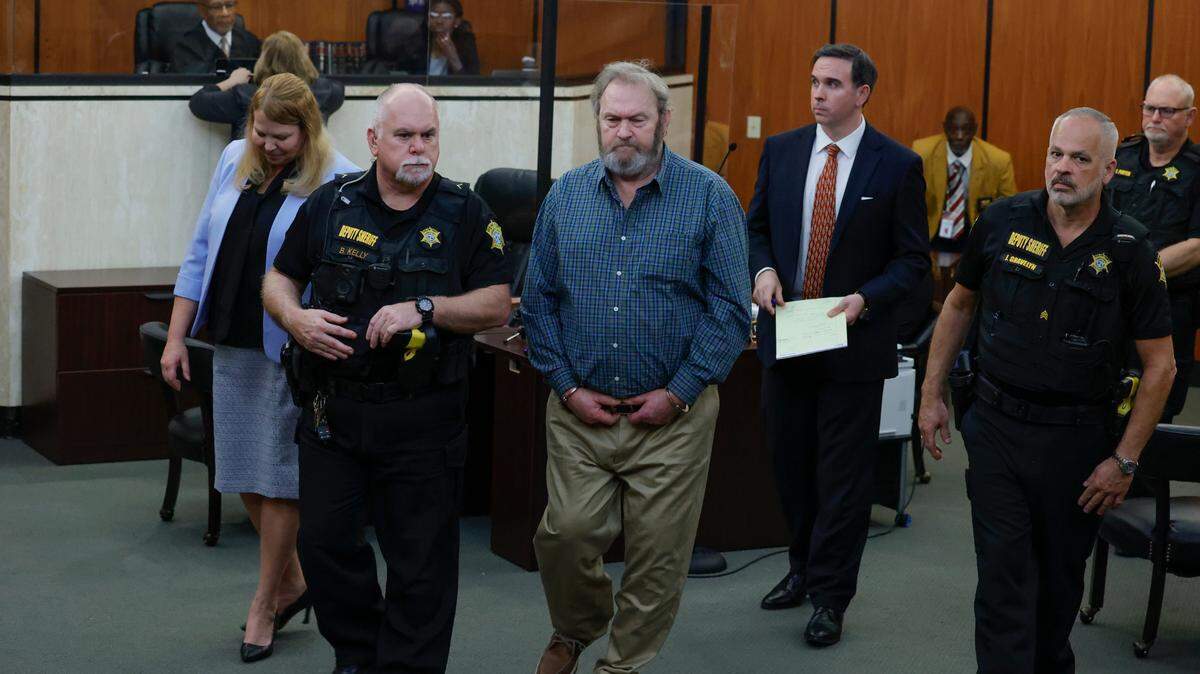
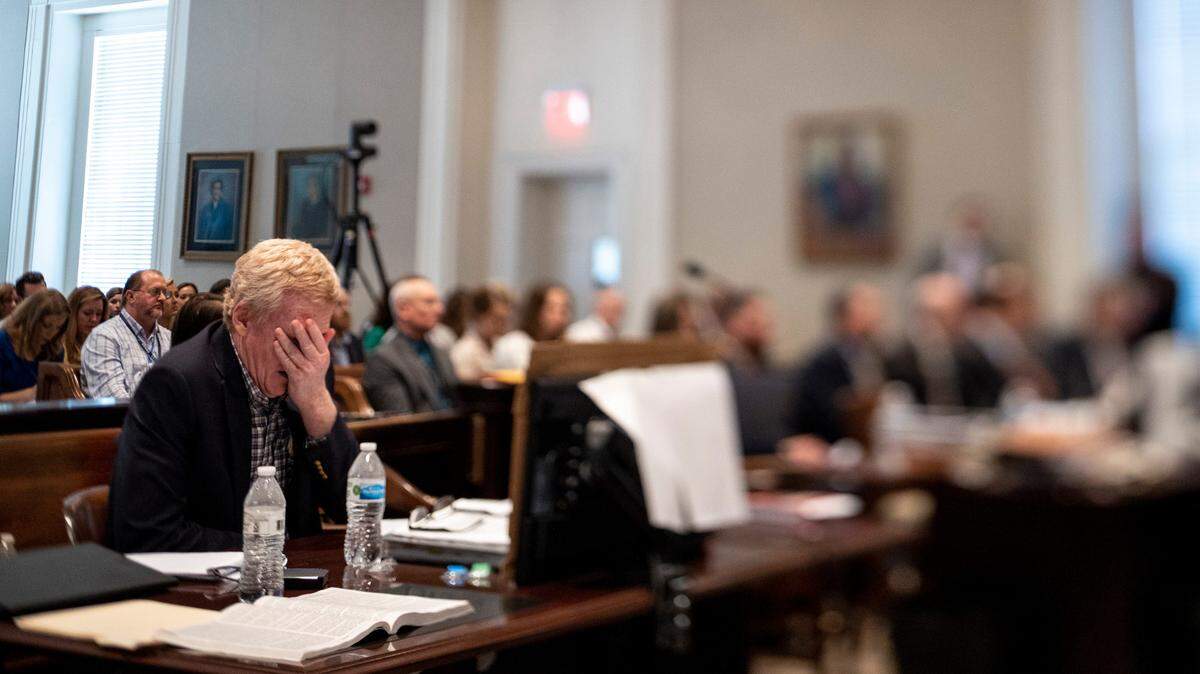
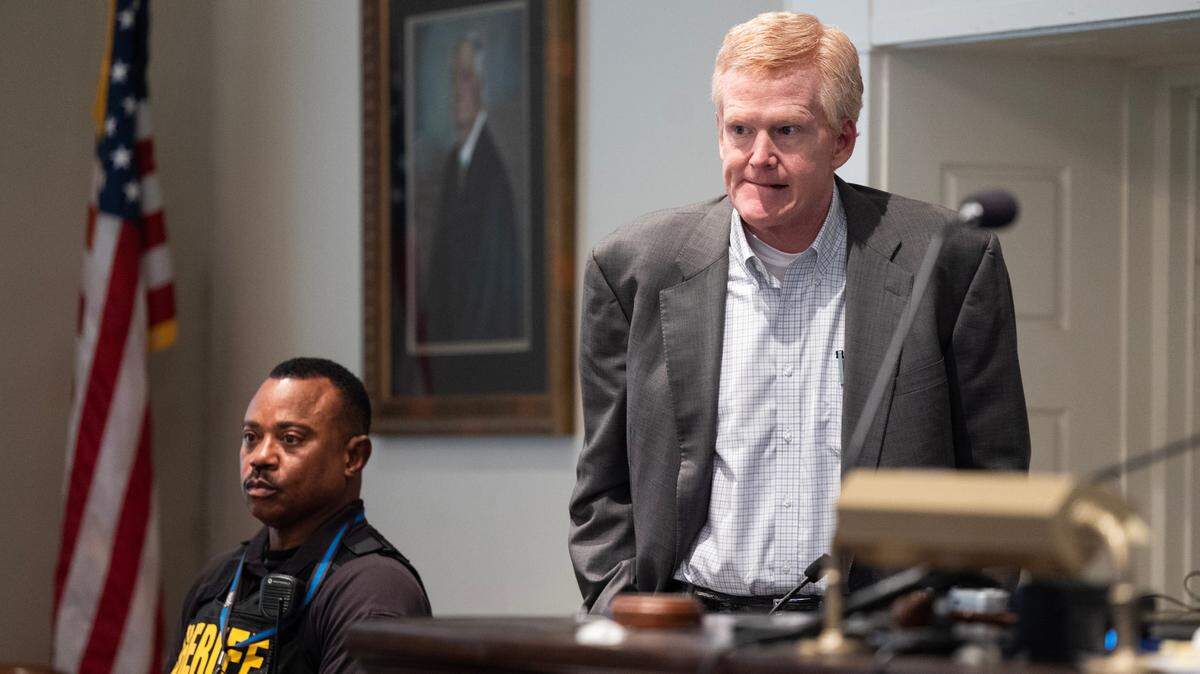
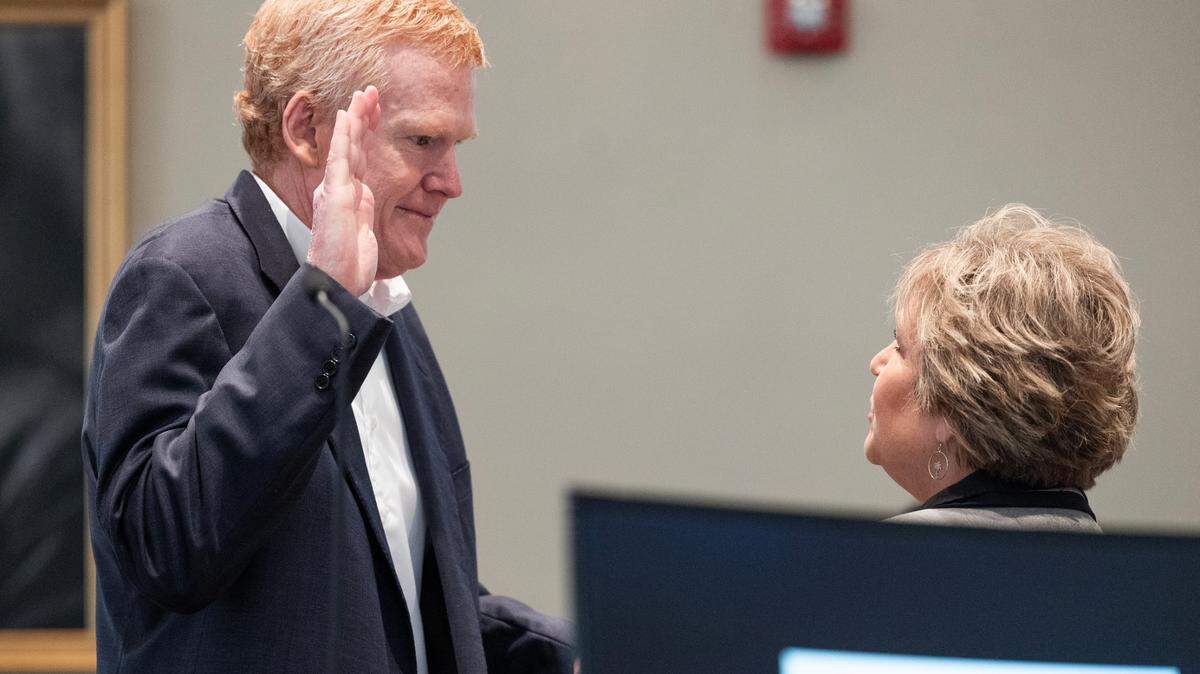
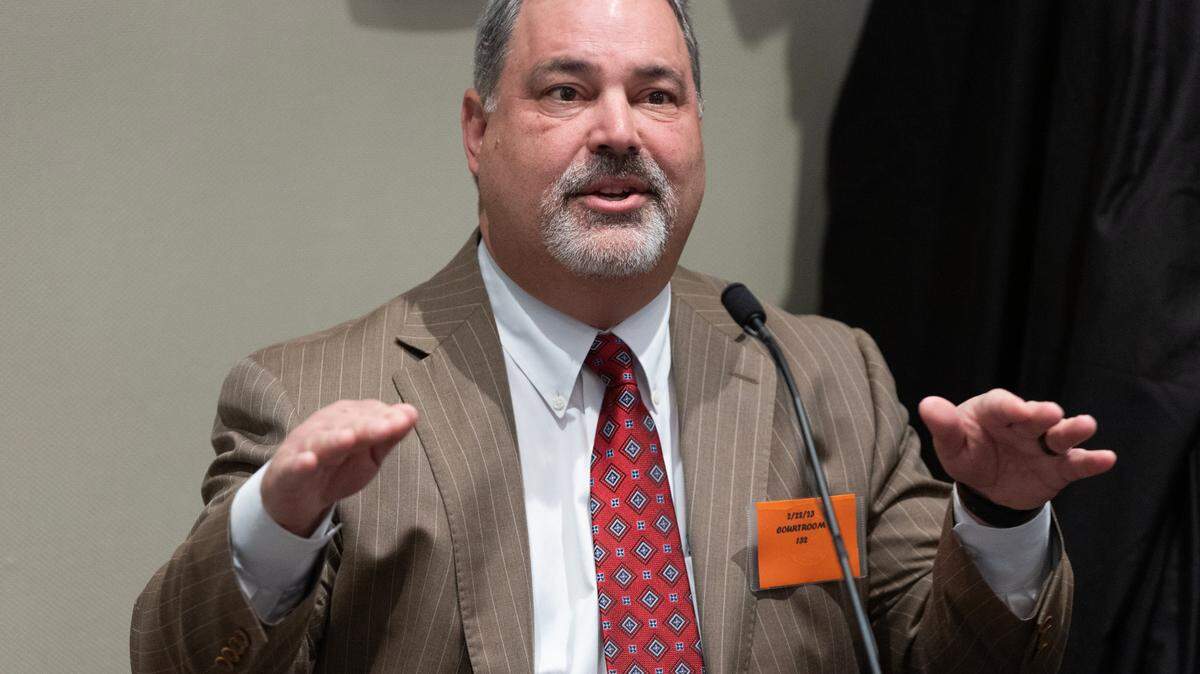
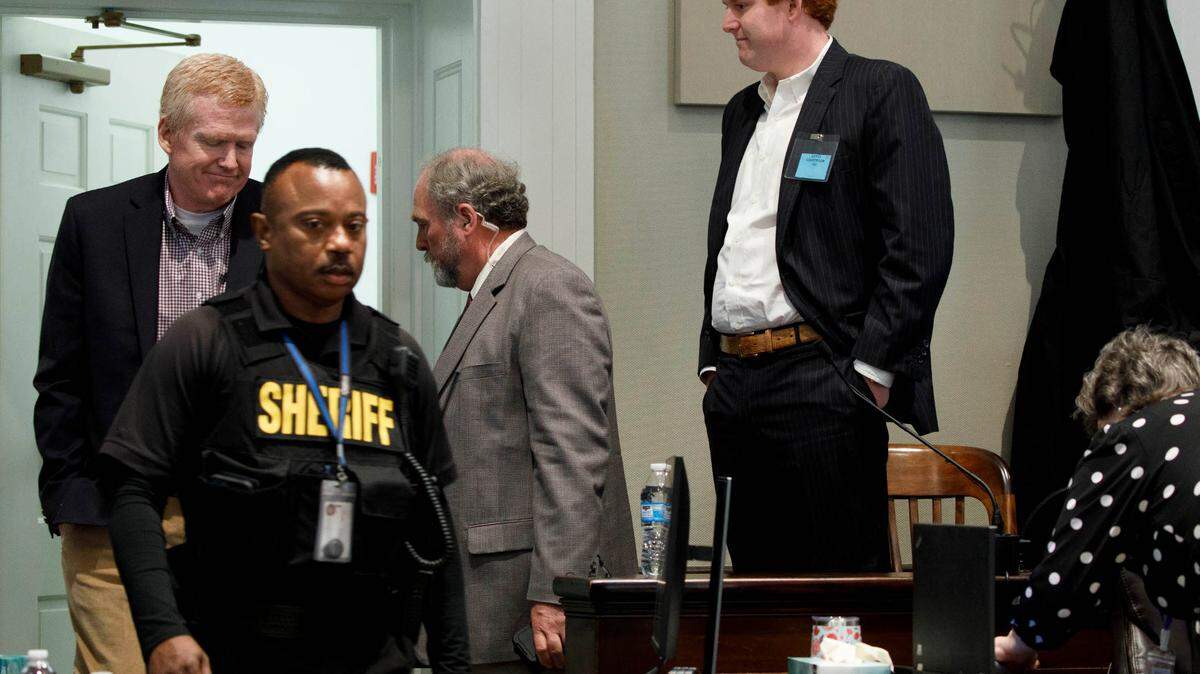
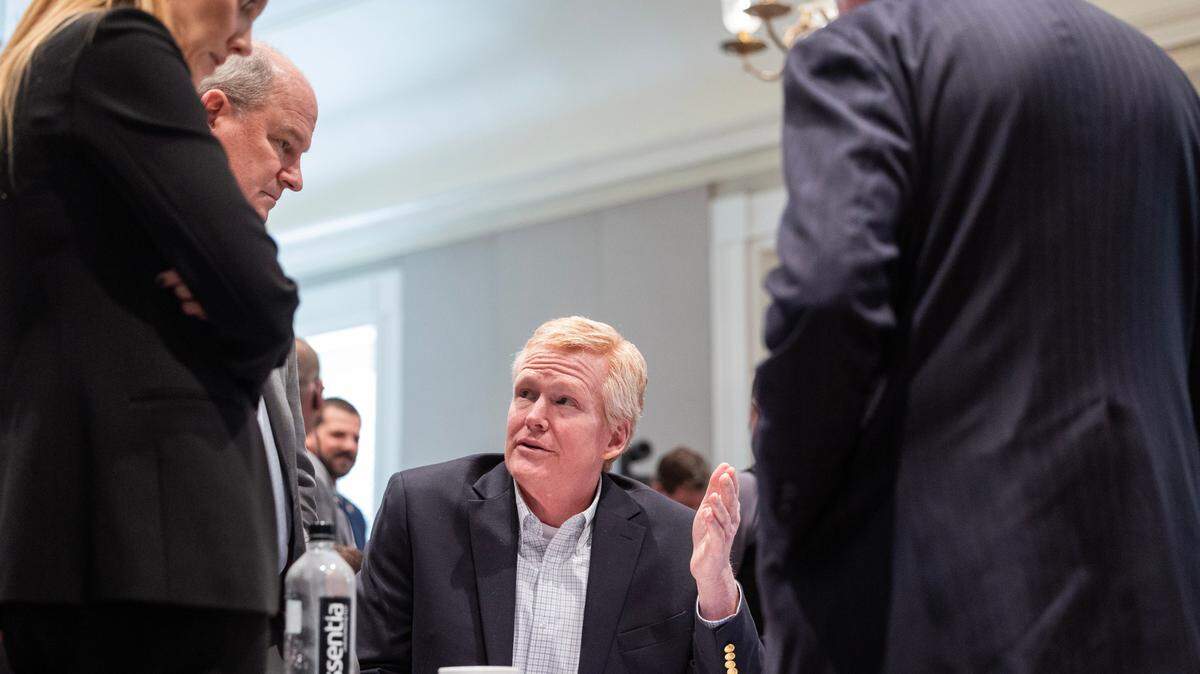
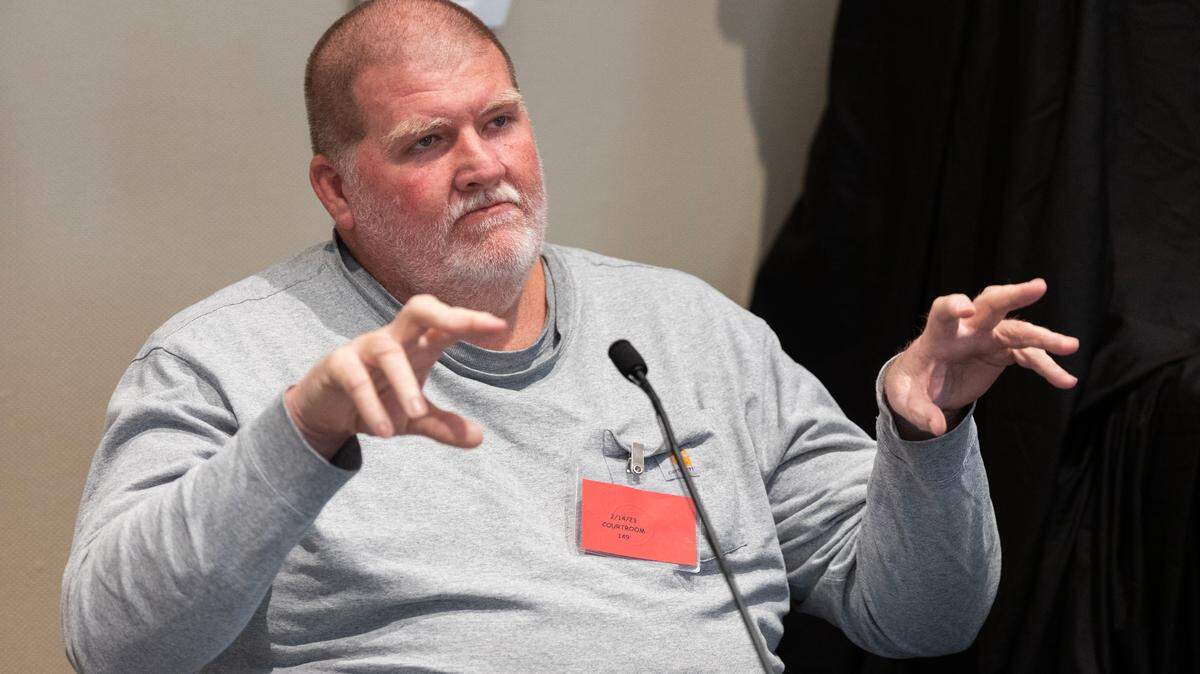
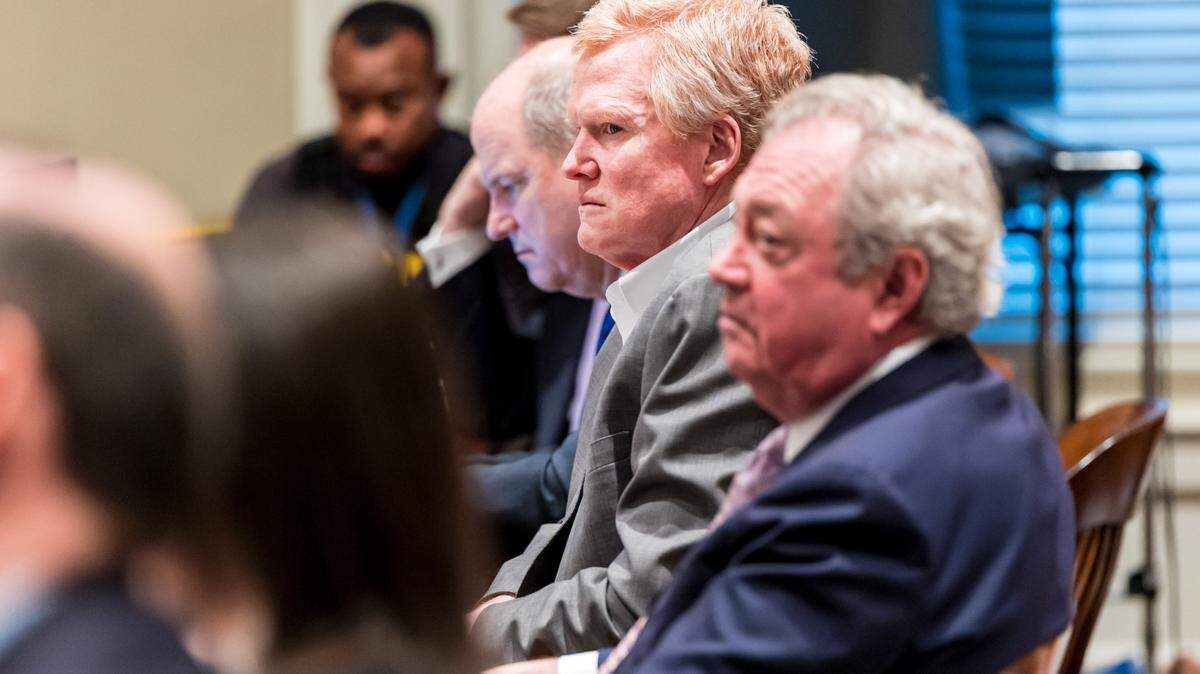
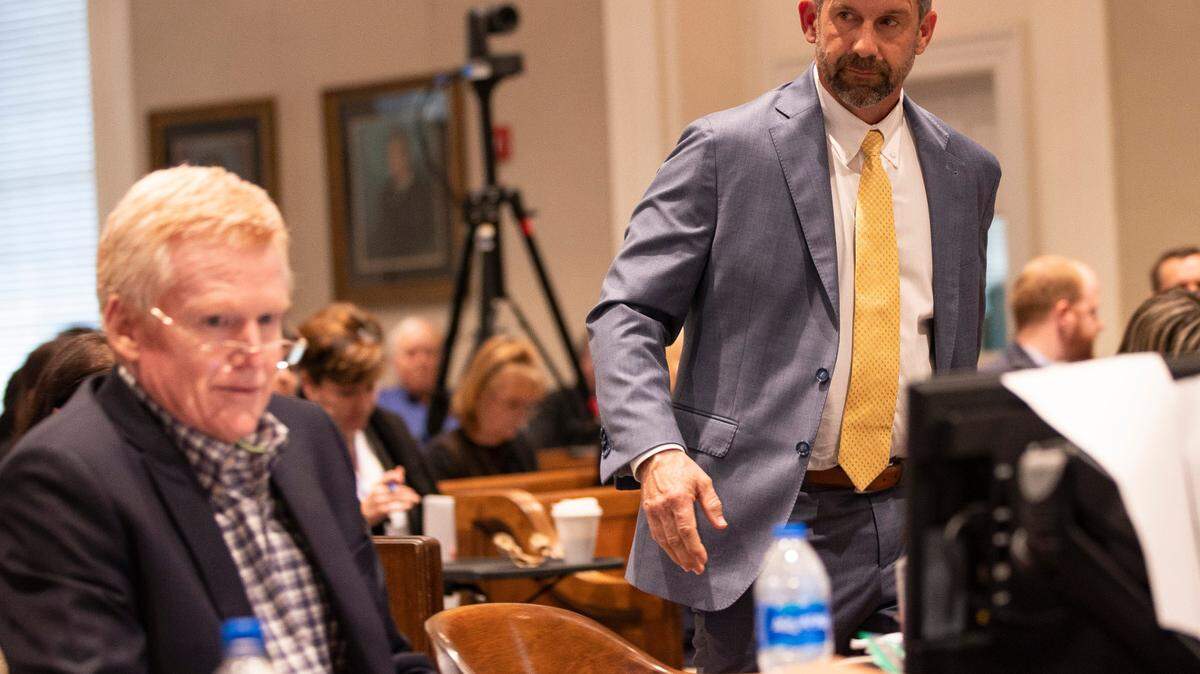
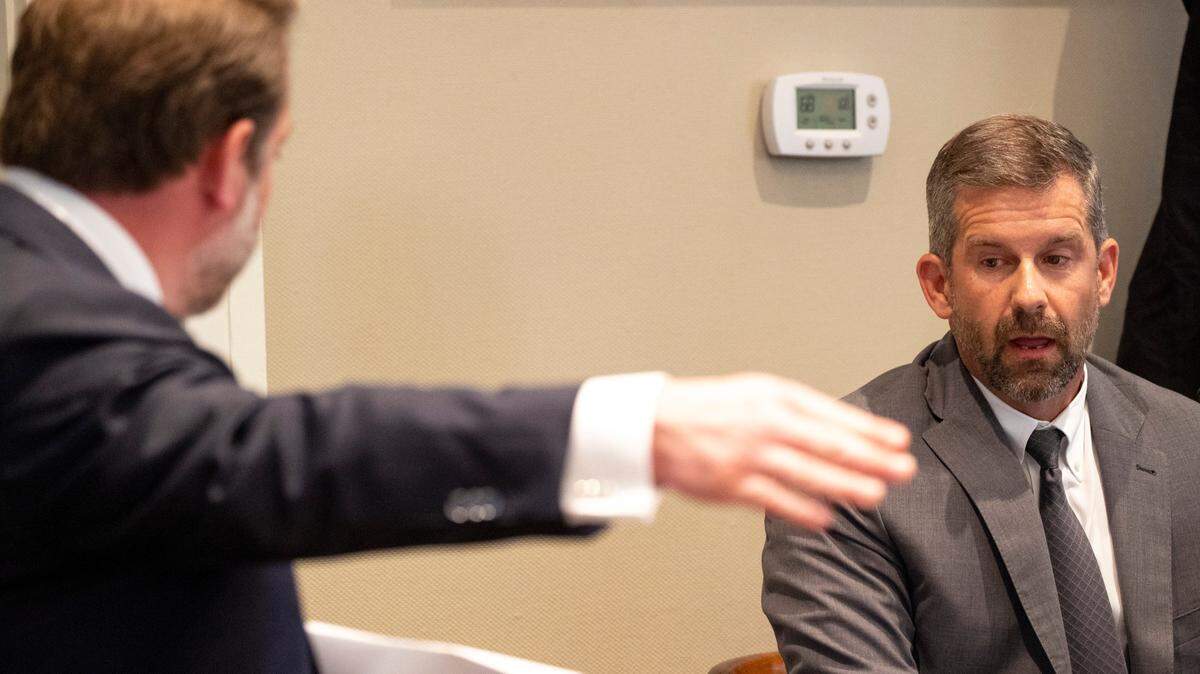
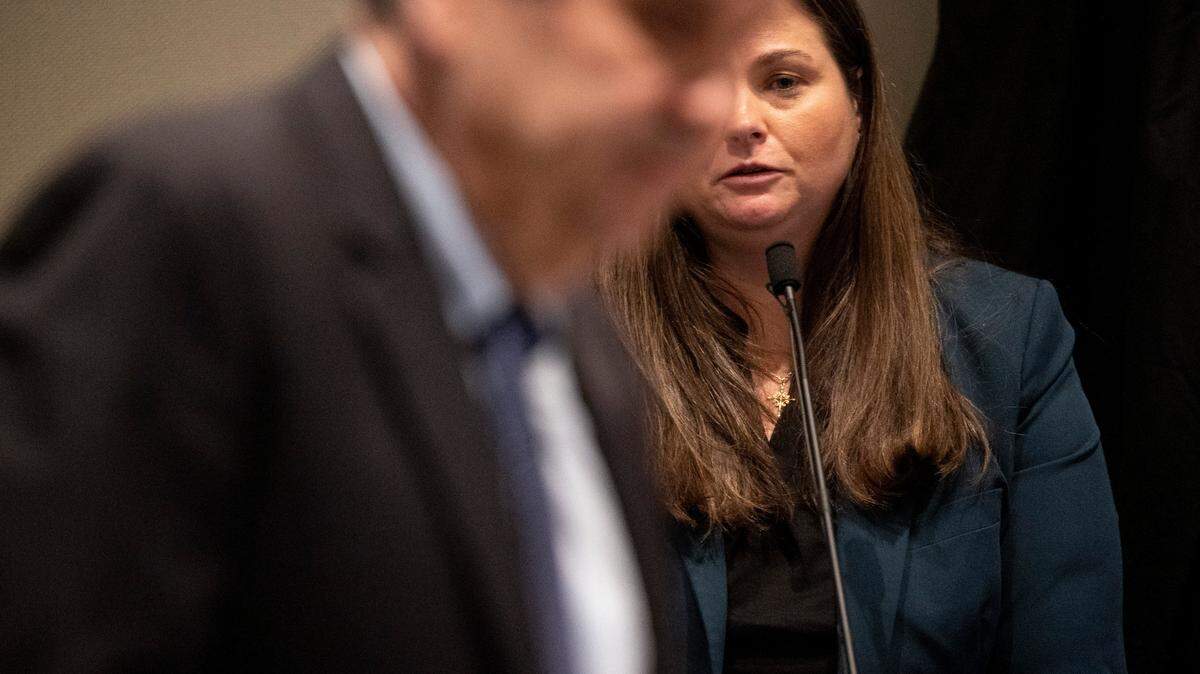
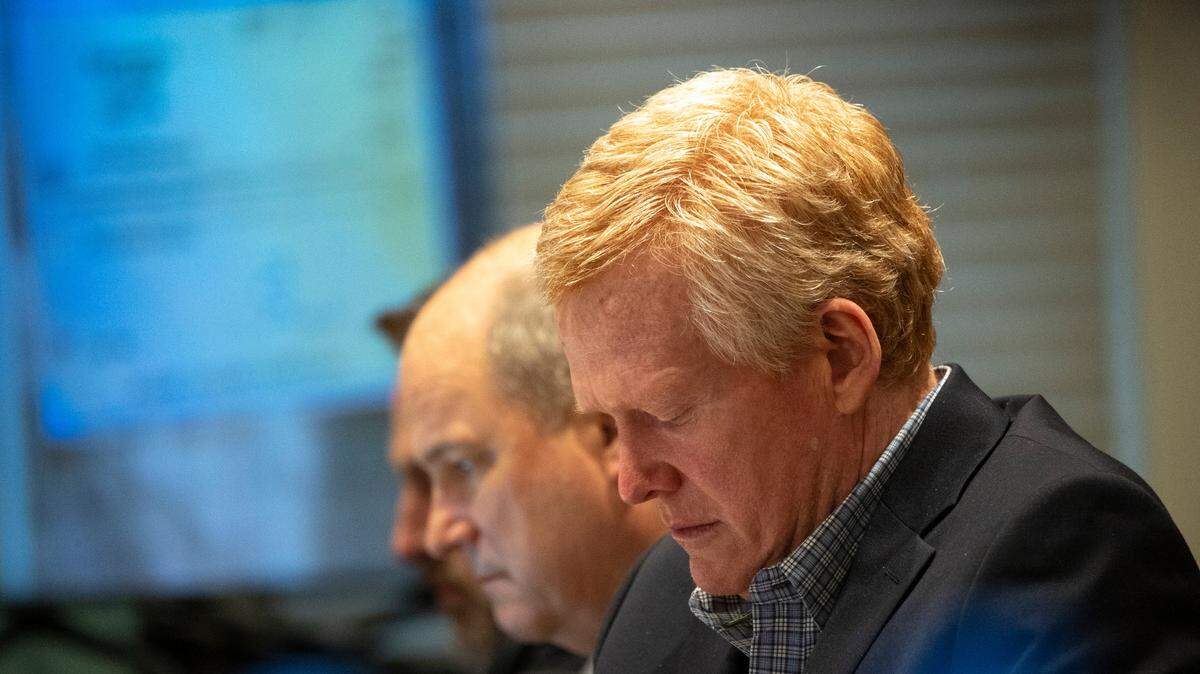
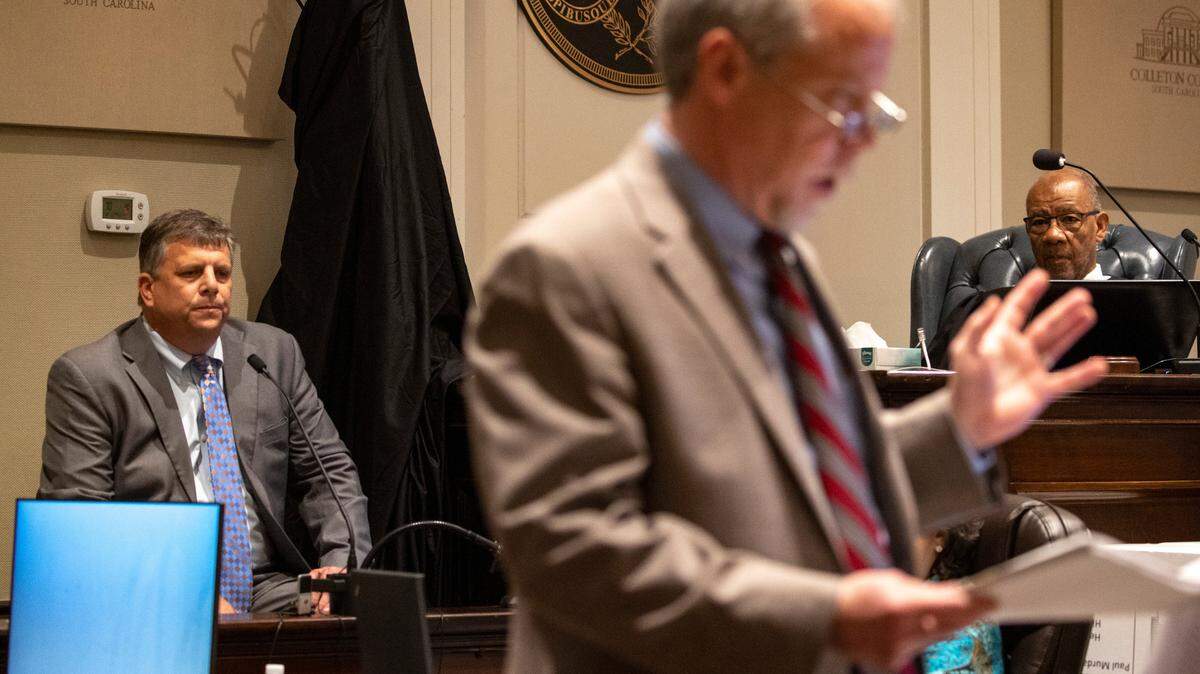
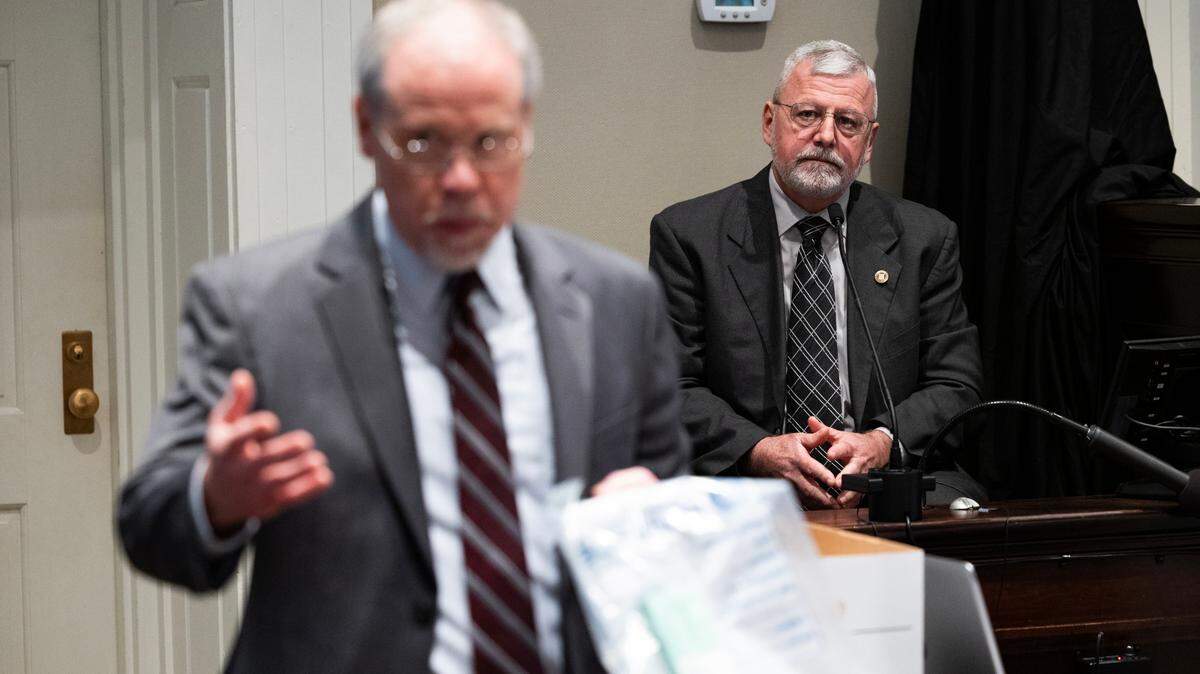
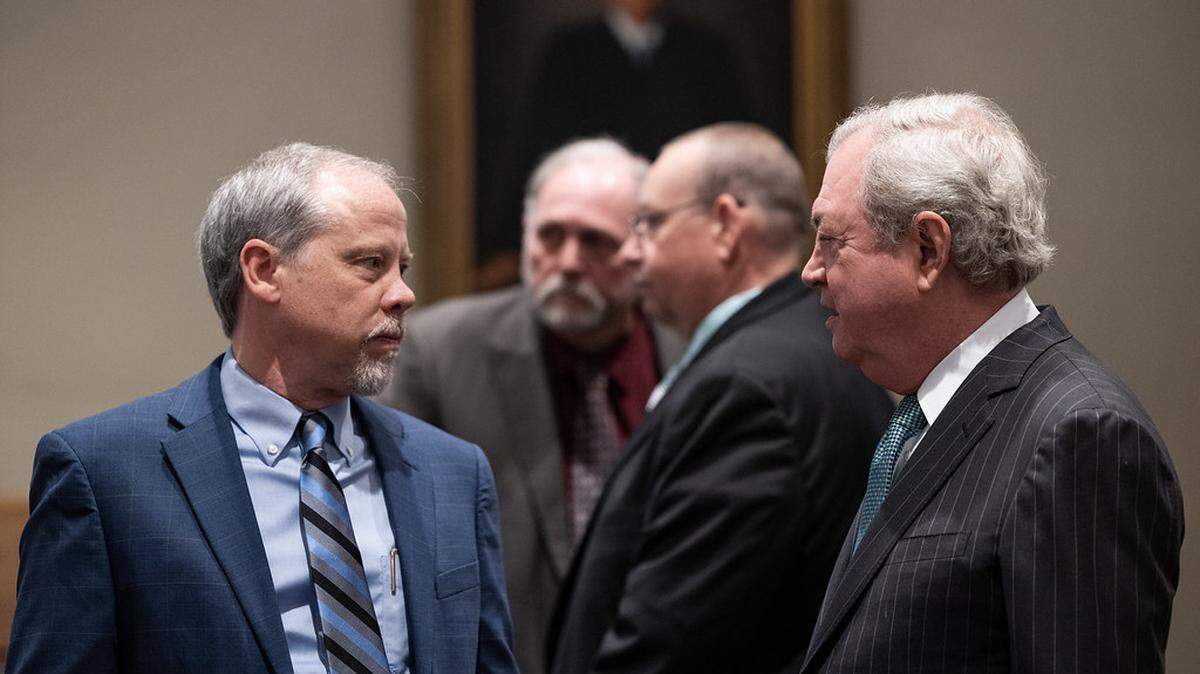
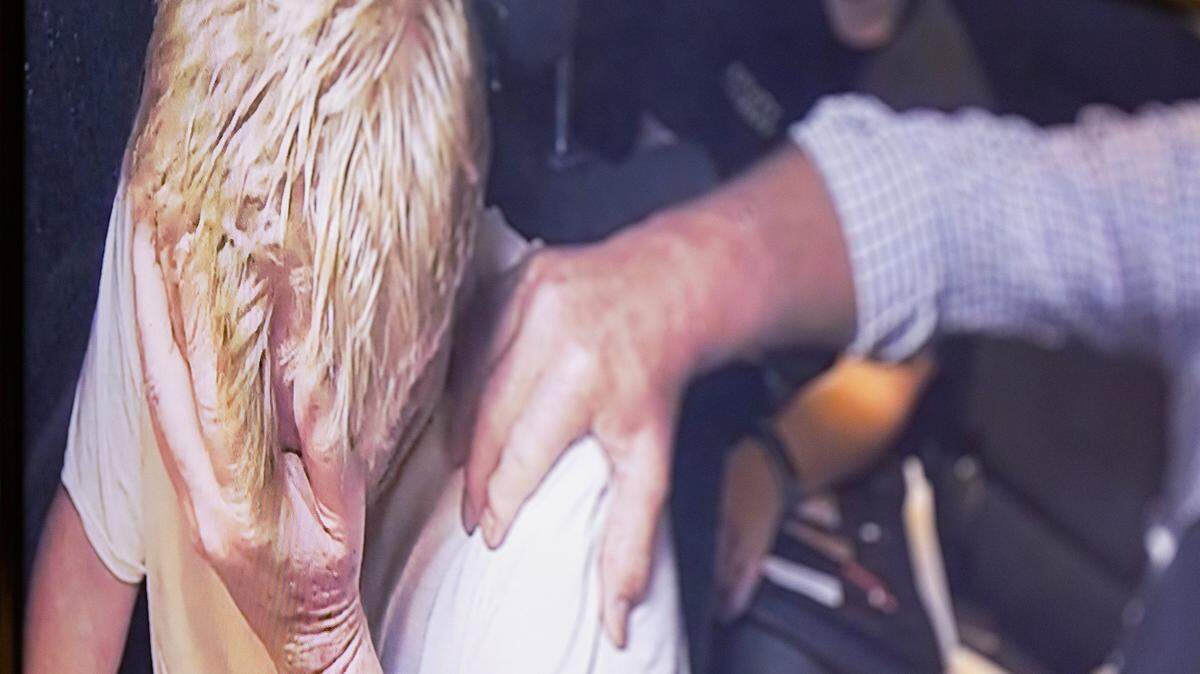
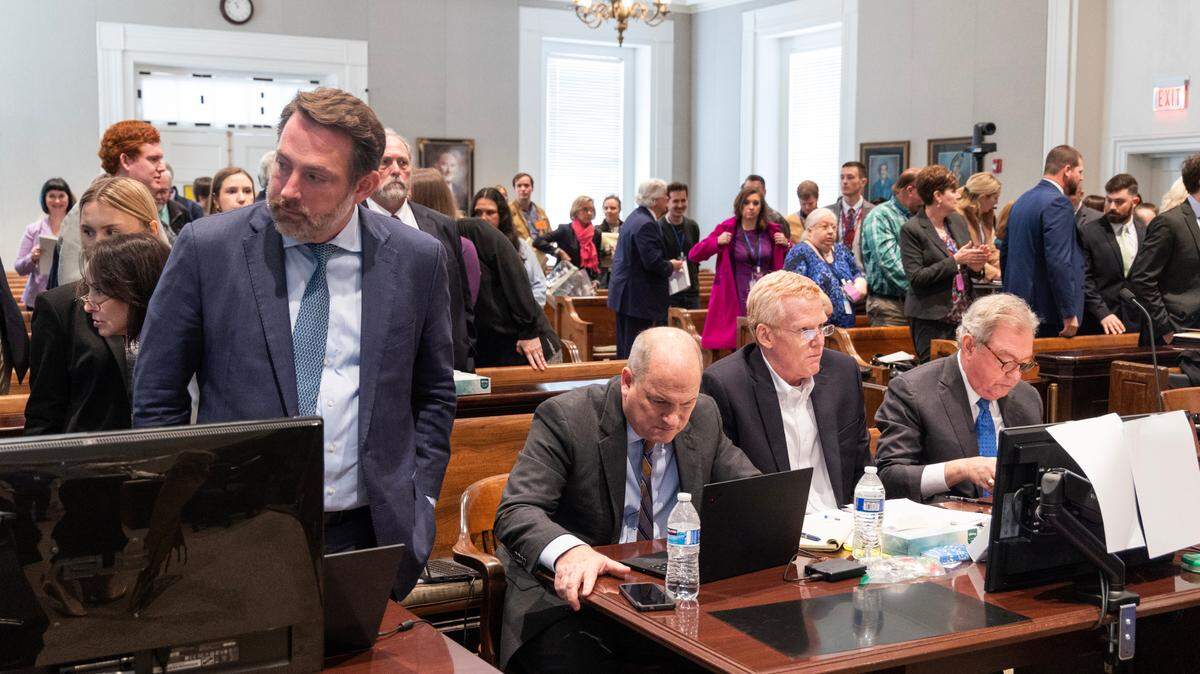
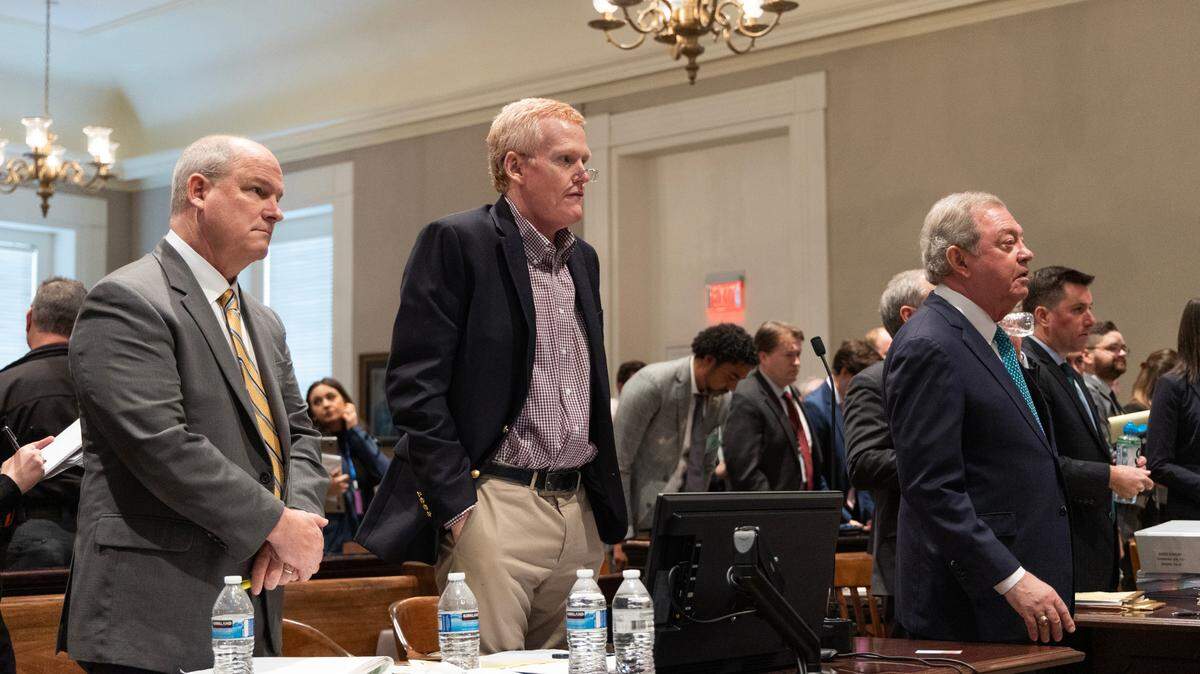
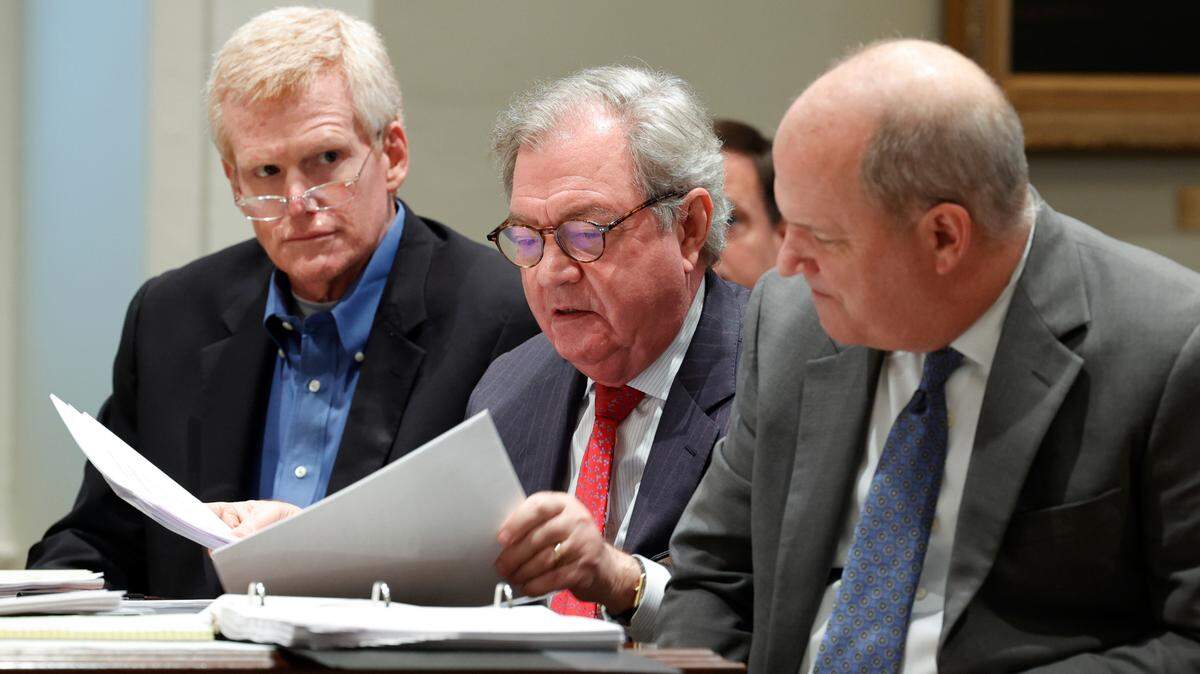
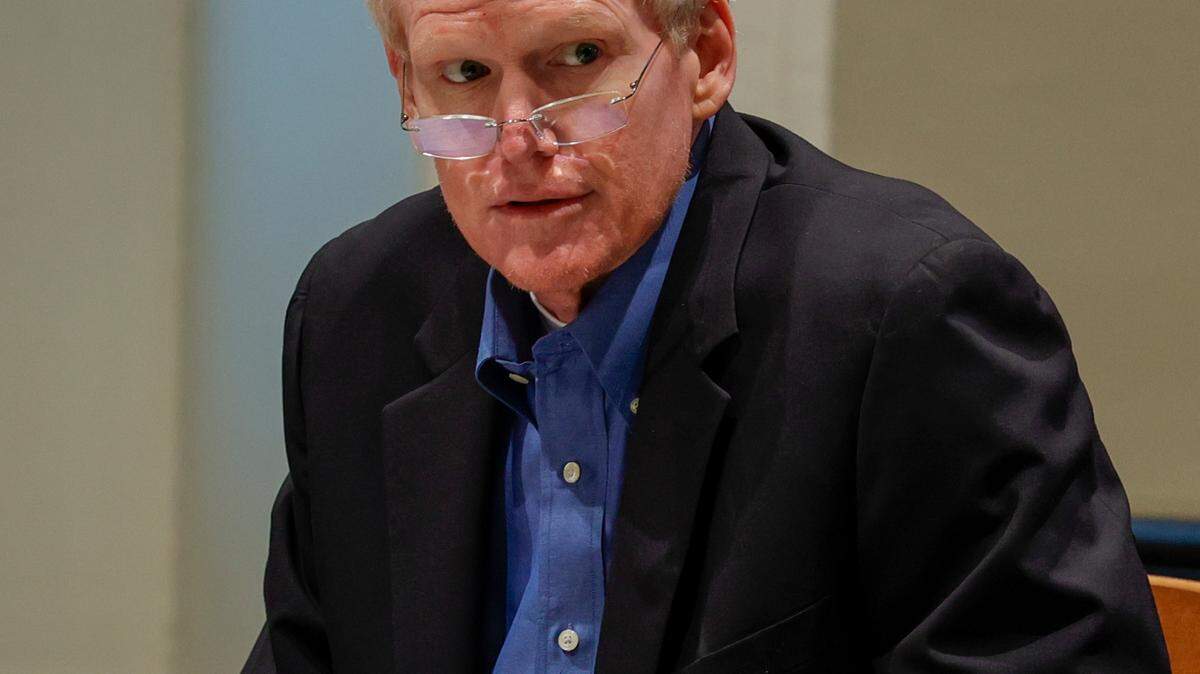
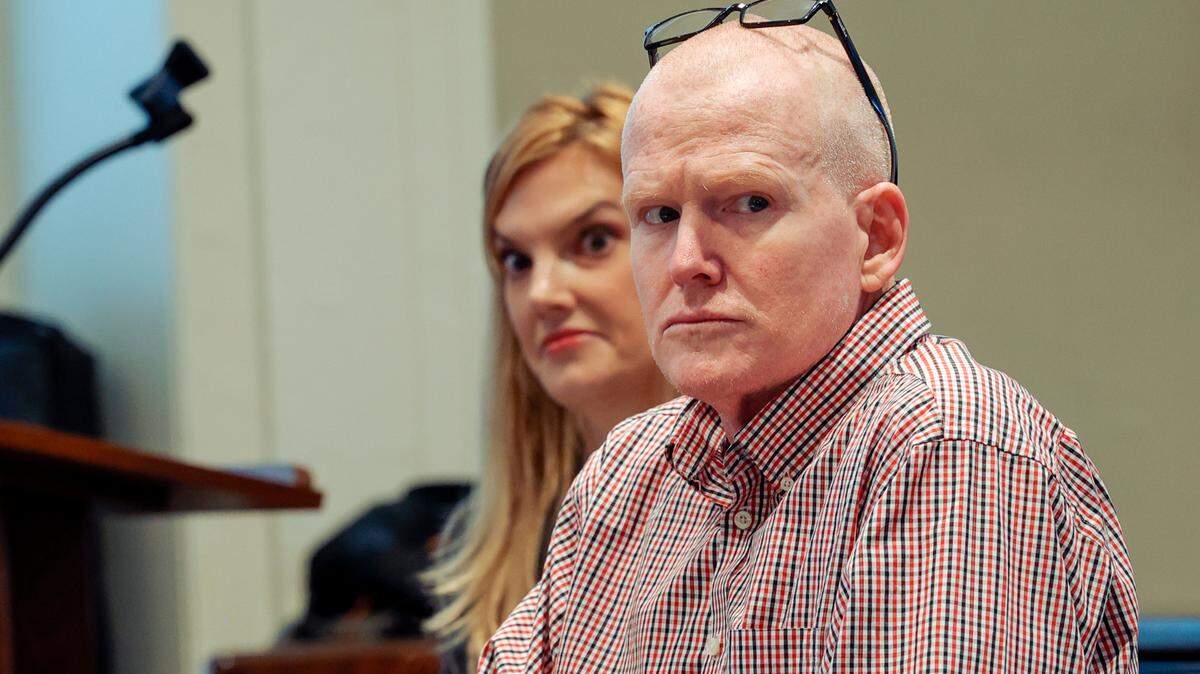
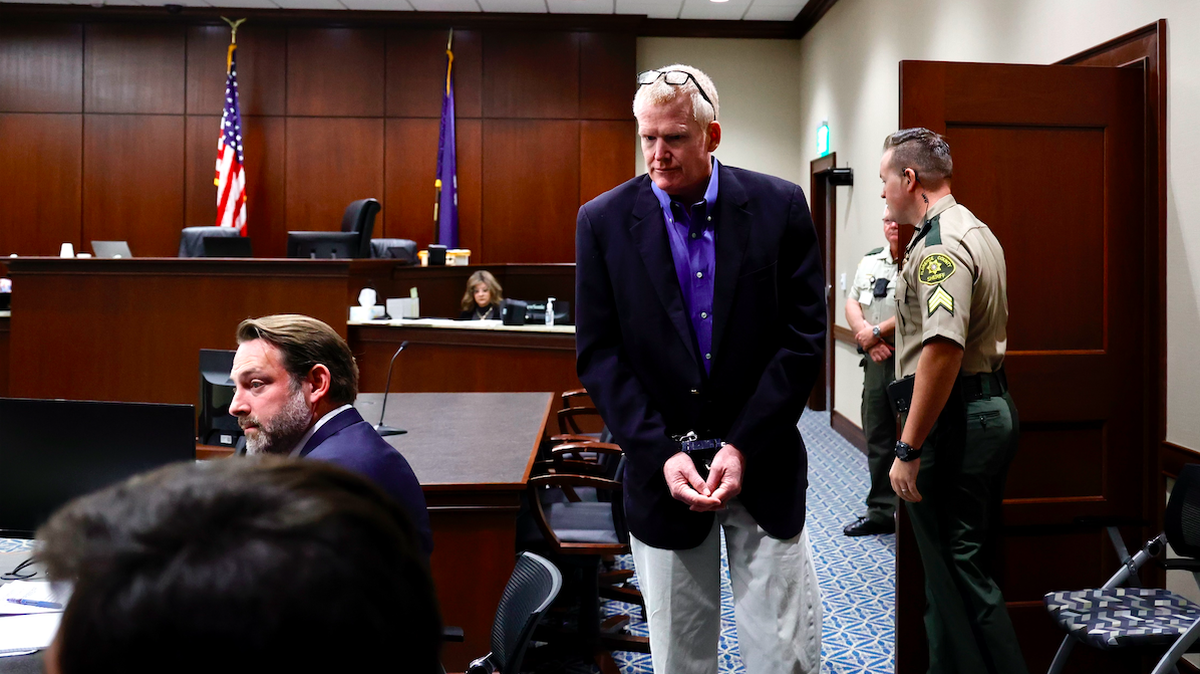
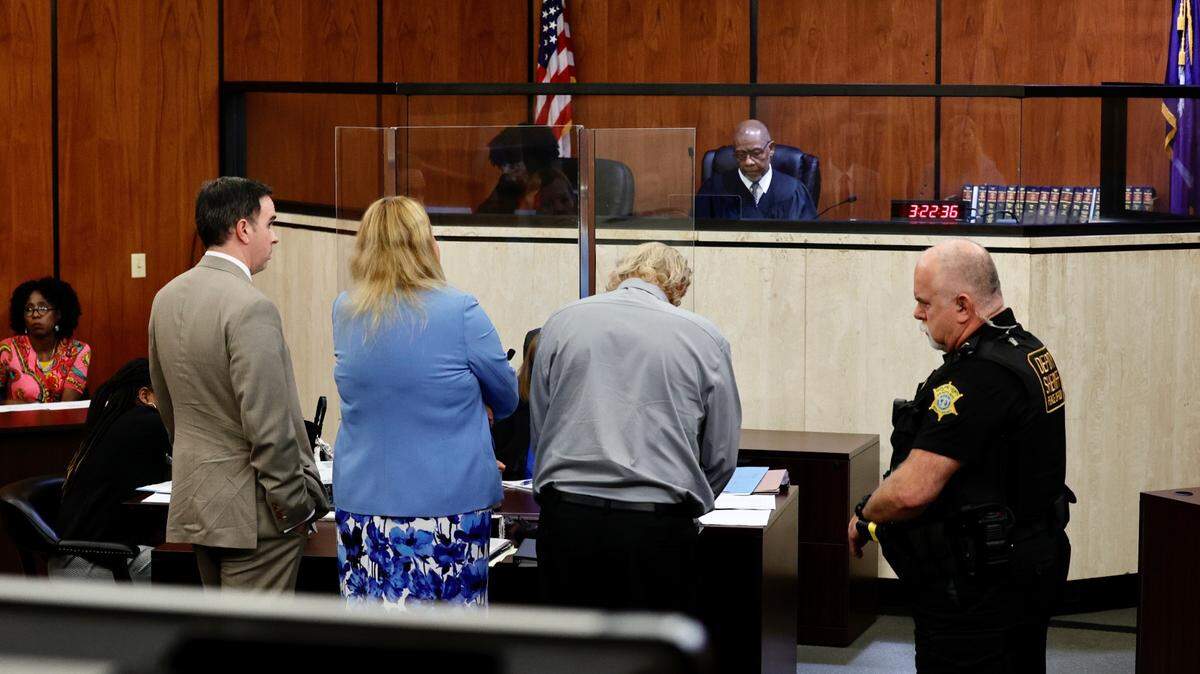
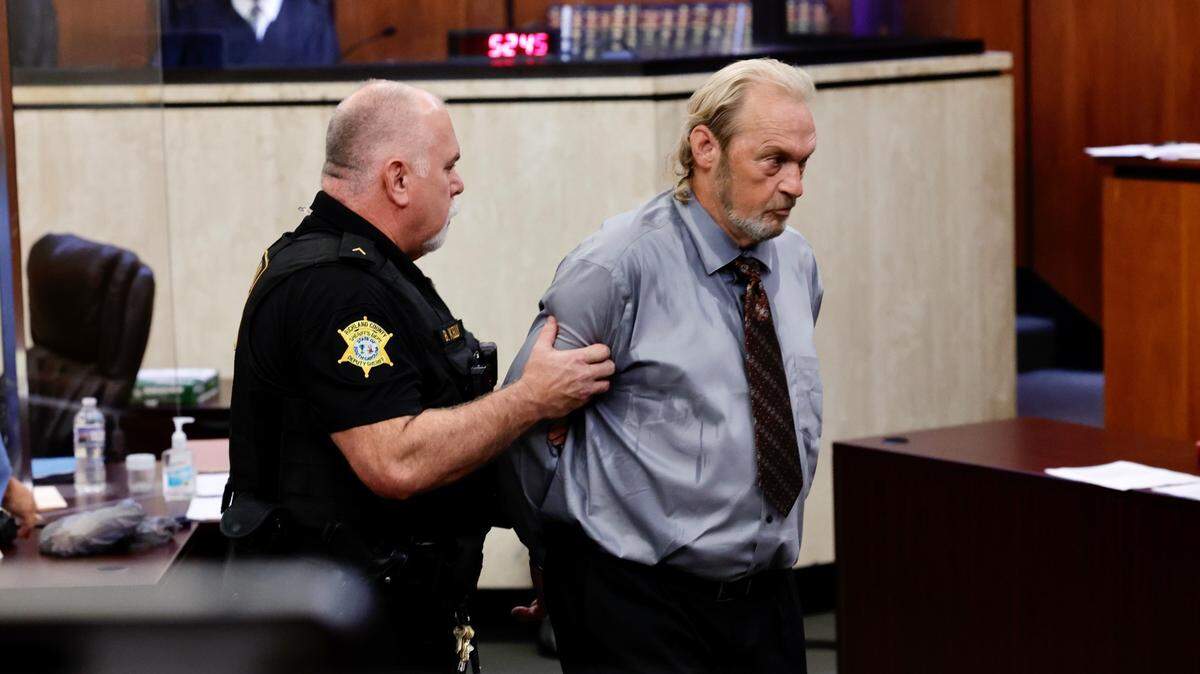
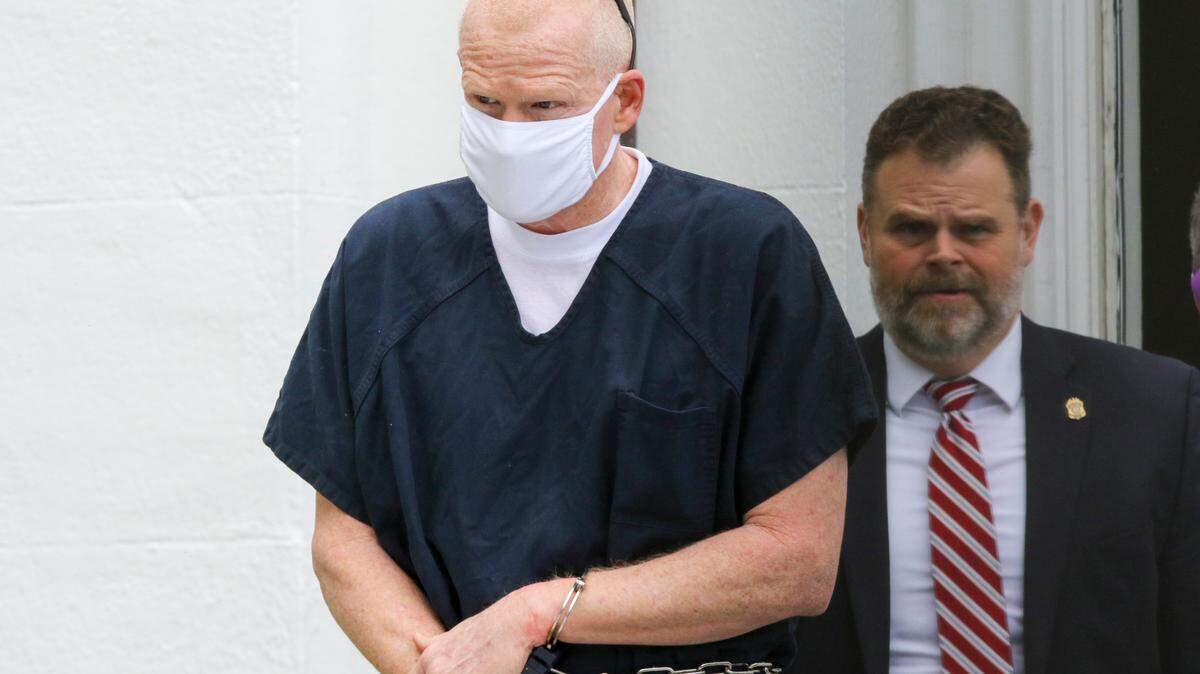
Prosecution witness Jeff Croft, a State Law Enforcement Division senior special agent who conducted the interview, testified on the stand Monday that Murdaugh said of Paul, “I did him so bad.” Murdaugh’s defense team made the case that the disbarred former attorney on trial for murder at the Colleton County Courthouse actually said, “they did him so bad.”
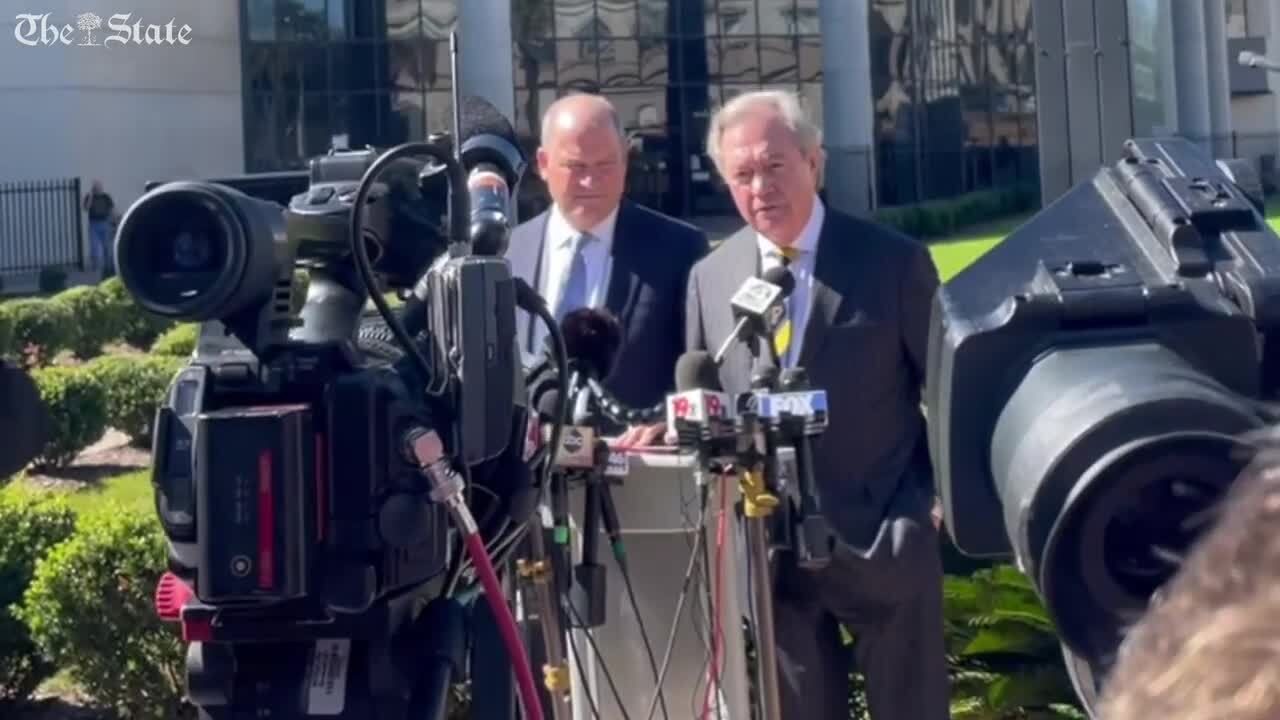
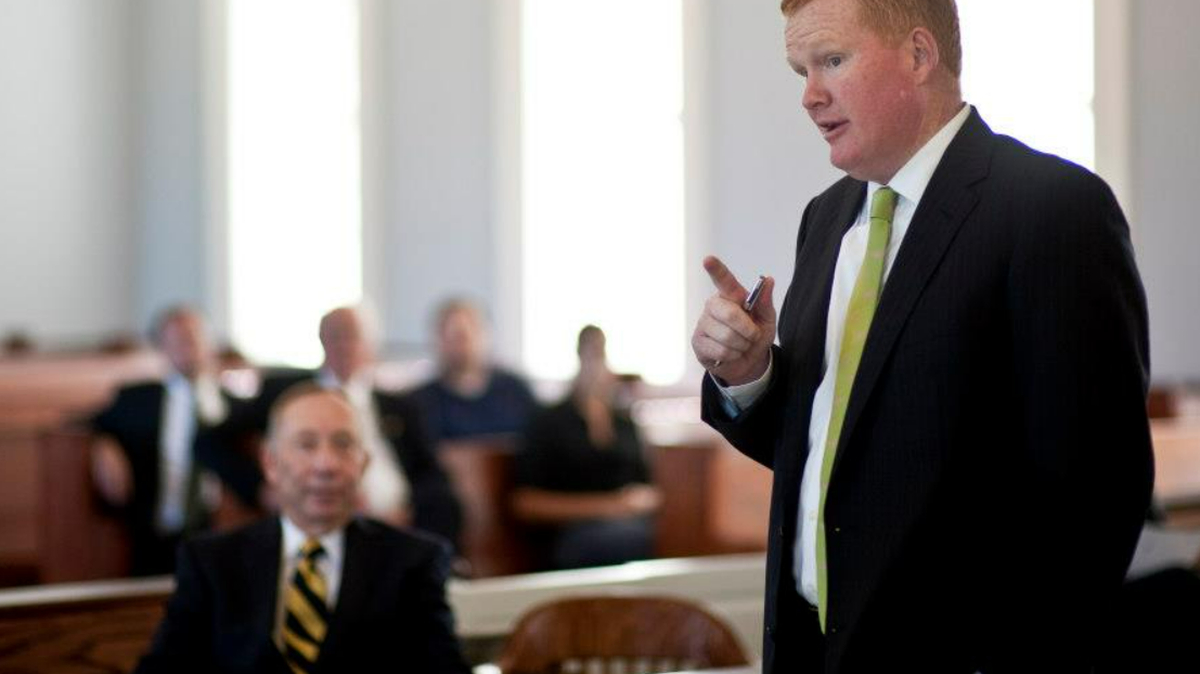
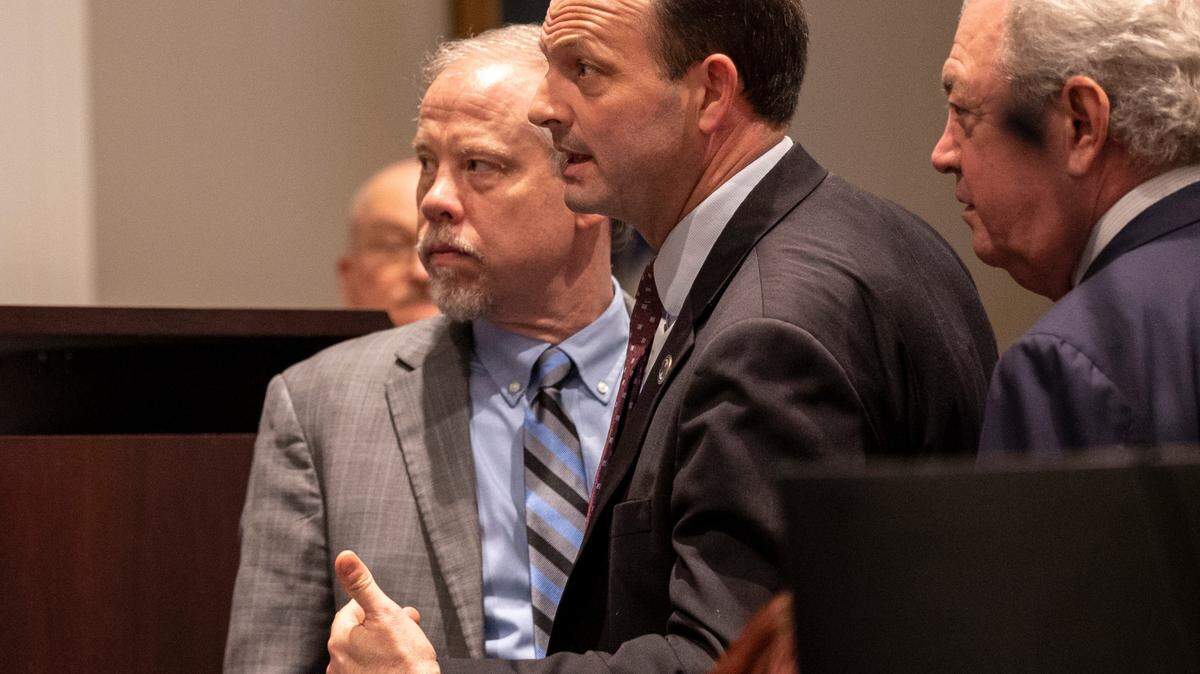
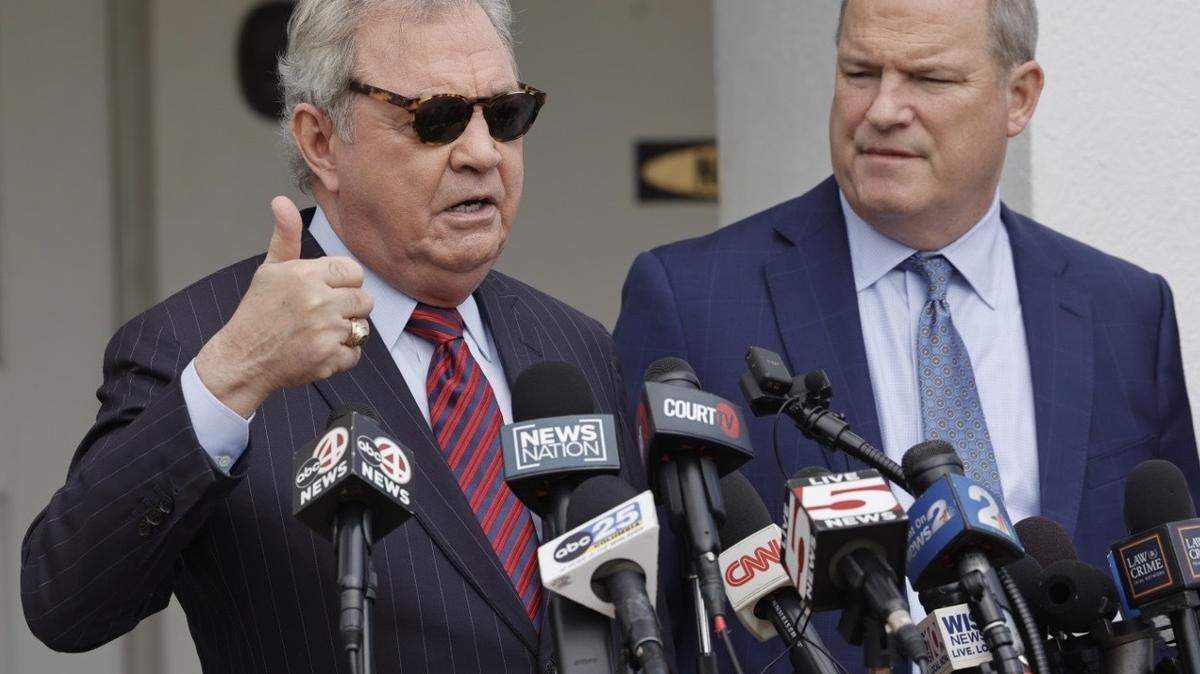
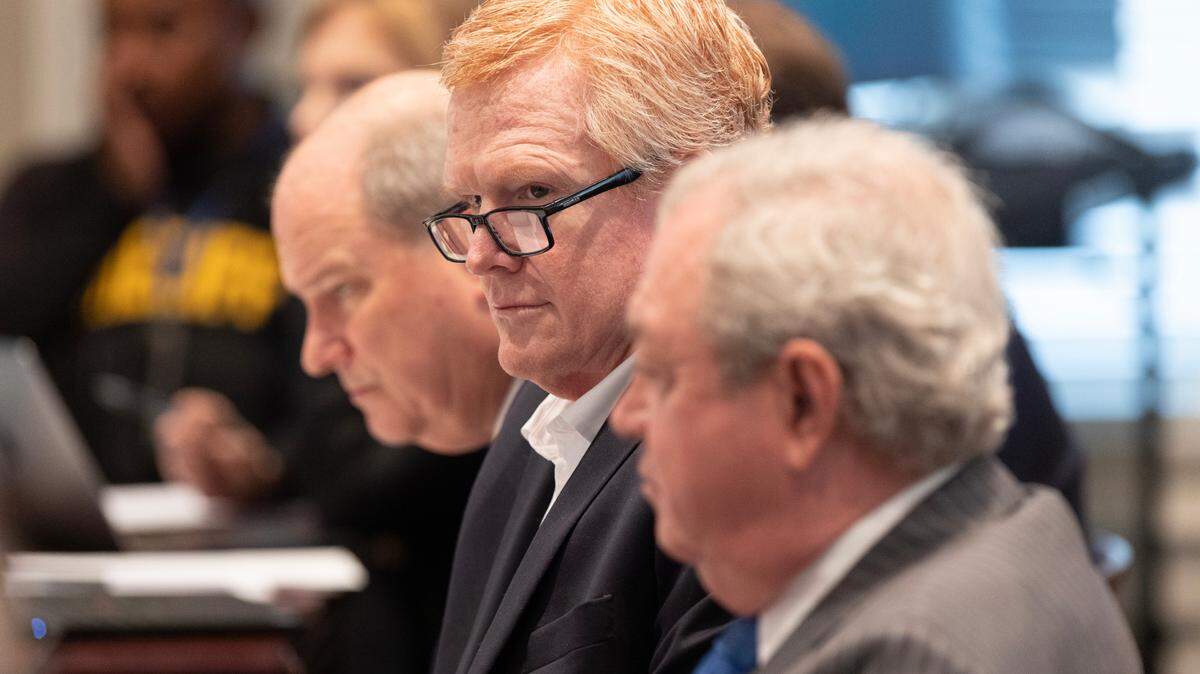
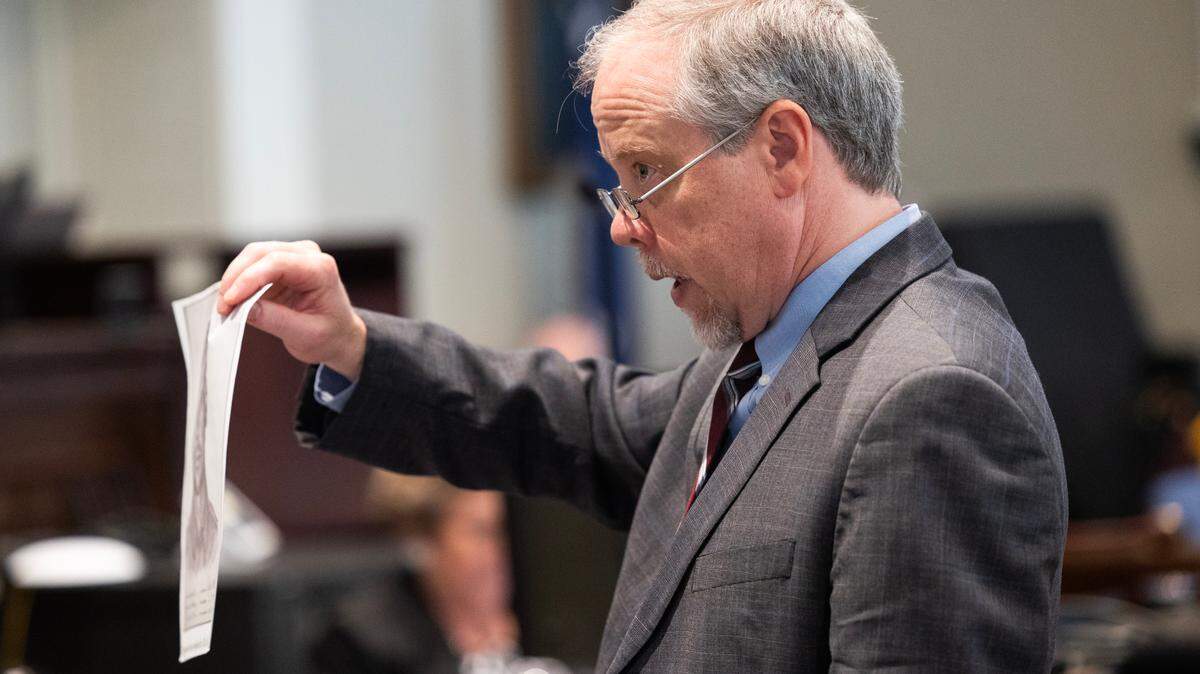
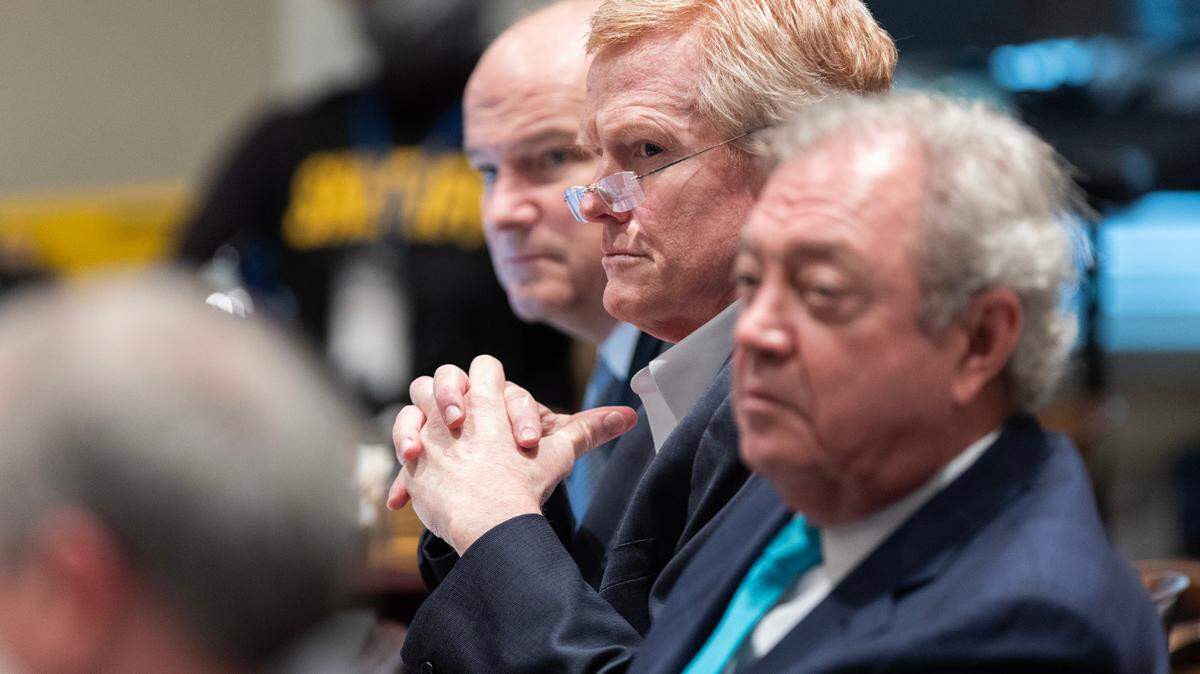
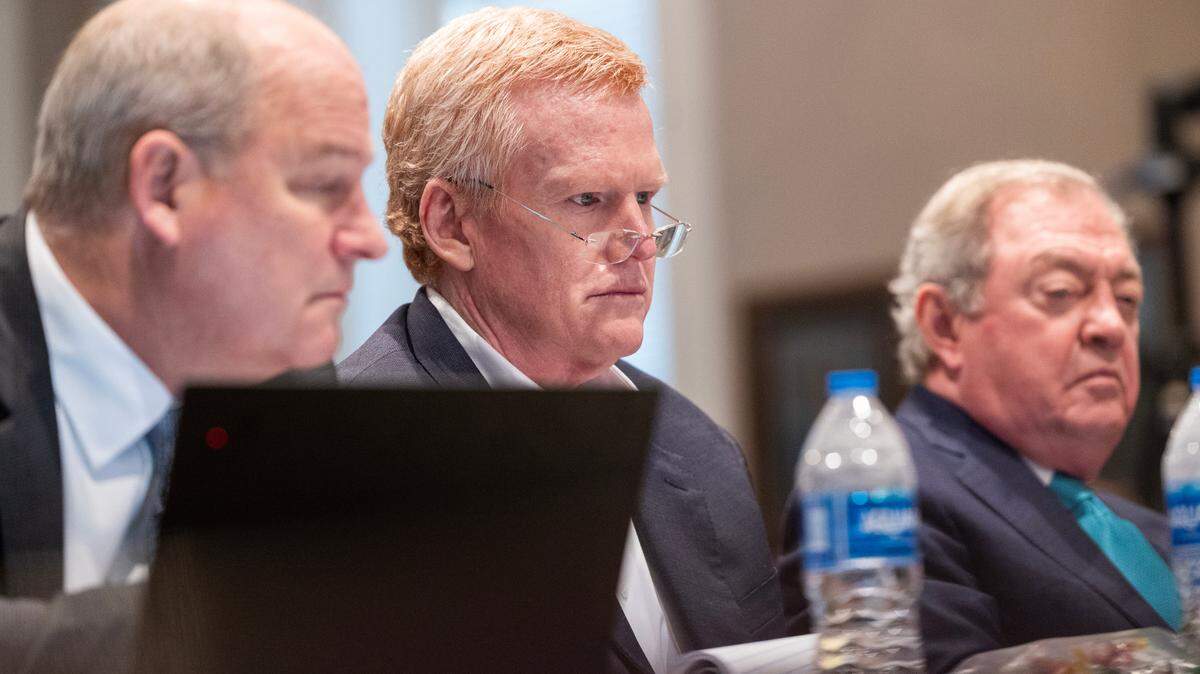
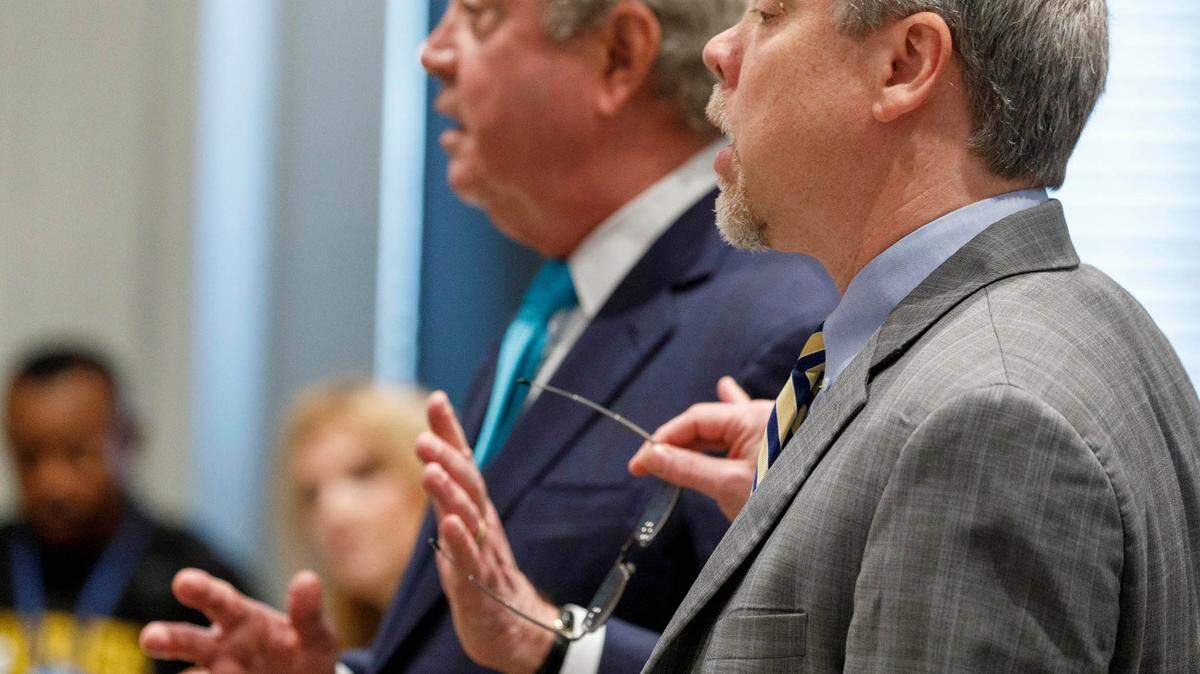
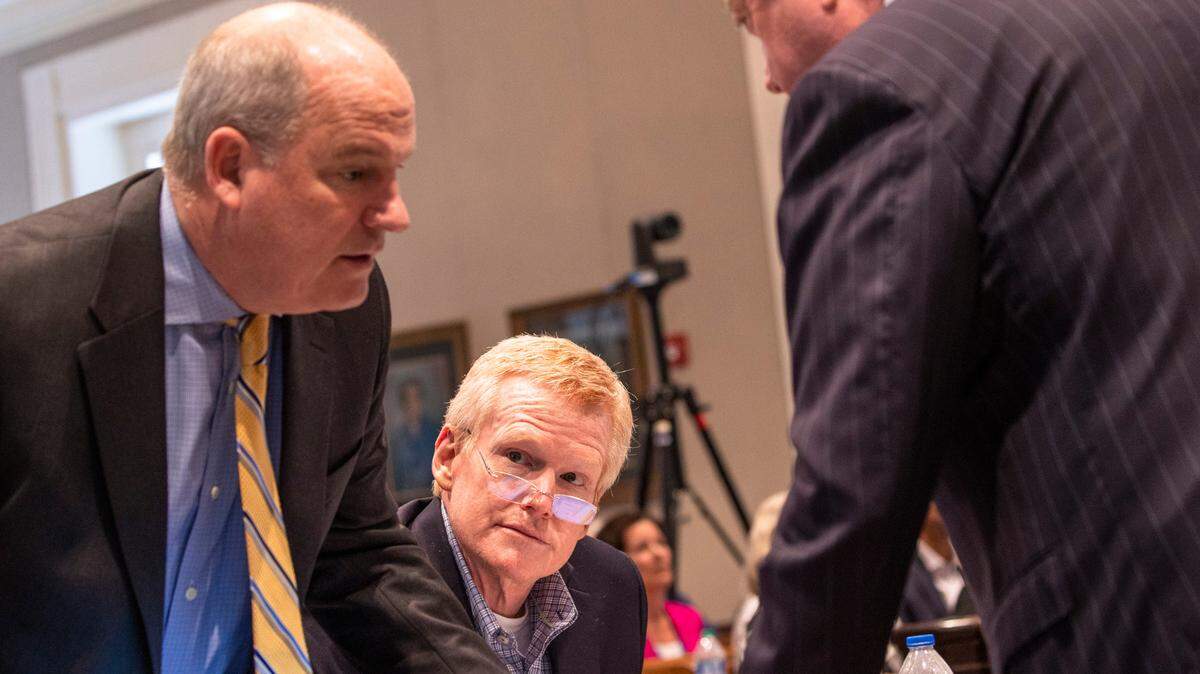
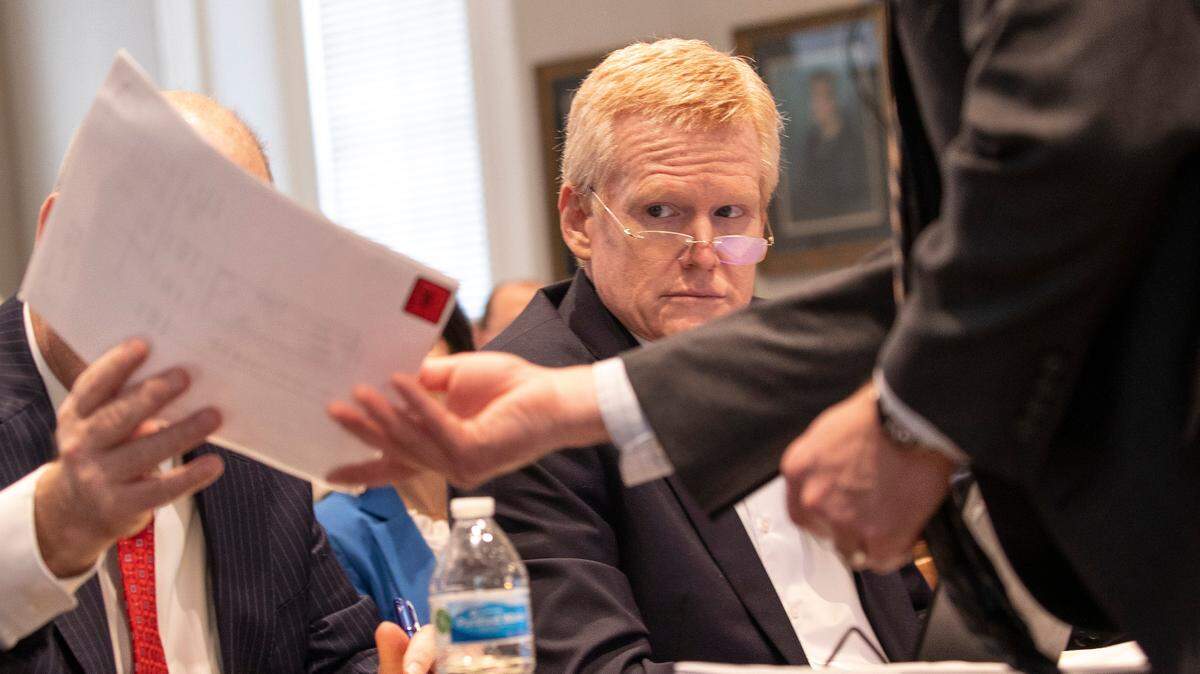
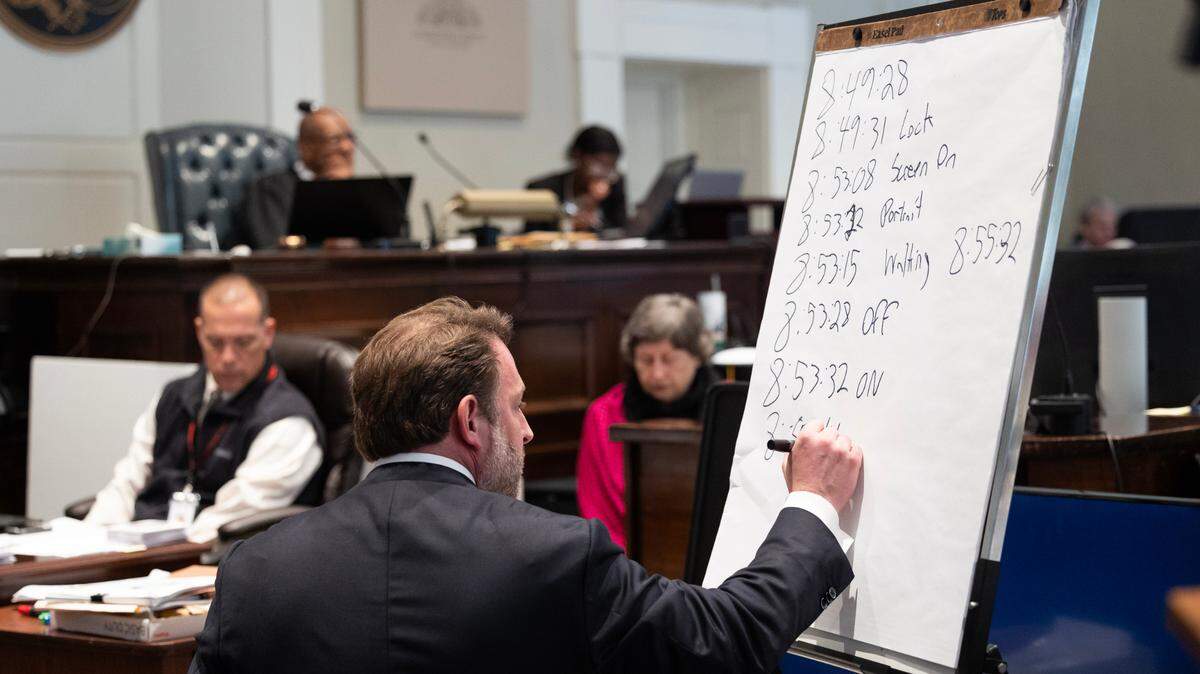
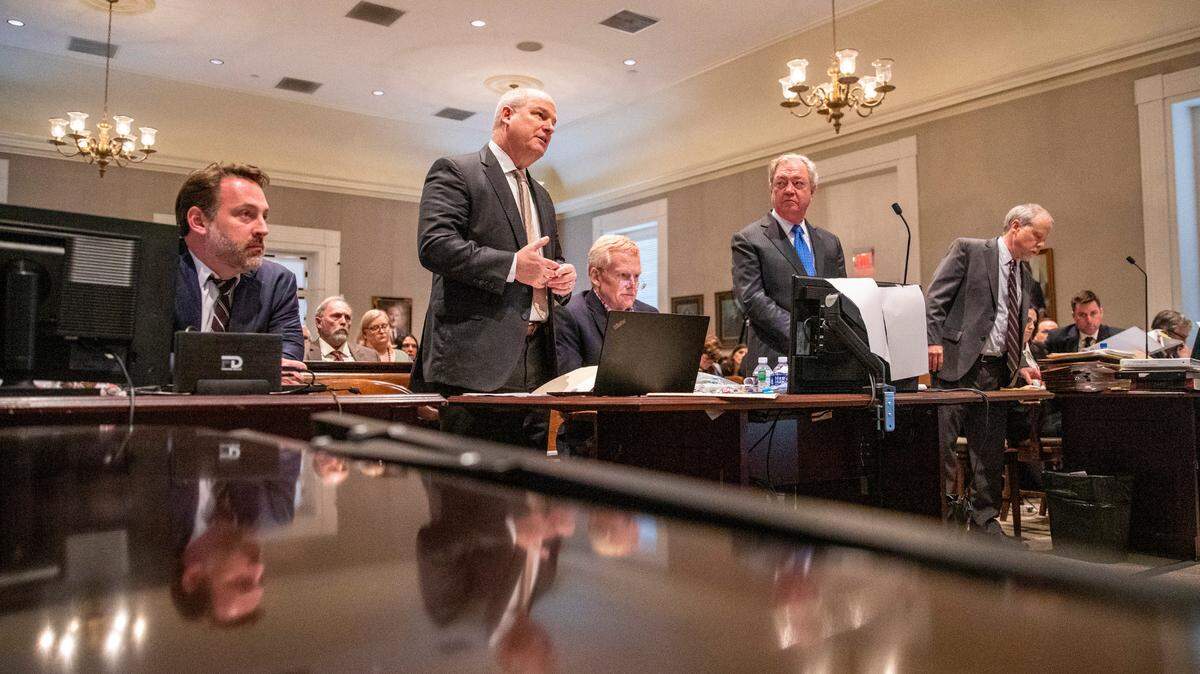
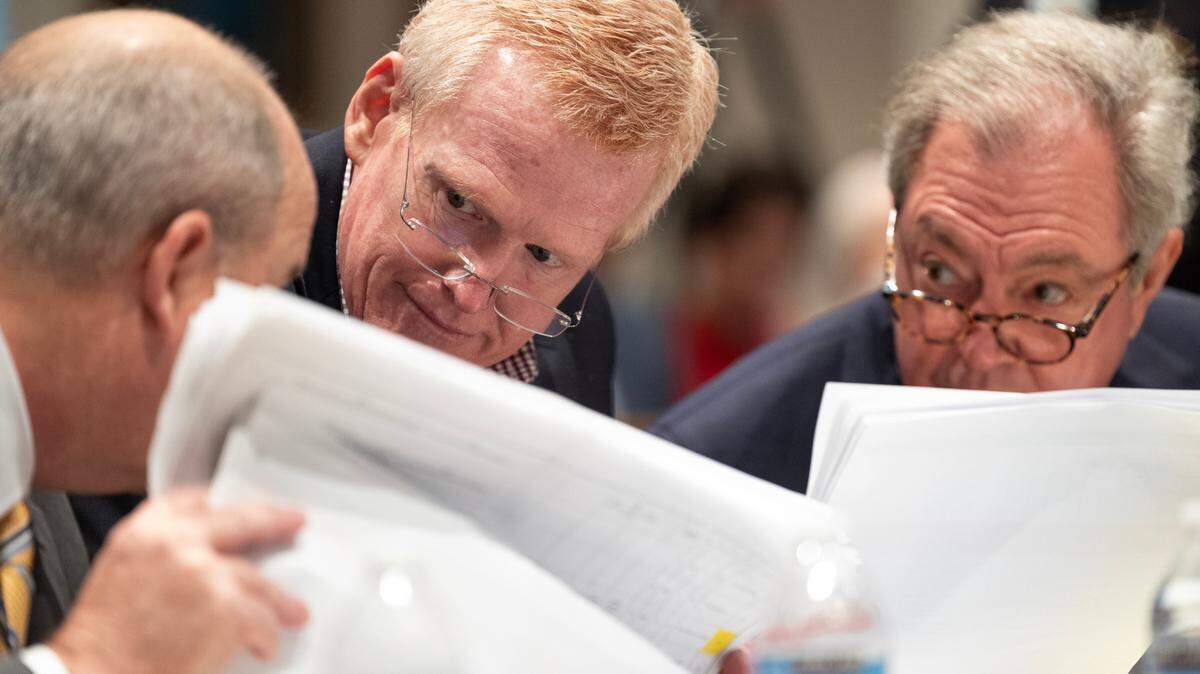
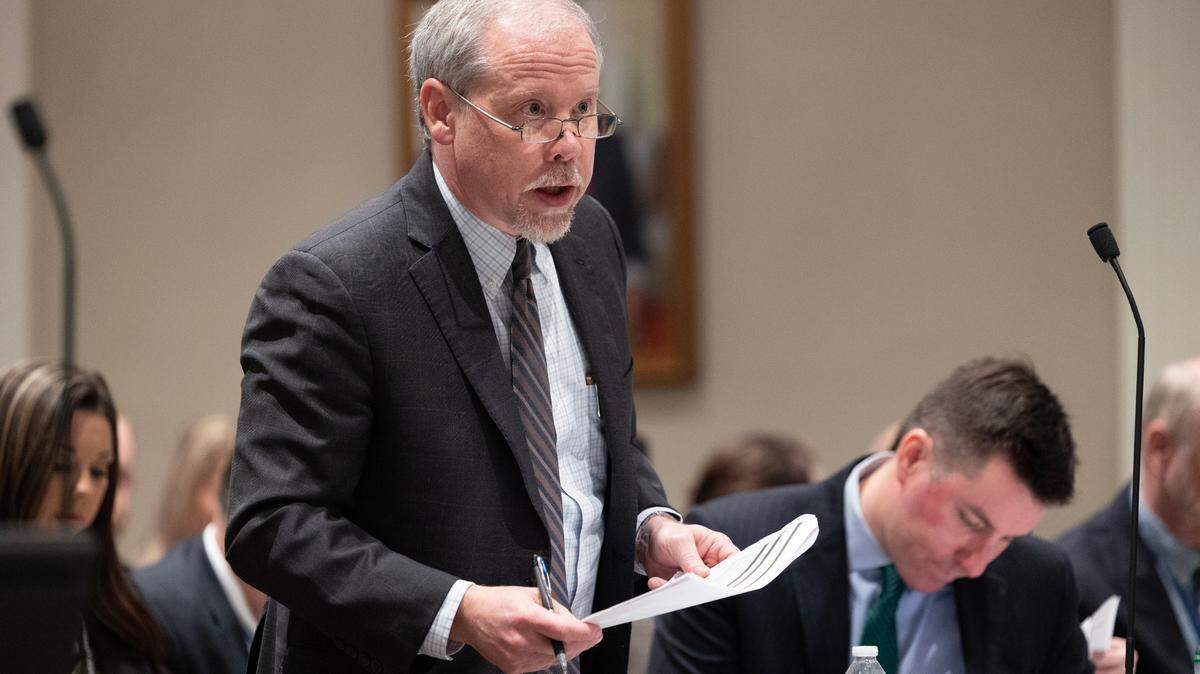
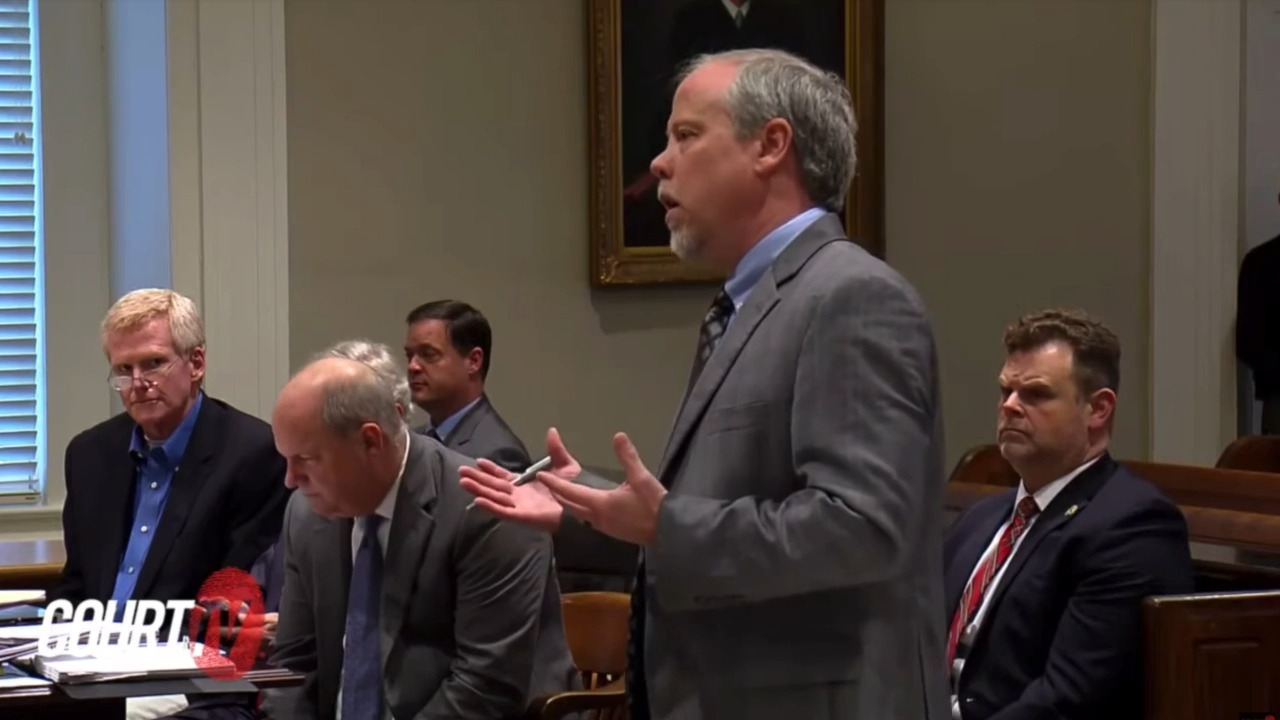
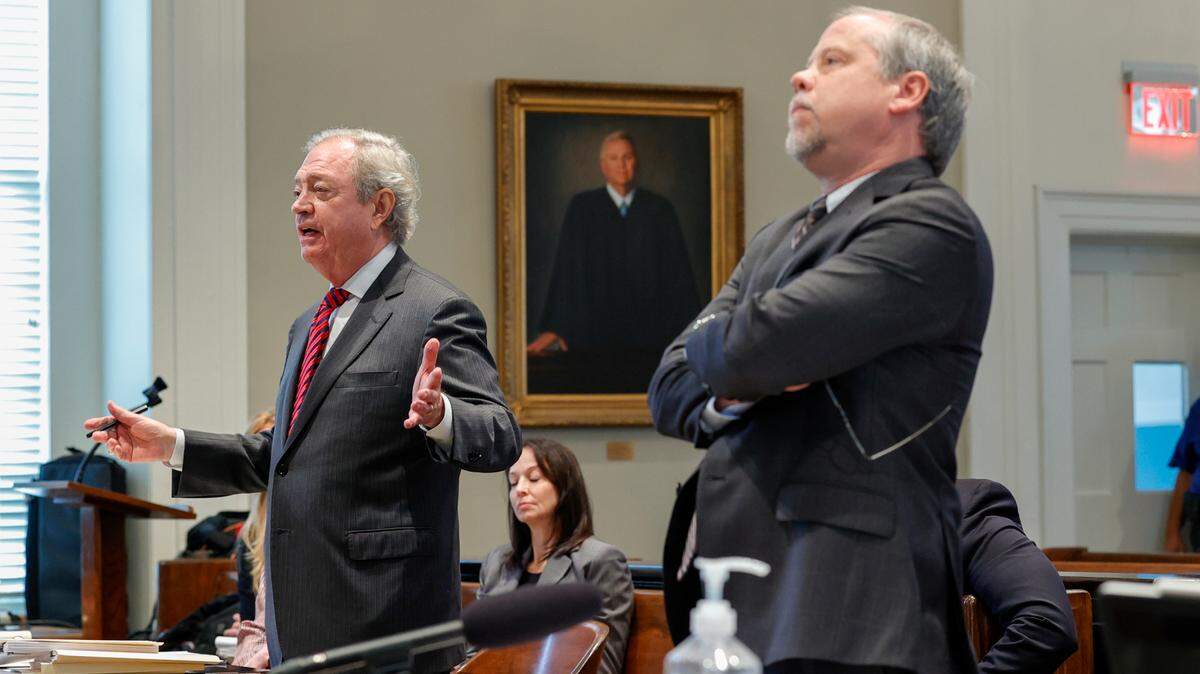
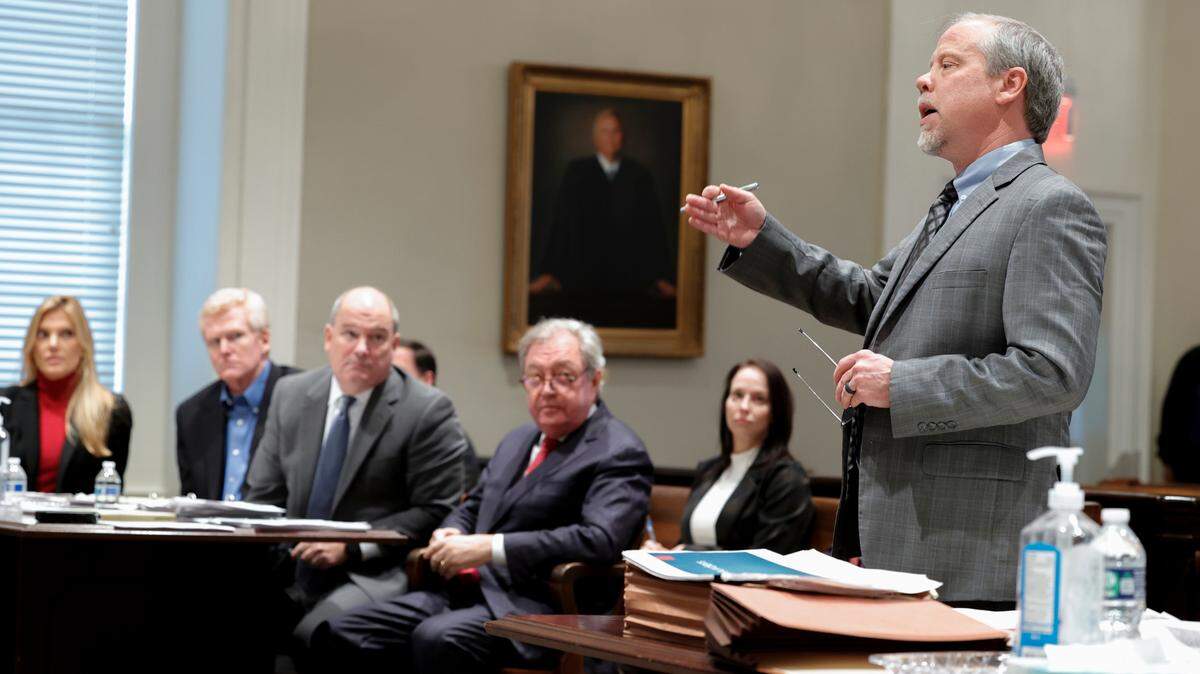
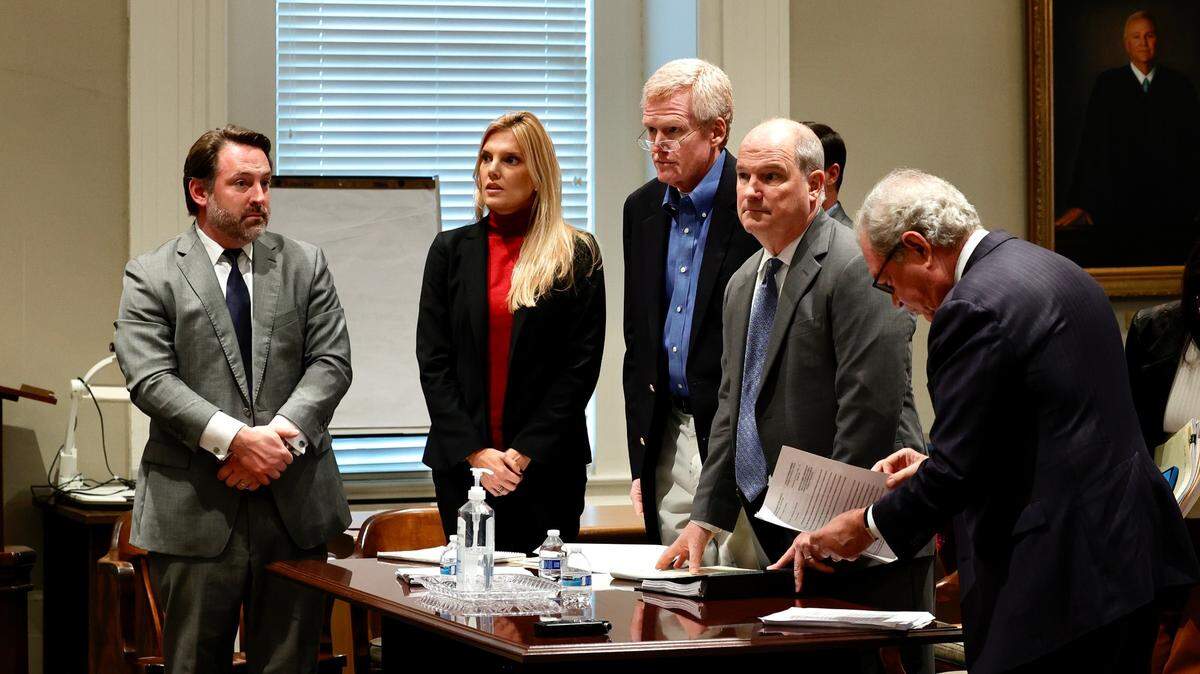
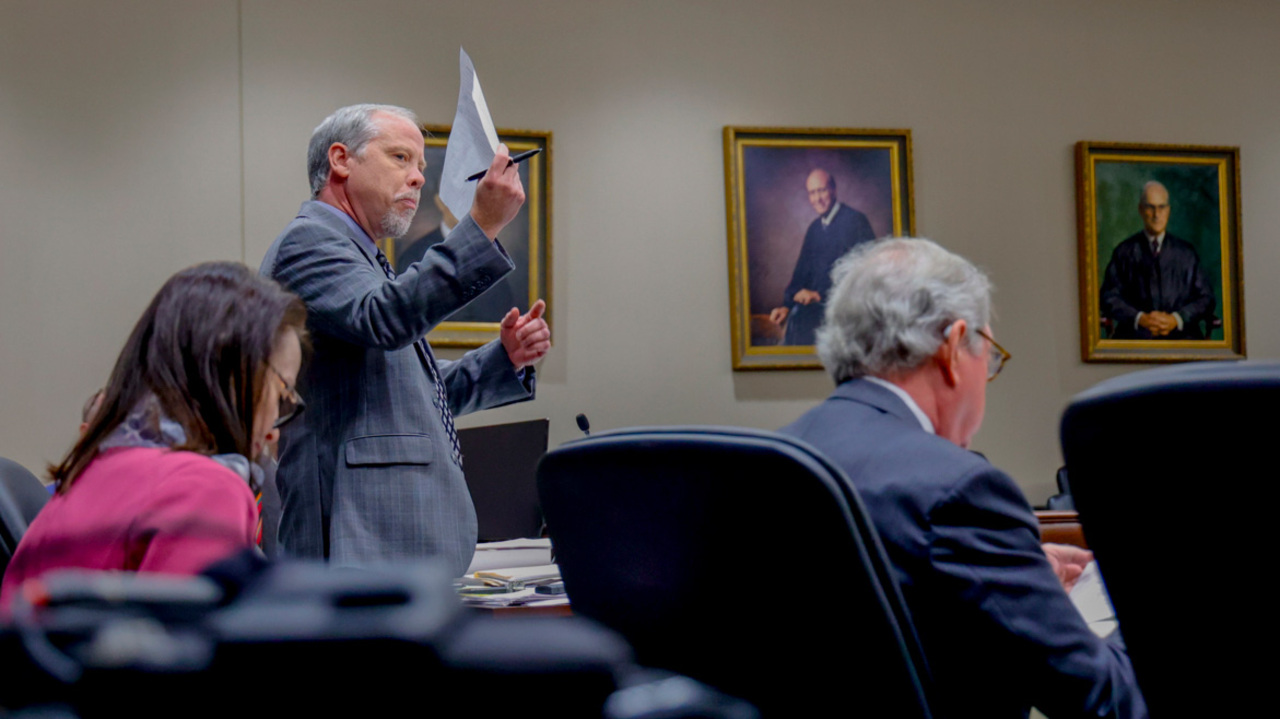
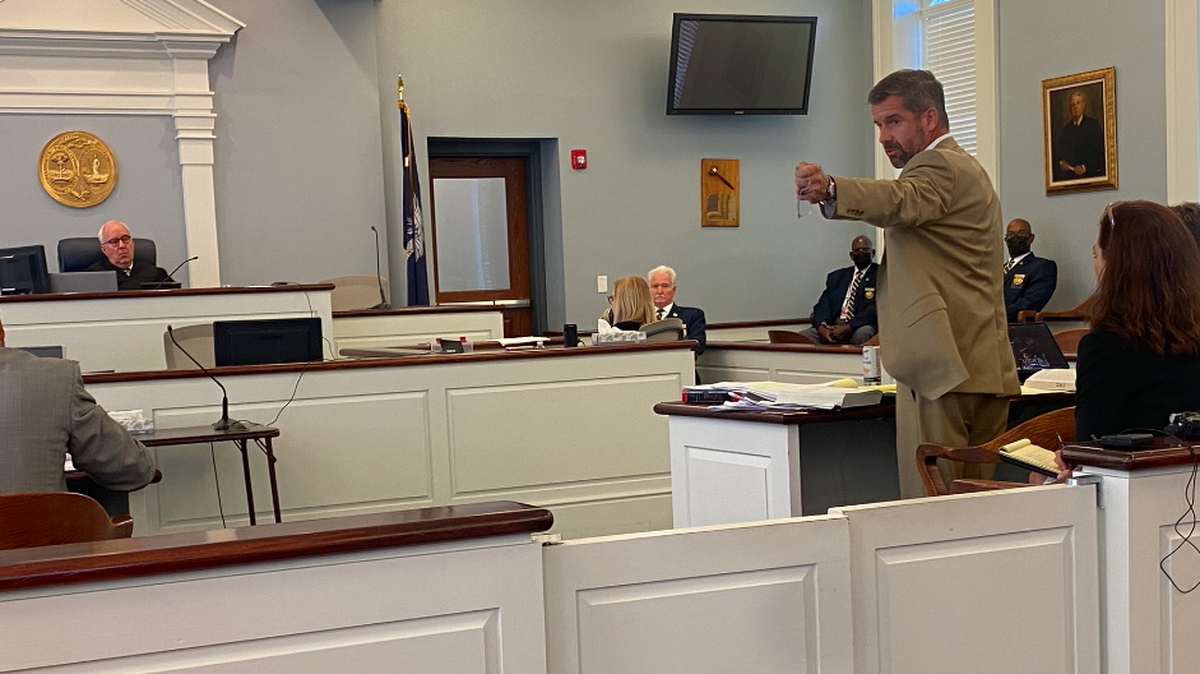
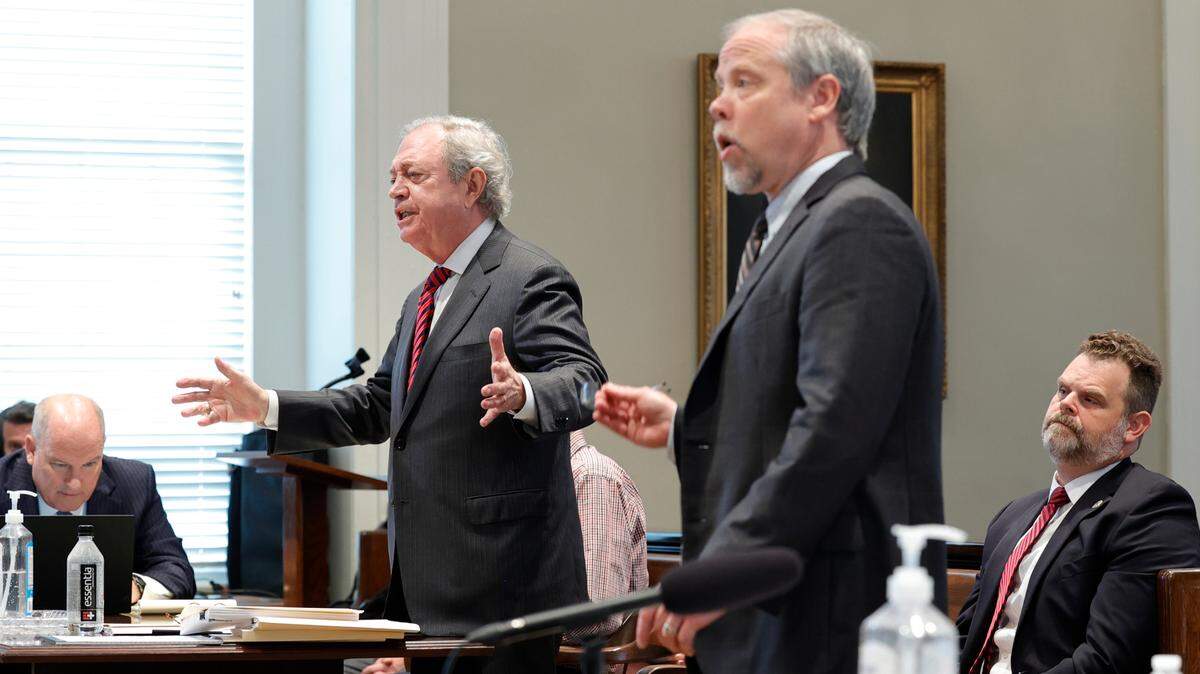
Defense attorney Jim Griffin replayed the tape of the interview at normal speed and then slowed down the audio to emphasize that Murdaugh was talking about someone else. But Croft stuck by his testimony of what the interview said.
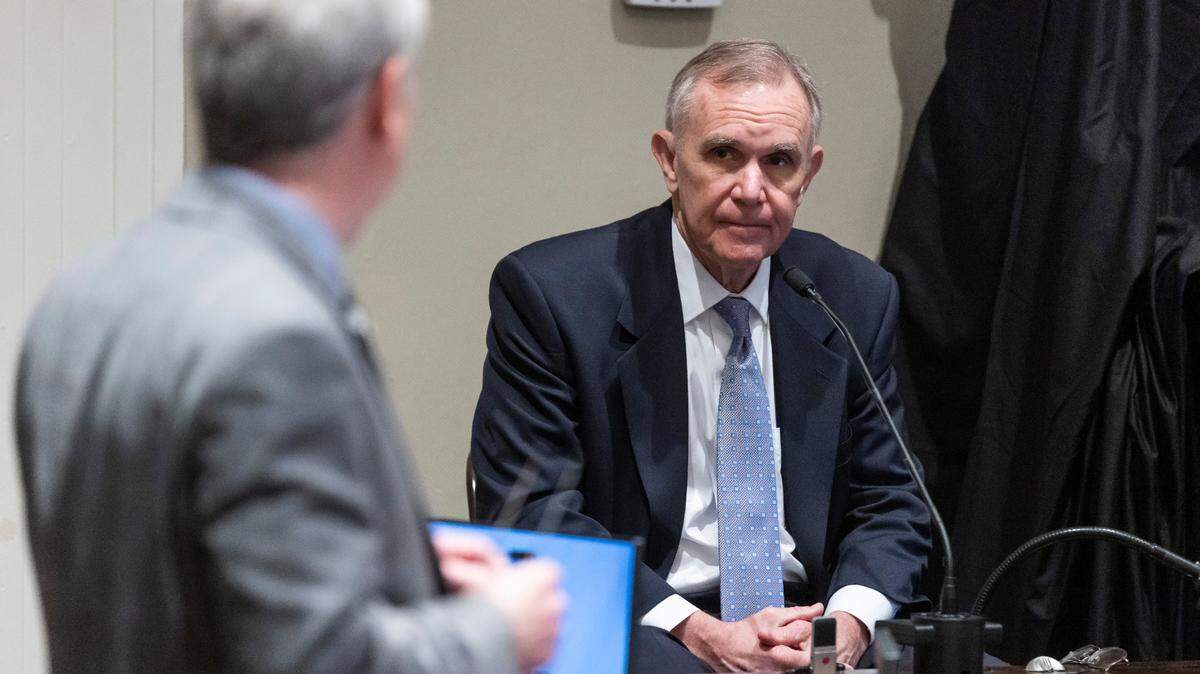
“I’m 100% confident in what I heard and what I interpreted him to say,” Croft said Tuesday.
If the SLED agent believed Murdaugh had essentially confessed at the time, why did Croft not follow up on it either in that interview or in a subsequent interview with Murdaugh in August, Griffin asked. Croft responded that he made a “mental note” of the statement for later follow-up.
“We were early in the investigation and this was more information gathering from Mr. Alex,” Croft said.
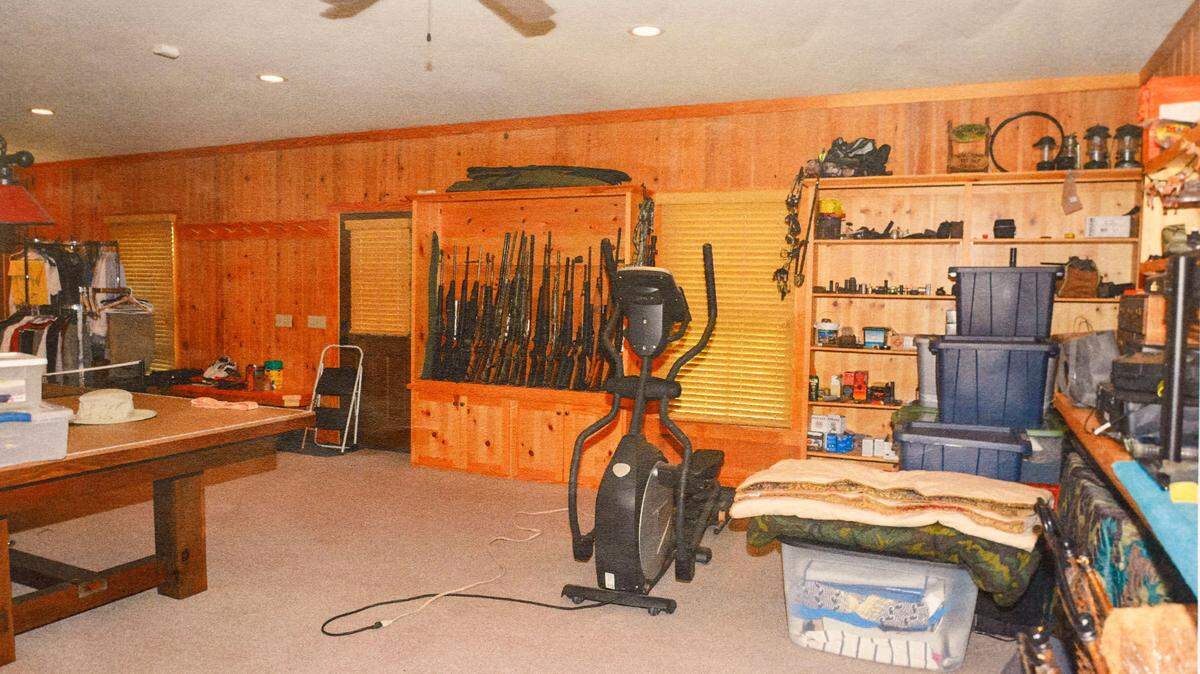
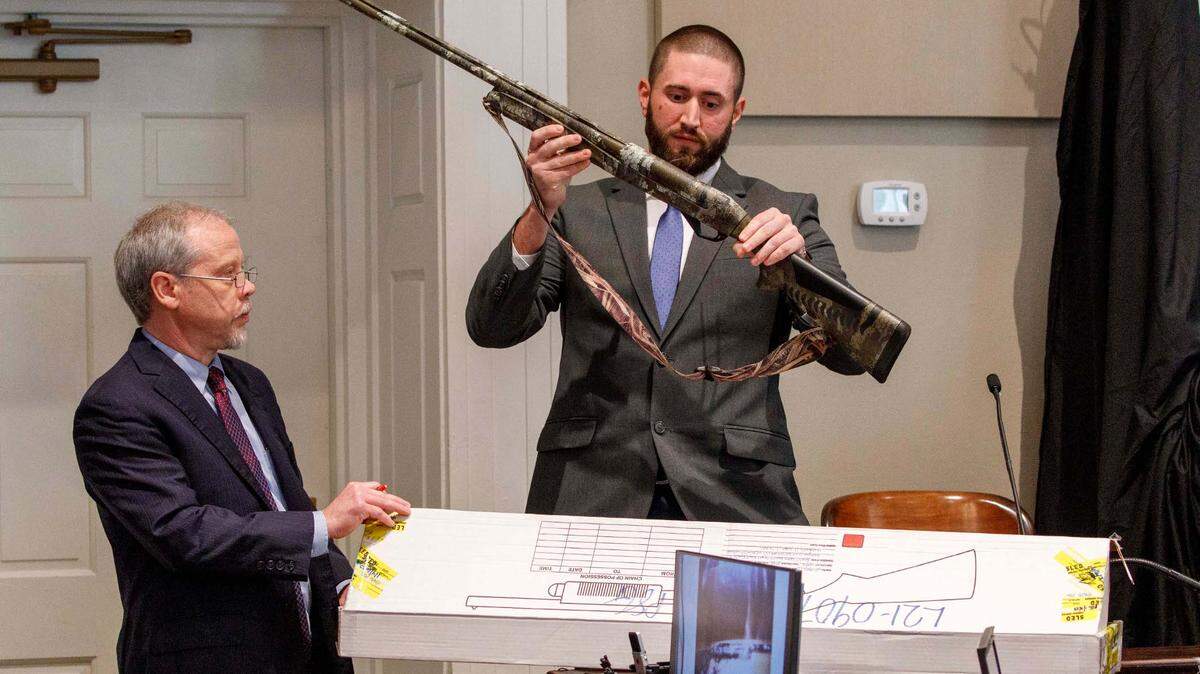
Griffin started the seventh day of Murdaugh’s murder trial going on the offensive about the gun evidence introduced the day before. The state introduced several firearms that were seized from the “gun room” of the Murdaughs’ Colleton County estate, including a .12-gauge shotgun and AR-style rifle similar to those that killed Paul and Maggie on the evening of June 7, 2021.
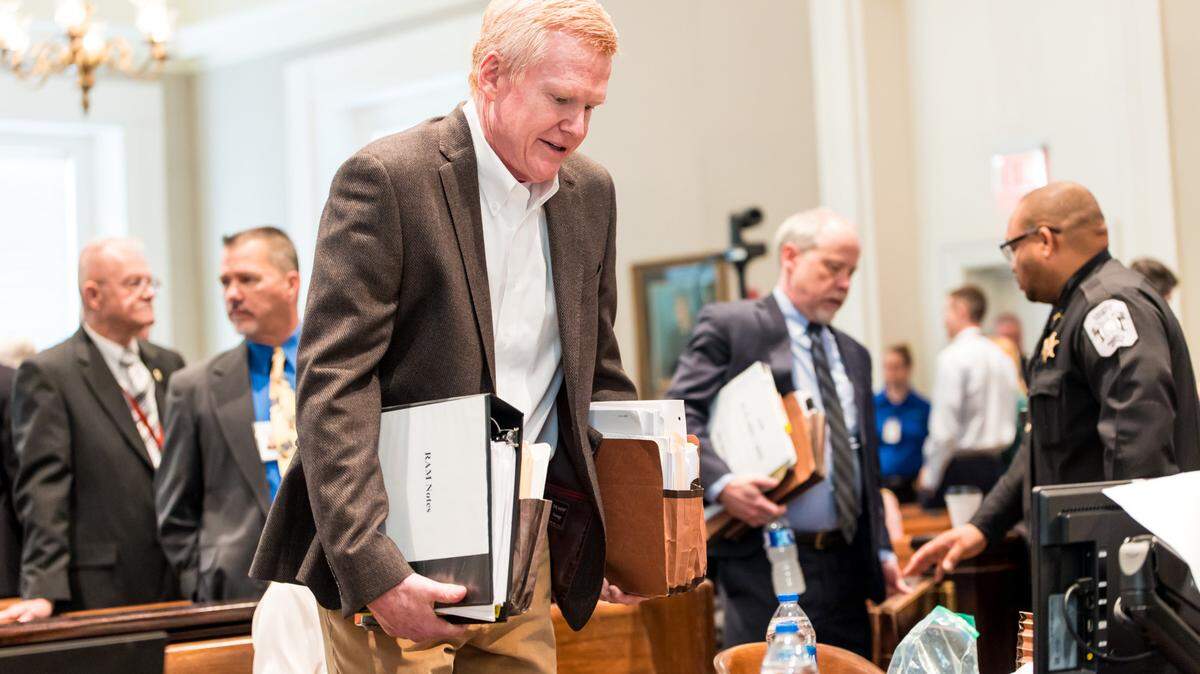
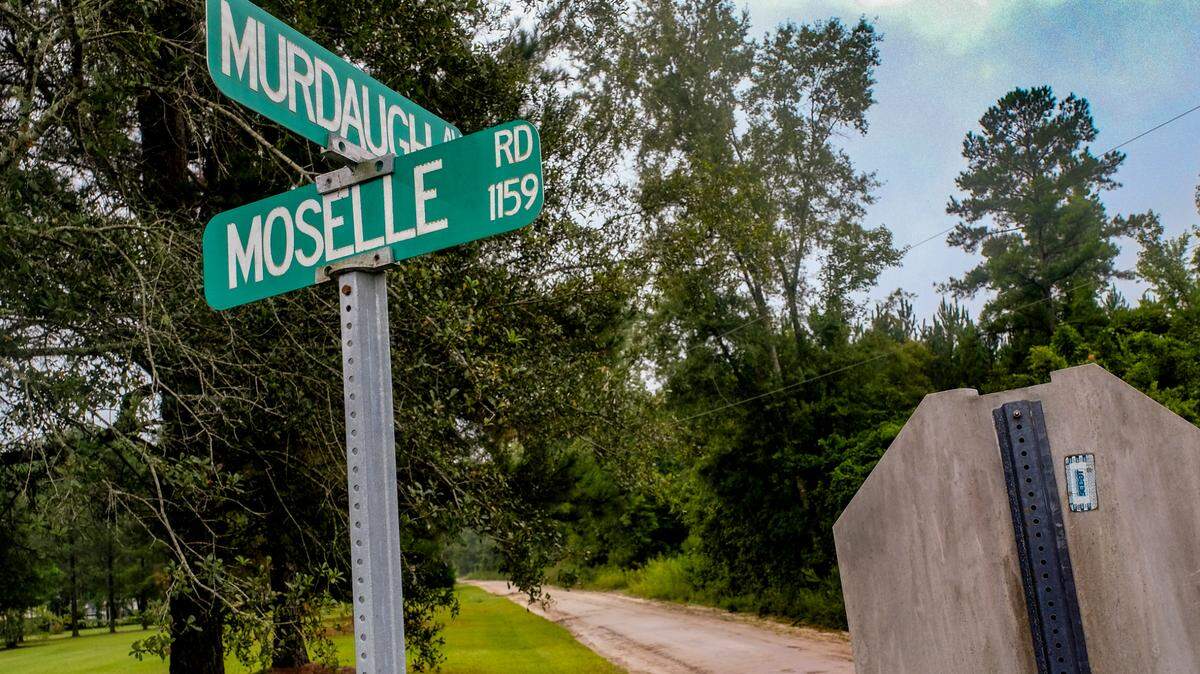
Griffin repeatedly objected Monday to the guns being entered into evidence as none of them had been conclusively linked to the murders of the disbarred Hampton County attorney’s wife and son. He emphasized that fact Tuesday in his cross-examination with Croft, who collected evidence from the family’s Moselle property.
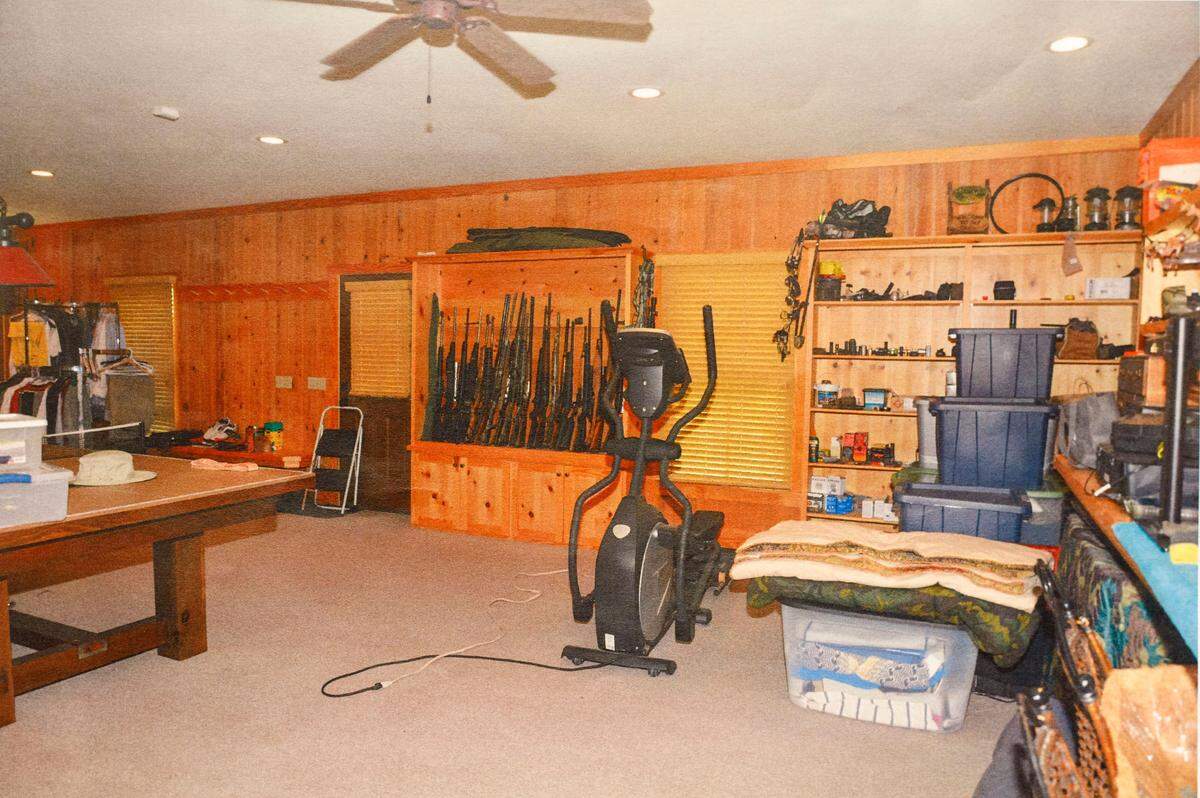
“In fact, none of the shotguns you brought yesterday, according to your lab analysis, fired the bullets that killed Paul,” Griffin said.
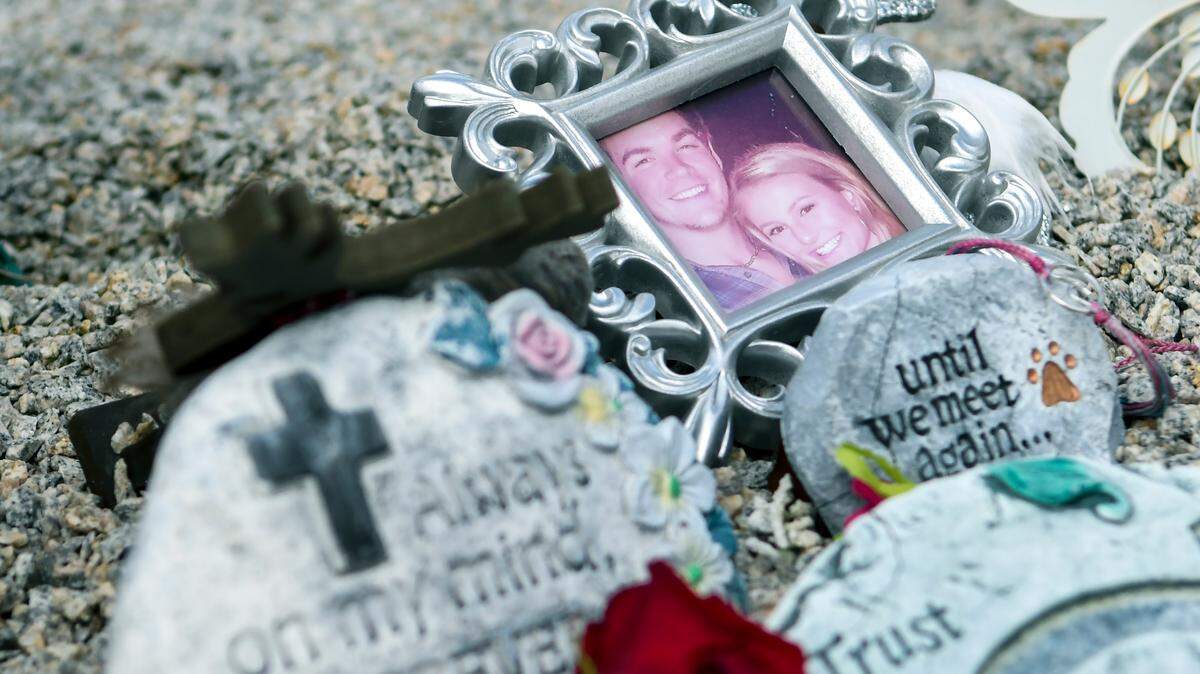
Paul was killed by a shotgun blast in the family’s dog kennels, while Maggie was shot by an AR-style rifle outside the kennels. But despite all the weapons that were removed from the Murdaugh home at the time, murder charges were ultimately brought against Murdaugh without the murder weapons being recovered.
“Have you ever found the murder weapons to your knowledge?” Griffin asked Croft in court Tuesday.
“Not that I’m aware of, sir,” Croft said.
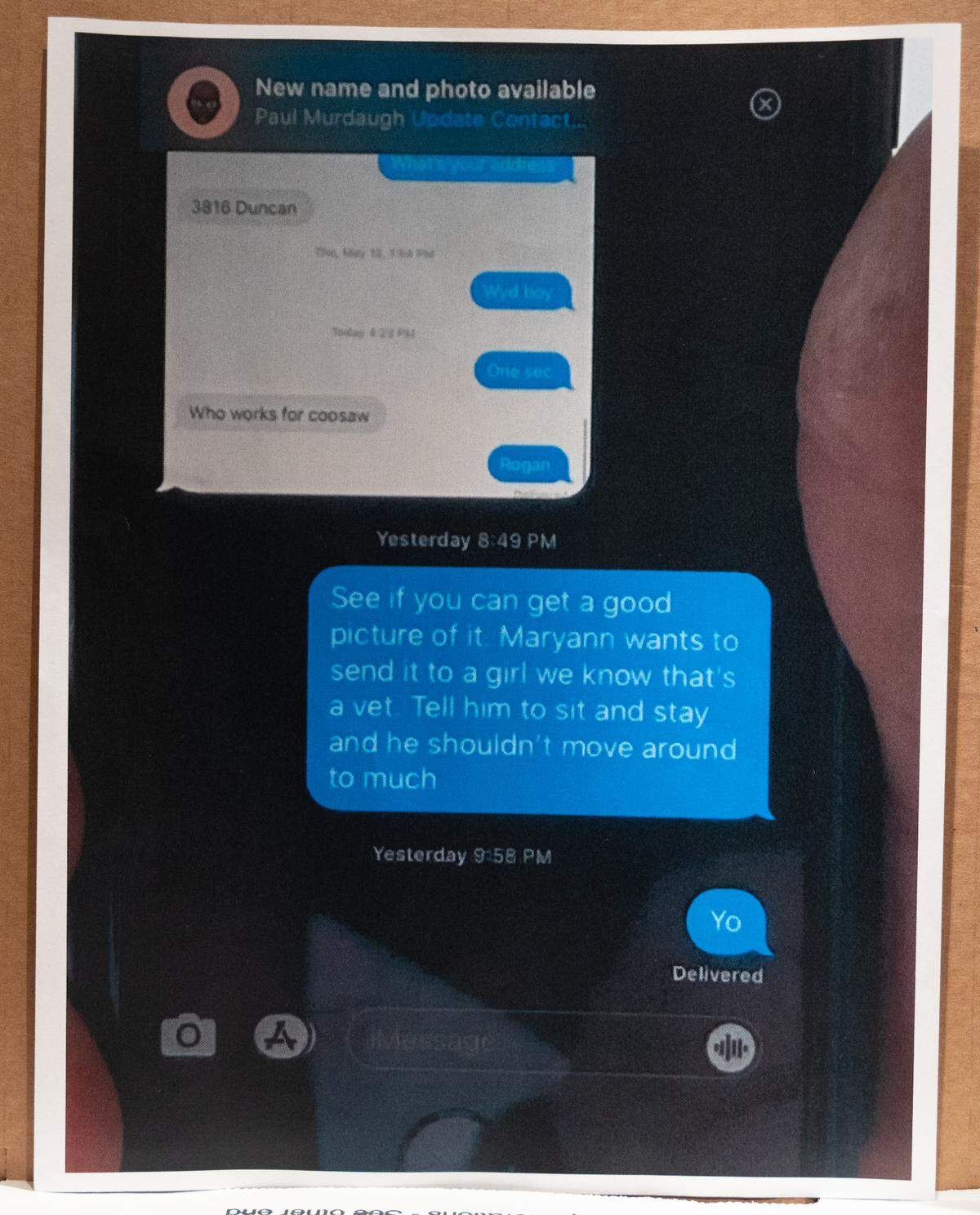
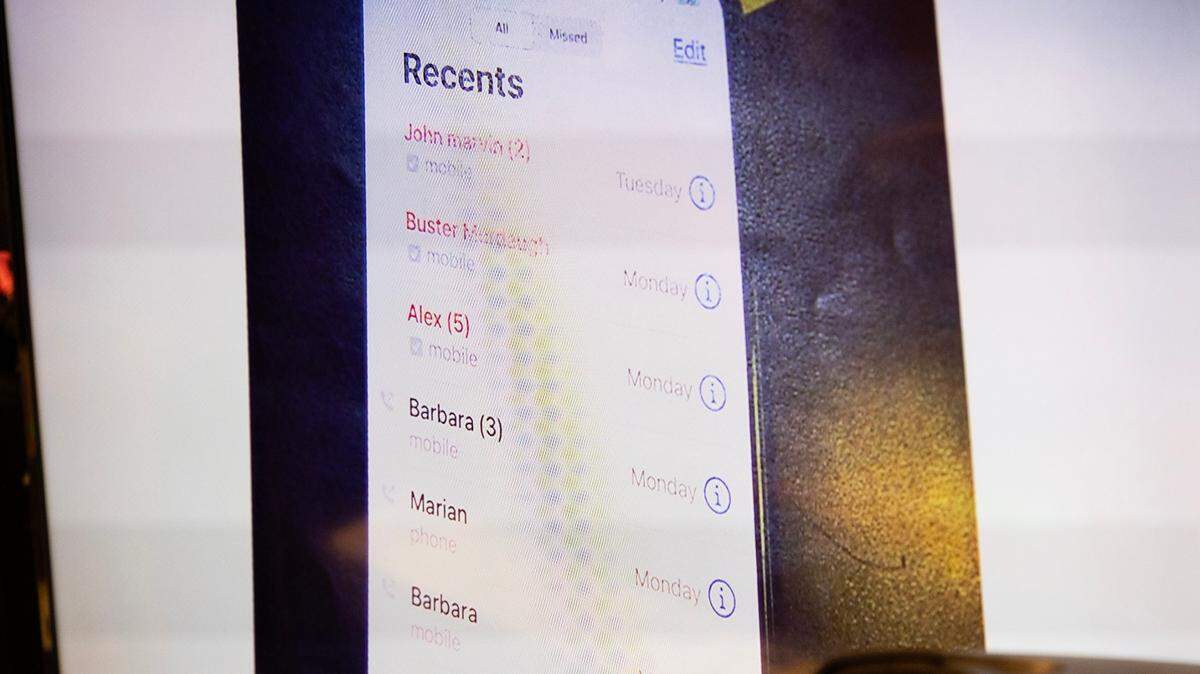
Croft was the 10th witness called by the prosecution since the first witness was called last Thursday. Croft concluded his testimony Tuesday morning. The next three witnesses — a Verizon Wireless executive, a Charleston County sheriff’s deputy who is a U.S. Secret Service task force member who reviewed Murdaugh’s cellphone, and a separate U.S. Secret Service agent who unlocked the phone — testified to calls sent to and from Murdaugh’s phone.
Prosecutors skewer Murdaugh’s alibi
Lead prosecutor Creighton Waters has said the state’s analysis of other discharged cartridges found on the property found similar markings to those on the .300 Blackout cartridges found near Maggie’s body. The state believes those rounds were fired by a gun previously purchased by Murdaugh that is now missing, although prosecutors have not yet presented evidence on the connection.
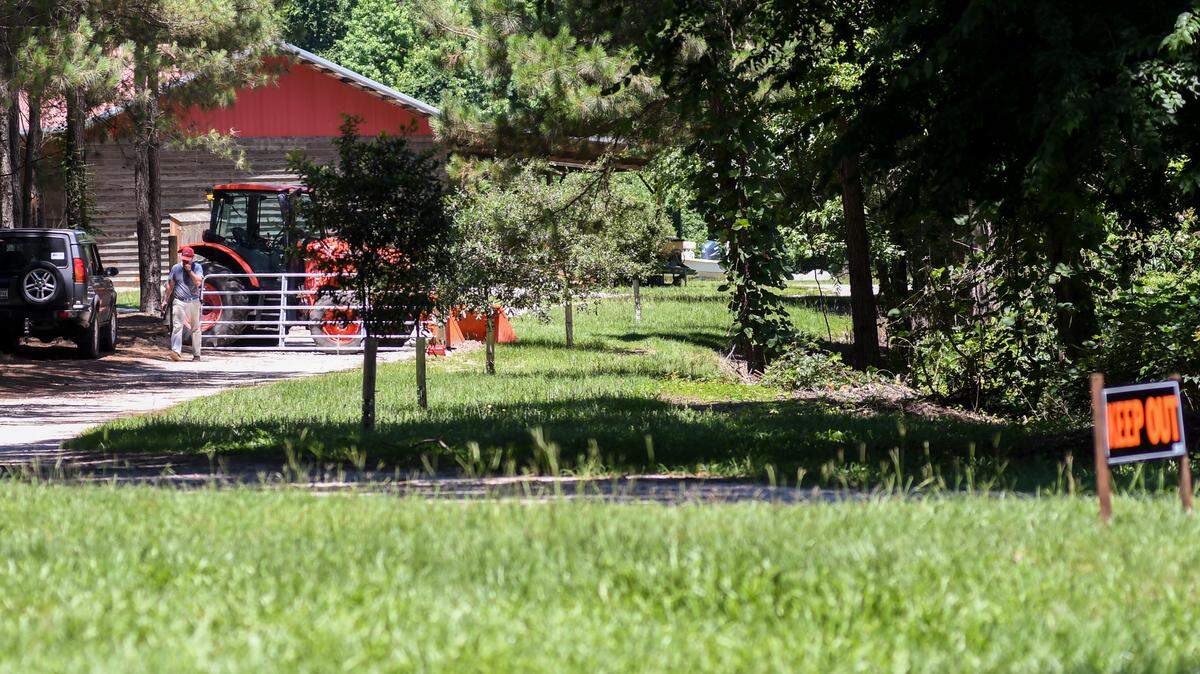
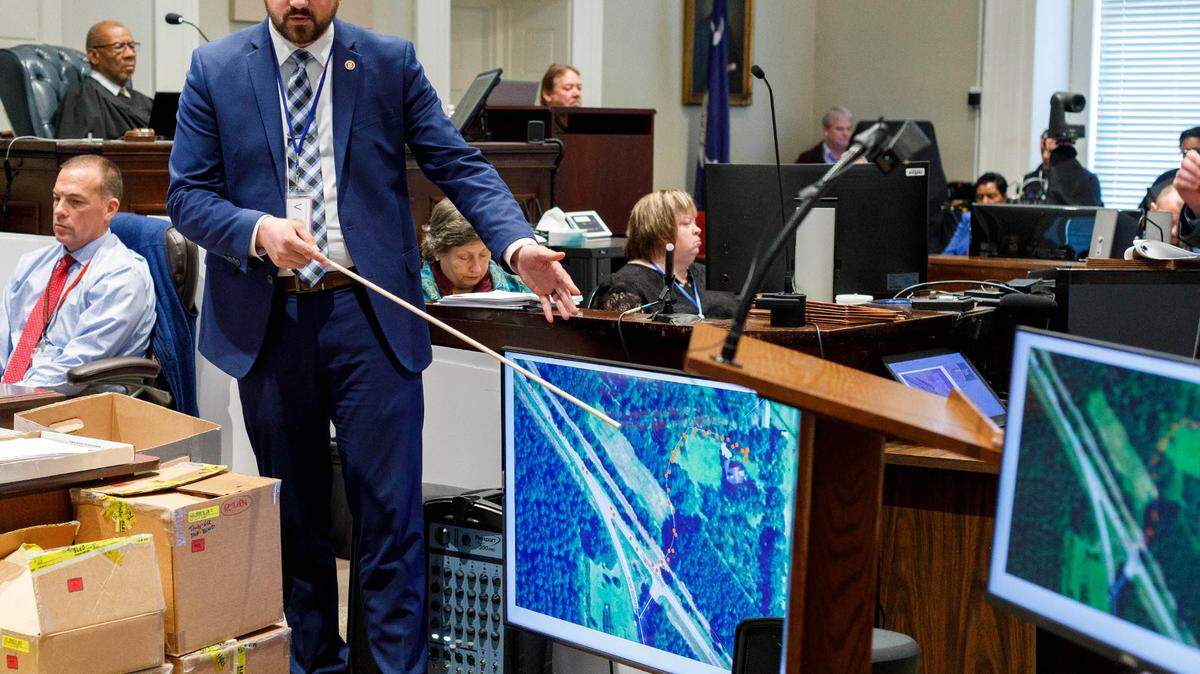
Croft testified Monday to the interview with Murdaugh conducted just days after the killings in June 2021. At the time, Murdaugh told investigators the last time he saw Paul and Maggie was when the three of them ate dinner together at the Moselle property. Murdaugh then said he took a nap before driving to the home of his mother, who suffers from Alzheimer’s, by which point his wife and son had already been shot and killed by the dog kennels 1,000 yards behind the house.
But Waters said in his opening argument that the state has cellphone evidence that Murdaugh moved toward the dog kennels around 8:30 p.m. the night of the murders, and that Paul sent a video from the dog kennels that night in which his mother and father can be heard speaking in the background — minutes before the murders are believed to have occurred.
That video has not yet been introduced into evidence, but would likely show Murdaugh’s interview with SLED has locked him into a version of events that prosecutors will try to disprove.
In addition to an alibi and a theory over who shot Maggie and Paul, the jury heard other details of interest:
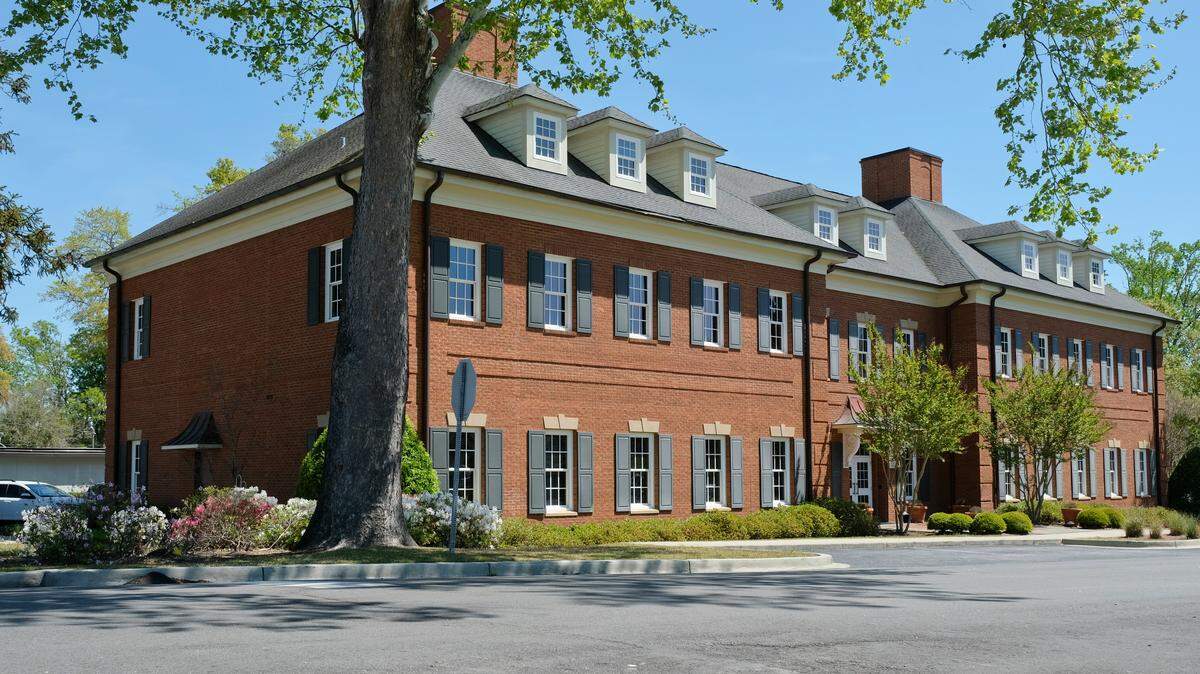
▪ At least three partners in Murdaugh’s former law firm — Peters Murdaugh Parker Eltzroth & Detrick, or PMPED — visited the family estate the day after the killings to be with Murdaugh as SLED investigators roamed the house’s gun room, looking for guns and ammunition of the type they believed killed Maggie and Paul. The lawyers were Lee Cope, Mark Ball and Ronnie Crosby. Another lawyer, Chris Wilson, one of Murdaugh’s best friends from his University of South Carolina Law School class of 1994, was also in the house.
“Alex wasn’t lawyering up” on June 8, Griffin asked Croft Tuesday. “Those were his friends that came over to help him, correct?”
Croft responded, “They were giving counsel to Alex as far as what we were doing. They were making calls to his (Alex’s) counsel.”
▪ The bullets that struck Maggie were .300 Blackout rounds, an unusually powerful bullet that can be fired from an assault rifle only after the gun has been reconfigured to handle such rounds, which have superb “stopping power,” Croft testified Monday.
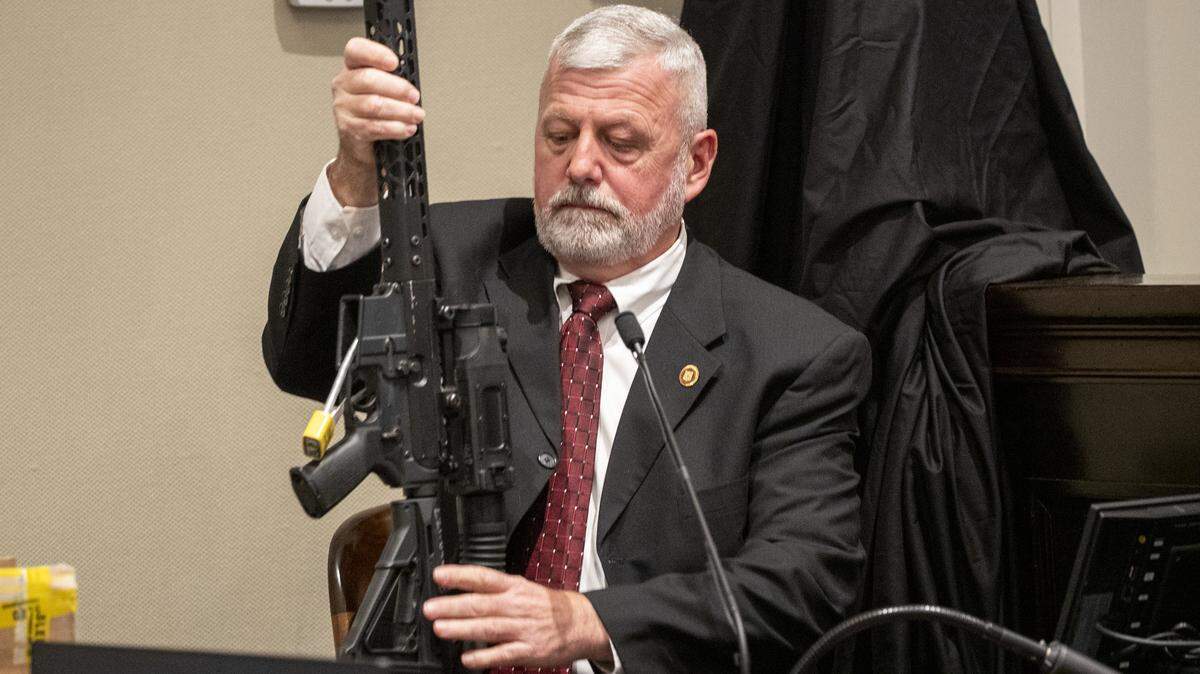
▪ Murdaugh had had at least two assault-style rifles configured by weapons maker John Bedingfield to handle the .300 Blackout rounds and gave one each to Paul and his older son, Buster, Croft said Monday. Paul had lost his rifle, Murdaugh told investigators. Croft displayed one of the weapons that Bedingfield had configured — a futuristic, black long-barreled gun that looked capable of fierce devastation. Paul liked to use his 300 Blackout-configured gun to kill hogs, Murdaugh said in the interview with SLED.
“How many murders have you worked where .300 Blackout was used?” prosecutor Creighton Waters asked Croft in redirect Tuesday.
“None,” Croft responded.
Reporters Ted Clifford and John Monk contributed to this report.

This story was originally published January 31, 2023 at 11:09 AM with the headline "Who ‘did him so bad’ in Paul Murdaugh’s murder? Defense, witness dispute what Alex said."
.jpg)


















_fitted.png)