Parris Island implements anti-extremism training, will conduct stand down
This story has been updated to clarify the reasons for the training changes.
The Marine Corps Recruit Depot on Parris Island has added anti-extremism training to its 13-week-long bootcamp, a depot spokesperson said, in addition to the Secretary of Defense’s order to address extremism in the armed forces after the Jan. 6 Capitol riots.
The training, which will include classroom lessons and discussions, is a permanent change for the base, which trains all enlisted Marines east of the Mississippi River. Capt. Bryan McDonnell, Parris Island spokesperson, said extremism was already discussed to an extent during bootcamp, but the additions and adjustments were installed following the riots to ensure that the depot’s current training complies with established policy.
It comes as Defense Secretary Lloyd Austin has called on the armed services to conduct a 60-day “stand down” on extremism in the military, prompted by the Jan. 6 attack on the the Capitol and later reports of active-duty and former service members’ involvement in the rally to overturn the presidential election and the riot. The stand down to discuss issues of extremism and racism in the military must occur by April 6.
The Pentagon ordered all commanding officers and supervisors to take one day to discuss “the importance of our oath of office; a description of impermissible behaviors; and procedures for reporting suspected, or actual, extremist behaviors.” The task is intended to “foster an environment for members to voice their concerns, experiences and possible solutions to eradicate extremism,” a communications director with the Marine Corps said.
The base will conduct a stand down in compliance with the Pentagon’s order once they receive official guidance from the Marine Corps headquarters, McDonnell said.
The Capitol attack has brought attention to white supremacist and dissident ideologies within the U.S. military, as a disproportionate number of those charged in the attack on the Capitol have a military history. An NPR analysis found that at least 14% of those charged had military or law enforcement ties, and federal prosecutors have accused several veterans of using their military training to plan the breach.
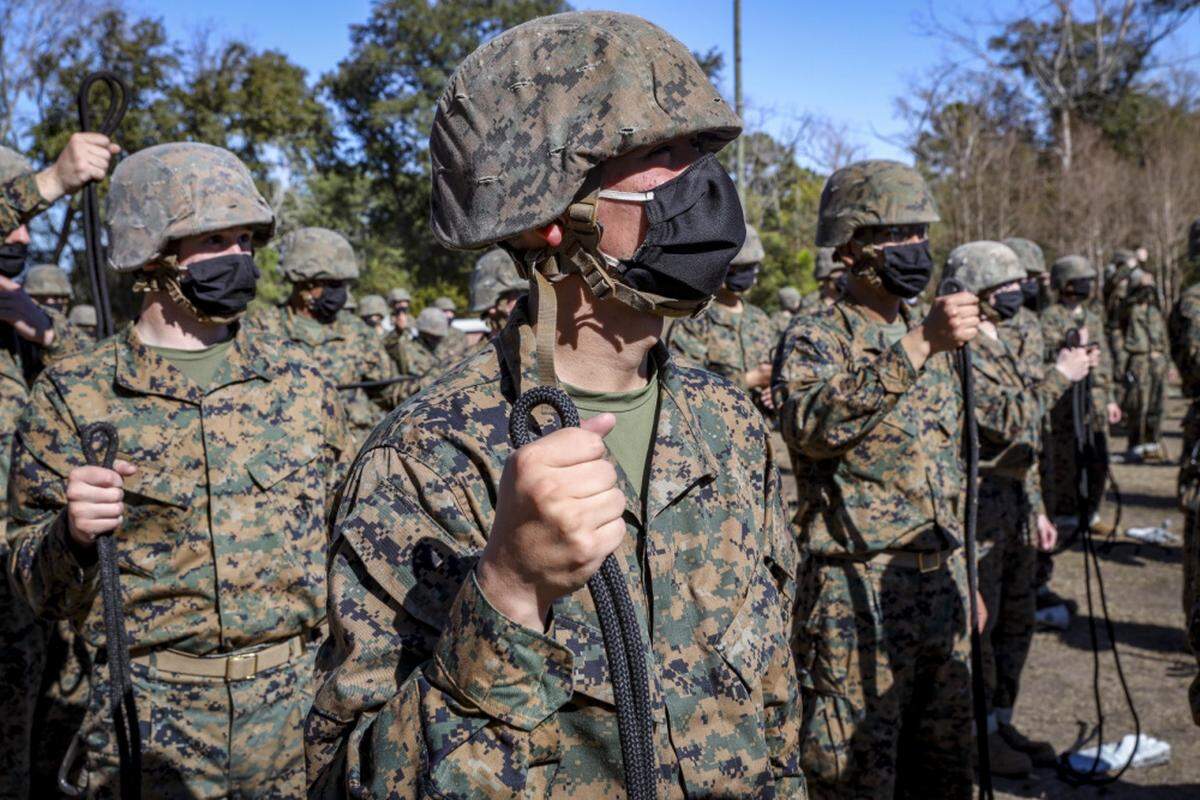
McDonnell said extremism does not meet the Marines’ core values — honor, courage, commitment.
“Ultimately, we need to hold folks accountable,” he said. “I think the Marine Corps has done a good job of that and continues to do that. Ultimately the individuals that participate in that kind of behavior, that … is already prohibited, when they’re learning these things in the first days of recruit training or their first days as an officer, they’re going to be held accountable.”
The extent of white supremacist, racist and extremist ideologies in the Marine Corps is difficult to measure. In an email to the Island Packet, a spokesperson said the Marine Corps had 16 cases of substantiated extremist behavior over the past three years, but did not provide details on the cases, punishments or locations.
“We expect every Marine to treat their fellow Marines with dignity and respect,” communication strategy and operations officer Capt. Casey Littesy said. “Those who can’t value the contributions of others, regardless of background, are destructive to our culture, our warfighting ability, and have no place in our ranks.”
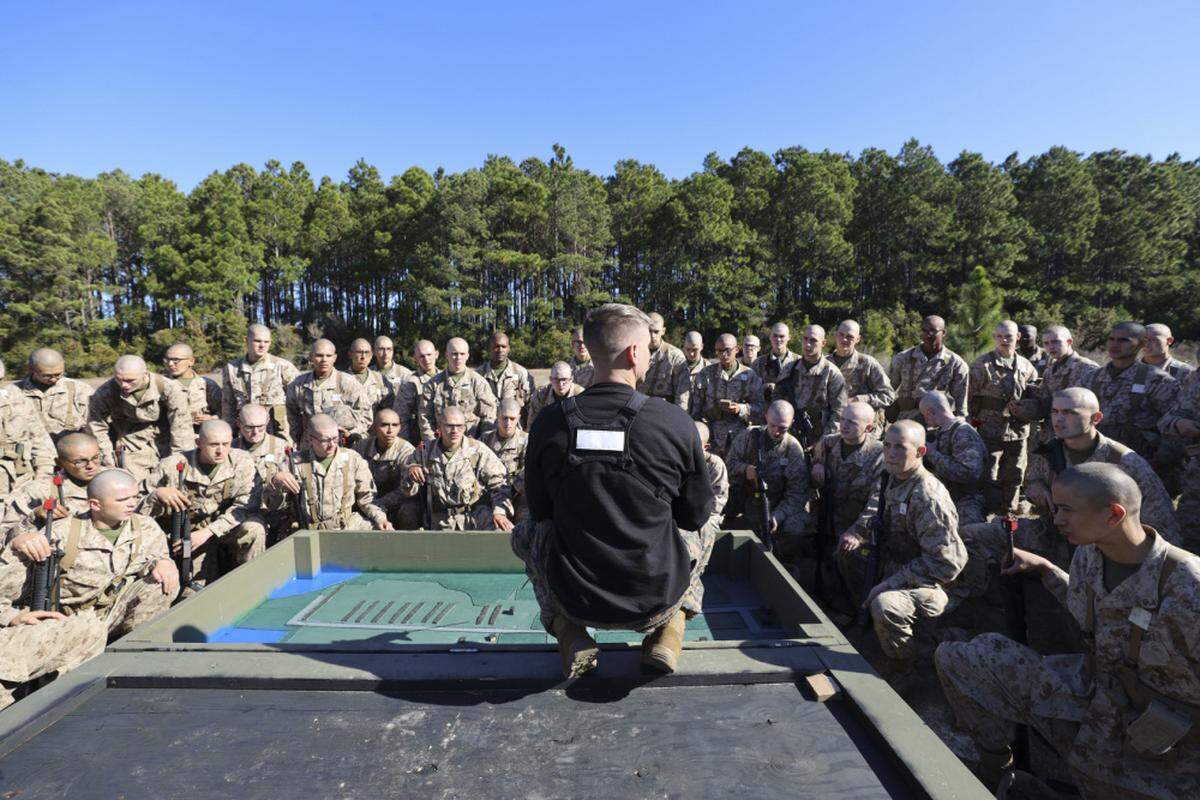
CORPS VALUES
To ensure compliance with military policy, Parris Island leaders changed coursework in several classes to discuss in greater detail which kinds of political activity are and are not allowed. The changes affect courses on the Uniform Code of Military Justice, customs and courtesies, and the Marine Corps’ core values.
Prior to the changes, McDonnell said, recruits received some training about what political activity they could and could not engage in. But in the new, focused training, they will learn more about the military’s laws against mutiny, sedition and the incitement of a riot or breach of peace.
“This is our first exposure to any kind of training for the recruits when it comes to the Marine Corps — that’s the point of boot camp,” McDonnell noted. “It’s not just about extremism; they’re learning everything from the ground up.”
In the core values course, senior drill instructors will lead recruits in a “heart-to-heart” discussion about personal conduct and the Marine Corps’ core values, McDonnell said.
Such a personal conversation promises a break from the rigor of boot camp in favor of a different type of rugged territory — discourse about white supremacy and extremism, and why Marines cannot adhere to doctrines that promote such views.
“They can sit down, take their cover off,” McDonnell said of the discussions. “Usually the senior drill instructor or the drill instructor giving that class will have some sort of personal tie in … ‘It’s applicable to each life, and here’s how it was applicable to mine.’”
This story was originally published February 18, 2021 at 4:30 AM.