Watermelon fields are waterlogged. Why St. Helena farmers say they ‘dodged a bullet’
Local farmers are counting their blessings as the drenching from Debby hit during a lull in the planting and harvesting seasons.
St. Helena Island growers are gearing up for the start of next month’s fall watermelon harvest knowing that they were fortunate the winds and deluge from Tropical Storm Debby didn’t drown or blow down the fruits of their labor.
“We were lucky we didn’t get the tidal surge and we didn’t have any big tides,” says Jacky Frazier, the owner of Barefoot Farms on Sea Island Parkway. “I’m glad we don’t have any more damage than what we got.”
This year’s fall harvest will go on as usual come September and October, said Frazier, who planted 10 acres of watermelons this fall. Time will tell how they fare, but he suspects they will be OK.
August is the best month for a bad storm
The August timing of the storm, with its rain bands stalled above the Lowcountry, was fortuitous for Beaufort County’s agriculture industry, said Zack Snipes, a horticulture agent with Clemson Cooperative Extension Service. August is typically a slow month for farmers and Debby’s rain and wind did not reach the upper limits of the forecast making it less destructive compared to past storms.
“This year,” Snipes said, “we kind of dodged a bullet.”
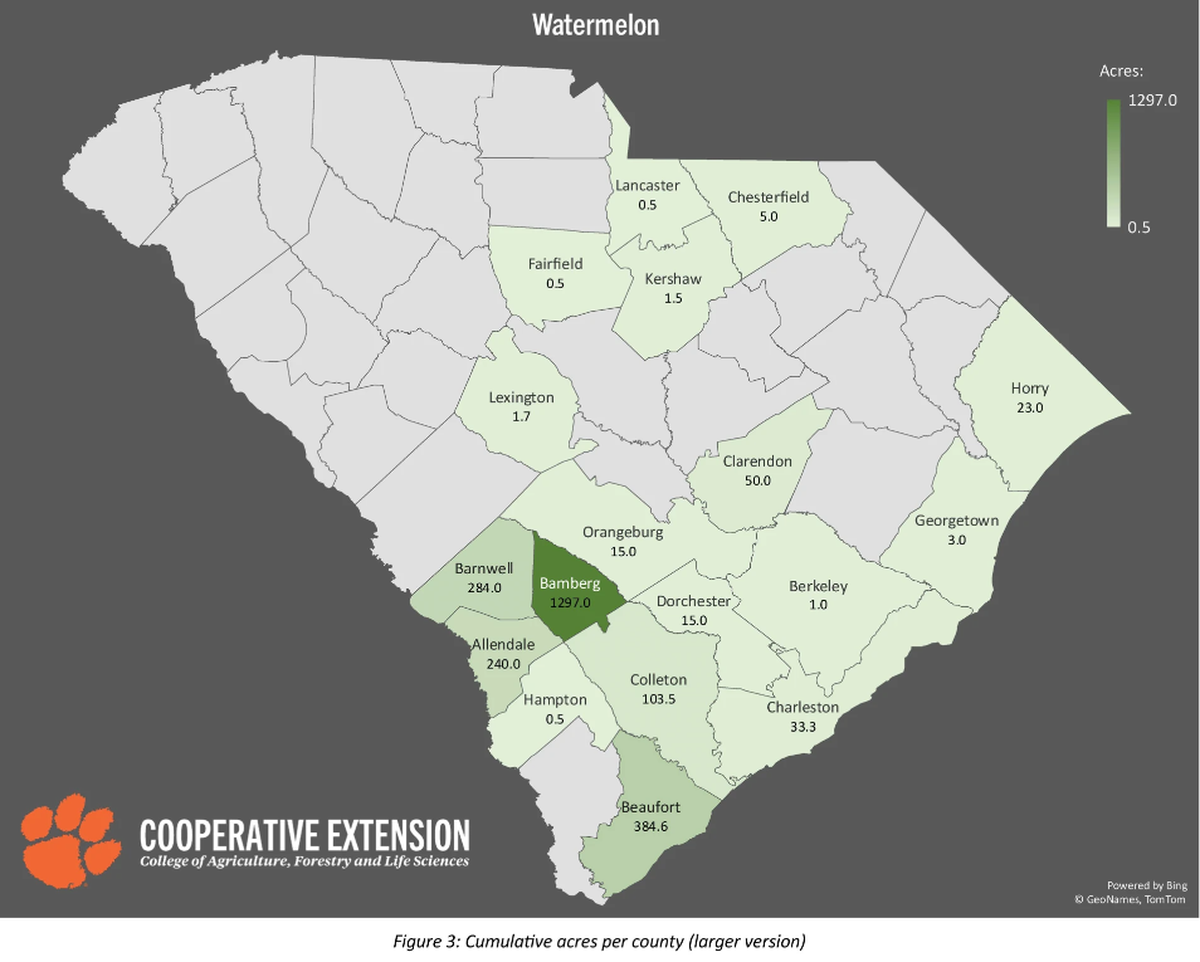
Watermelon is big business in South Carolina, with the economic value of the 2,459 watermelon acres planted in 2022 over $26 million. And Beaufort County — mainly St. Helena farms — is big contributor to the output. In 2022, the value of the 384 acres planted on the island topped $4 million. That acreage was second only to the 1,297 acres planted in Bamberg County.
Most of the watermelon production comes earlier in the summer and is meant for the hot July 4 market, when consumption is highest, Snipes said. The fall watermelon harvest makes up 10% to 20% of the total because there’s still demand across South Carolina and even outside the state for the local melons, with many of them being sold as pre-cut watermelon in grocery stores.
Debby showed up after tomato season
St. Helena Island is the biggest tomato producer in South Carolina — for a 4-to-6-week window in June to early July, the island supplies tomatoes up and down the East Coast. But the tomato harvest finished up about a month ago, long before Debby arrived.
The impact of Tropical Storm Debby on the local fall crops pales in comparison to catastrophic damage on corn, cotton and tobacco in some areas of South Carolina including the Pee Dee region and Orangeburg area, Snipes said. “It’s pretty bad,” Snipes said.
That’s not to say local farmers escaped unscathed from Tropical Storm Debby’s wrath.
Kerry Fegan of Hobbit Hills Farm on Bay Pines Road off of Laurel Bay Road northeast of Beaufort said the farm’s gardens are still saturated and okra, tomatoes and pumpkins were lost, although the cucumbers may survive. Peanut and sweet potatoes look good on top, Fegan says, but they may be rotting beneath the soil. “The soil will need to continue to dry before we are able to prepare our fall gardens,” Fegan said.
Barefoot Farms’ Frazier lost a small amount of corn and okra crop.
“We lost some crops in the very low bottom areas the water stayed in for a few days,” Frazier said. “We have damage, but not excessive damages from the rains.”
With the ground soggy from the foot or so of rain that fell over four days, the storm also delayed planting of some fall crops like collard greens Frazier said.
But the area needed the rain, Frazier points out.
Watermelons, planted in June and July, were just beginning to vine when Debby arrived. “They don’t even have melons at this point,” Snipes said.
“Everybody I talked to said we got real lucky with the timing of the storm,” Snipes added. “It probably beat ‘em up a little bit. I would expect to see a little bit of yield loss but maybe not.”
At this time of year, many fields are fallow and being prepared for fall planting, Snipes added.
“August is really the transition time when a lot of the growers will take the month off or work on equipment,” Snipes said. “They’re not hustling this time of year typically.”
Most of the state’s watermelons are produced on St. Helena and in the Savannah Valley Region along the Savannah River and on the Georgia border, Snipes says.
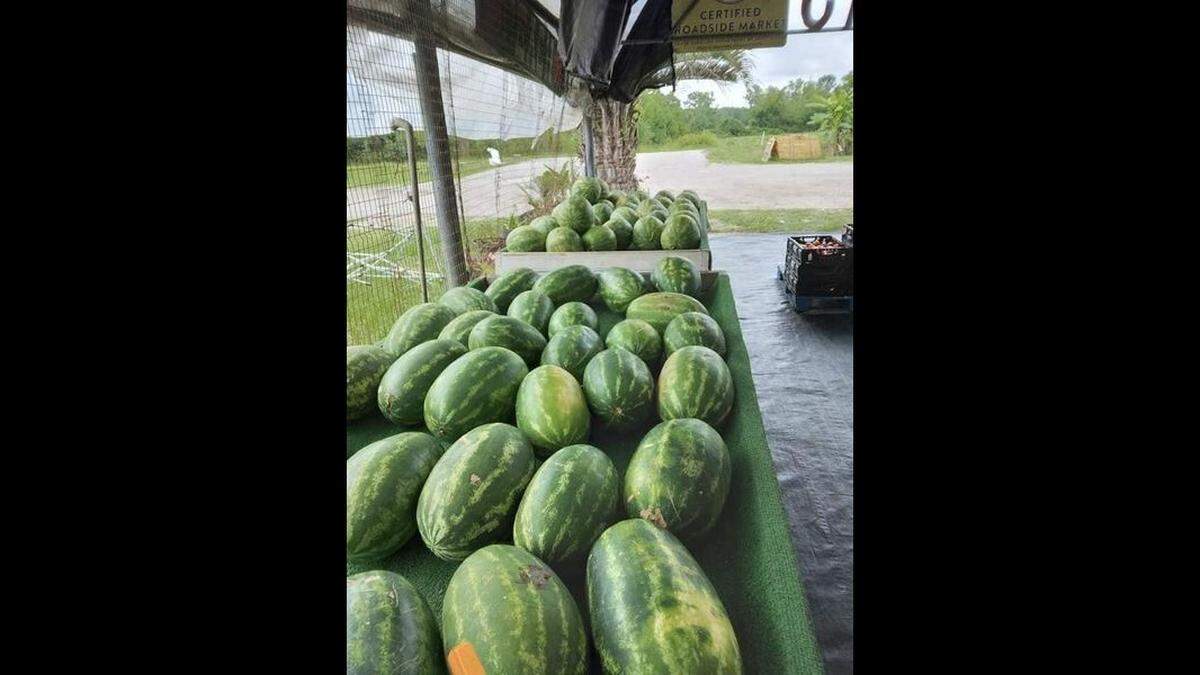
Seaside Farm, Lipman Family Farms and Coosaw Farms plant the most acreage watermelons on St. Helena. But a handful of smaller growers, including Frazier’s Barefoot Farms, plant watermelons as well. Some growers have an entire cropping season in the fall that includes a variety of crops from tomatoes to greens to watermelons, Snipes says.
This story was originally published August 13, 2024 at 9:43 AM.