Lowcountry mayors pressed to support slavery reparations. How they’re responding
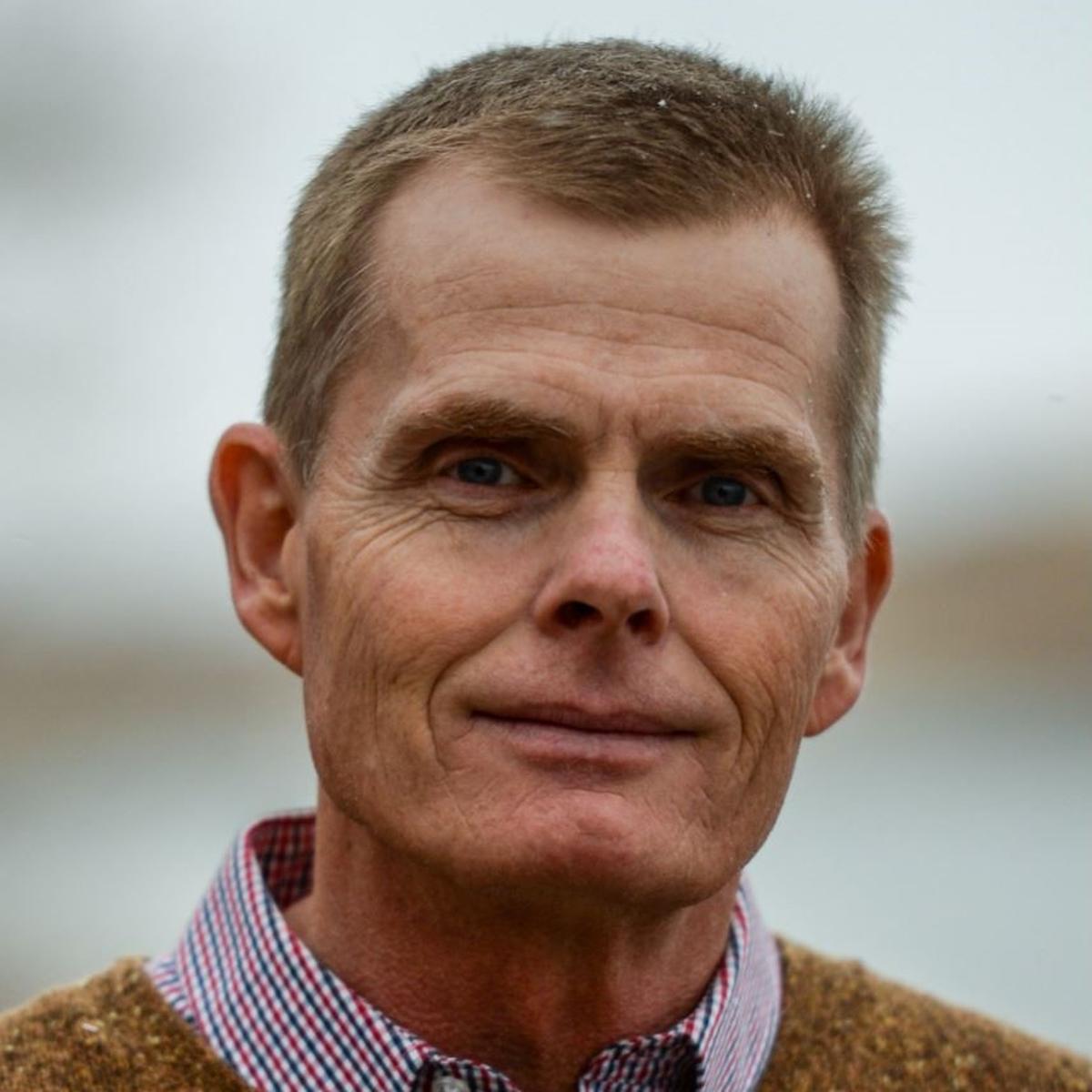
Gregg Marcel Dixon is searching for a Lowcountry mayor willing to make a “bold” move by publicly urging the federal government to support reparations for descendants of slaves he says built the nation.
“I hope you are that mayor,” Dixon said to Beaufort Mayor Stephen Murray on Tuesday when he addressed the City Council on reparations.
A mayor has yet to heed Dixon’s call, but Dixon’s not quitting.
Dixon, 36, of Ridgeland, a charter school teacher in Hardeeville and Gullah-Geechee Nation member, is making the case for reparations at city council meetings across Beaufort County.
A 2019 Winthrop University poll showed South Carolinians are divided on racial lines, with 75% of whites opposing slavery reparations, and 72% of African American respondents in favor.
“A leader doesn’t do what is popular,” Dixon said in Beaufort, where he said he was looking to find a mayor “bold enough to do what’s right.”
Dixon’s request came on the one-year anniversary of the death of George Floyd while in Minneapolis police custody. His killing has prompted new calls for reparations across the country.
Dixon argues that support from mayors would show reparations is not a black-versus-white, Republican-versus-Democrat issue. Rather, he says, it’s about holding the federal government accountable for repairing damage of slavery and Jim Crow laws that he says still affect descendants today: lower family wealth, higher percentages of child birth deaths, and disenfranchisement.
Mayors in particular could be an influential voice considering the high percentage of Blacks who once were enslaved in South Carolina and Georgia, he adds.
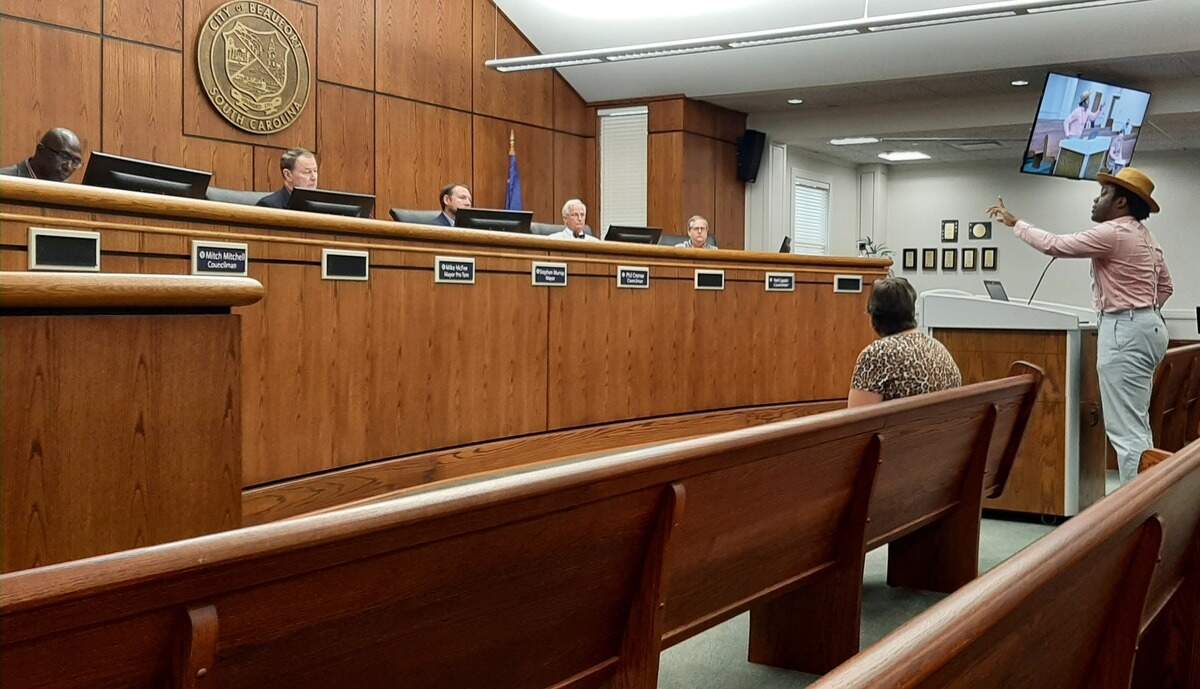
Murray, Beaufort’s mayor, said later that the City Council has had no conversations about reparations and probably won’t, but the city is working in a number of key areas to increase inclusion and diversity in the city. It is also promoting Black-owned businesses and economic development in Black neighborhoods
A locally elected official doesn’t “have much sway with the feds,” Murray adds.
Dixon has also made his case in Hardeeville and Ridgeland, with no commitments. He plans to address elected officials in Bluffton and Hilton Head next, and he’s trying to get on the agenda in Savannah.
Despite being the first member of his family to be recognized as what he calls a “full citizen,” Dixon, who has family in Beaufort, Bluffton, Hilton Head and St. Helena Island, said he has still noticed that his white peers have been less affected during times of economic downturn.
That’s one reason he’s looking for support for federal reparations.
“I did all the right stuff,” he said, “and I still struggle and my family still struggles.”
This story was originally published May 26, 2021 at 12:00 AM.