
Boxing greats Ali and Lewis were once on Hilton Head, each fighting their own fight
Two of the world’s greatest boxers once spent time on Hilton Head Island, but not to fight each other.
They each were there for their own fights: Muhammed Ali for alternative Parkinson’s disease treatment by a controversial doctor, and Lennox, the World Boxing Council heavyweight champion, to train for a match to defend his title.
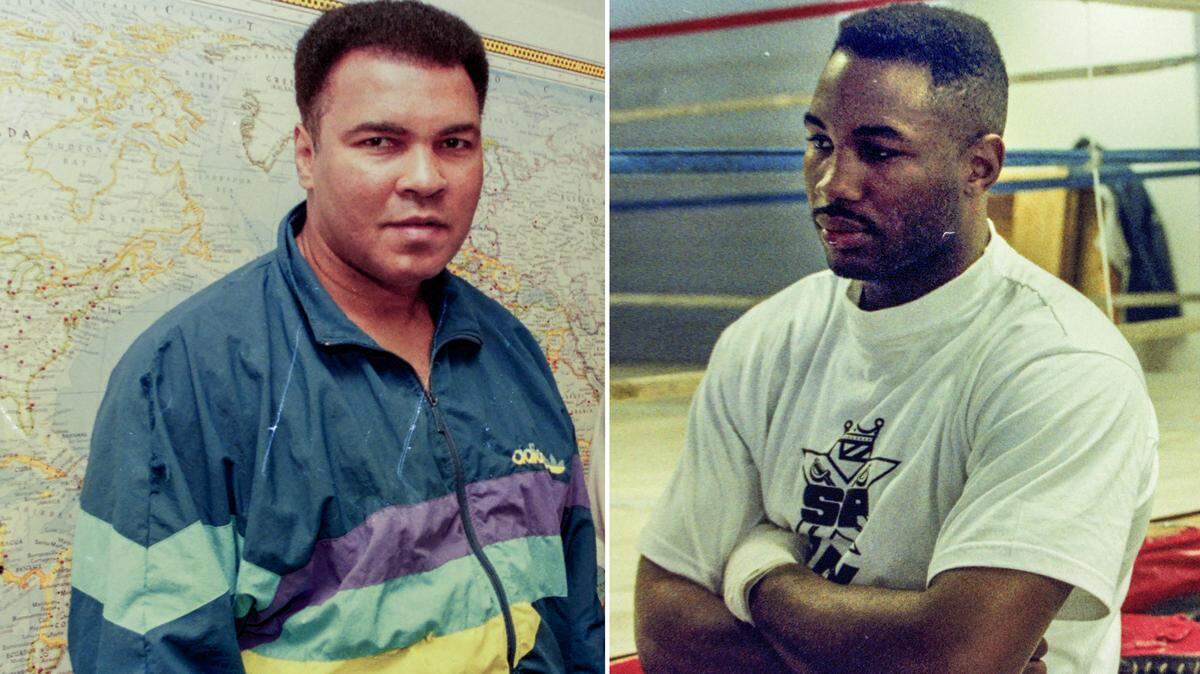
Lennox Lewis
In March 1993, a storefront at Hilton Head’s Park Plaza was turned into a gymnasium, where Lewis was to train for a bout to defend his title against Tony Tucker and take home the $12.1 million purse at The Mirage Hotel in Las Vegas that May.
“It’s a good place.” Lewis told an Island Packet sports writer of Hilton Head back then. “It’s a place where champions have trained and you could say that I’m just one of the champions that chose Hilton Head as a quiet place to train — where I can concentrate deeply on what I have to do.”
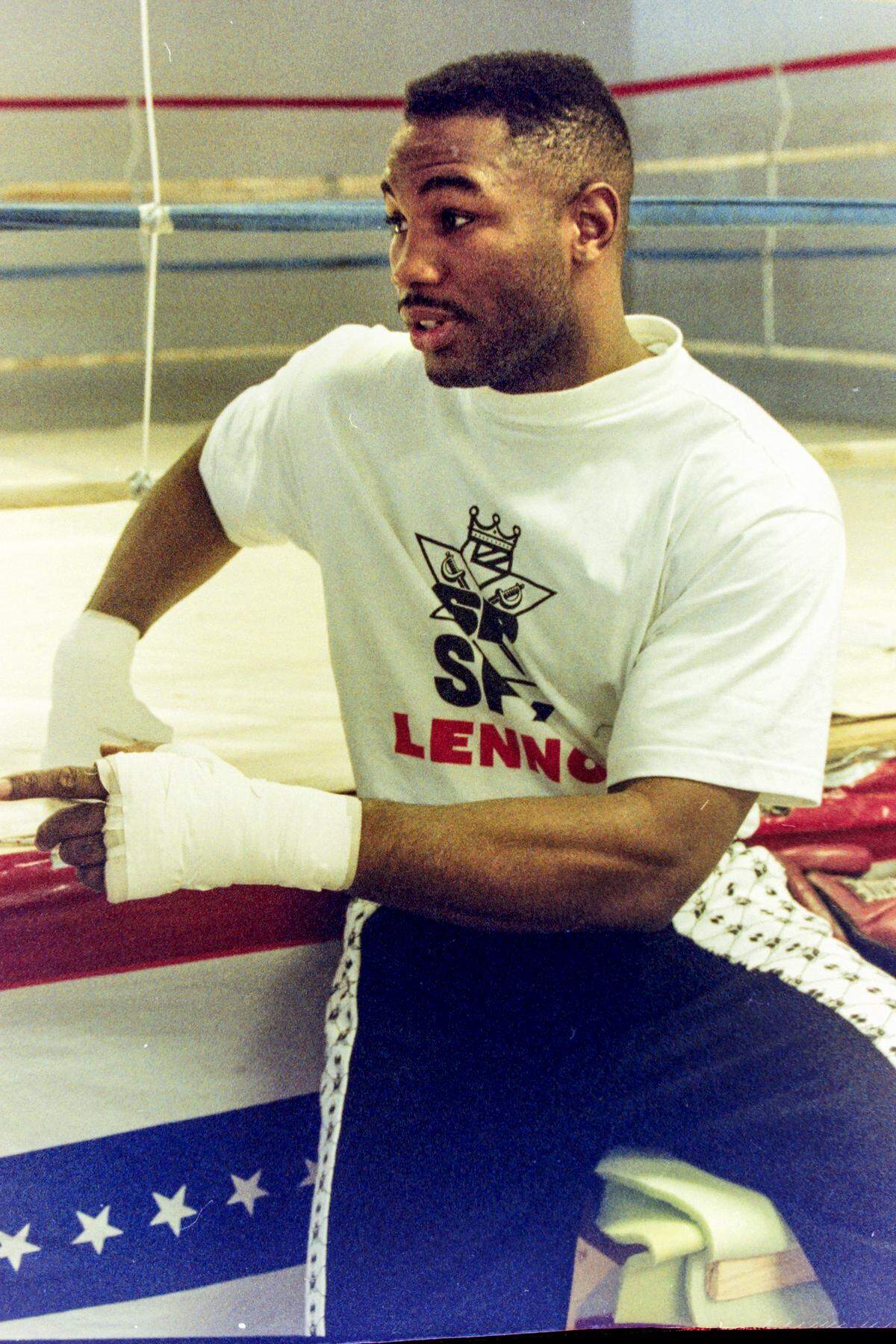
Ollie Dunlap, coordinator for Lewis’ camp and formerly with boxing champ Sugar Ray Leonard’s camp, used his resources to secure Hilton Head after failing to lock down a training camp in San Diego and Houston.
It was a busy time to be on the island, which made finding lodging for Lewis’ training camp difficult. The MCI Heritage (now known as the RBC Heritage Presented by Boeing) golf tournament and Hilton Head’s Family Circle Magazine Cup tennis tournament had already gobbled up accommodations across the island.
According to The Island Packet, Lewis remained on Hilton Head Island until mid-April. Correa, Lewis’ trainer, told staff writer John Clayton, a reporter at the time, that “As time goes on, (Lewis) will be in great shape. As far as I’m concerned he is the best in the world right now. But we haven’t begun to see the best of Lennox Lewis.”
Lewis, who was 26 at the time, stood at 6-5 and weighed 235 pounds. He’s now 60 and still has an active career in boxing as a sports analyst and commentator. In 2013, he started the Lennox Lewis League of Champions Foundation that provides mentorship to disadvantaged kids.
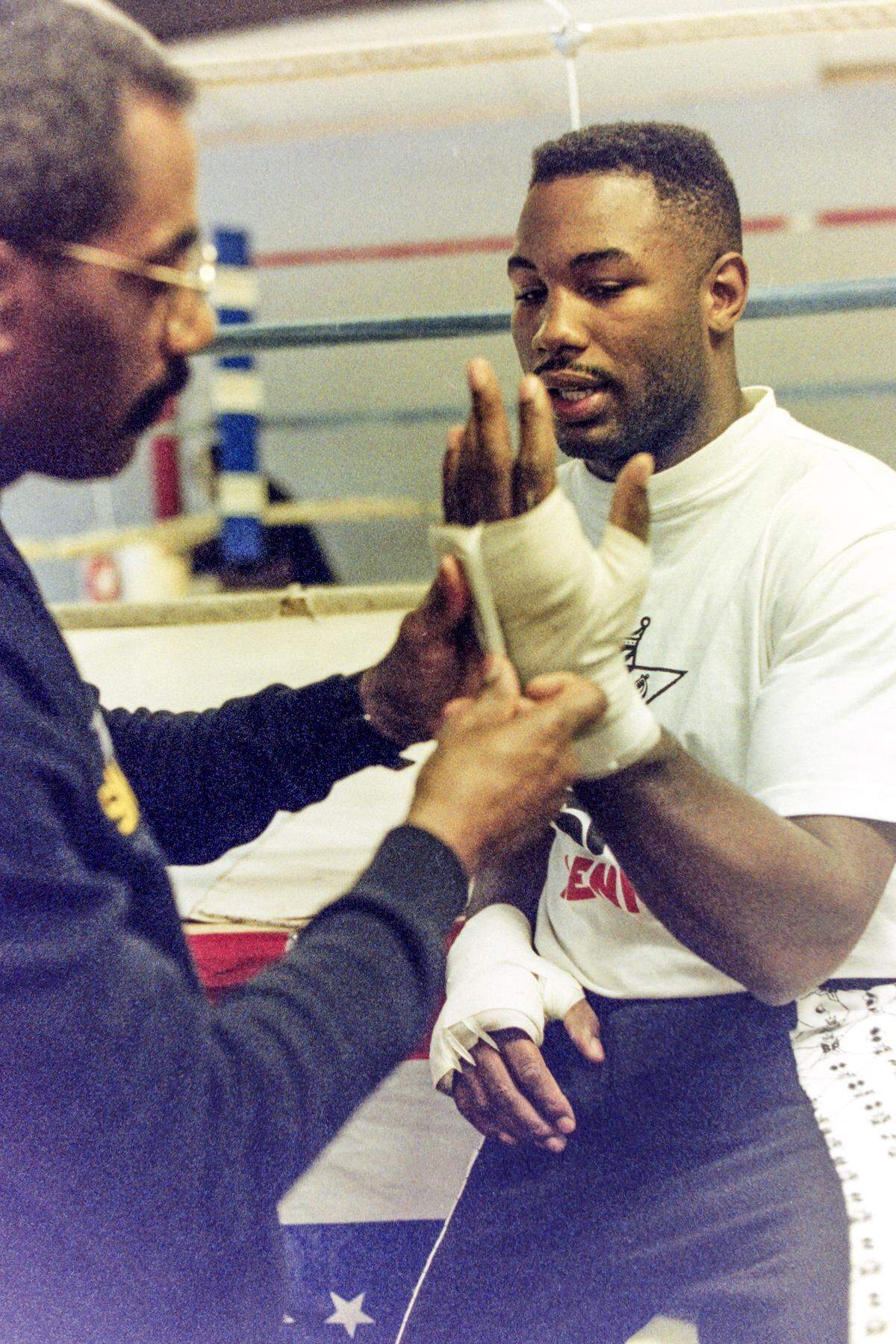
In the 1993 Island Packet article, Correa continued to tout Lewis’ strengths, the desire to beat Tucker, his opponent, and a guaranteed win for Lewis saying if he lost, Correa would come back to Hilton Head and crawl to Washington, D.C.
Correa then gave the ultimate compliment about Lewis.
“He will be talked about like Muhammad Ali.”
Muhammad Ali
Ali first visited Hilton Head and the controversial Dr. Rajko Medenica in 1988. The boxer was in a wheelchair and very weak, Medenica told The Island Packet at the time. Ali’s initial treatments for his Parkinson’s disease included lessening the toxicity of his blood with healthy blood plasma.
Ali was 42 when he was diagnosed with Parkinson’s disease in 1984 after retiring from boxing. Some of his symptoms included instability, decreased facial expressions and resting tremors.
The practices of his Hilton Head doctor, Medenica, though, were considered controversial and experimental. In May 1989, he was convicted in absentia by a Swiss jury on charges of obtaining $3.4 million by submitting fake bills to the Yugoslavian national health system when he was director of the Geneva State Hospital in the 1970s and early 80s.
On a trip to Europe in 1995, Medenica was arrested and served a 16-month sentence in a Swiss prison, according to his obituary in The Cancer Letter, an independent weekly newsletter that reports, among other things, on cancer research and drug development.
While not getting into specifics, Medenica told The Island Packet that the treatment Ali received lasted for three hours and that treatments would take a year before Ali’s quality of life would return.
Medenica said Ali was supposed to come to Hilton Head Island bi-monthly.
“He came now because he wasn’t feeling well,” Medenica told The Island Packet during the Sept. 22, 1992, interview at his clinic at the hospital.
“He told me he would come every other month.” Medenica said, but scheduling had changed because Ali was traveling and promoting the Islam religion.
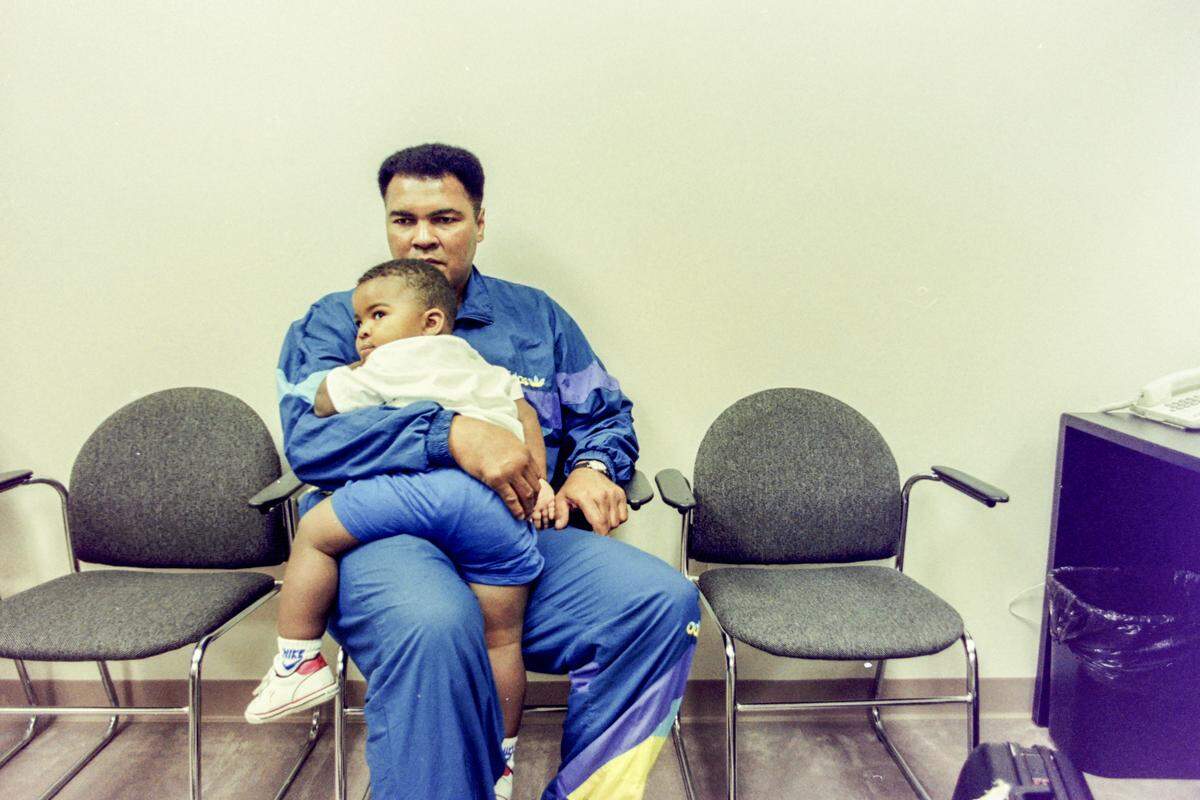
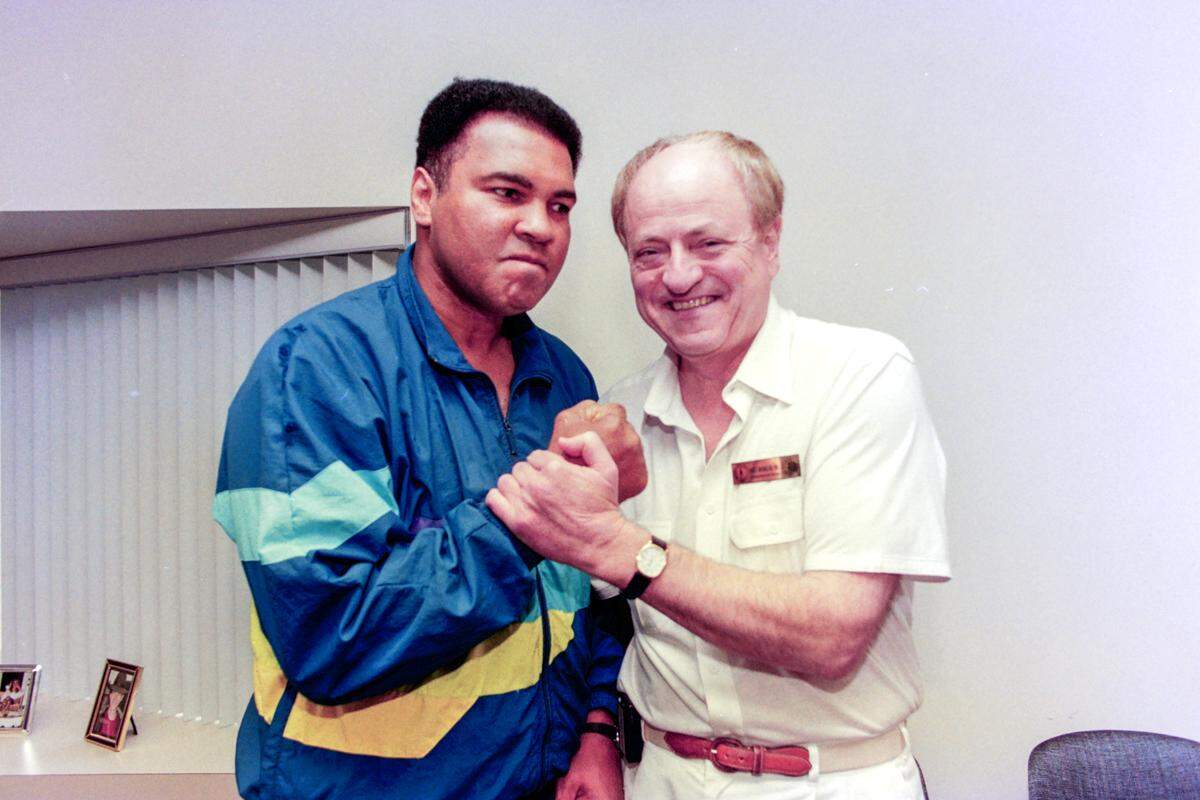
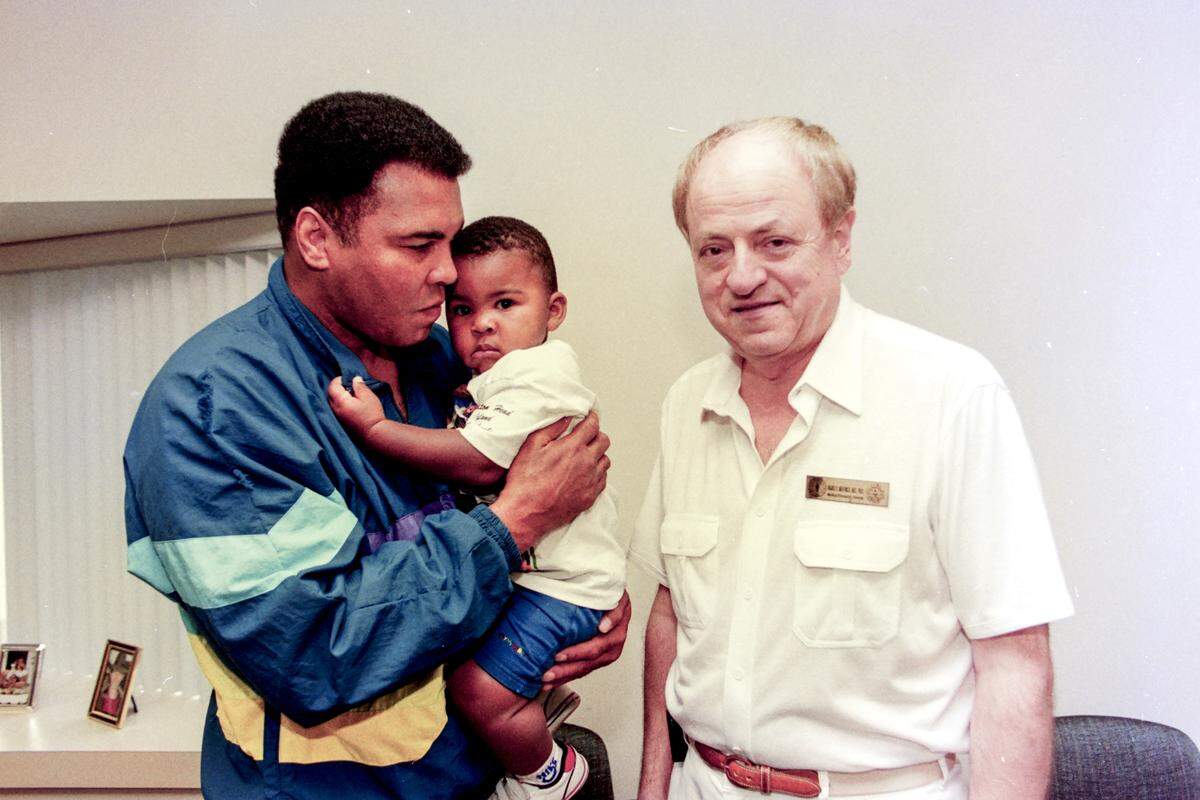
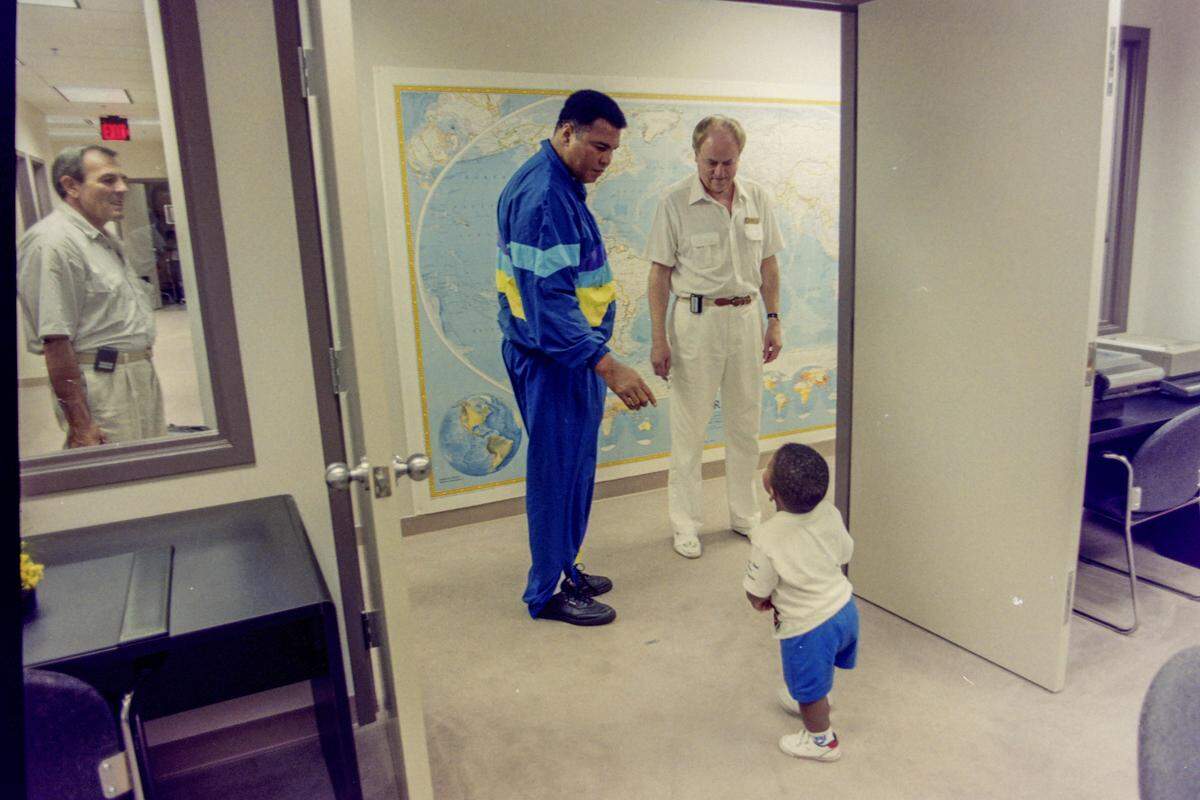
Packet staff writer Hal Millard noted in the article that Ali was sluggish and could barely talk but managed to strike a few poses for staff photographer Jay Karr when Ali wasn’t holding and kissing on his then 17-month-old son, Asaad.
Ali’s only words were during the photo session and were directed at Karr.
“You’re getting these (photos) for free. These are valuable. I’m not crazy, I know the value of these.” Ali said as he playfully held up his right hand next to this doctor’s face, an effort that gave the impression of a face-off, pre-fight salute.
Medenica claimed Ali’s condition was not Parkinson’s disease, but his unsteady gait was caused by toxins in the blood - likely from pesticide exposure as well as the severity of punches received in the boxing ring that contributed to his illness.
Medenica said his initial treatment for Ali in 1988 included exchanging blood plasma in a process called plasmapheresis. That procedure was used to lessen the toxicity of pesticides in Ali’s blood, Medenica claimed. The process involves a blood purification procedure that separates plasma from the blood cells to remove harmful components.
According to a 2022 Barrow Neurological Institute Facebook post, Ali was diagnosed with Parkinson’s in 1984, but chose at the time to not be associated with the debilitating disease that involves nerve cell death.
After years of being treated by the Hilton Head doctor, Ali later acknowledged that Parkinson’s disease was the culprit for his symptoms. In 1997, Ali gave his name to Barrow for the Muhammad Ali Parkinson Center. In 1998, Ali worked with actor Michael J. Fox, who also has Parkinson’s, to promote awareness about the progressive disease that leads to a decline in cognitive or motor functions.
Ali died on June 3, 2016, in Scottsdale, Arizona at the age of 74.
Lewis went on to beat Tucker in that May 8, 1993, fight, winning in a 12-round unanimous decision to retain his WBC heavyweight title.
Lewis also went on to be a pallbearer at Ali’s funeral, their own fights on Hilton Head Island long over.
This look back uses archival newspaper reprints for research in tandem with historical negatives of The Island Packet and The Beaufort Gazette.