Apartments may be coming to SC 170’s Malind Bluff project, but county has one requirement

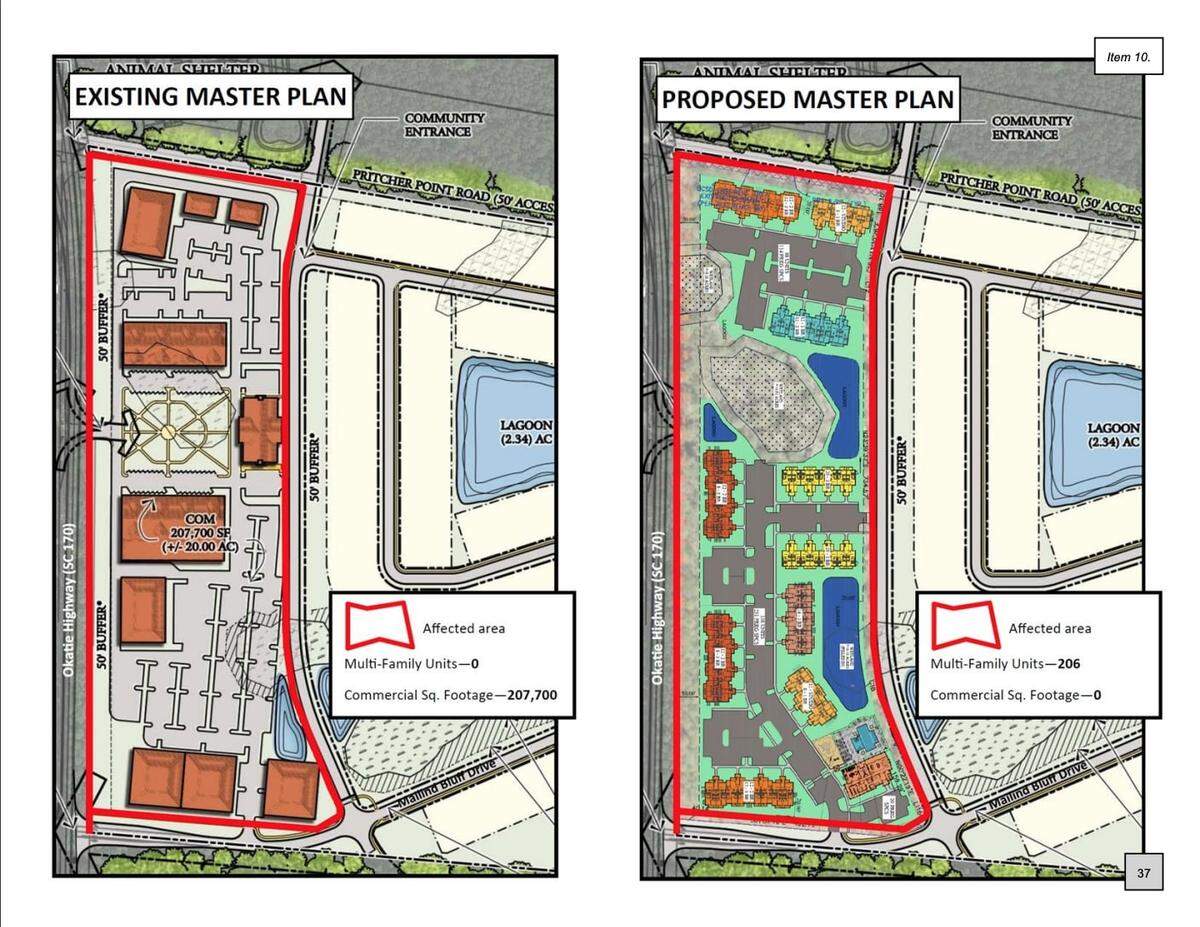
The owner of a piece of the sprawling Malind Bluff project along busy S.C. 170 has asked Beaufort County to change the development’s plans to add 204 apartments instead of commercial buildings.
Despite a recommendation by the Beaufort County Planning Commission that the county deny the request, the Natural Resources Committee on Monday voted 5-4 to recommend its approval with one major condition: The apartments must be affordable.
The request by the property owner, a limited liability company called LCP III, LLC, would amend the project’s master plan to rezone the 17-acres fronting the highway, effectively allowing a developer to build apartments.
It would remove a requirement to build 207,000 square feet of commercial buildings. Only about 7,150 square feet would be kept as commercial space under the new request.
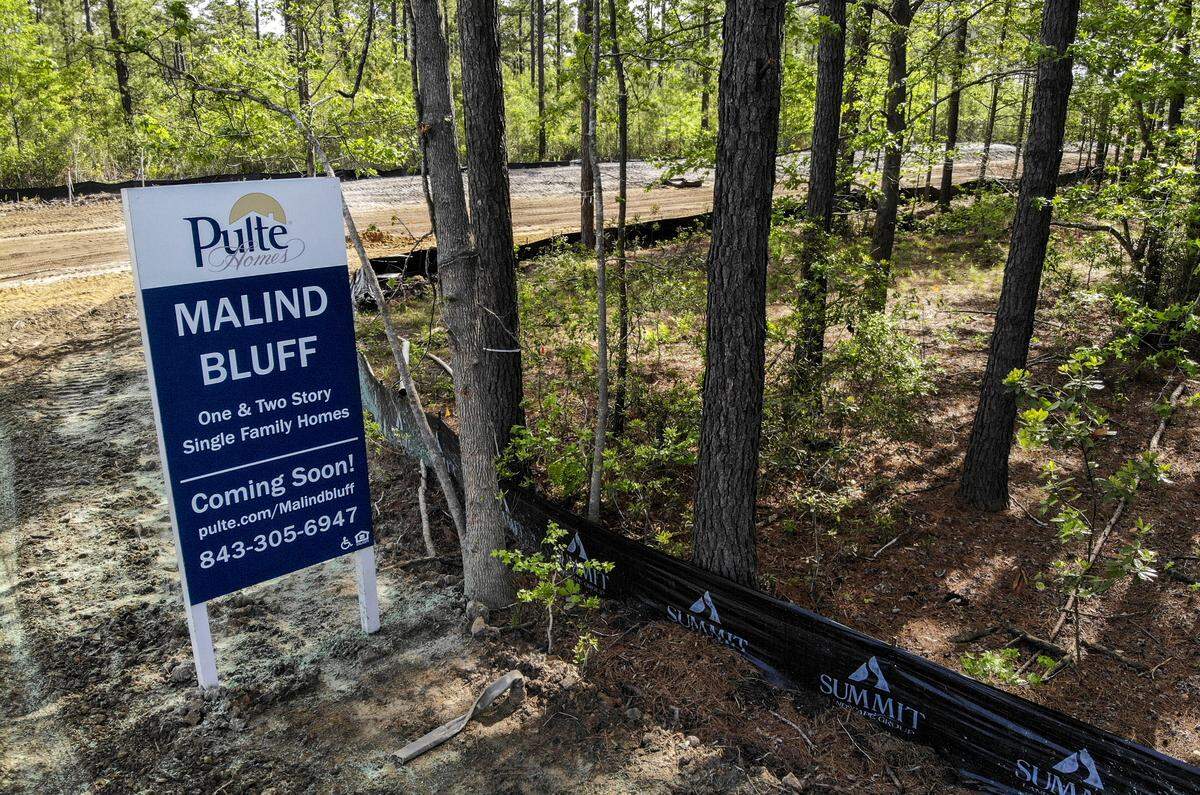
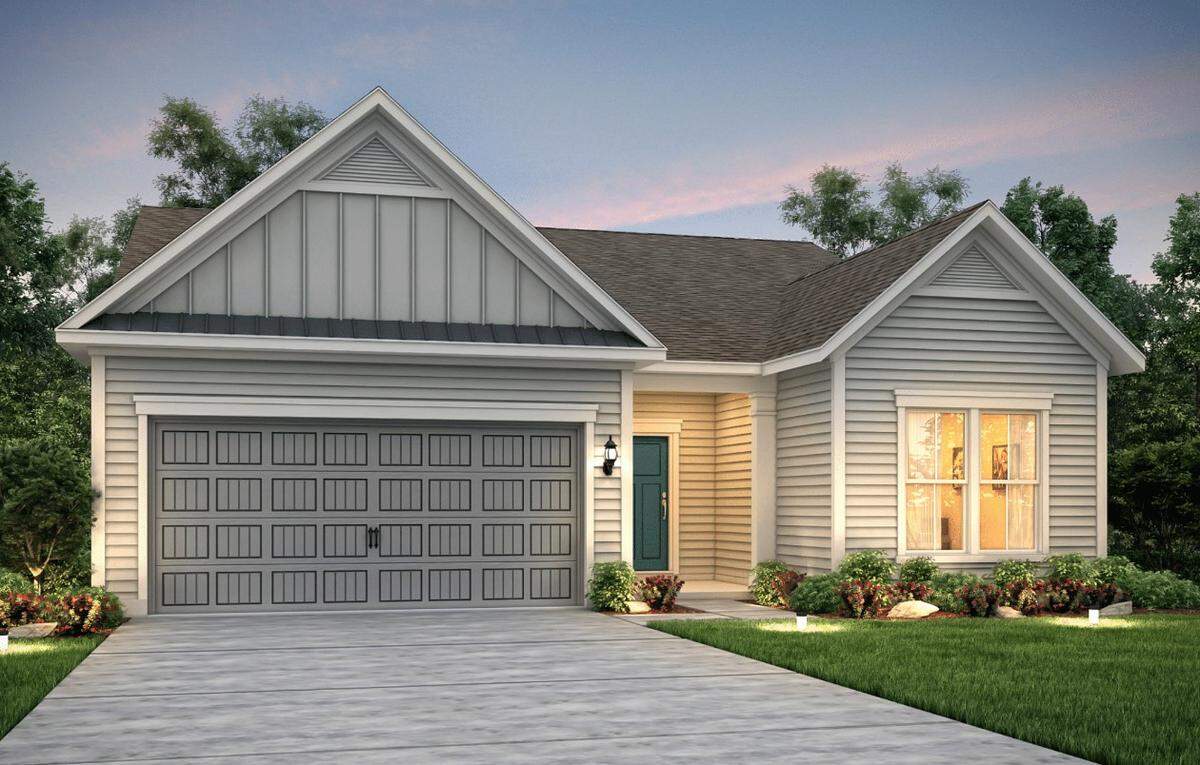
This project would be part of the Osprey Point planned unit development, which includes Pulte Homes’ Malind Bluff community. The apartments, however, would be considered separate from the community.
The natural resources committee’s narrow approval appears to be an attempt to negotiate with the developer to address the county’s dire need of affordable housing for its workforce.
The Beaufort County Council, the county’s governing body, will consider the request on three readings before the change is approved.
Former Hilton Head Mayor David Bennett, whose company Bennett & Reindl, LLC is developing the project, on Monday urged the committee to forward the request to the full council, saying it would reduce projected traffic along dangerous S.C. 170 and provide affordable housing for residents who are “rent overburden.”
“Unless we all work together to intervene and step into that situation and provide good quality housing at an affordable level, (residents) wont be able to get out of the situation of being rent overburden,” he said.
Four council members — Logan Cunningham, York Glover, Larry McElynn and Paul Sommerville — voted against the request.
Sommerville said that although he knew affordable housing “is always an issue,” he felt that changing the master plan was troubling.
“A lot of effort went into that development agreement to put commercial,” he said. “The outcome of the development agreement affects a lot of people. To suddenly change it … to apartments is pretty traumatic. There will be plenty of apartments in the area. I’m very concerned that we make a commitment to an area and then all of a sudden we turn it upside down.”
Beaufort County Administrator Eric Greenway, after hearing the concerns of some council members, said the amount of commercial buildings planned on the Jasper County side of S.C. 170 made apartments more suitable. He said many businesses are struggling to find “more rooftops.”
The request is yet another proposed change to the controversial property, a remnant of the recession-era Okatie Village project — a series of more than 1,000 homes in planned communities near the Okatie River that never got its footing after the economy crashed in 2008.
Malind Bluff, a gated community that held its grand opening in fall 2020, last saw its master plan change (officially called Osprey Point) in 2019. Then, the county required the developer to build 207,000 square feet of commercial and reduced the number of homes to 345 from 527.
The county’s natural resources committee forwarded the request to the full County Council so long as the developer makes at least 75% of the apartments affordable to families earning 80% or less than the Beaufort County area median income (AMI) — $62,000 for a family of four.
Along with the affordable housing component, Beaufort County said it will also require the developer to dedicate a 0.5-acre sliver of property to be used by the Beaufort County Sheriff’s Office, Fire Department or EMS.
Affordable housing
The lack of affordable housing, although most prevalent on Hilton Head Island, is no secret throughout Beaufort County.
“I applaud the county for their efforts and understanding of this critical need in our community. Every unit helps,” said Angela Childers, executive director of the Beaufort Housing Authority, which is in support of the proposed change.
“I hope they will continue to move forward with affordable housing initiatives so that Beaufort County remains a beautiful place to live and work.”
According to data from the U.S. Department of Housing and Urban Development, 80% of Beaufort County’s AMI for a family of four is $62,000.
The figures for a single-person to a three-person family range from $43,400 to $55,800, the data shows.
Bennett, on Monday, told the committee that, if the change is approved, the proposed rent for a single-bed apartment would range from $800 to $995 a month.
Effect on schools?
Malind Bluff and River Oaks, a development approved next door, have sparked outrage from nearby residents who worried that such massive developments — a total of more than 600 homes — would harm their quality of life by the Okatie River.
They feared traffic along a dangerous stretch of S.C. 170 — home to 439 crashes from 2015-18 — would make their neighborhood unsafe. They said hundreds more children would crowd nearby schools and the developments would peril the marshes of the Okatie River.
Planning Director Robert Merchant said the county did not require the developer to submit a traffic impact analysis because apartments would create far less traffic along S.C. 170 than the commercial buildings.
Merchant also said that Beaufort County School District Superintendent Frank Rodriguez “saw value in the location” and supported the request.
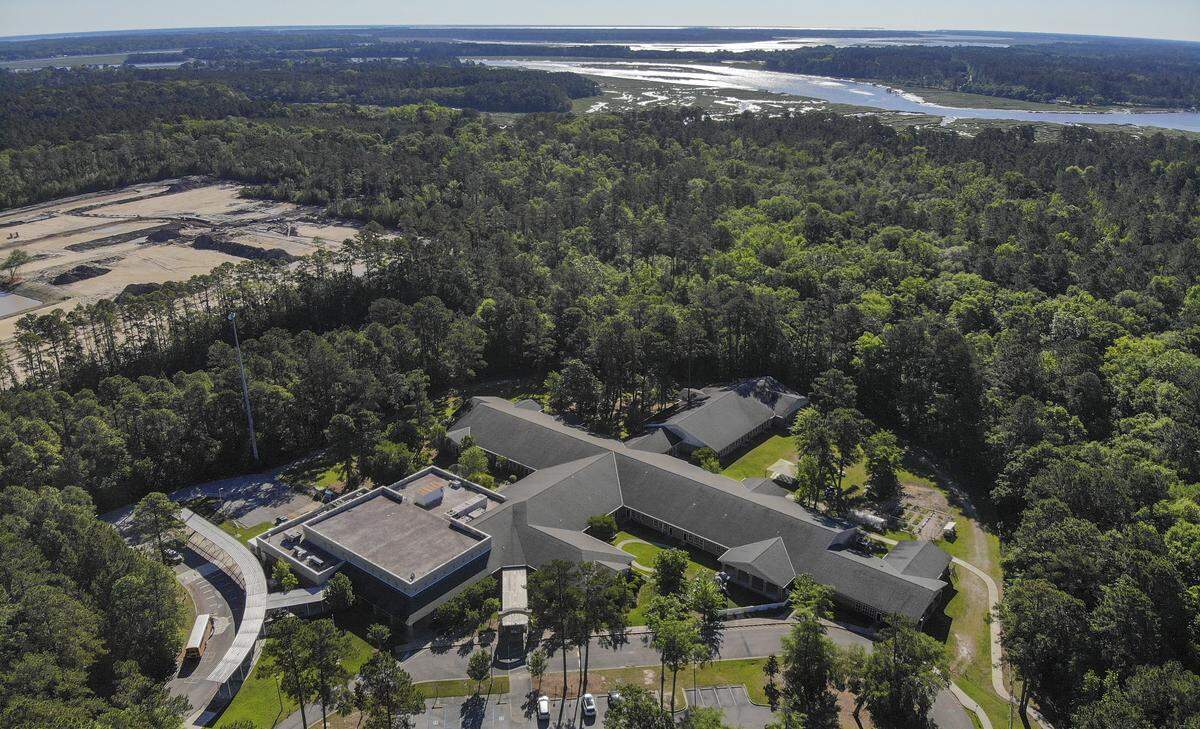
In defense of the county’s position on the request, spokesperson Chris Ophardt, in an email to the Island Packet and Beaufort Gazette, cited a 2007 Harvard University study called “Overcoming Opposition to Multifamily Rental Housing” that detailed how apartments would have less of an impact on nearby schools.
“Opponents assume that apartments contain more school-age children than single-family houses do, and therefore put greater strain on local school districts,” the study said. “In an era of tight school budgets, this is an understandable concern.”
However, the study showed, 100 apartment units average just 31 children. This is compared to 100 single-family homes, which average 51 school-age children, the study said.
Apartments “actually pay more in taxes and have fewer school children on average than single-family houses,” according to the study.
This story was originally published March 8, 2022 at 4:55 AM.